Premium specialized heat transfers engineered to meet safety, branding, and durability demands in Central American climates.

Panama stands as the primary logistics crossroads of the Americas, anchored by the Panama Canal, the Colón Free Zone (Zona Libre de Colón), and major deepwater ports like Balboa and Manzanillo. This unique maritime trade environment demands specialized apparel components that withstand high UV exposure, high relative humidity (averaging 80% to 90% year-round), and heavy-duty wear. Standard embellishments fail rapidly under these microclimatic conditions, suffering from hydrolysis, adhesive delamination, and pigment degradation.
Industrial uniform manufacturers, port operators, and transshipment agencies operating within Panama are shifting toward advanced Optical Variability Technologies. These materials serve dual functions: providing high-visibility safety markers that change appearance under different lighting environments (direct sunlight vs. nighttime searchlights) and acting as anti-counterfeiting features for premium brands trading through the duty-free corridors.
To meet the technical parameters required by Panama's maritime authorities (AMP) and industrial operators, heat transfer elements must pass rigorous testing protocols:
A technical guide on how micro-encapsulated pigments, glass microspheres, and polymer carriers react to light and temperature variations.
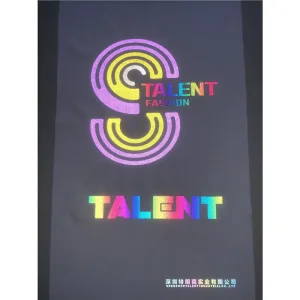
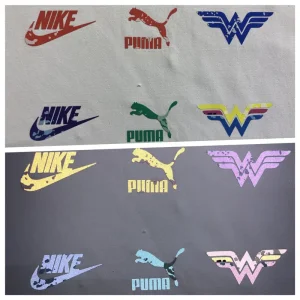
Color-shifting reflective transfers combine retroreflective glass bead technology with thin-film interference filters. High-refractive-index glass microspheres (refractive index $\ge 1.93$) are embedded in a polyurethane matrix. When light enters, it is refracted, reflected off a metallic backing, and refracted again as it exits. By adding an optical interference layer on the beads, specific wavelengths of light are canceled out or reinforced depending on the viewing angle. The result is a shift from deep violet to warm orange or emerald green, providing high visibility for port workers during dawn, dusk, and night operations.
Photochromic heat transfers rely on organic spirooxazines or naphthopyrans. When exposed to ultraviolet radiation (specifically UV-A wavelengths between 315–400 nm), the carbon-oxygen bonds within these molecules reversibly break, causing the molecule to rotate from a perpendicular configuration to a planar conjugated structure. This transition shifts the material from transparent to a vivid, visible color. For Panama's outdoor construction and logistics personnel, this technology serves as a visual indicator of solar radiation intensity, prompting timely UV protection protocols.
Thermochromic transfers utilize microencapsulated liquid crystals or leuco dye-developer complexes. These microcapsules (typically 3–5 microns in size) consist of a leuco dye, a weak organic acid acting as a developer, and a solvent. At low temperatures, the components exist in a solid state, allowing the dye to interact with the developer to produce color. Upon reaching the predefined activation temperature (e.g., 28°C, 31°C, or 37°C), the solvent melts, separating the dye and developer, rendering the transfer clear. This transition provides a functional indicator for heat-stress prevention in high-humidity industrial sectors.
| Technology Type | Activation Trigger | Key Optical Effect | Optimal Panama Application | Durability Rating |
|---|---|---|---|---|
| Color-Shift Reflective | Angle of incident light & viewer position | Dynamic shift between 2-3 distinct hues | Port operator visibility and maritime security vests | High (50+ Industrial Washes) |
| UV Color-Changing | Solar UV-A/UV-B exposure (UV Index > 1) | Instant transition from clear to high-contrast colors | Outdoor sportswear & construction safety apparel | Medium-High (UV absorbers added) |
| Thermochromic | Ambient or body temperature threshold transitions | Reversible color-to-colorless phase change | Industrial heat stress warnings & interactive branding | Medium (Requires low-temp washing) |
| Lenticular Silicone | Physical tilt and angle of observation | 3D depth animation and clean image switching | Premium logistics branding & security labels | Excellent (Premium 3D molded polymer) |
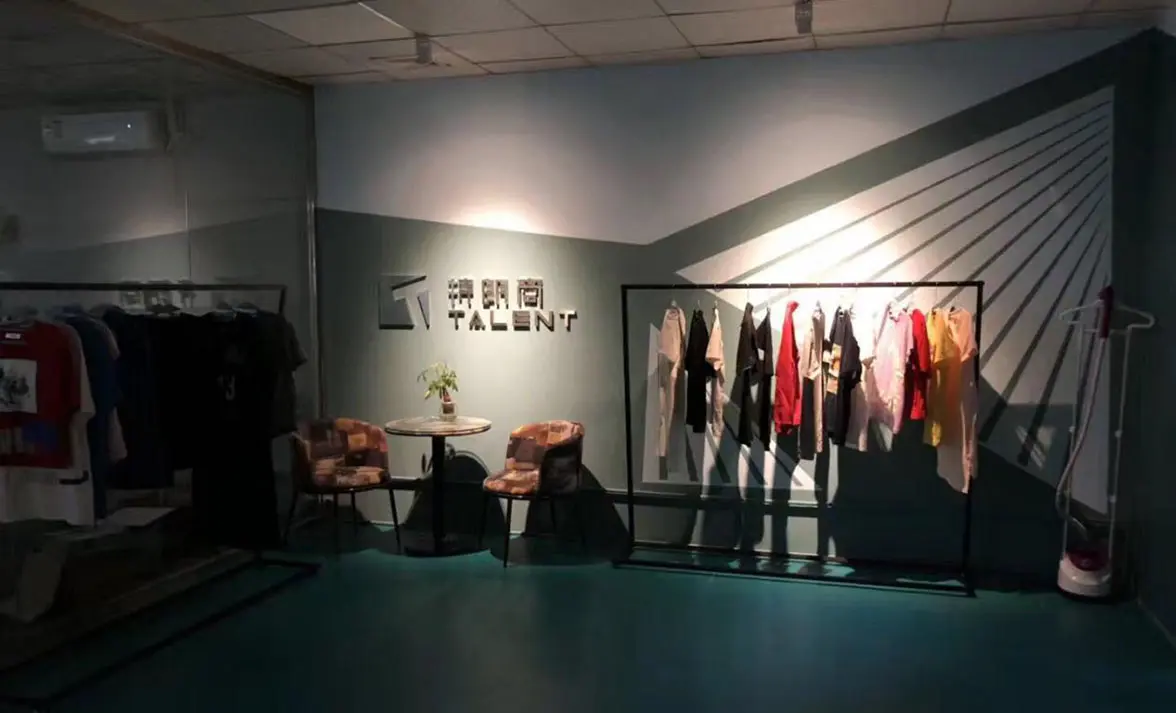
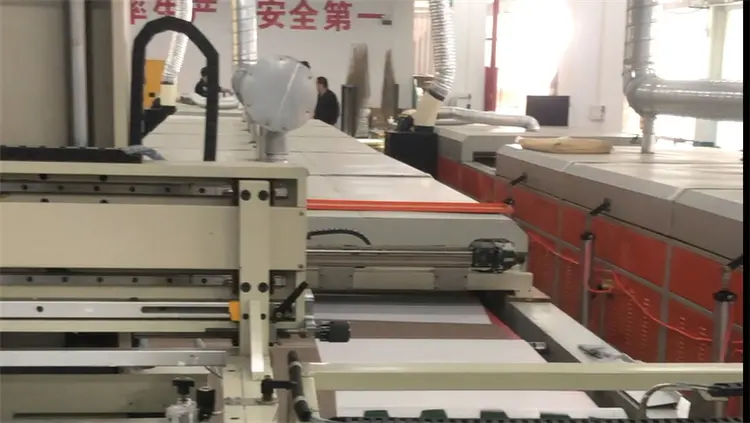
SZ Talent is a leading company with more than ten years of experience specializing in all kinds of heat transfer labels. Our comprehensive approach combines innovation, research and development, production, sales, processes, and technical service. We are proud of our industrial automated production lines, dedicated team of technical experts, and strong management system. Our focus remains on developing innovative, environmentally friendly, functional, and fashionable heat transfer products.
We adhere to the core values of quality-oriented, integrity-based, mutual benefit, promoting innovation and ensuring long-term development. Our efforts are always focused on meeting the strict logistical, commercial, and technical needs of our global customers, especially those operating under the stringent importing rules of the Central American markets.
Our team is comprised of experienced professionals who are passionate about delivering exceptional service. We have a talented workforce dedicated to driving the company's growth and success. Our team members are committed to maintaining the highest quality and service standards, ensuring our customers receive the best solutions.
Over the years, we have experienced significant growth and expansion due to our unwavering commitment to excellence. We continuously invest in advanced technologies and processes to increase our production capabilities and meet our customers' growing needs. Our continued growth is a testament to our commitment to providing exceptional products and services.
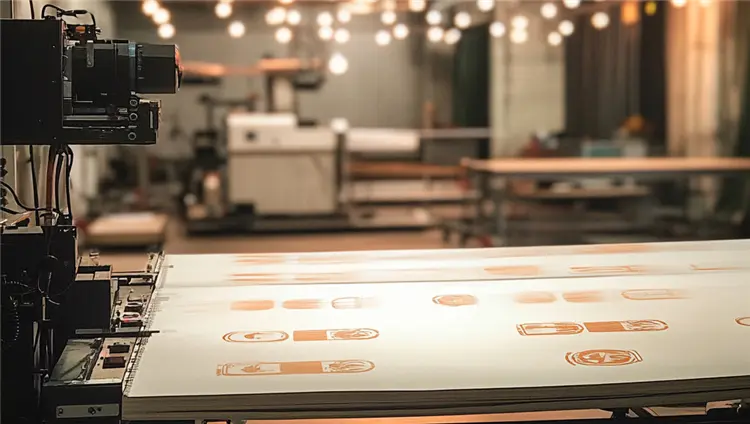
Our state-of-the-art facilities are equipped with the latest technology to ensure efficient production and high-quality output. We have made significant investments in infrastructure to create an enabling environment for innovation, research and development. Our facilities are designed to meet the highest industry standards and meet the diverse needs of our customers.
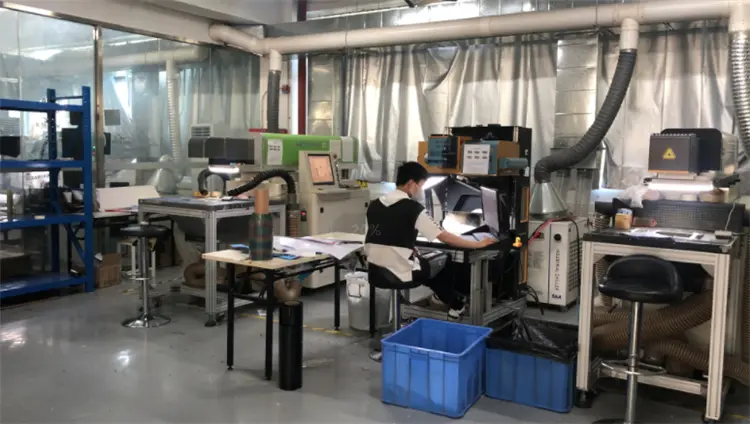
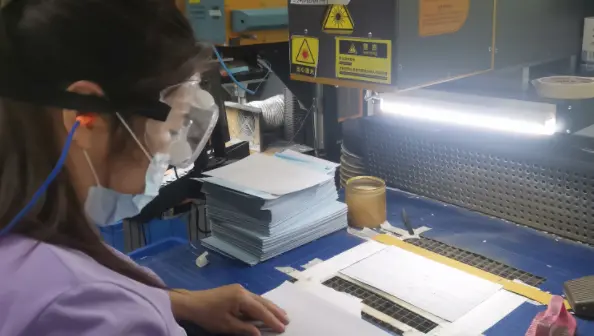
Explore our complete selection of technical transfers, thermal adhesives, and optical graphics designed for volume apparel manufacturing.
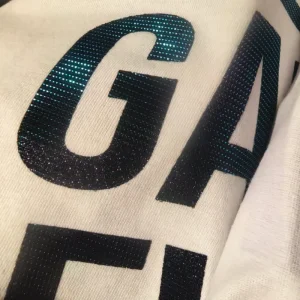
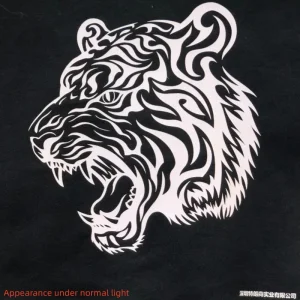

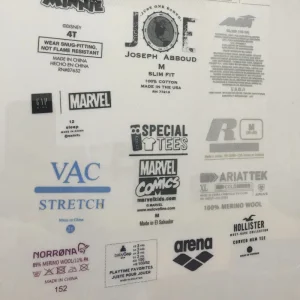
An in-depth look at our specialized adhesive formulations engineered to prevent hydrolysis and graphic peeling in marine environments.
In hot and humid regions like Central America, particularly Panama’s coastal provinces (Colón, Panamá, Herrera), standard thermal adhesives break down quickly due to continuous exposure to water vapor and heat. This process, known as polyurethane hydrolysis, splits the ester or ether linkages in the adhesive polymer chain, resulting in sticky, peeling, or cracked graphics.
To prevent this, SZ Talent integrates premium polyurethane polymers with polycaprolactone or polycarbonate-based polyols. Unlike standard polyester-based adhesives, these formulations offer superior hydrolytic stability. Additionally, we utilize targeted cross-linking agents during the printing process to build a robust three-dimensional polymer network. This network prevents moisture penetration and maintains structural integrity through multiple high-temperature wash cycles.
For fabrics finished with waterproofing or water-repellent treatments (DWR coatings), standard adhesive inks struggle to bond effectively. In response, our specialized Coating-Grip Heat Transfers incorporate modified thermoplastic polyurethane (TPU) resins with specialized polar bonding groups. These groups anchor deep into the treated synthetic fibers, delivering high peel strength even on technical fabrics used by maritime transit and shipping lines.
Answers to technical specifications, shipping procedures, and customization capabilities for buyers in Panama.
They serve two key purposes. First, they provide high-visibility, multi-angle reflectivity, which increases the safety of logistics personnel working in variable lighting conditions at ports like Balboa and Cristóbal. Second, they function as an advanced anti-counterfeiting measure, helping brands secure high-value garments passing through the Colón Free Zone.
We formulate our adhesives using polycarbonate-based polyols. This chemical structure prevents hydrolysis—the degradation of adhesives caused by continuous exposure to heat and moisture. Our transfers maintain high peel strength and crack resistance even in tropical maritime climates.
Our standard activation thresholds are calibrated at 28°C, 31°C, and 37°C. However, we can customize these activation temperatures between 15°C and 60°C to meet specific regional requirements and safety parameters.
Yes, our complete catalog is certified under the OEKO-TEX Standard 100. This ensures all components, including dyes, binders, and carrier films, are free of harmful substances and safe for direct skin contact in warm climates.
Our dye migration-proof transfers feature a barrier layer formulated with active carbon and low-temperature cross-linking polymers. This layer prevents sublimated dyes from migrating from the polyester fibers into the transfer graphic, keeping whites and bright colors clean.
Standard application parameters require a temperature of 140°C–150°C, a dwell time of 10–12 seconds, and medium to high pressure (3–4 bar). Application guidelines are customized based on fabric composition and shared with our clients before shipping.
Yes, we regularly ship cargo to Panama City and the Colón Free Zone. We handle all international export documentation, customs clearance requirements, and certificates of origin to ensure seamless importing.
Contact our technical engineering team today. We provide customized sample books, material performance certificates, and customized pricing to meet your technical requirements.
Request A Free Sample Kit TALENT Industrial