Explore our premium range of industrial heat transfer products manufactured with strict calibration and environmental resilience.

Maximizing Visual Impact and Security via Advanced Thin-Film Interference
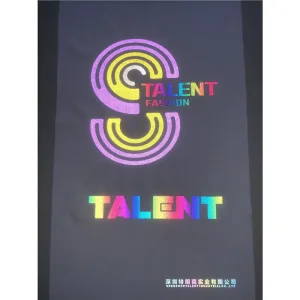
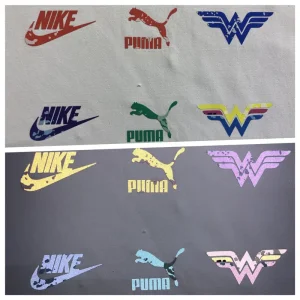
In the modern branding landscape, standard colorations are no longer sufficient to combat replication or secure immediate shelf-appeal. Optical Variability in heat transfer labels represents a culmination of micro-optical engineering and material chemistry. Unlike static pigmentations, optically variable materials exhibit shifting spectrums depending on the angle of incidence, incident lighting conditions, and ambient light absorption levels.
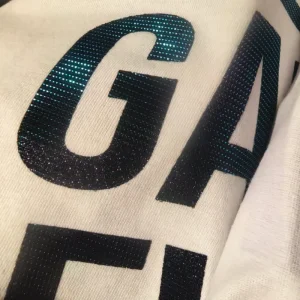
By integrating multi-layered thin-film structures, microscopic glass beads, and advanced liquid crystal formulations, we create heat transfers that shift colors smoothly (e.g., from deep forest green to electric violet) as the observer's viewing angle changes. This goniophotometric effect is not only highly eye-catching but also serves as a premium, non-replicable signature for premium athletic brands, military tactical gear, and protective workwear.
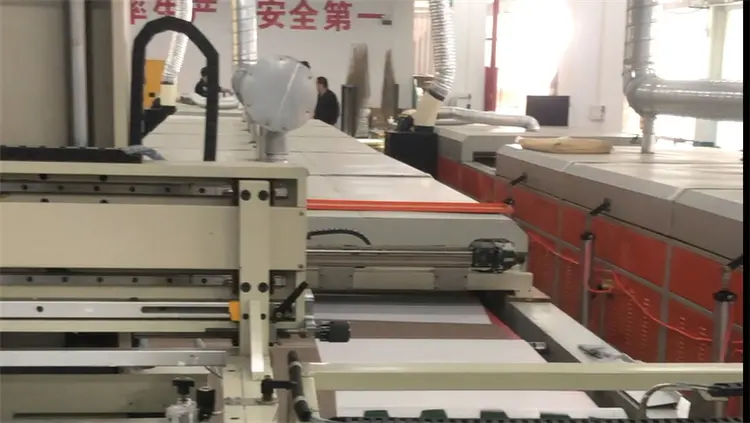
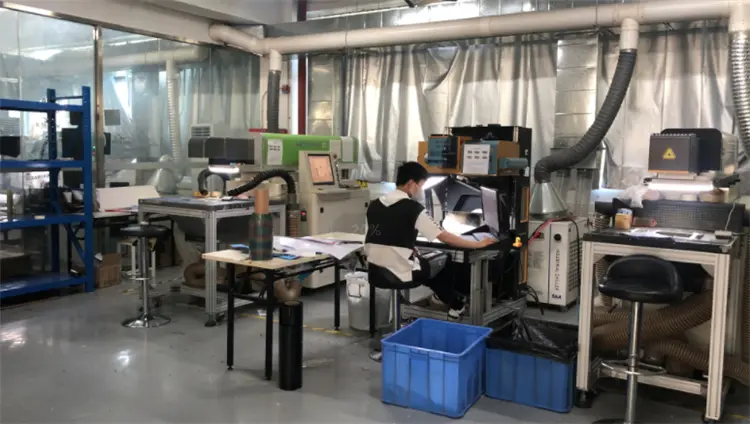
Our Integrated R&D and Scaled Factory Infrastructure
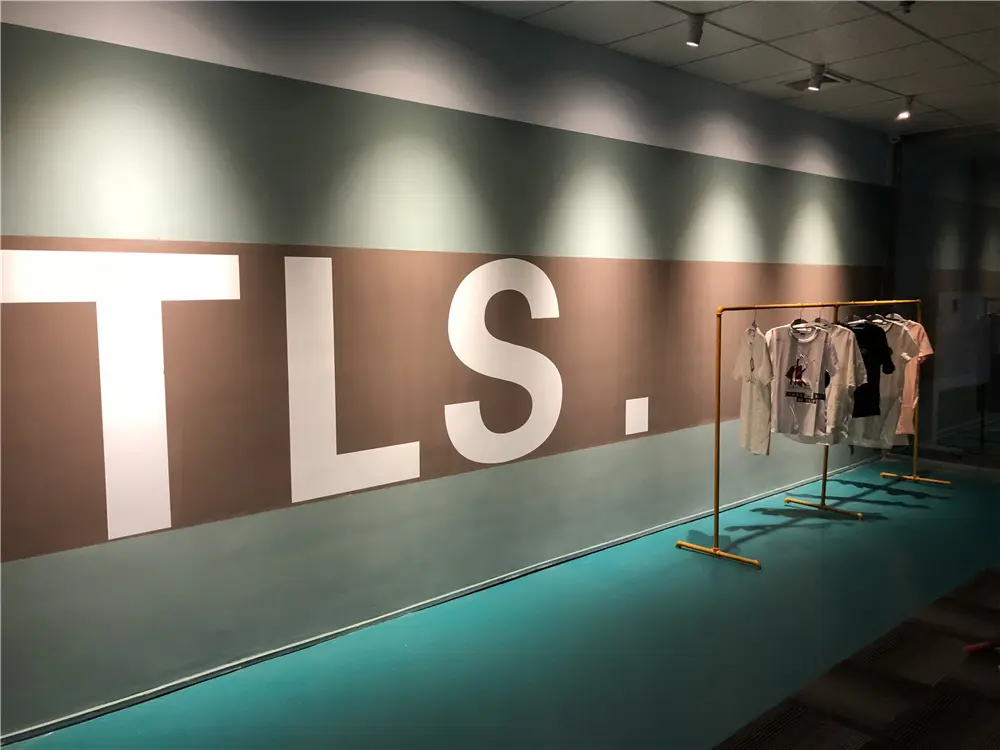
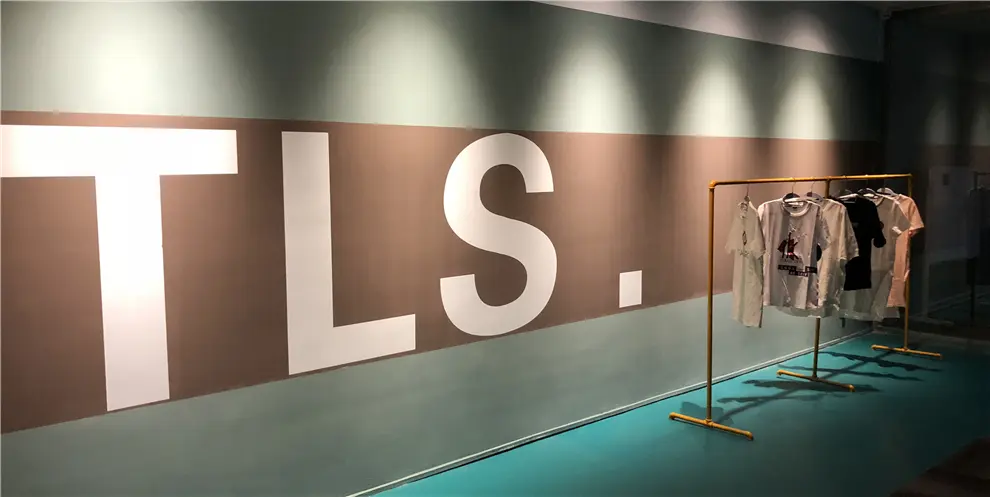
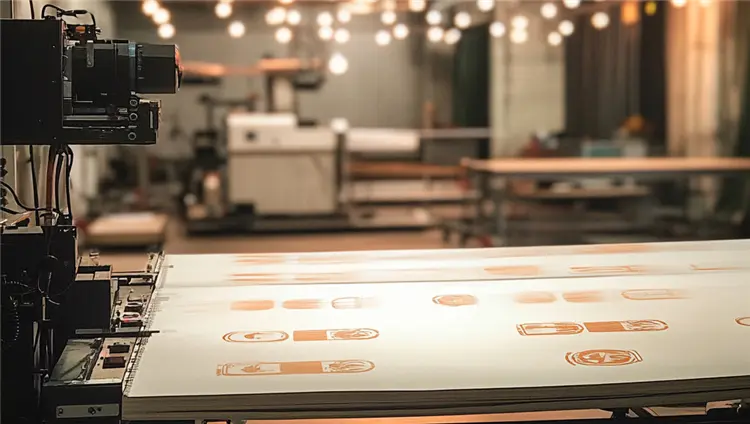
SZ Talent is a leading company with more than ten years of experience specializing in all kinds of heat transfer labels. Our comprehensive approach combines innovation, research and development, production, sales, processes, and service. We are proud of our industrial automated production lines, dedicated team of technical experts, and strong management system. Our focus remains on developing innovative, environmentally friendly, functional, and fashionable heat transfer products.
We adhere to the core values of quality-oriented, integrity-based, mutual benefit, promoting innovation and ensuring long-term development. Our efforts are always focused on meeting the needs of our global customer base. Through massive R&D investments, we ensure every color-shift, UV-reactive, and reflective batch passes stringent industrial verification processes before export dispatch.
How we solve thermal adhesion, optical clarity, and structural longevity across complex textiles.
We leverage advanced aliphatic polyurethane and thermosetting hot-melt chemistry. This creates molecular-level crosslinking with synthetic elastane and nylon fibers, ensuring no cracking, peeling, or loss of adhesion during stretching.
By engineering a specialized charcoal migration barrier, our transfers prevent sublimation dye contamination from raw polyester garments, securing color stability and vibrancy under extreme post-heat treatments.
Every raw adhesive substrate, reflective glass micro-bead, and color-shifting ink undergoes evaluation. All materials conform strictly to ECO-PASSPORT by OEKO-TEX® and standard REACH classifications for direct skin-contact safety.
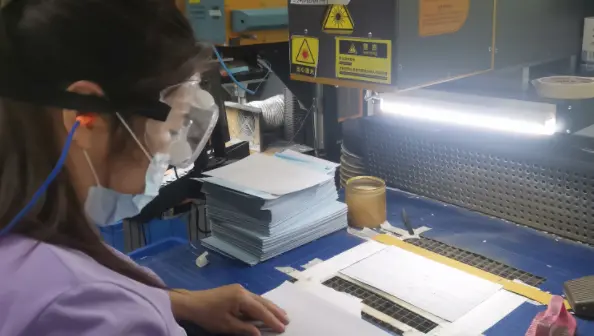
Integrated Infrastructure, Raw Material Sovereignty, and High-Volume Output
Choosing the right manufacturing location for high-performance optical variability products is a critical decision for global procurement managers. By basing our primary production facilities in Shenzhen (SZ), China, we tap into a dense industrial cluster of advanced chemical suppliers, film extruders, and micro-optical manufacturing technologies.
This close geographic proximity ensures that new raw material iterations (such as water-based elastic carriers and specialized refractive powder coatings) can be sourced and processed into physical prototypes within hours rather than weeks. Our automated screen printing and roll-to-roll heat transfer coating lines operate under strict temperature, dust, and humidity controls to prevent any particulate contamination from affecting the optical properties of the finished product.
Scalability and Supply Chain Resilience: During peak seasonal apparel production windows, we can rapidly scale up our operations. This flexibility allows us to handle large-volume orders from global activewear brands while keeping lead times short and pricing highly competitive.
Meeting Technical Audits, Wash-Resilience Metrics, and Localization Demands
Global brand procurement teams face complex challenges, including navigating regional trade laws and verifying factory standards. At SZ Talent, we design our operations around these global requirements. We provide complete chemical safety documentation and batch testing reports, ensuring smooth customs processing and compliance verification.
To support international clients, we maintain localized customer service teams capable of translating complex chemical specifications and manufacturing tolerances. We also offer localized warehousing, logistics assistance, and technical support teams. These resources are available to visit localized apparel factories and calibrate heat-press settings, helping you achieve optimal performance with every transfer.
Reliability in Testing: We provide detailed goniophotometric reflection ratings and wash testing data (up to 50 cycles at 60°C). This level of detail helps procurement managers evaluate our products with confidence, knowing they will meet long-term durability standards.
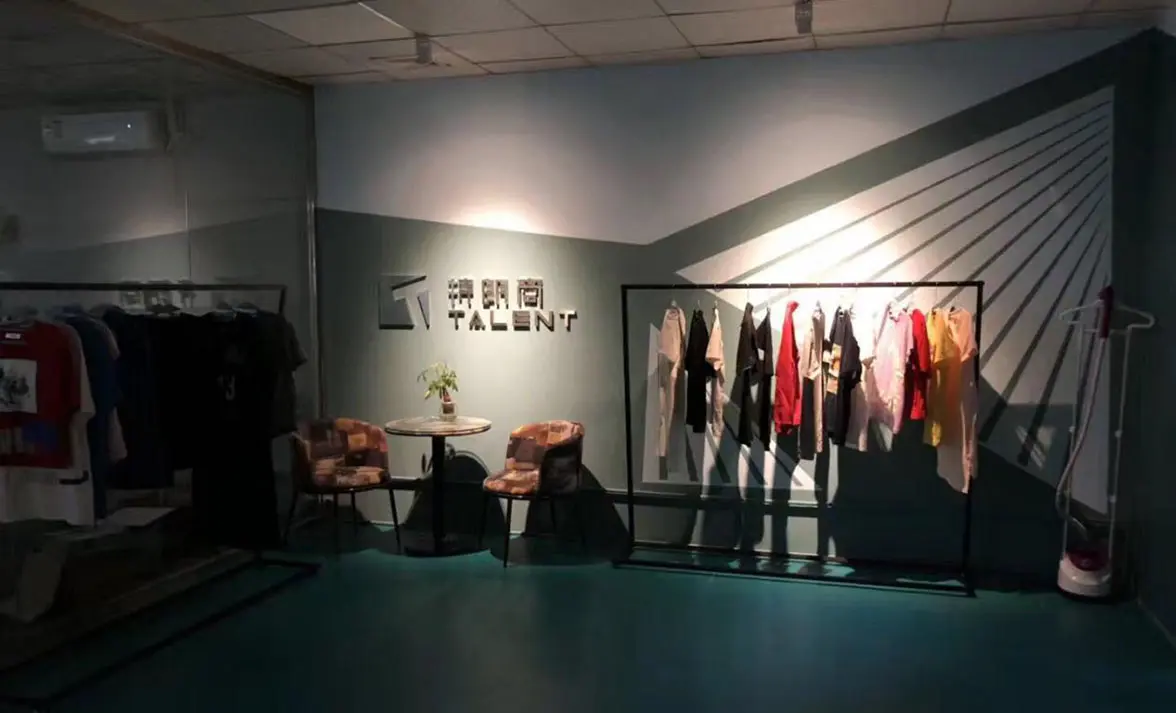
How Smart Coatings and Regional Demands Shape the Next Generation of Heat Transfers
The industry is moving toward active responsive layers. Photoluminescent and photochromic inks are being integrated directly into single transfer laydowns, enabling color transformations based on environmental changes like temperature and light.
Sustainability continues to drive product development. R&D efforts are focused on replacing fossil-fuel-derived carrier polymers with bio-based, water-soluble, biodegradable polyurethanes. This transition aims to maintain excellent wash resistance while reducing environmental impact.
Industrial safety garments require high durability. Developing retroreflective transfers that meet EN ISO 20471 safety criteria and withstand heavy industrial laundering remains a core focus for the safety and protection sector.
Technical answers to common queries from global sourcing and product development managers.
Color-shifting reflectivity works by combining retroreflective glass micro-beads with optical thin-film interference filters. When light passes through these layers, it undergoes constructive and destructive interference. This process selectively reflects specific wavelengths depending on the angle of observation, creating a dynamic color-shifting effect.
We formulate specialized elastic polyurethane adhesives with high crosslinking density. These adhesives are designed to expand and contract along with stretchable fibers. This prevents cracking, peeling, or edge-lifting, even when applied to fabrics with high spandex content.
To prevent dye migration, we recommend using a lower temperature application process (typically 130°C to 140°C) and incorporating a specialized composite barrier layer. This barrier blocks dye gases from rising into the transfer, helping to protect and preserve white and bright colors.
Yes, our entire product range is produced using raw materials that conform to OEKO-TEX Standard 100. This ensures our transfers are free of harmful substances and safe for direct skin contact, even on baby clothing and sensitive wear.
Browse our advanced decorative and functional options, engineered for durability, styling, and application safety.


 TALENT Industrial