In the hyper-competitive global apparel, outdoor equipment, and technical gear markets, the capability to brand, seal, and embellish technical fabrics without compromising their primary protection functions is critical. Traditional embroidery and sewing methods pierce the fabric membrane, leading to micro-leakages under hydrostatic stress. Consequently, multinational apparel buyers, defense contractors, and performance sportswear brands are shifting rapidly toward specialized waterproof fabric adhesion transfers.
From the heavy rain of industrial mining sectors in North America to high-altitude mountaineering demands in Europe, enterprise buyers need heat-seal solutions that form robust chemical bounds. This global procurement trend is heavily driven by the emergence of multi-layered laminate fabrics (such as 3L GORE-TEX®, eVent®, and various polyurethane membranes). These substrates present low surface energy profiles that standard hot-melt adhesives cannot wet or adhere to, necessitating complex chemical engineering at the interface.
The major technical hurdle in modern textile branding is bonding to fabrics coated with Durable Water Repellent (DWR) formulations. DWR finishes—traditionally based on long-chain fluorocarbons (C8) and currently migrating to shorter chains (C6) or completely fluorine-free polymer systems—work by lowering the surface tension of the fabric fibers. This prevents water from wetting the substrate, causing it to bead and roll off.
However, this exact property also repels typical hot-melt adhesives. During thermal lamination, conventional adhesives fail to achieve adequate viscoelastic flow. Under repeated wash cycles (ISO 6330 standards) or dynamic stretching, the transfer suffers from interfacial adhesion failure, peeling off and ruining the garment's aesthetic and structural integrity.
To address this macro challenge, material engineers utilize Co-polyamide and Co-polyester (CoPES) adhesive webs, cross-linked liquid polyurethanes, and silane coupling agents. These active molecules chemically bond with the hydrophobic coatings, ensuring the transfer survives up to 50 home wash cycles at 60°C and maintains an air-tight, water-tight seal.
Achieving extreme peel strength on waterproof surfaces requires a multi-stage technical strategy during processing. Below is the blueprint of how our advanced transfers are engineered to form a unified block with nylon and polyester base textiles.
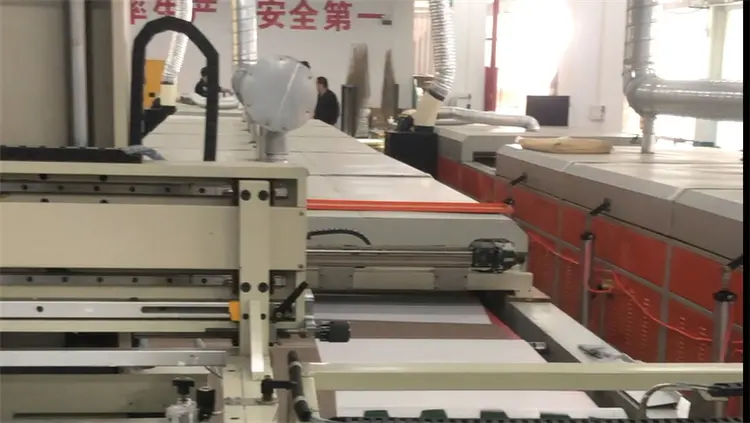
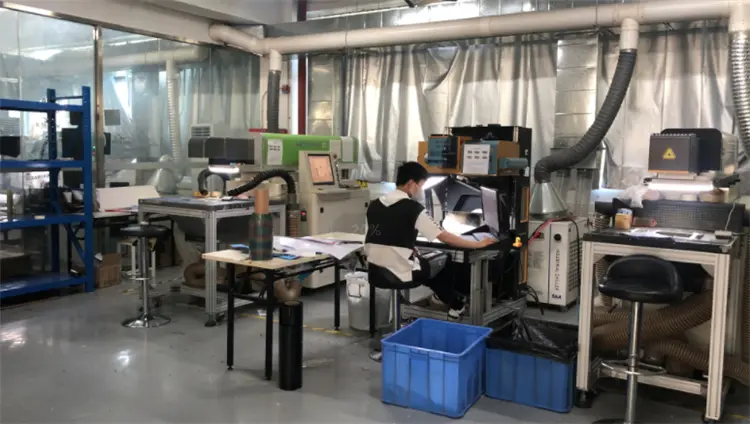
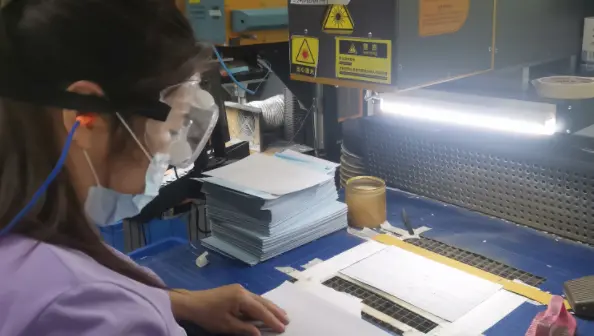
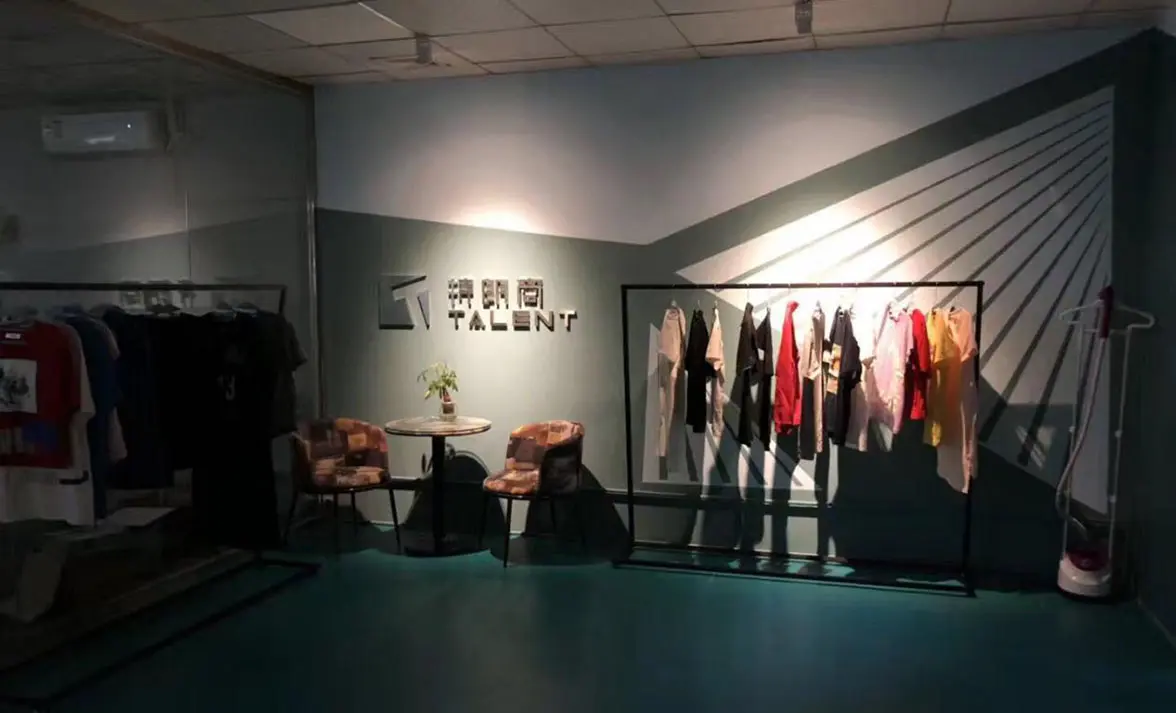
SZ Talent is a leading company with more than ten years of experience specializing in all kinds of heat transfer labels. Our comprehensive approach combines innovation, research and development, production, sales, processes, and service. We are proud of our industrial automated production lines, dedicated team of technical experts, and strong management system. Our focus remains on developing innovative, environmentally friendly, functional, and fashionable heat transfer products.
We adhere to the core values of quality-oriented, integrity-based, mutual benefit, promoting innovation and ensuring long-term development. Our efforts are always focused on meeting the needs of our customers.
Known for our commitment to quality, innovation, and customer satisfaction, SZ Talent continuously introduces cutting-edge products that meet the changing needs of the global market. Our dedication to excellence makes us a trusted partner for businesses looking for high-quality thermal transfer labels and waterproof functional trims.
Our team is comprised of experienced professionals who are passionate about delivering exceptional service. We have a talented workforce dedicated to driving the company's growth and success. Our team members are committed to maintaining the highest quality and service standards, ensuring our customers receive the best solutions.
To assist global procurement directors, physical laboratory technicians, and QA managers in verifying compliance, the following table summarizes the performance limits and chemical structures of our waterproof adhesive transfers.
| Performance Parameter | Testing Protocol | Target Threshold Value | Engineering Mechanism |
|---|---|---|---|
| Hydrostatic Pressure Resistance | ISO 811 / AATCC 127 | > 10,000 mm H2O | Thermally fused seam sealing block prevent micro-pores. |
| Peel Strength (180° Test) | ASTM D903 | > 25 N / 25mm | High molecular cross-linking between polyurethane and fabric shell. |
| Home Washing Durability | ISO 6330 (60°C) | 50+ Cycles | Hydrolysis-resistant ester/ether soft segment polyurethane backbone. |
| Dry Cleaning Stability | ISO 105-D01 | Grade 4-5 | Cross-linked co-polyamide matrix, immune to Perchloroethylene. |
| Elongation / Recovery | ASTM D412 | 350% / >95% Recovery | Thermoplastic polyurethane elastomers with high elastic recall. |
| Eco-Toxicity Certifications | OEKO-TEX Standard 100 | Class I (Infants Safe) | Solvent-free hot melt dispersion, zero heavy metals or plasticizers. |
Manufacturing for the European Union (REACH) and United States (CPSIA) consumer markets requires strict control over raw chemical inputs. Traditional heat transfer adhesives often contained phthalate plasticizers and alkylphenol ethoxylates (APEOs) to achieve flexibility. However, modern environmental regulations have banned these substances from apparel manufacturing.
SZ Talent strictly operates utilizing solvent-free polyurethane dispersions (PUDs) and water-based ink systems. Our production processes generate minimal volatile organic compounds (VOCs), maintaining compliance with high-tier factory audits. For industrial workwear suppliers, this chemical safety translates to guaranteed compliance certificates for batch deliveries, avoiding expensive port holds or custom inspections during cross-border shipping.
Furthermore, our packaging systems utilize humidity-controlled, UV-shielded film wraps to prevent premature activation or aging of the hot-melt adhesive during maritime transit. Our logistics framework accommodates door-to-door delivery schedules, maintaining constant batch traceability from raw material mixing to the customer's heat press floor.
As the global textile industry shifts toward circular economy models, the demand for mono-material garments is skyrocketing. Mono-material design requires that outer shells, inner linings, insulation, and graphic labels be sourced from the same polymer family (e.g., all polyester or all nylon) to facilitate clean, chemical recycling without mechanical separation.
Our R&D lab at SZ Talent is proactively developing bio-based polyols and mono-polymer heat-seal films. These advanced solutions are designed to break down or melt at identical temperature profiles to their host polyester fabrics, removing the traditional bottleneck in textile-to-textile recycling. By selecting our advanced hot-melt systems, brands future-proof their supply chains against upcoming EPR (Extended Producer Responsibility) taxes and regulations across Europe and North America.
 TALENT Industrial