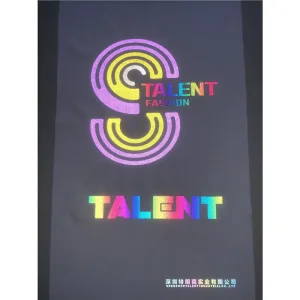
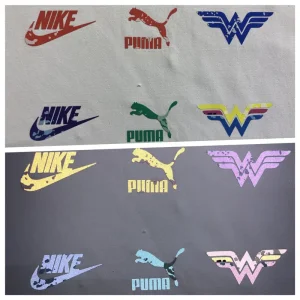


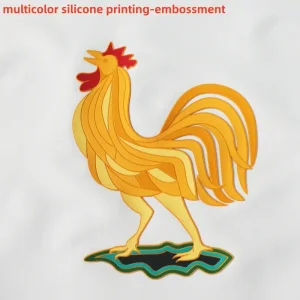
Modern textile branding has progressed far beyond basic ink systems. Large-scale global buyers demand complex surface properties that can withstand harsh environments, frequent washing, and heavy physical wear. Special finish heat transfers represent the leading edge of this shift. They integrate micro-optics, photoluminescent materials, thermo-responsive expanding microspheres, and advanced polyurethanes (TPU) to deliver distinct visual and physical textures.
Our reflective and color-shift products use high-index micro-glass beads (refractive index nd ≥ 1.93). These beads are coated with a vapor-deposited aluminum reflective layer. Under direct light, they send rays back to the source. This ensures both safety and high visibility on running, cycling, and occupational workwear.
We mold liquid silicone at high pressure into precise geometries, avoiding the dimensional loss typical of plastisol puff prints. This creates crisp, vertical side walls and tactile 3D finishes. Crucially, the silicone remains flexible and does not crack, even on high-stretch spandex materials.
Waterproof-treated and silicone-coated technical fabrics can resist standard adhesives. To solve this, we engineer modified polyamides and hybrid co-polyesters. These materials bond with low surface energy (LSE) materials, preventing edge lifting and peeling, even under heavy water exposure.
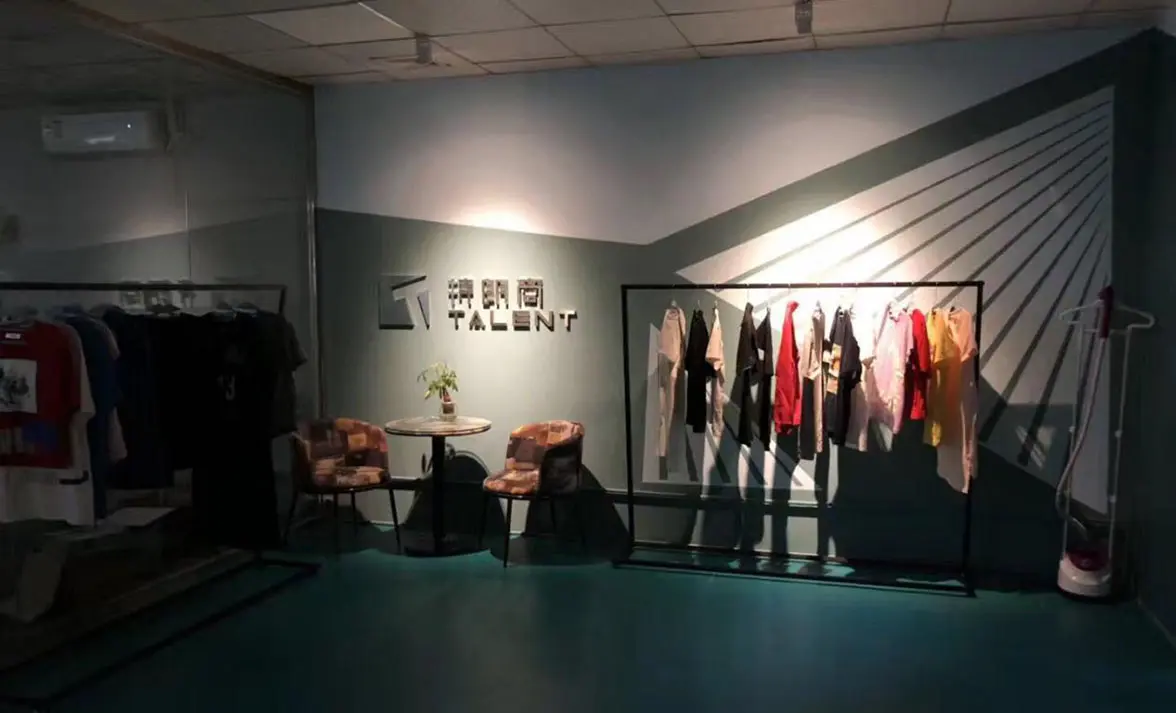
SZ Talent is a leading company with more than ten years of experience specializing in all kinds of heat transfer labels. Our comprehensive approach combines innovation, research and development, production, sales, processes and service. We are proud of our industrial automated production lines, dedicated team of technical experts and strong management system. Our focus remains on developing innovative, environmentally friendly, functional, and fashionable heat transfer products.
We adhere to the core values of quality-oriented, integrity-based, mutual benefit, promoting innovation and ensuring long-term development. Our efforts are always focused on meeting the needs of our customers.
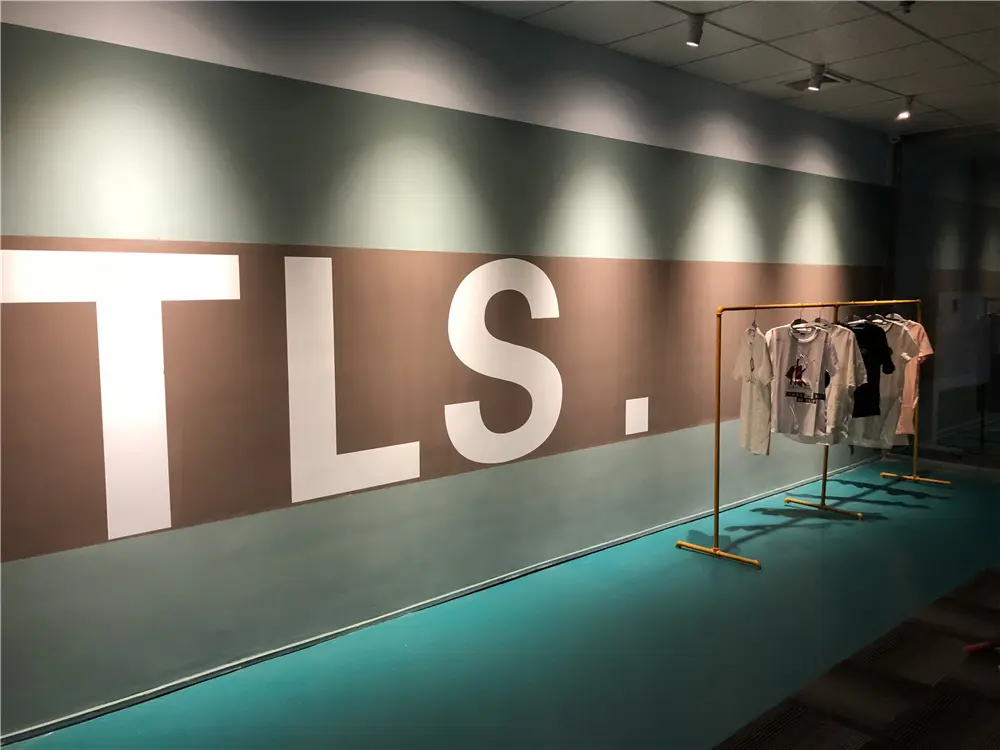

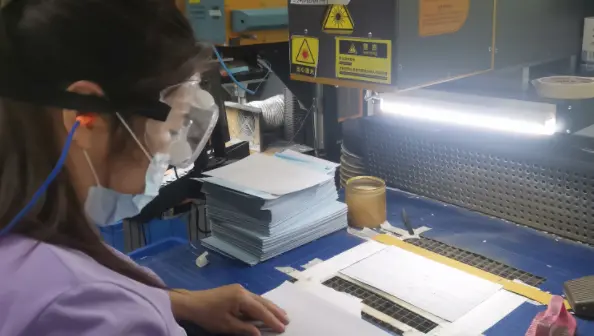
Rising production costs and supply chain delays mean global apparel brands require partners who offer more than just low-cost labor. They need technology-driven efficiency and predictable timelines. SZ Talent addresses these challenges by integrating advanced manufacturing processes directly into our production lines.
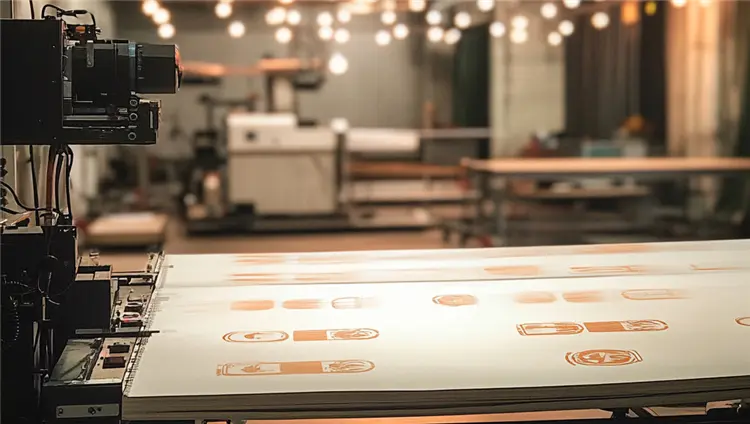
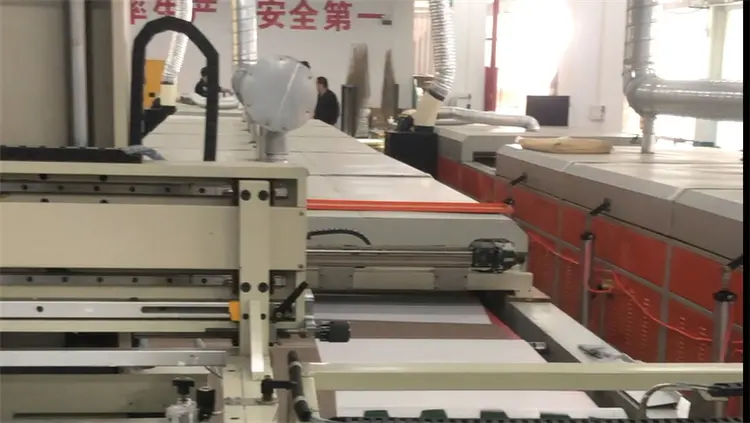
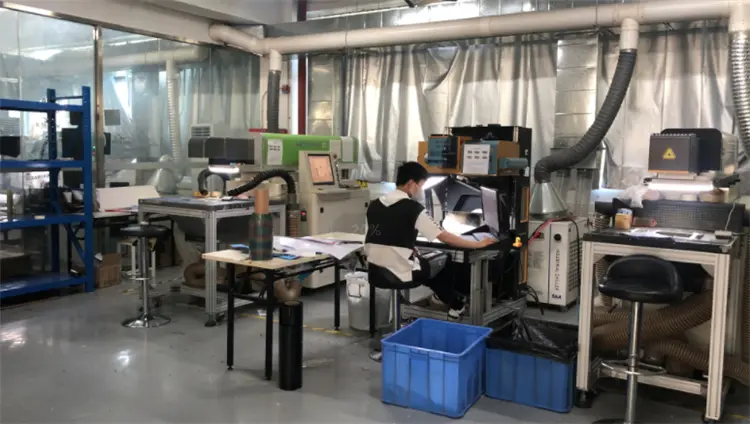
Our factory floor features high-precision automated CCD registration printing systems. These machines use optical sensors to align complex multi-layer transfers with tolerance limits under 0.05 mm. Whether registering glowing boundaries on high-performance athletic wear or positioning thin details on 3D molded silicone, this level of precision minimizes waste and ensures consistent quality across large production runs.
We have also modernized our workflow to handle challenges in international logistics:
Our long-term R&D roadmap focuses on two primary areas: environmental sustainability and functional integration.
Conventional specialty transfers rely on solvent-borne adhesives. We are transitioning our production lines to water-based PU dispersions. This reduction in volatile organic compounds (VOCs) helps our customers achieve their decarbonization goals without compromising stretch or adhesion.
We are expanding our optics capabilities beyond static designs. Future product lines will feature temperature-responsive and UV-activated photochromic pigments. These materials dynamically change color when transitioning from indoor environments to direct sunlight.
We are developing conductive pathways within our stretchable silicone labels. This allows apparel designers to integrate lightweight biosensors and heating elements directly into garments via standard heat presses.
Exporting branded garments to markets like the EU, North America, and Japan requires strict adherence to international safety standards. Compliance cannot be treated as an afterthought.
Our raw materials are certified under the Oeko-Tex Standard 100 (Class I), verifying that they are safe for contact with infant skin. We also maintain strict compliance with EU REACH regulations and US California Proposition 65, ensuring our formulas are free from lead, heavy metals, phthalates, and alkylphenol ethoxylates (APEOs).
To support global supply chains, we provide comprehensive documentation for customs and compliance audits, including safety data sheets (SDS) and clear origin certificates.
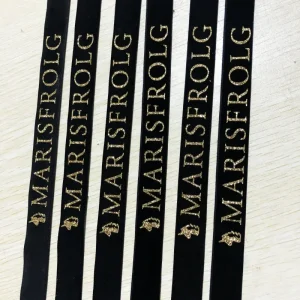


For procurement directors and supply chain managers, selecting a heat transfer partner requires looking closely at quality controls and batch consistency. When importing special finish labels in large volumes, performance variation can lead to costly disruptions.
Our facility ensures reliability through strict, step-by-step quality control. Every batch undergoes standard testing, including 50 industrial wash cycles at 60°C and elasticity testing up to 200%. This ensures our labels maintain their color and texture on high-stress technical fabrics. By maintaining trace records for all shipments, we can quickly verify the performance of any delivered batch.
 TALENT Industrial