

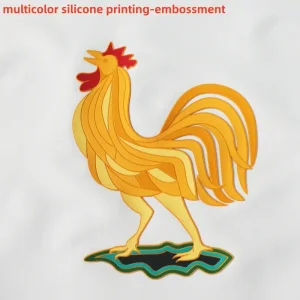
In the contemporary global textile and apparel manufacturing sector, branding is no longer limited to simple weave patterns or screen-printed inks. Today's commercial space demands multi-functional, structurally resilient, and highly customized branding vectors. As global manufacturing chains adapt to more complex substrates—ranging from hydrophobic technical sportswear polymers to delicate eco-organic blends—specialty heat transfers have emerged as the definitive industrial solution.
High-quality specialty transfers provide a bridge between complex physical chemistry and surface aesthetics. From preventative barriers against dye migration in active synthetic fabrics to laser-cut 3D textures, the market requires manufacturing partners capable of balancing raw-material research with precision scale output. Traditional printing methods often fall short when subjected to industrial standard durability testing, making highly engineered specialty transfer manufacturers a foundational component of modern supply chains.
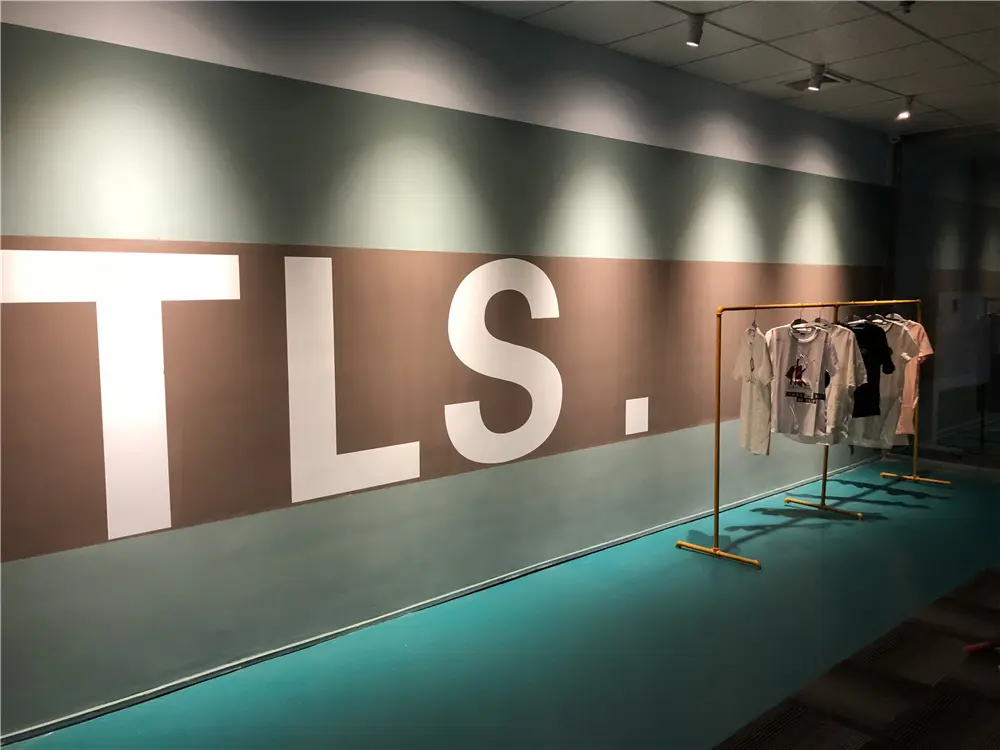
Combining decades of chemical engineering expertise and manufacturing refinement, SZ Talent stands as an industry benchmark in the specialty transfer landscape.
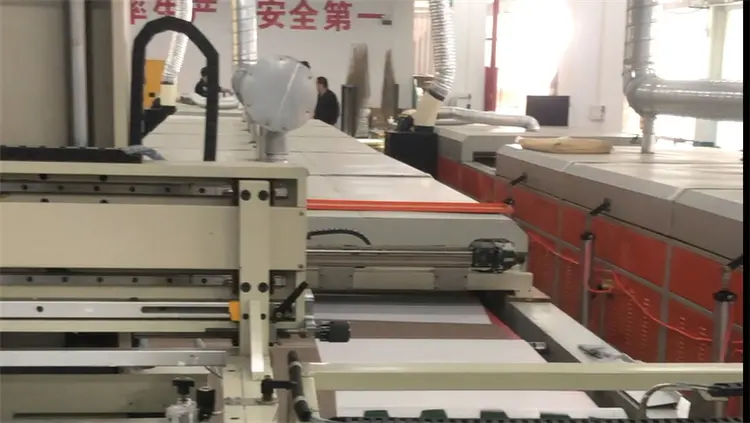
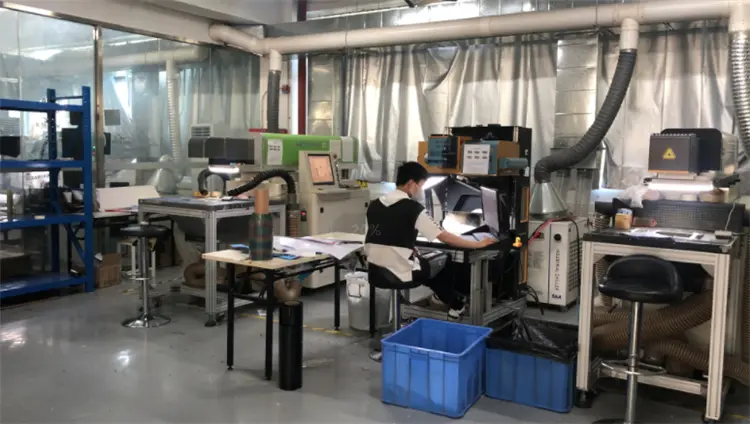
SZ Talent is a leading company with more than ten years of experience specializing in all kinds of heat transfer labels. Our comprehensive approach combines innovation, research and development, production, sales, processes and service. We are proud of our industrial automated production lines, dedicated team of technical experts and strong management system. Our focus remains on developing innovative, environmentally friendly, functional, and fashionable heat transfer products.
We adhere to the core values of quality-oriented, integrity-based, mutual benefit, promoting innovation and ensuring long-term development. Our efforts are always focused on meeting the needs of our customers.
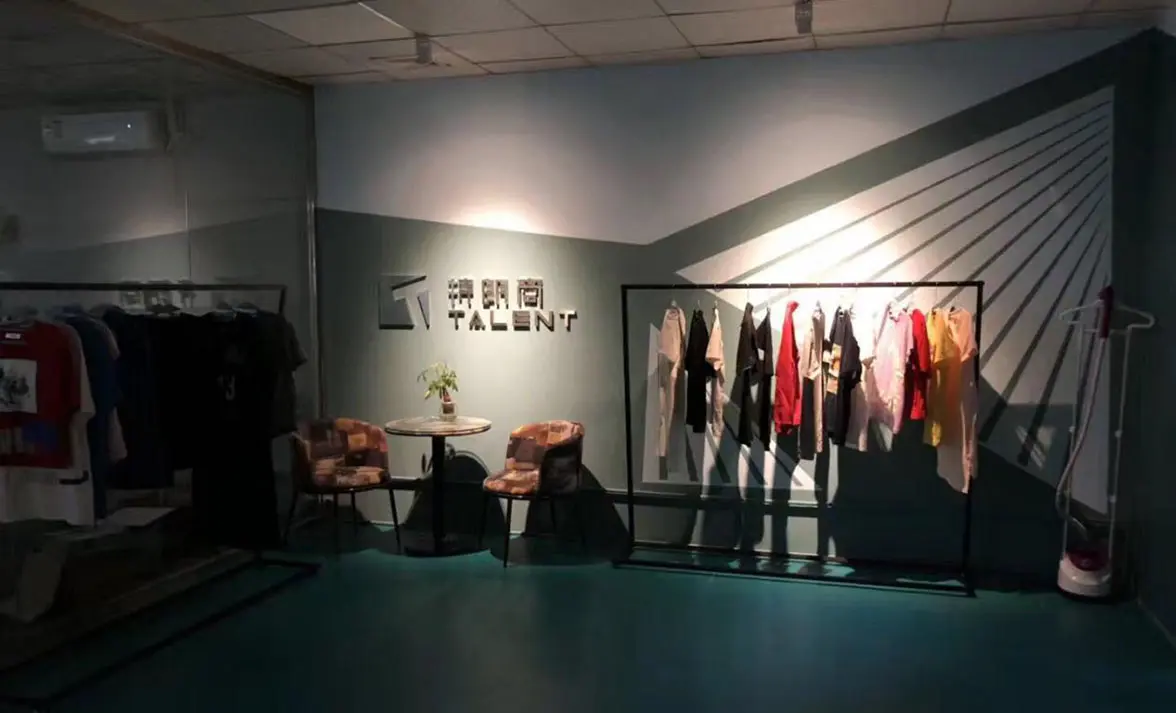
SZ Talent is a well-known name in the industry, known for its commitment to quality, innovation and customer satisfaction. We attach great importance to research and development and continuously introduce cutting-edge products that meet the changing needs of the market. Our commitment to excellence makes us a trusted partner for businesses looking for high-quality thermal transfer labels.
Our infrastructure is architected to service global high-volume apparel exporters, regional boutique brands, and technical performance-wear suppliers. By leveraging vertically integrated research labs alongside massive assembly lines, we optimize production costs while safeguarding stringent performance standards.
Our chemical engineers work continuously on polymeric formulas to design adhesives that bond perfectly to high-stretch elastanes, siliconized fabrics, and heavy coated nylons without losing adhesion or cracking over time.
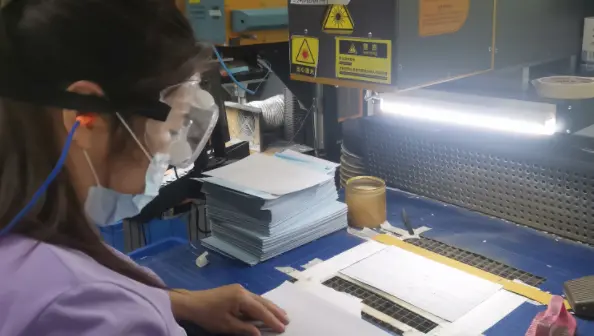
Our team is comprised of experienced professionals who are passionate about delivering exceptional service. We have a talented workforce dedicated to driving the company's growth and success. Our team members are committed to maintaining the highest quality and service standards, ensuring our customers receive the best solutions.

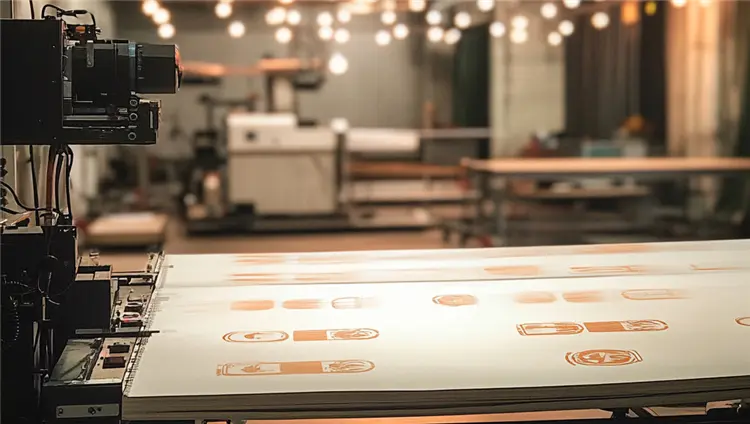
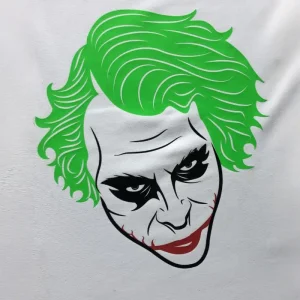
Technical synthetic fabrics like spandex and polyester are highly prone to dye migration and severe stretching. Our specialized dye migration-proof heat transfers utilize custom active barrier carbon layers to neutralize sublimated dye gases. This ensures that light-colored transfers remain crisp and vibrant on dark base garments, even under extreme pressure and stretching.
Sustainability is a core concern for global brands. Our water-based inks and hot-melt adhesives meet OEKO-TEX Standard 100 Class I criteria (safe for skin contact, including infant apparel). Free of lead, phthalates, and formaldehyde, they guarantee zero sensory irritation and match the chemical clean-bill compliance required by high-end exporters.
From waterproof TPU patches on heavy-duty construction rainwear to safety-compliant glow-in-the-dark luminous graphics, our industrial transfers withstand rugged mechanical abrasion, chemical exposure, and intense outdoor exposure. They maintain high reflectivity and adhesion on complex technical membranes.
Many procurement managers struggle with heat transfer failures: cracking, peeling, color bleeding, or adhesive crystallization. These issues stem from a lack of scientific control over material properties. At SZ Talent, we resolve these vulnerabilities through a three-pronged approach:
Our testing labs regularly simulate extreme cycles, verifying color stability and peeling thresholds up to 50 home washing cycles at 40°C, and industrial washing systems up to 60°C.
Every batch of specialty heat transfers undergoes rigorous quality control checks prior to dispatch:
Our manufacturing processes are certified to meet international environmental regulations, facilitating seamless import operations for international retailers and supply chains.
Our raw inks and backing films are certified to meet stringent skin-contact requirements. This ensures safety for newborn clothing, underwear, and pajamas, avoiding common toxic substances like heavy metals and toxic plasticizers.
Products are thoroughly tested for SVHC (Substances of Very High Concern) and comply with US Consumer Product Safety Improvement Act (CPSIA) restrictions. This streamlines customs clearance and eliminates legal risks for global apparel exporters.
Our factory processes conform to international standard operating protocols. This guarantees batch-to-batch color stability, consistent thickness, and reliable peel-off tension from the PET carrier paper.
We continually refine our manufacturing capabilities to lead the industry in printing speed, ecological preservation, and functional longevity.
Developing carrier liners made from cornstarch-derived polylactic acid (PLA) to reduce post-industrial packaging waste by 40% across high-volume factory lines.
Formulating high-solid content water-based polyurethane inks that match the mechanical properties of silicone, while offering simpler heating profiles and lower application energy.
Integrating flexible RFID microchips directly within the TPU and 3D silicone patch structures, merging physical branding with modern digital supply chain tracking.
Dye migration occurs when synthetic dyes in polyester fibers sublimate and migrate into the ink layers of heat-applied labels, changing their color (e.g., white logos turning pink on red shirts). Our specialty transfers feature an active anti-sublimation carbon layer that intercepts and captures these gaseous dye molecules during and after heat pressing.
For standard TPU and screen-print labels, we recommend a temperature range of 140°C - 150°C (284°F - 302°F), a pressure of 3-4 kgf/cm² (medium-high pressure), and a dwell time of 10-12 seconds. For 3D molded silicone patches, you may need to apply heat from the reverse side at 150°C - 160°C for 15-20 seconds to melt the thicker adhesive backing.
Yes. Untreated heat transfers often peel off waterproof coatings. Our coating-grip heat transfer patches are formulated with specialized polyurethane and polyamide adhesives that bond directly with DWR (Durable Water Repellent) surface treatments, ensuring reliable adhesion on outdoor jackets and technical gear.
We operate automated industrial screen printing, coating, and cutting lines that produce over 500,000 labels daily. Our dedicated logistics team handles international shipping, customs documentation, and provides technical consulting to help you set up your heat presses for bulk production.
Our standard manufacturing MOQ is 1,000 pieces per design for custom screen-printed heat transfers and 500 pieces for 3D molded silicone or laser-cut foam patches. We also offer smaller sampling runs for prototyping and wash testing during development phases.
Yes. Our high-quality lenticular silicone patches leverage micro-extruded linear lenses over aligned graphical layers. This creates dynamic multi-image shifts, stereoscopic 3D depth, and motion effects, perfect for premium streetwear branding.


 TALENT Industrial