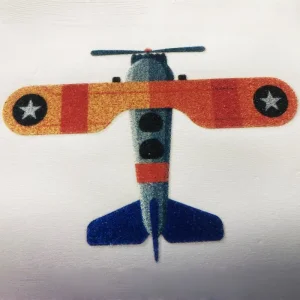
Explore our state-of-the-art 3D dimensional thermal transfers engineered for durability, flexibility, and absolute color accuracy on technical and premium sportswear.
In the contemporary global apparel and luxury accessory landscape, the physical surface has become the primary site for brand communication. Traditional flat-screen prints and conventional embroidery are increasingly giving way to dimensional embellishments that leverage sensory engagement. 3D Foam Patches and high-density thermal transfers represent the cutting edge of this development, combining micro-cellular structural engineering with durable, stretch-resistant thermoplastic backings.
As leading China-based manufacturers, we observe that today's enterprise buyers seek more than just visual appeal. The criteria have shifted toward tactile depth ("haptic branding"), high-performance adhesion under mechanical stress, and strict environmental compliance. Modern 3D foam elements are developed using micro-injected polyurethanes (PU) and silicone matrices that retain their shape and elastic memory through multiple wash cycles. This makes them ideal for technical sportswear, high-stress workwear, and outdoor gear.
From a logistics perspective, global exporters must address complex regulatory frameworks. The transition away from phthalate-heavy materials and standard PVC formulations has led to advanced TPU and PES hot-melt systems. Our technical engineering team works strictly within the guidelines of the Oeko-Tex Standard 100 Class I, ensuring that even sensitive skin applications, such as inner neck size labels and performance baby wear, are free of harmful substances.
Utilizes custom gas-infused polyurethane compounds that yield clean, sharp geometric edges under thermal pressure without losing density or shape memory.
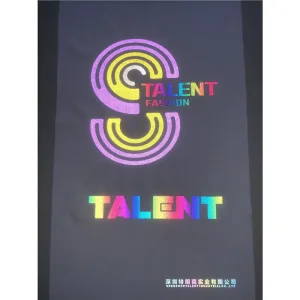
Integrates photochromic and thermochromic pigmentation that reacts to environmental changes, ideal for security indicators and smart apparel.
Features built-in charcoal and composite polymer barrier layers that intercept dispersing dyestuffs from sublimated polyester yarns.
Understanding the engineering behind our 3D foam and silicone transfers. We detail the physical characteristics that guarantee durability, washability, and long-term elasticity.
Developing three-dimensional heat transfer patches requires careful chemical balancing. Unlike standard decals, 3D foam patches need both structural integrity to maintain their raised profiles and high flexibility to move with elastomeric fabrics. We achieve this balance through co-polymer formulation. The core profile uses a heat-expanded thermoplastic polyurethane (TPU) matrix or a vulcanized silicone compound. Underneath, a multi-layer adhesive film is customized for the target substrate—whether it is DWR-treated nylon, high-stretch spandex, or heavy-weight French terry cotton.
| Performance Characteristic | Technical Standard / Metric | Industrial Advantage |
|---|---|---|
| Wash Durability | Tested for up to 50 cycles at 60°C (ISO 105-C06) | Resists cracking, peeling, and edge lifting on heavy-use sportswear. |
| Elastomeric Tensile Recovery | Up to 250% elongation with >95% memory recovery | Prevents cracking on compression sportswear and active ribbing. |
| Dye Migration Block | Carbon-composite internal barrier layer | Protects white and light-colored graphics from polyester dye migration. |
| Eco-Safety Compliance | Oeko-Tex Standard 100 Class I (Infant Certified) | Free from PVC, phthalates, and formaldehyde; safe for direct skin contact. |
| Application Temp. Range | 140°C – 160°C at 3.0–4.0 bar pressure (12–15 seconds) | Optimized for high-yield automated thermal application presses. |
Modern outdoor apparel frequently features Durable Water Repellent (DWR) coatings. Standard hot-melt adhesives struggle to bond with these low-surface-energy finishes. For technical jackets and waterproof shells, SZ Talent uses custom-formulated cross-linking adhesives. These compounds chemically cross-link with polyester fibers during application, providing a secure, long-lasting bond.
SZ Talent: A decadal legacy of pioneering research, automated production, and reliable global supply chain logistics.
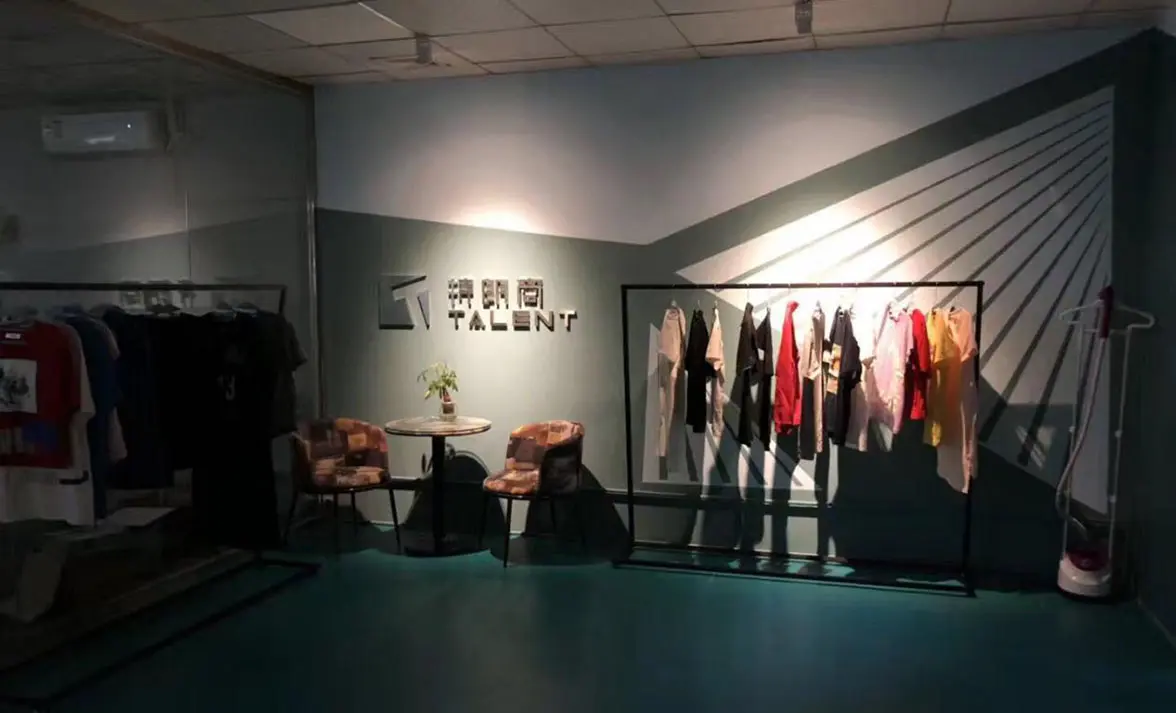
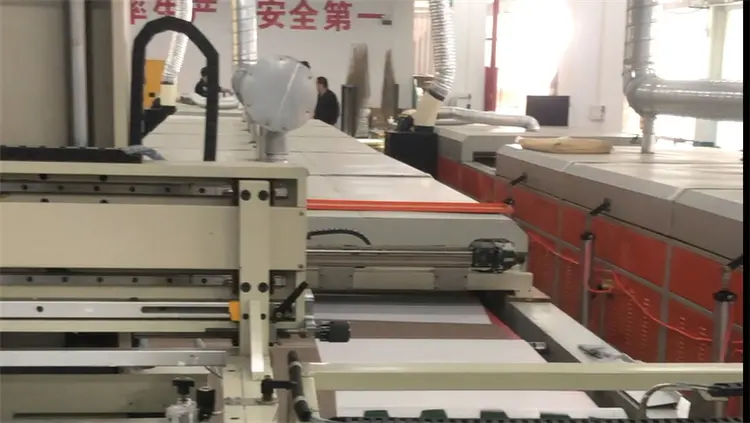
SZ Talent is a leading company with more than ten years of experience specializing in all kinds of heat transfer labels. Our comprehensive approach combines innovation, research and development, production, sales, processes and service. We are proud of our industrial automated production lines, dedicated team of technical experts and strong management system. Our focus remains on developing innovative, environmentally friendly, functional, and fashionable heat transfer products.
We adhere to the core values of quality-oriented, integrity-based, mutual benefit, promoting innovation and ensuring long-term development. Our efforts are always focused on meeting the needs of our customers. Our commitment to excellence makes us a trusted partner for businesses looking for high-quality thermal transfer labels.
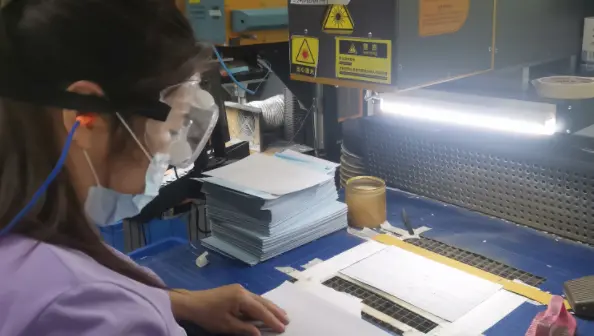
Our team is comprised of experienced professionals who are passionate about delivering exceptional service. We have a talented workforce dedicated to driving the company's growth and success. Our team members are committed to maintaining the highest quality and service standards, ensuring our customers receive the best solutions.
Over the years, we have experienced significant growth and expansion due to our unwavering commitment to excellence. We continuously invest in advanced technologies and processes to increase our production capabilities and meet our customers' growing needs. Our continued growth is a testament to our commitment to providing exceptional products and services.
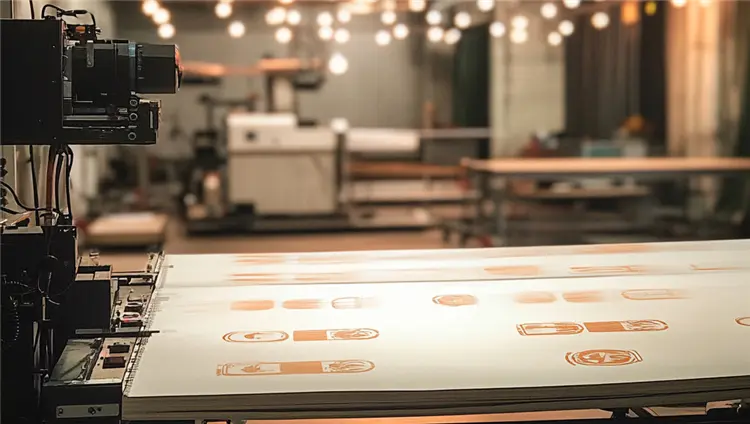
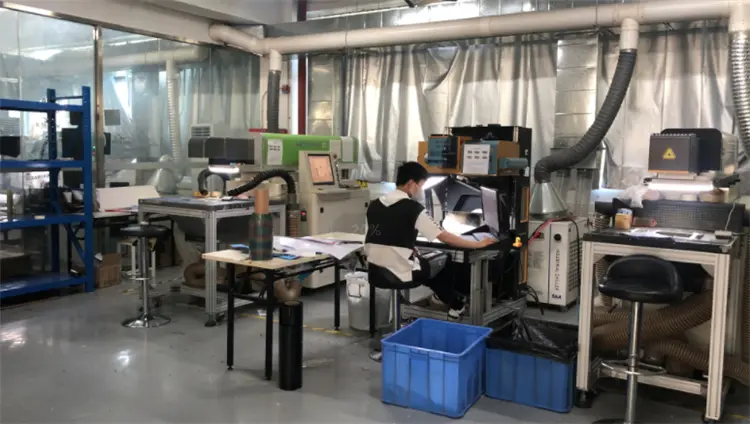
Our state-of-the-art facilities are equipped with the latest technology to ensure efficient production and high-quality output. We have made significant investments in infrastructure to create an enabling environment for innovation, research and development. Our facilities are designed to meet the highest industry standards and meet the diverse needs of our customers.
Years Experience
Exporting Nations
Oeko-Tex Certified
Monthly Output
Addressing technical concerns, material compatibility, and application parameters for quality assurance and purchasing managers.
Silicone transfers are made using liquid silicone rubber, providing a soft rubber feel, high stretch recovery, and excellent temperature resistance. 3D foam transfers use micro-expanded polyurethane (PU), which allows for sharp, well-defined vertical edges and lightweight volume, making them ideal for high-density branding without adding weight to lightweight fabrics.
We use an internal active carbon-composite barrier layer. Sublimated polyester fabrics tend to release disperse dyes at application temperatures (140°C–160°C). This barrier layer blocks these dyes, keeping white and light-colored graphics bright and clear over time.
While settings depend on the fabric blend, our standard recommendation is a temperature of 145°C to 155°C, a dwell time of 12 to 15 seconds, and a medium-to-high pressure of 3.5 to 4.0 bar. We recommend peeling the carrier film cold for clean, sharp edges.
Our raw polyurethane resins, pigments, and hot-melt adhesives undergo regular testing. They are certified free of lead, phthalates, formaldehyde, and organotin compounds, meeting Oeko-Tex Standard 100 Class I guidelines for infant products.
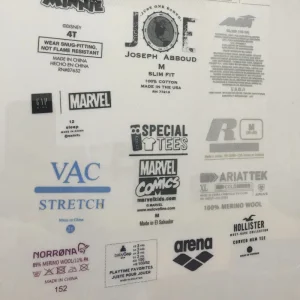
Discover our custom heat-transfer solutions, including multi-color shifts, holographic labels, and comfortable seamless neck sizing components.
 TALENT Industrial