Explore our industrial-grade, certified heat transfers featuring multi-layered optical technology engineered for activewear, tactical gear, and luxury fashion.
Analyzing advanced optical structures, material sciences, and performance thresholds in modern retroreflective heat transfers.
In the highly competitive sectors of sports performance, industrial protective wear, and technical luxury fashion, branding has transitioned from static labels to critical performance assets. Modern Special Effect Reflective Branding serves a dual mandate: it enforces robust brand identity during daylight conditions and acts as a life-saving high-visibility marker in low-light environments. As safety codes and visual marketing methodologies overlap, manufacturers have integrated complex optical designs directly into the elastomeric chemistry of heat transfers.
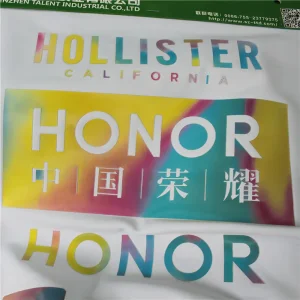
The mechanics of basic reflective fabrics rely on microscopic glass beads embedded in a polyurethane binder. However, high-tier applications demand Special Effect Reflective Technology. This comprises structural innovations such as Color-Shift Reflective Transfers (chameleon-style color transitions determined by the viewer’s angle of incidence), 3D Embossed Reflective Silicone Patches, and Holographic Laser-Cut films. By arranging microprisms or vacuum-sputtering refractive coatings onto highly elastic carriers, contemporary factories can achieve a high retroreflective index ($R_A > 400 \, \text{cd/lx/m}^2$) while preserving standard fabric elongation profiles.
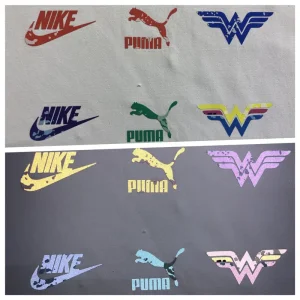
Utilizes precision-graded high-refractive-index glass beads (Refractive Index $n \approx 1.90 - 2.20$) bonded to resilient metallic reflector layers, optimizing wide-angle retroreflection on flexible fabric matrices.
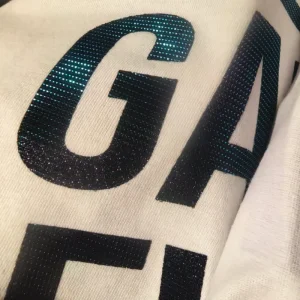
Engineered via thin-film interference filters. Micro-layered polymer materials separate incident light into discrete spectral wavelengths, generating dynamic visual shifting during motion.
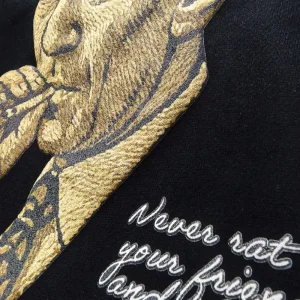
Combines multi-layer liquid silicone extrusion with high-intensity reflective films, establishing high shear resistance, tactile depth, and structural recovery.
For procurement officers and technical designers, implementing these materials requires a careful balance of chemical adhesion and optical performance. Overheating during the application phase can lead to microscopic cratering of the retroreflective surface, drastically degrading the retroreflection coefficient. Conversely, insufficient temperature curves yield poor polymer cross-linking, which reduces washing cycles. Our R&D teams consistently test these performance metrics on stretchable synthetics (polyester/elastane blends), DWR (durable water repellent) finishes, and coarse-woven nylons.
Global procurement metrics are no longer limited to simple per-unit costs. To qualify for Tier-1 supply chains, custom reflective branding components must satisfy stringent performance benchmarks.
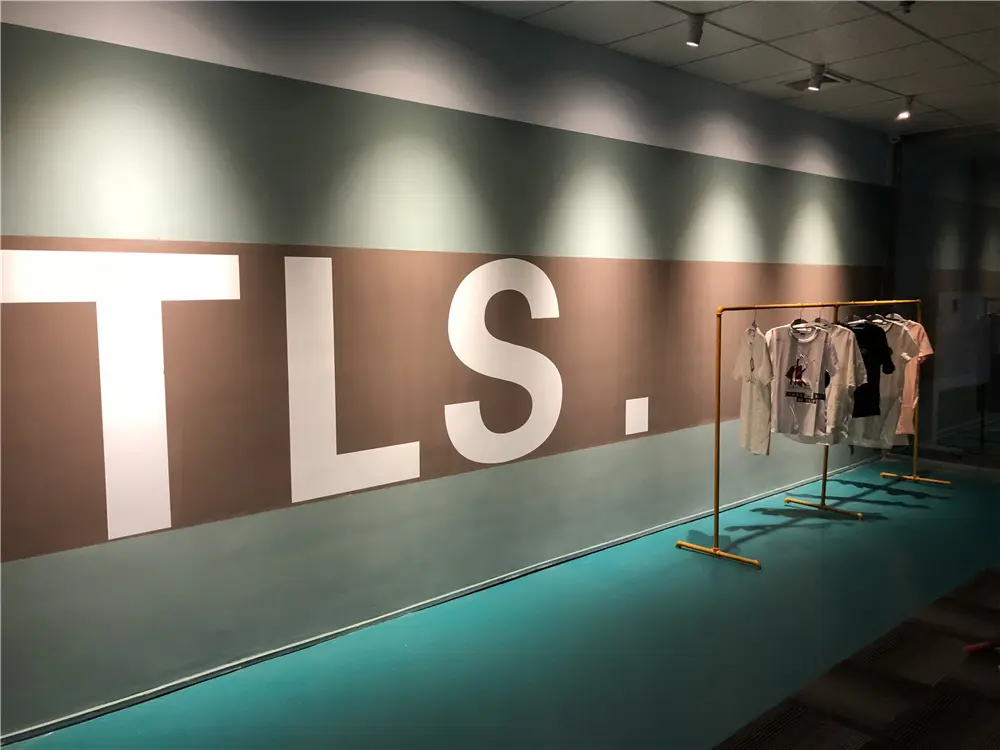
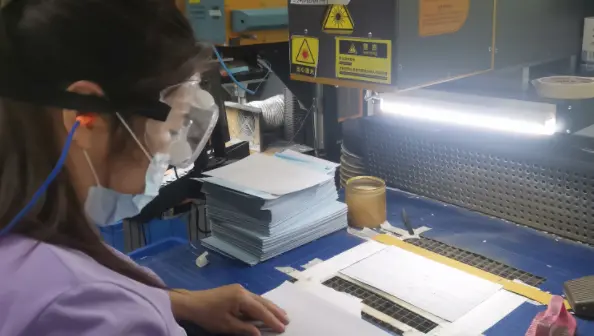
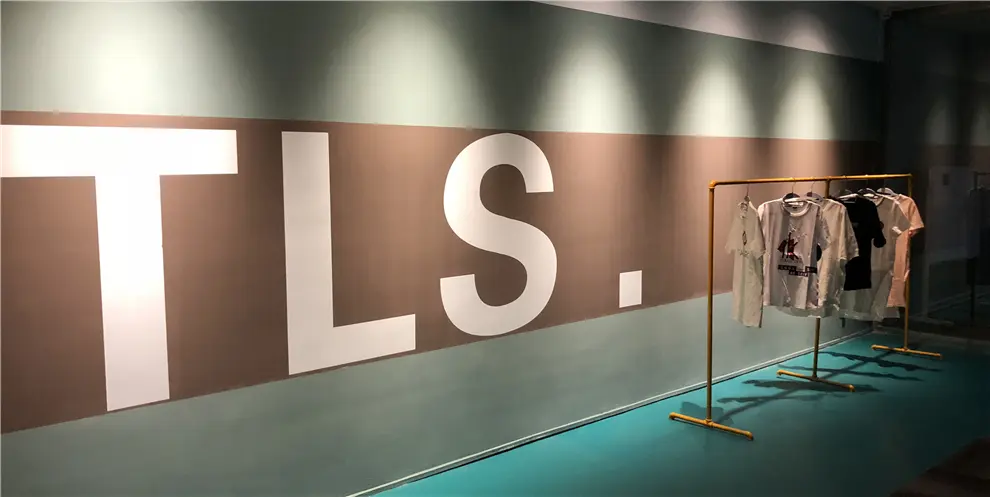
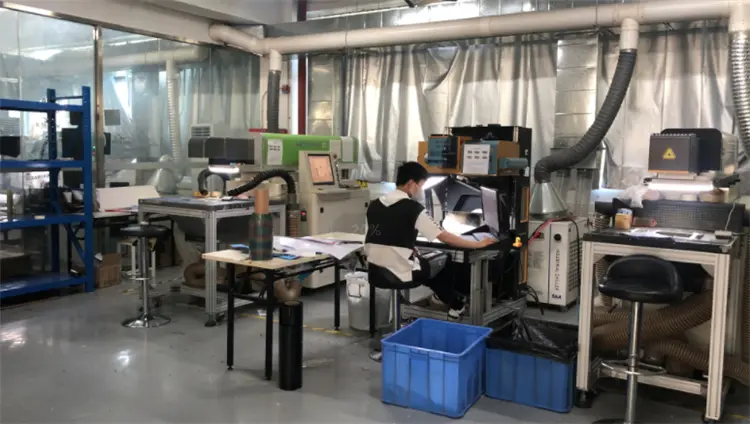
SZ Talent production facilities combine precision manufacturing with automated optical inspection systems.
Proven production capability, automated quality assurance, and technical support frameworks built over a decade of operational excellence.
How the integration of advanced MES systems, automated optical inspection, and digital supply chains guarantees quality and speed.
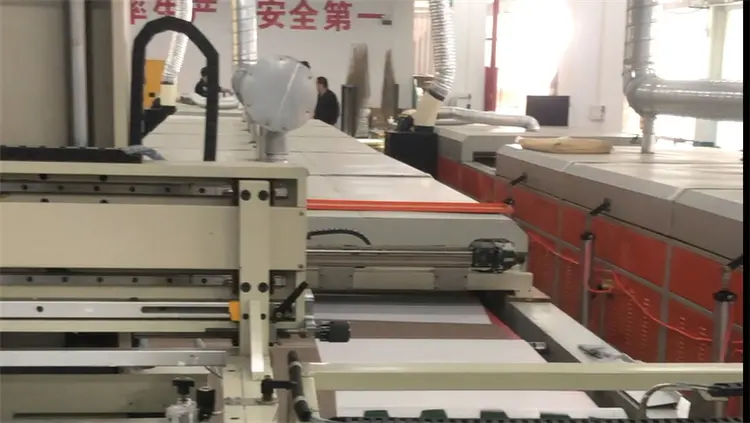
The manufacturing ecosystem for heat transfers is transitioning from labor-intensive screen printing to automated, digitalized production processes. China Factory 4.0 represents this shift by embedding smart manufacturing tools directly into the production floor. By utilizing computerized screen-printing lines, automatic roll-to-roll slitting, and intelligent visual inspection platforms, our factory ensures consistent production runs. This is critical for global brands where color deviations ($\Delta E < 1.0$) and placement errors must be minimized.
This automated supply chain offers distinct advantages in cost efficiency and supply chain resilience. Traditional manufacturing often suffers from quality variations between batches due to inconsistencies in manual adhesive application. Our automated hot-melt adhesive powder applicator ensures uniform adhesive coating weights ($25 \pm 2 \, \text{g/m}^2$). This level of precision prevents adhesive overflow during heat application, protecting the clean visual profile of your logo. Additionally, our digital supply chain enables raw-material traceability, giving brands documentation of compliance down to the chemical inputs.
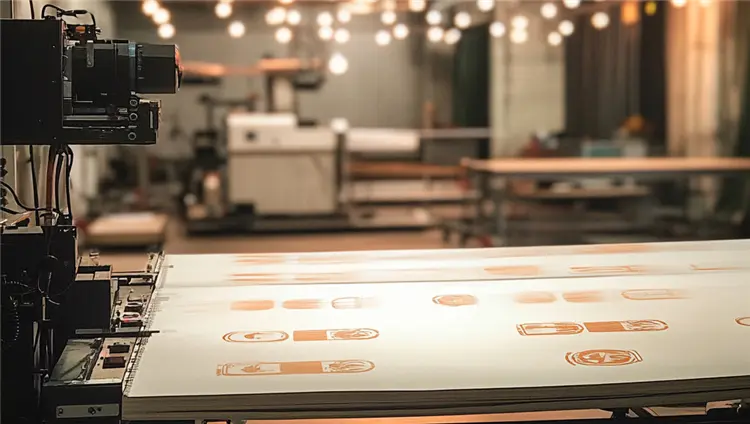
Our facility houses automated printing lines that combine precise color application with inline tunnel curing. This infrastructure eliminates environmental moisture variables, ensuring consistent physical adhesion and washing durability across high-volume production runs.
We rely on water-based, Eco-Polyurethane adhesive systems to eliminate hazardous organic solvents. Our production practices comply with global eco-inspections, protecting factory workers and end consumers alike.
Furthermore, localizing production in key manufacturing hubs optimizes the supply chain against logistics bottlenecks. Automated raw material inventory management dynamically tracks key input chemicals (copolyester and copolyamide granules, pigments, and functional glass spheres) to prevent production delays. By maintaining robust raw material safety stock levels, we insulate global OEMs from sudden market fluctuations.
SZ Talent is a well-known name in the industry, known for its commitment to quality, innovation, and customer satisfaction. We attach great importance to research and development and continuously introduce cutting-edge products that meet the changing needs of the market. Our commitment to excellence makes us a trusted partner for businesses looking for high-quality thermal transfer labels.
SZ Talent is a leading company with more than ten years of experience specializing in all kinds of heat transfer labels. Our comprehensive approach combines innovation, research and development, production, sales, processes, and service. We are proud of our industrial automated production lines, dedicated team of technical experts, and strong management system. Our focus remains on developing innovative, environmentally friendly, functional, and fashionable heat transfer products. We adhere to the core values of quality-oriented, integrity-based, mutual benefit, promoting innovation, and ensuring long-term development. Our efforts are always focused on meeting the needs of our customers.
Our team is comprised of experienced professionals who are passionate about delivering exceptional service. We have a talented workforce dedicated to driving the company's growth and success. Our team members are committed to maintaining the highest quality and service standards, ensuring our customers receive the best solutions.
Over the years, we have experienced significant growth and expansion due to our unwavering commitment to excellence. We continuously invest in advanced technologies and processes to increase our production capabilities and meet our customers' growing needs. Our continued growth is a testament to our commitment to providing exceptional products and services.
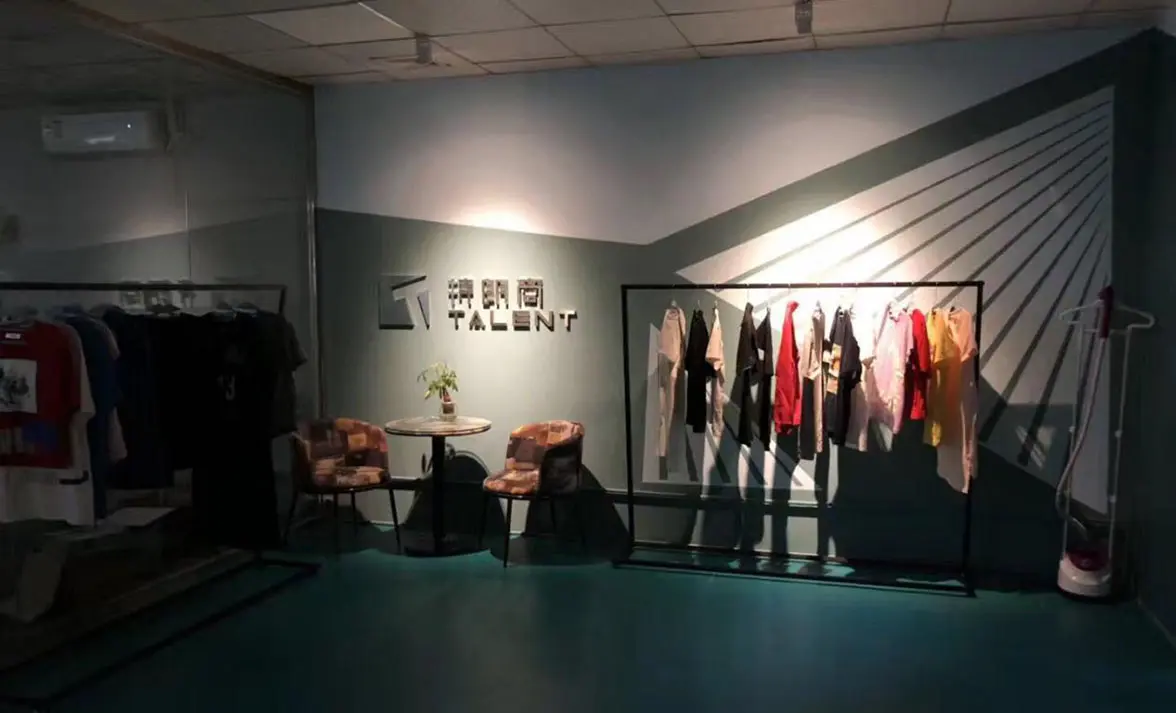
Our state-of-the-art facilities are equipped with the latest technology to ensure efficient production and high-quality output. We have made significant investments in infrastructure to create an enabling environment for innovation, research and development. Our facilities are designed to meet the highest industry standards and meet the diverse needs of our customers.
How specific textile formulations and environmental parameters impact performance outcomes in key industries.
High-elongation fabrics like Lycra, Spandex, and high-stretch nylon present a continuous mechanical stress challenge for heat transfers. Standard decorative transfers tend to crack when stretched. To resolve this, our laboratory developed highly flexible aliphatic polyurethane (PU) formulations with a high recovery rate (>98% elastic recovery at 200% strain). This reflective elastomer structure stretches and recovers alongside the fabric, eliminating structural cracks and edge peeling.
Modern outdoor gear relies on siliconized or fluorocarbon-free hydrophobic coatings (DWR) to repel water. These coatings also repel standard hot-melt adhesives. We address this challenge using specialized polyolefin adhesives. These adhesive resins melt and form a mechanical bond within the fabric weave, anchoring the transfer even on heavily hydrophobic surfaces.
During heat application, disperse dyes in polyester textiles can vaporize and migrate into the lighter colors of the heat transfer. This defect, known as dye migration, ruins white and light-colored reflective branding. Our specialized line features a highly dense black active barrier layer. This barrier absorbs migrating dye molecules during heating, keeping your branding clean and color-accurate.
A reference price matrix for global sourcing managers. Pricing depends on chemical structure, film type, order volume, and layout dimensions.
To assist in product cost projection, we outline our pricing structure below. Standard price determinations depend on material complexity, unit surface area, color configuration, and total production volume. Tooling and setup costs are amortized over larger runs, reducing unit costs for high-volume programs.
| Branding Transfer Type | Core Substrate & Thickness | Retroreflection Index ($R_A$) | Washing Threshold (ISO 6330) | Standard Unit Price (USD/pc)* |
|---|---|---|---|---|
| Standard Reflective Heat Transfer | PU Base / Glass Bead Film (120μm) | >380 cd/lx/m² | 50 Cycles @ 60°C | $0.08 - $0.25 |
| Color-Shift (Chameleon) Reflective | Interference Optical Layer (150μm) | >250 cd/lx/m² | 30 Cycles @ 40°C | $0.15 - $0.45 |
| 3D Holographic Silicone Patch | Liquid Silicone + Optical Foil (0.8-1.5mm) | >150 cd/lx/m² | 50 Cycles @ 40°C | $0.35 - $0.95 |
| Anti-Migration Heavy Duty Transfer | Carbon Active Barrier / TPU Base (180μm) | >350 cd/lx/m² | 50 Cycles @ 60°C | $0.12 - $0.35 |
| Ultrathin High-Stretch Neck Labels | Water-based Polyurethane Film (80μm) | N/A (Matte/Glossy) | 50 Cycles @ 60°C | $0.03 - $0.10 |
*Note: Pricing scales with order size. Minimum Order Quantity (MOQ) ranges from 1,000 to 5,000 pieces depending on customization requirements. Setup fees range from $30 to $100 depending on color separations.
Answers to common questions from sourcing directors and apparel engineers regarding design, performance, and international shipping.
Explore our range of specialty textured finishes, holographic effects, and industrial-grade adhesive backings.
 TALENT Industrial