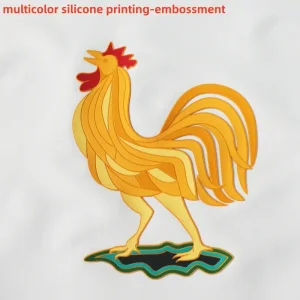
Direct from advanced automation lines, optimized for local atmospheric performance, high-speed heat presses, and diverse textile substrates across East Africa.


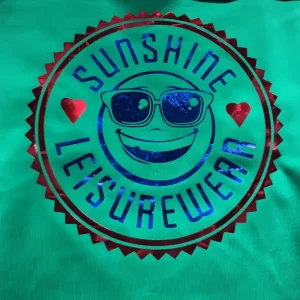
Kenya is rapidly positioning itself as the leading textile and garment manufacturing hub in East Africa, driven by active Export Processing Zones (EPZs) in Athi River and Mombasa, as well as bilateral trade agreements such as AGOA (African Growth and Opportunity Act). While high-volume basic apparel production remains a foundational pillar, the local market is experiencing a profound structural shift toward high-value, functional, and interactive garments. Leading sportswear, activewear, and promotional branding agencies across Nairobi, Nakuru, and Kisumu are actively seeking technological innovations to secure a competitive edge.
This is where thermochromic (heat-reactive) heat transfer technologies are redefining retail boundaries. By allowing fabric graphics to dynamically shift colors in response to fluctuating ambient conditions or direct physical contact, local fashion brands can introduce unprecedented "information gain" and user engagement to their apparel lines. In a market where consumer preferences are increasingly aligned with global digital trends, thermochromic elements offer a physical-digital bridge that commands premium price points.
Technical Outlook: The unique equatorial climate of Kenya—characterized by substantial diurnal temperature swings in cities like Nairobi—makes thermochromic apparel highly interactive. As temperatures transition between crisp mornings (15°C) and warm afternoons (28°C), thermochromic graphics seamlessly change states, making them highly effective for functional lifestyle wear, security apparel, and interactive streetwear.
For international supply chain managers and local production factories alike, finding reliable sourcing partners for thermochromic transfers means identifying manufacturers capable of delivering high chemical stability, precise color transition thresholds, and robust elasticity. SZ Talent supports this transition by offering specialized heat transfers custom-engineered to withstand the specific washing, exposure, and processing conditions prevalent in the East African market.
Global apparel brands operating manufacturing units in Kenya require high consistency across multi-country production facilities. When sourcing thermochromic transfers, the primary challenge is matching chemical performance with operational speed. SZ Talent addresses this by utilizing advanced microencapsulation technology. This prevents the liquid crystal or leuco dye pigments from migrating into adjacent fabric fibers—a critical issue when dealing with synthetic polyester and poly-blend fabrics common in Kenyan activewear manufacturing.
To support large-scale procurement decisions, we have compiled the industry standard performance indicators that B2B sourcing agents rely on when evaluating thermochromic heat transfer factories:
Furthermore, because the Kenyan market operates under specific environmental profiles, we calibrate the activation temperatures of our thermochromic inks specifically to the intended use case. For example, body-heat activation is calibrated to trigger at 31°C, ensuring the graphic remains in its base color state during ambient conditions but transitions cleanly upon direct touch or physical exertion. In contrast, environmental heat activation for outdoor apparel can be calibrated to 25°C or 28°C to reflect outdoor weather transitions.
Engineered for high-volume manufacturing lines requiring specialized technical performance and color-fastness.
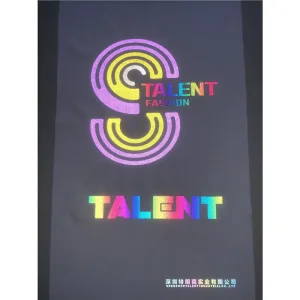
The molecular engineering behind thermochromic inks dictates their longevity on the garment. Thermochromic heat transfers primarily utilize organic leuco dyes encapsulated in microscopic polyurea or melamine-formaldehyde shells. These microcapsules contain a ternary system: the precursor color dye, a color developer (weak organic acid), and a solvent (fatty acid ester or alcohol) that acts as the temperature-dependent phase-change medium.
When the ambient temperature is below the melting point of the solvent, the developer and dye exist in contact, creating the colored state. As the melting point is reached, the solvent melts, separating the developer from the dye and causing the graphics to become translucent or change to a secondary, pre-tinted color. This mechanical action must occur millions of times without polymer breakdown. SZ Talent resolves this challenge by utilizing multi-layered barrier chemistry, preventing plasticizer migration from the garment polyester from neutralizing the reactive chemicals.
To ensure flawless application within Kenyan production lines, the following parameters must be strictly controlled during the heat press phase:
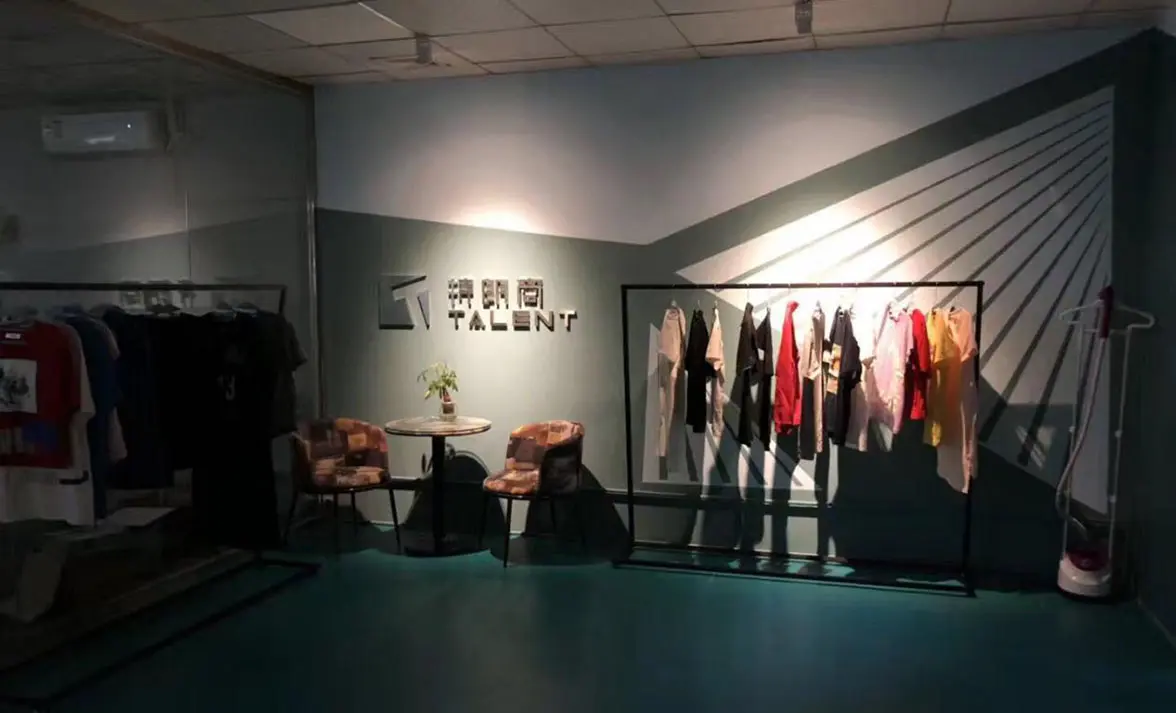
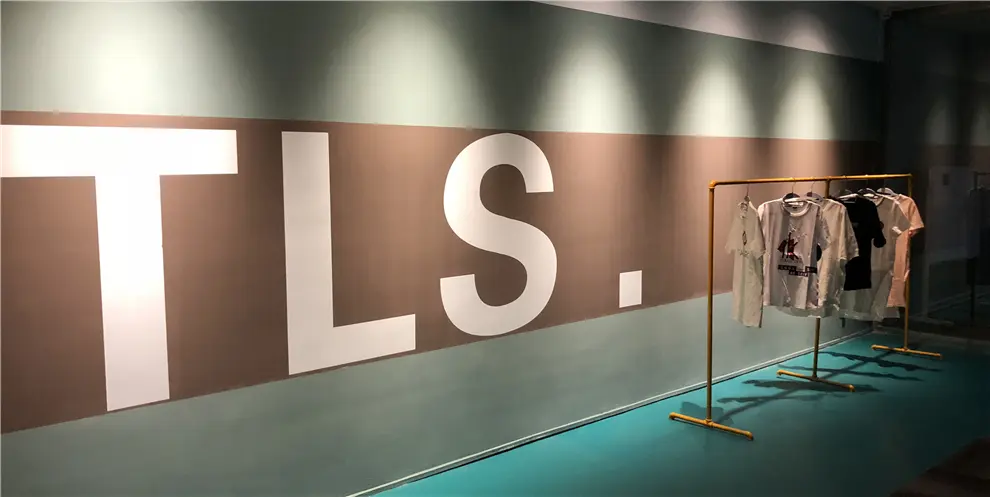
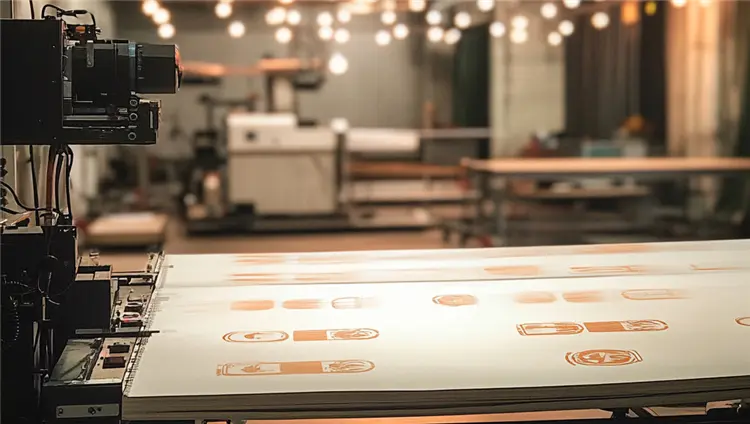
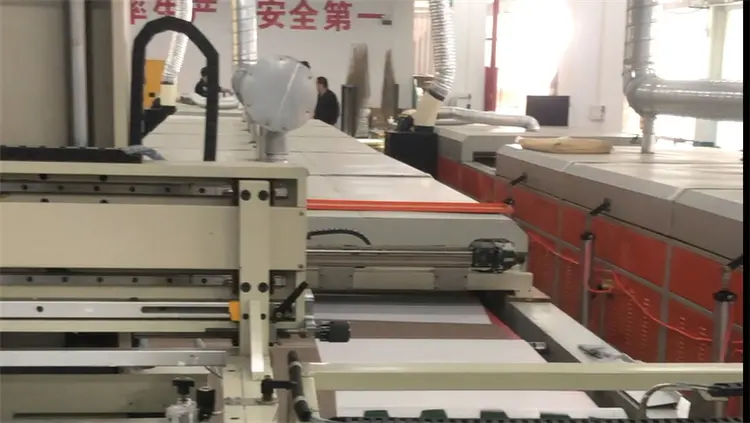
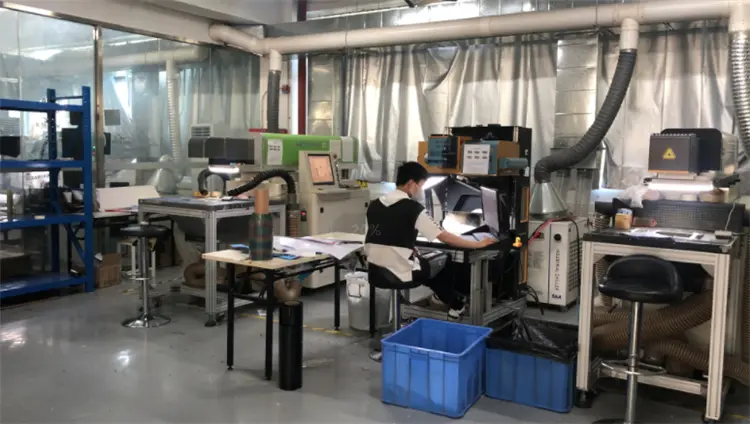
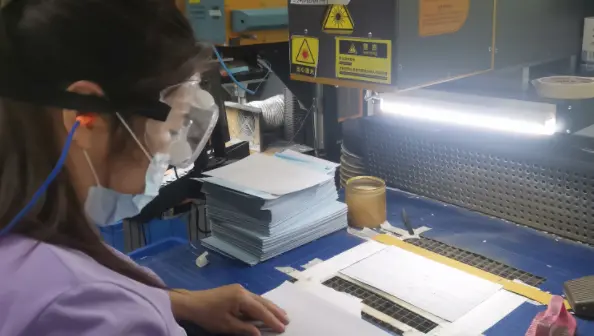
SZ Talent's global footprint, combining advanced automation, rigorous research & development, and international compliance.

SZ Talent is a leading company with more than ten years of experience specializing in all kinds of heat transfer labels. Our comprehensive approach combines innovation, research and development, production, sales, processes and service. We are proud of our industrial automated production lines, dedicated team of technical experts and strong management system. Our focus remains on developing innovative, environmentally friendly, functional, and fashionable heat transfer products.
We adhere to the core values of quality-oriented, integrity-based, mutual benefit, promoting innovation and ensuring long-term development. Our efforts are always focused on meeting the needs of our customers.
As a well-known name in the industry, SZ Talent is known for its commitment to quality, innovation and customer satisfaction. We attach great importance to research and development and continuously introduce cutting-edge products that meet the changing needs of the market. Our commitment to excellence makes us a trusted partner for businesses looking for high-quality thermal transfer labels.
Our team is comprised of experienced professionals who are passionate about delivering exceptional service. We have a talented workforce dedicated to driving the company's growth and success. Our team members are committed to maintaining the highest quality and service standards, ensuring our customers receive the best solutions.
Sourcing materials internationally for importation into Kenya requires a deep understanding of local compliance frameworks. The Kenya Bureau of Standards (KEBS) mandates strict adherence to chemical composition guidelines through Pre-Export Verification of Conformity (PVoC) programs. This is particularly crucial for garments destined for direct skin contact or children’s wear.
All thermochromic, luminous, and specialty heat transfers exported by SZ Talent comply with international chemical standards, including REACH, RoHS, and OEKO-TEX® Standard 100. Our formulations are free from heavy metals, formaldehyde, and restricted phthalates. We provide comprehensive documentation packets (including Certificate of Conformity, MSDS sheets, and test reports) to facilitate swift customs clearance at the Port of Mombasa and the Inland Container Depots in Nairobi and Naivasha.
Logistical Advantages: Utilizing direct sea freight from Shenzhen to Mombasa reduces transit times to approximately 21–25 days, while air freight options to Jomo Kenyatta International Airport (JKIA) deliver within 5–7 days for urgent, time-sensitive product launches.
Explore our full range of specialty industrial-grade apparel transfers. Select a product below to request pricing details tailored for the Kenyan market.



Direct technical answers addressing the core concerns of B2B production heads, logistics managers, and apparel designers.
 TALENT Industrial