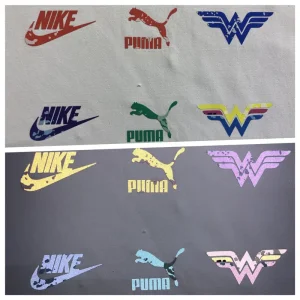
Engineered for instant color-change transitions under precision temperatures, optimized for Malaysia's high-humidity tropical climates.
A comprehensive analysis of smart dye technology, climate-calibrated formulations, and comparative supply chain structures.
Kuala Lumpur, the core economic engine of Malaysia and the wider Klang Valley, is undergoing a profound industrial transition. Historically known as a regional center for standard textile and screen printing operations (concentrated in Cheras, Kepong, and neighboring Selangor industrial corridors), the city is pivoting toward high-value smart textiles and interactive functional apparel.
With the rise of homegrown lifestyle brands and global activewear outsourcing, the demand for thermochromic (heat-reactive) heat transfer films has spiked. Traditional prints are no longer sufficient to capture consumer attention. Brands in KL now deploy heat-reactive graphics to engage buyers on retail shelves. The challenge, however, lies in Malaysia’s tropical temperature threshold.
Standard thermochromic transfers activate around 31°C (88°F). In Kuala Lumpur, where average outdoor temperatures regularly exceed 32°C, a standard thermal patch remains permanently activated. Our R&D division has formulated custom climate-adjusted pigment profiles (specifically tuned to 35°C and 37°C activation thresholds) to ensure the color-changing effect occurs dynamic when touched by hand or during active metabolic perspiration, rather than staying static due to ambient environmental heat.
For procurement managers evaluating manufacturers, understanding the science behind the thermal reaction is vital. Heat-reactive prints utilize two main methodologies:
SZ Talent uses advanced organic microencapsulation techniques that shield the delicate leuco dyes from oxidative damage during heat-press applications, achieving long-term color transition stability.
High-durability trim solutions engineered to combine branding with performance-grade adhesion for industrial-scale apparel applications.
A leading international designer, R&D pioneer, and industrial-scale manufacturer of functional heat transfers.
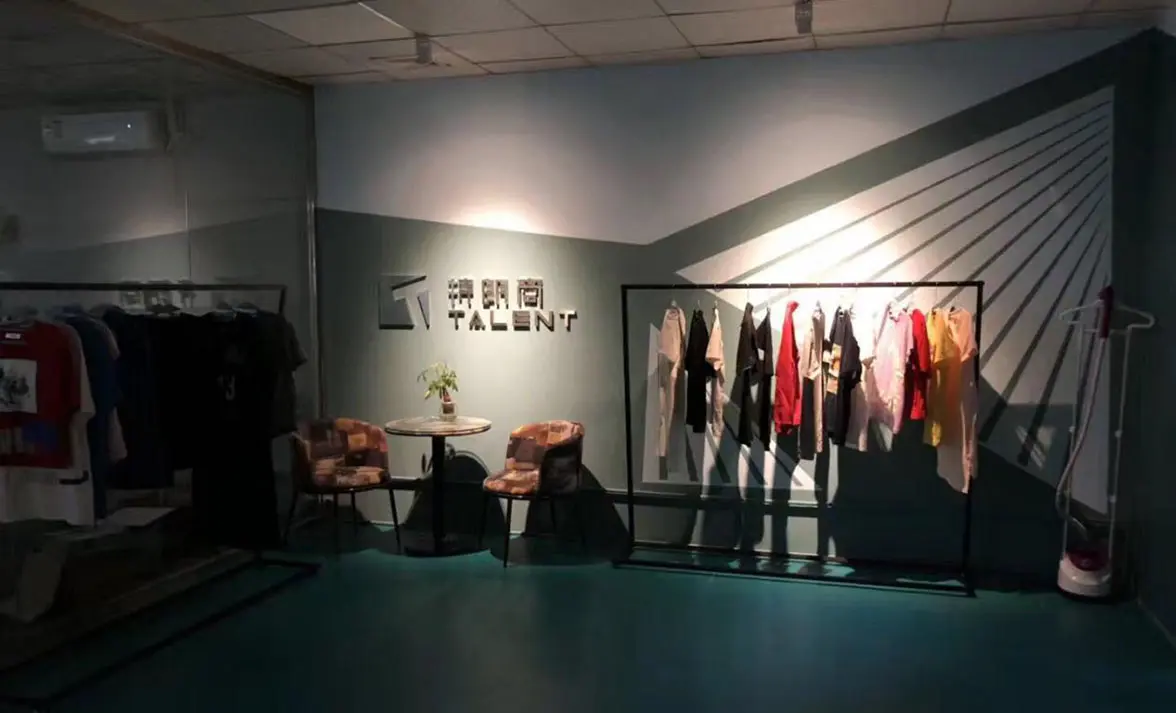
SZ Talent is a leading company with more than ten years of experience specializing in all kinds of heat transfer labels. Our comprehensive approach combines innovation, research and development, production, sales, processes and service. We are proud of our industrial automated production lines, dedicated team of technical experts and strong management system. Our focus remains on developing innovative, environmentally friendly, functional, and fashionable heat transfer products.
We adhere to the core values of quality-oriented, integrity-based, mutual benefit, promoting innovation and ensuring long-term development. Our efforts are always focused on meeting the needs of our customers.
SZ Talent is a well-known name in the industry, known for its commitment to quality, innovation and customer satisfaction. We attach great importance to research and development and continuously introduce cutting-edge products that meet the changing needs of the market. Our commitment to excellence makes us a trusted partner for businesses looking for high-quality thermal transfer labels.
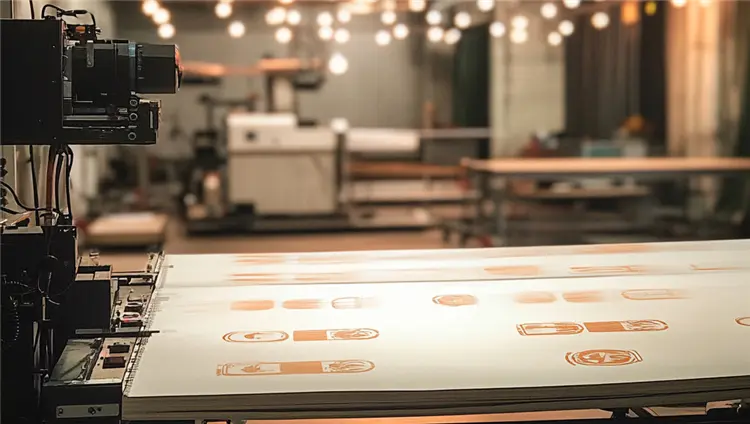
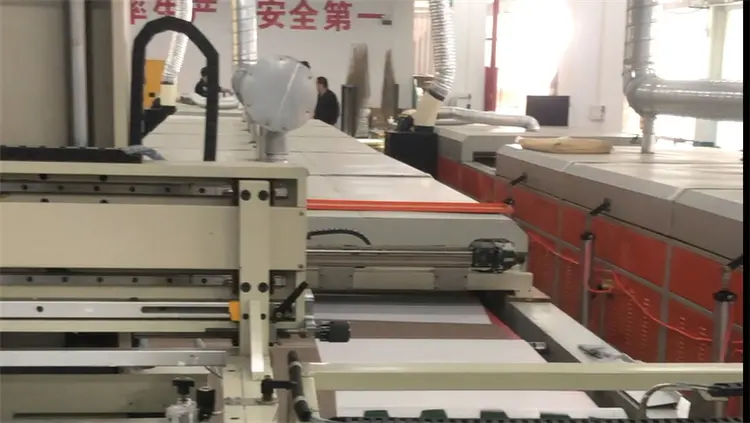
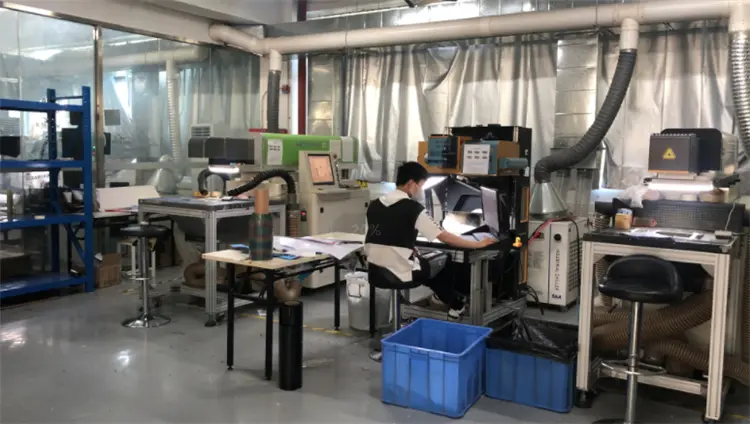
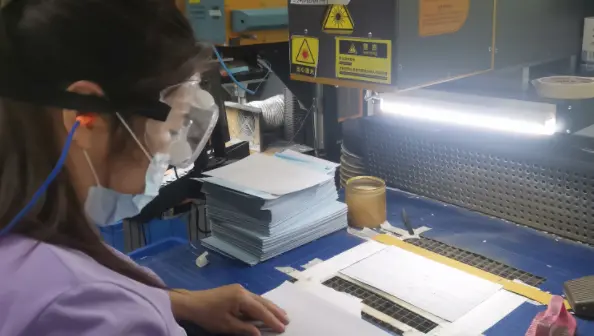
Why modern apparel corporations in Klang Valley choose direct-from-factory pipelines for smart thermal applications.
Local printing plants in Kuala Lumpur often operate semi-automated flatbed screen printers. While perfect for small boutique runs, they struggle with consistency when applying thermochromic microcapsules. The ink density must be micro-calibrated: too thin, and the color change is invisible; too thick, and the heat transfer crumbles after a few wash cycles.
SZ Talent’s China factory deploys fully automated roll-to-roll screen production and micro-controlled hot melt powder application tunnels. This guarantees consistency across runs of 100,000+ sheets, a capability currently unavailable in local KL boutique factories.
Major global apparel exporters situated in Malaysia (exporting to EU, Japan, or North America) must satisfy stringent chemical standards. The pigments used in smart inks must be free from harmful formaldehydes and heavy metals.
Our China manufacturing center ensures full compliance with OEKO-TEX Standard 100 and REACH regulations. We provide verified chemical safety data sheets (MSDS) that bypass customs verification seamlessly, reducing compliance risks for KL exporters.
Through integrated maritime routes connecting Shenzhen and Port Klang (typically taking 7 to 10 days for sea freight, or 2 to 3 days via air express to KLIA), our factory operates as a virtual neighbor to Kuala Lumpur manufacturers. The pricing advantage of direct manufacturing remains high even after accounting for transport costs.
Premium multi-technique, glow-in-the-dark, and high-performance branding solutions for global apparel manufacturers.
A strategic overview of emerging applications in safety wear, sports monitoring, and high-fashion branding.
1. Activewear & Sweat Activation: Fitness and running apparel brands catering to local runners at Bukit Kiara or Lake Gardens utilize thermochromic panels. The print changes from solid black to custom neon branding as core body temperatures rise during exercise, functioning as a metabolic thermal display.
2. High-Tech Event Apparel: Tech and gaming conferences held at the Kuala Lumpur Convention Centre (KLCC) increasingly deploy thermochromic merchandise. Attendees interact with prints that shift colors dynamically when touched by hands, driving higher social media engagement.
3. Industrial Safety Gear: For personnel operating in manufacturing plants or outdoor construction sites in the Klang Valley, thermochromic sensors on clothing warn wearers of critical heat stress thresholds, improving workplace safety.
For optimal bonding strength and color-shift durability, garment production lines must calibrate application machinery using the following parameters:
Expert technical answers addressing washability, color pathways, custom activation temps, and bulk shipping to Malaysia.
 TALENT Industrial