High-fidelity, heat-resistant silicone applications optimized for regional supply chains, Nearshoring assembly, and North American textile requirements.
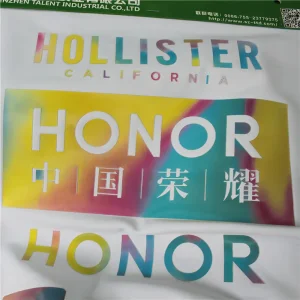

As international manufacturing continues to migrate closer to North American consumption hubs, Mexico has solidified its posture as a manufacturing and logistics powerhouse. Key states including Nuevo León, Baja California, Querétaro, and Coahuila are leading industrial expansions. This structural shift requires access to components and raw materials that comply with international standards of durability, chemical stability, and environmental sustainability.
Silicone-based products—from high-strength heat transfer labels to 3D molded components—represent a key material technology for Mexico's automotive, textile, apparel, and medical manufacturing ecosystems. Unlike standard polymers (such as PVC or PU), silicone offers unmatched thermal resistance, bio-compatibility, soft-touch texture, and flexibility. This makes it an ideal option for demanding environments where traditional materials degrade under heat or chemical exposure.
With the strict framework of the USMCA (T-MEC) and regional standards (such as NOM-004-SCFI-2006 in Mexican apparel), exporters must secure reliable partners capable of providing materials that pass strict safety, chemical migration, and environmental tests.
Aligning high-performance silicone technology with major production hubs across Mexico.
Mexico's automotive industry demands materials that endure extreme temperature variations and mechanical stress. Molded silicone patches and heat transfers are increasingly deployed in vehicle steering wheel components, safety equipment, seat embellishments, and interior engine compartment labels due to their non-combustible and abrasion-resistant properties.
Maquiladora plants in states like Puebla, Estado de México, and Chihuahua manufacture high-performance activewear, sportswear, and safety uniforms for export to the US and Canada. Screen-printed silicone transfers provide the flexibility and elongation required by modern stretch fabrics, ensuring labels remain crack-free over long lifetimes.
Baja California hosts the largest medical device manufacturing cluster in North America. Silicone-based labeling materials are bio-compatible, skin-friendly, and capable of enduring autoclaving and chemical sterilization cycles, rendering them ideal for patient-facing equipment, therapeutic wearables, and surgical garments.
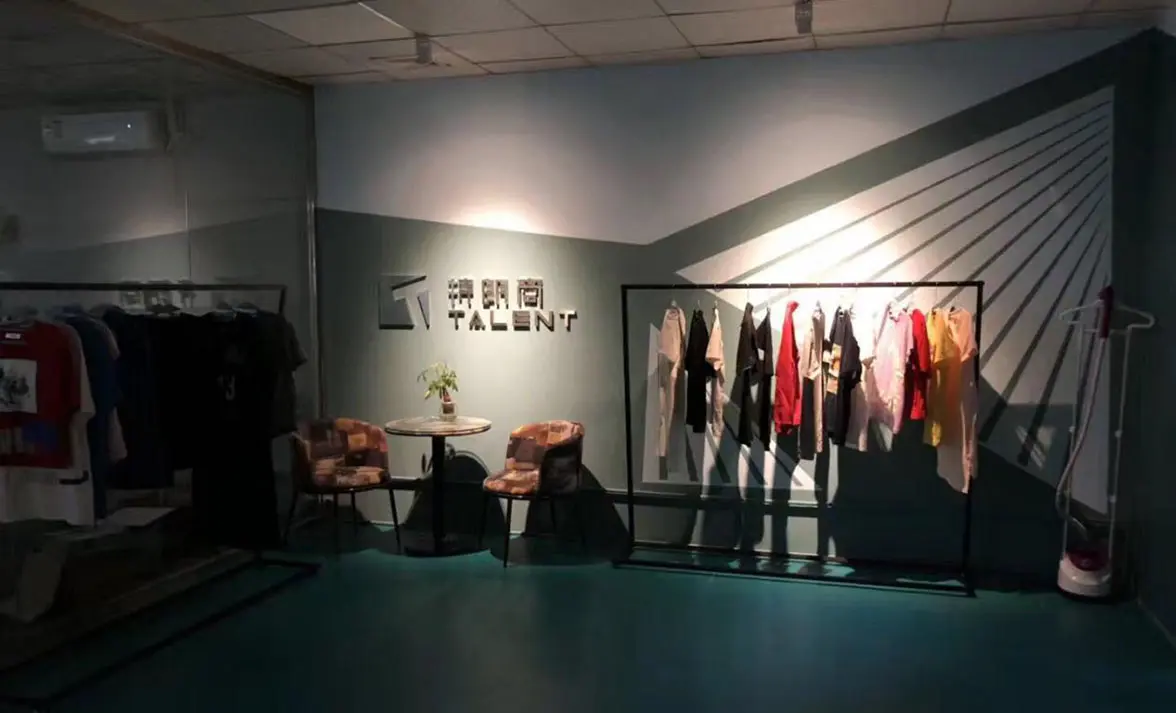
Navigating Mexican customs regulation (Aduanas) requires complete material transparency and verification. As a leading global exporter of technical silicone solutions, our processes are designed to align with crucial trade compliance guidelines:
SZ Talent is a leading company specializing in innovative heat transfer labels and high-performance silicone accessories.
SZ Talent is a well-known name in the industry, known for its commitment to quality, innovation, and customer satisfaction. We attach great importance to research and development and continuously introduce cutting-edge products that meet the changing needs of the market. Our commitment to excellence makes us a trusted partner for businesses looking for high-quality thermal transfer labels.
SZ Talent is a leading company with more than ten years of experience specializing in all kinds of heat transfer labels. Our comprehensive approach combines innovation, research and development, production, sales, processes, and service. We are proud of our industrial automated production lines, dedicated team of technical experts, and strong management system. Our focus remains on developing innovative, environmentally friendly, functional, and fashionable heat transfer products.
We adhere to the core values of quality-oriented, integrity-based, mutual benefit, promoting innovation, and ensuring long-term development. Our efforts are always focused on meeting the needs of our customers.
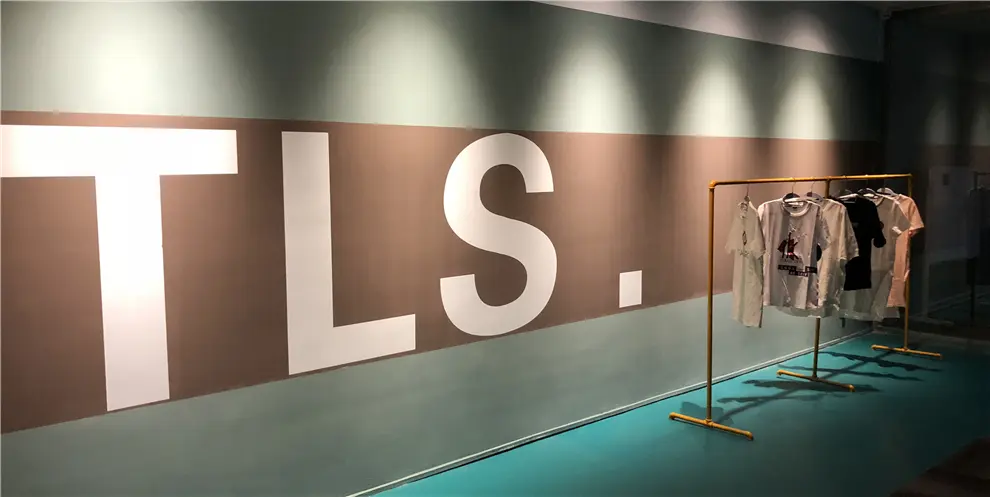
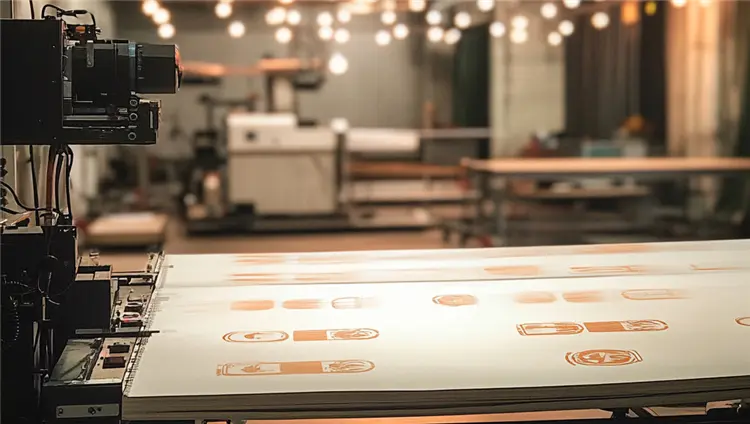
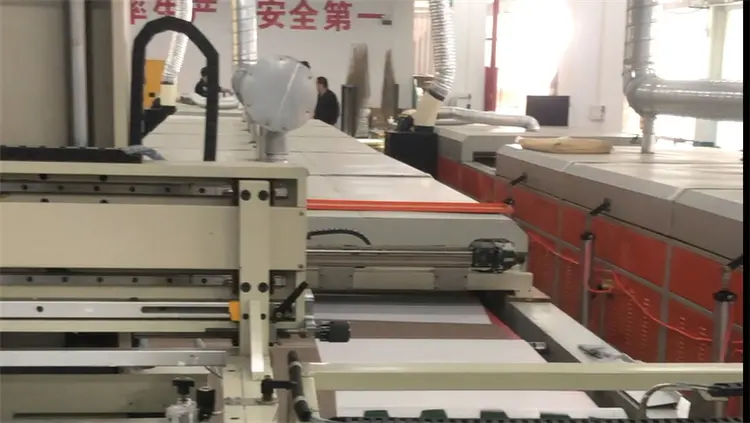
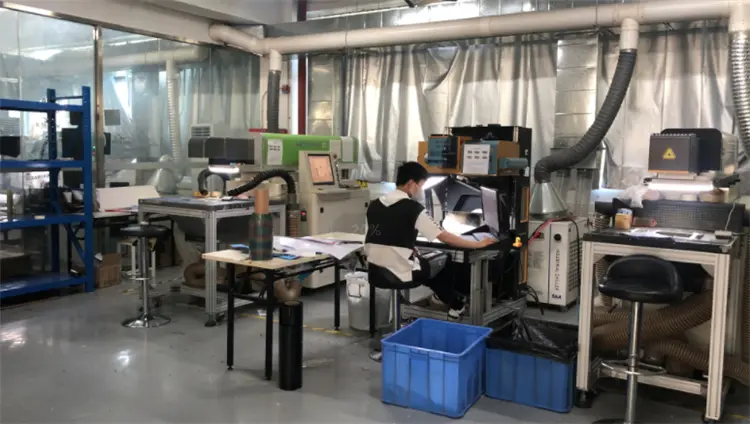
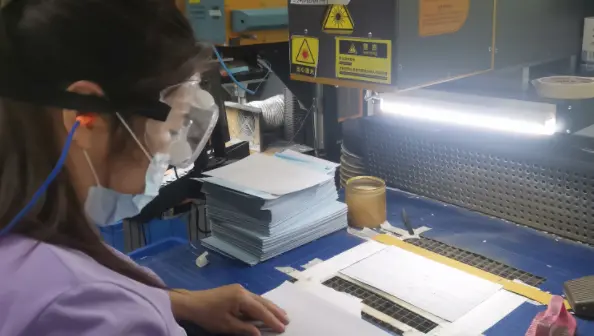
Our team is comprised of experienced professionals who are passionate about delivering exceptional service. We have a talented workforce dedicated to driving the company's growth and success. Our team members are committed to maintaining the highest quality and service standards, ensuring our customers receive the best solutions.
Innovation vectors shaping the next generation of silicone applications in Latin America.
To maintain structural competitiveness, SZ Talent is continuously innovating along three primary engineering axes:
Direct-to-garment screen printing often suffers from dye migration (especially on polyester fabrics) and cracking after a dozen wash cycles. Premium silicone heat transfers act as a physical barrier against dye migration while offering 3D tactile thickness and elongation performance that outlasts the lifetime of the garment.
Direct answers to the most common queries from procurement teams and factories in Mexico.
We partner with major logistics networks including DHL, FedEx, and sea freight providers. Average air express delivery to cities like Mexico City, Monterrey, Guadalajara, and Tijuana ranges between 5 to 7 business days, including documentation handling and custom clearances.
All our heat transfer labels are engineered to support the labeling parameters of NOM-004-SCFI-2006. Our silicone formulations are OEKO-TEX Standard 100 certified, meaning they are completely free from toxic heavy metals, phthalates, and PVC, meeting both Mexican and North American market entry standards.
Our standard MOQ for custom 3D molded patches is typically 500 to 1,000 units per design. This setup allows us to balance tooling costs with material efficiency, offering highly competitive pricing for high-volume apparel manufacturers and industrial footwear brands.
Yes. Our high-performance silicone transfers are tested to withstand over 50 industrial wash cycles at 60°C without cracking, peeling, or color fading. They are engineered to endure high wear and friction, making them suitable for workwear, athletic uniforms, and outdoor gear.
For optimal adhesion, we recommend using a standard heat-press machine set to 140°C - 150°C (284°F - 302°F), with medium to high pressure (3 to 4 kg/cm²), for 12 to 15 seconds. Depending on the substrate material, hot peeling or cold peeling may be suggested.
Explore our full line of specialized labeling and decorative heat transfers engineered for diverse substrates.

 TALENT Industrial