
Serbia has emerged as a cornerstone of industrial manufacturing and textile processing within Central and Eastern Europe (CEE). Leveraging its strategic geographical positioning along Pan-European Corridor X, the country functions as a direct artery linking the European Union with Asia Minor and the Middle East. Over the last decade, structural economic reforms, bilateral free trade agreements (including CEFTA, EAEU, and preferential trade arrangements with the EU), and targeted industrial zoning have transformed Serbia into a manufacturing powerhouse.
The traditional Serbian textile and apparel sector, historically centered in clusters like Leskovac (once dubbed the "Serbian Manchester"), Niš, and Novi Pazar, has undergone a profound technological modernization. Today, the focus has shifted from low-cost CMT (Cut, Make, Trim) contract assembly to highly complex, specialized apparel systems, automotive interiors, and performance athletic wear. This structural shift has created a massive demand for advanced embellishment materials—such as high-durability silicone transfers, industrial-grade reflective materials, and functional neck-size markings—capable of sustaining rigorous quality audits from EU-based parent corporations.
In the contemporary B2B procurement environment, procurement officers from international fashion houses, protective wear companies, and automotive manufacturers face intense supply chain volatility. Rising shipping costs, decarbonization mandates (such as the EU's Corporate Sustainability Due Diligence Directive), and the imperative for absolute speed-to-market have forced companies to re-evaluate their sourcing configurations. Many have adopted a "nearshoring" framework, leveraging Serbia's proximity to target markets like Germany, Italy, and France.
However, nearshoring in Europe is only effective if local factories have seamless access to top-tier components. In garment decoration, the difference between a high-grade polyurethane transfer and a cheap solvent-based print dictates whether a product passes wash-fastness tests (often exceeding 50 cycles at 60°C) or fails due to delamination. As brands adopt complex elastane-nylon blends, recycled polyesters, and water-repellent performance outer shells, the heat transfer chemistry must be dynamically tailored. Generalist suppliers cannot meet this complexity; instead, exporters rely on specialized engineering firms with deep research and development capabilities.
"Modern functional apparel requires functional branding. It is no longer sufficient for a logo to sit on a shirt; it must flex with elastane, resist migration on polyester dyes, withstand industrial laundering, and remain safe against human skin. This is the baseline requirement for EU market penetration."
While European manufacturers provide the localized cutting and assembly, China's advanced industrial supply chain provides the high-volume precision chemistry required to produce advanced heat transfer media. The synergy is clear: Chinese factories supply precision-engineered, OEKO-TEX Standard 100 certified, custom-developed heat transfer systems directly to European plants in Serbia, which then apply them to products bound for retail in Paris, Milan, and Berlin. This workflow combines China's industrial automation, raw material access, and formulation research with Serbia's logistical speed and geographical integration.
100% compliant with OEKO-TEX Standard 100, REACH, and restricted substance lists (RSL) for global fashion brands.
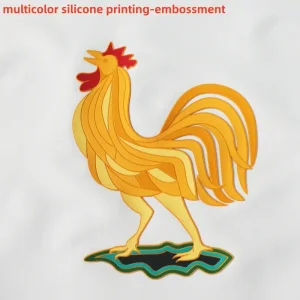
Formulated with high-stretch elastomeric resins that recover shape without cracking on stretch fabrics and elastane blends.
Specially engineered active charcoal and barrier-ink layers that trap sublimating polyester dyes, preventing color bleed.
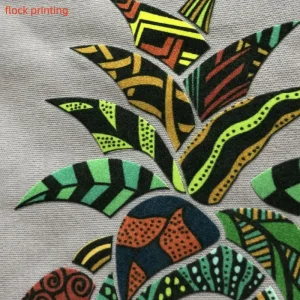

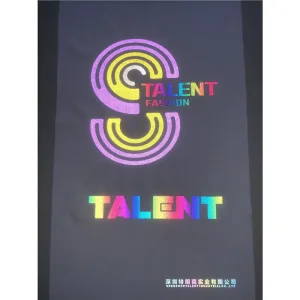
In order to fully realize the value of high-performance transfers, it is critical to align the material chemistry with the end-use environment. In Serbia's localized manufacturing clusters, we observe four primary high-demand application scenarios:
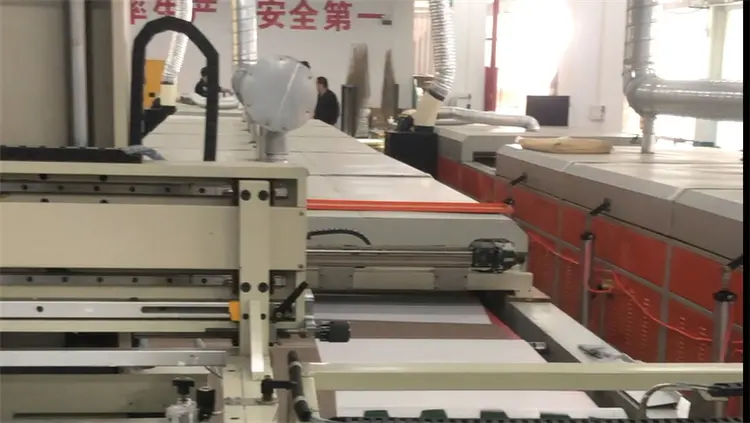
SZ Talent is a leading company with more than ten years of experience specializing in all kinds of heat transfer labels. Our comprehensive approach combines innovation, research and development, production, sales, processes, and service. We are proud of our industrial automated production lines, dedicated team of technical experts, and strong management system. Our focus remains on developing innovative, environmentally friendly, functional, and fashionable heat transfer products.
We adhere to the core values of quality-oriented, integrity-based, mutual benefit, promoting innovation, and ensuring long-term development. Our efforts are always focused on meeting the diverse needs of our global customer base, providing them with reliable branding components that enhance retail value and withstand industrial challenges.
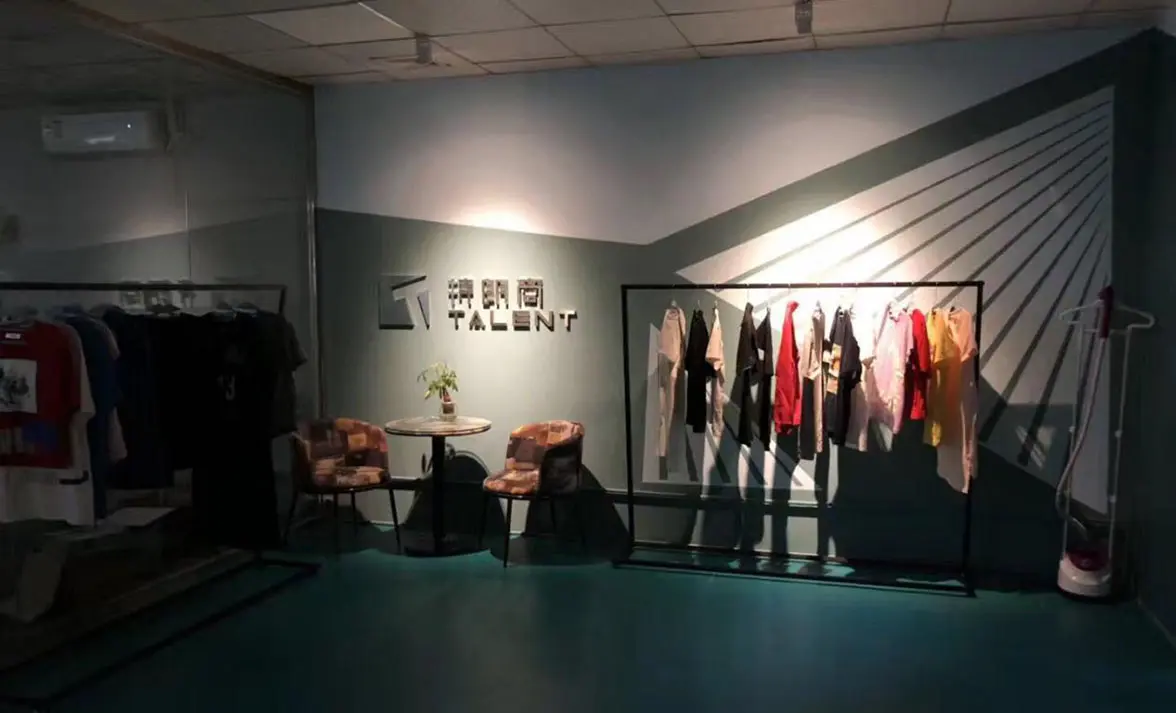
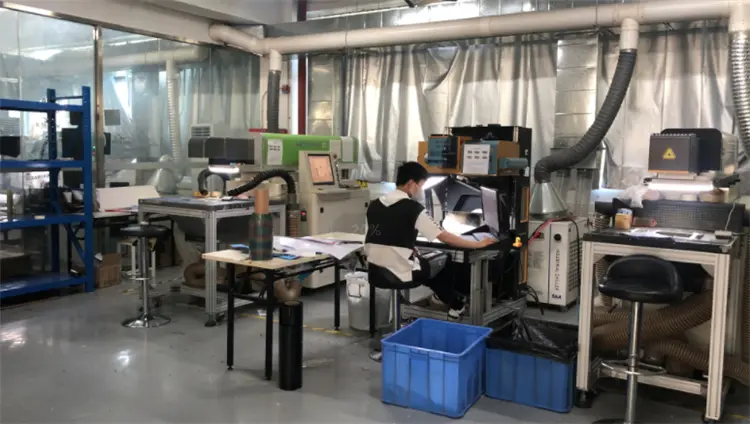
Our team is comprised of experienced professionals who are passionate about delivering exceptional service. We have a talented workforce dedicated to driving the company's growth and success. Our team members are committed to maintaining the highest quality and service standards, ensuring our customers receive the best solutions.
Over the years, we have experienced significant growth and expansion due to our unwavering commitment to excellence. We continuously invest in advanced technologies and processes to increase our production capabilities and meet our customers' growing needs. Our continued growth is a testament to our commitment to providing exceptional products and services.
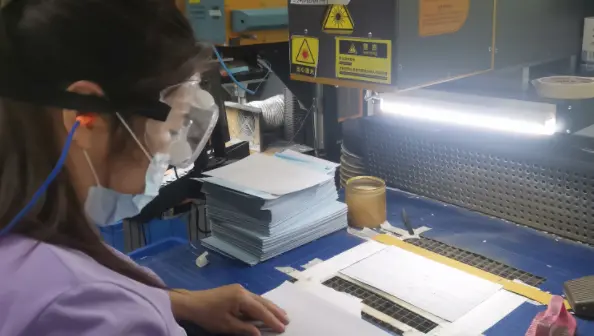
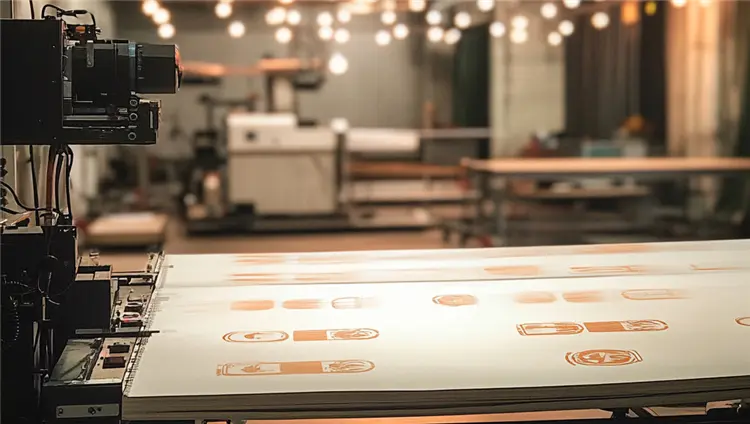
Our state-of-the-art facilities are equipped with the latest technology to ensure efficient production and high-quality output. We have made significant investments in infrastructure to create an enabling environment for innovation, research, and development. Our facilities are designed to meet the highest industry standards and meet the diverse needs of our global partners.
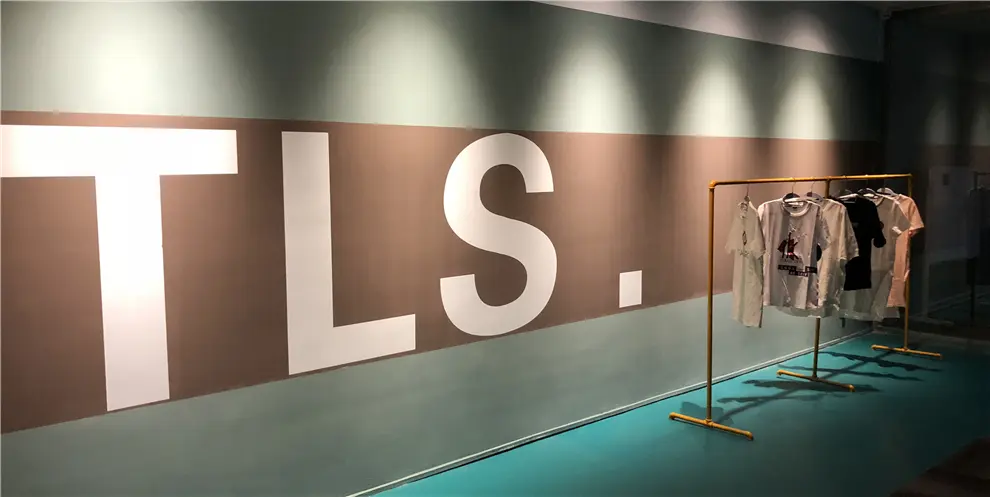


 TALENT Industrial