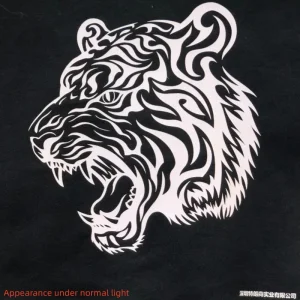
Engineered with advanced polymer barriers and anti-migration properties to withstand challenging production environments.
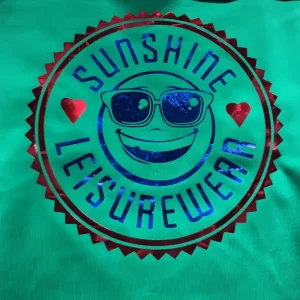
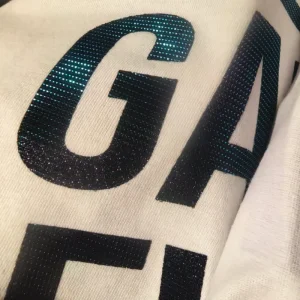

The Metropolitan New York garment ecosystem remains an epicenter of global fashion design, athletic apparel branding, and advanced technical textiles. From the design incubators in Manhattan’s Garment District to high-volume manufacturing hubs across New York State and New Jersey, labels are no longer treated as simple branding inserts. Modern smart materials require integration. Functional fabric solutions are now core architectural components of garments that directly affect user comfort, skin contact safety, and structural integrity.
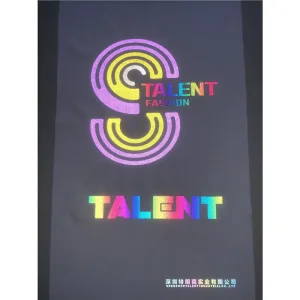
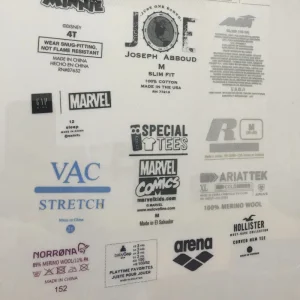
Whether processing hydrophobic base layers for the NYC Marathon, developing military-grade flame-resistant gear, or curating high-definition holographic branding for SoHo's premium outerwear labels, traditional woven tags are falling short. Hard, abrasive edges fail to meet the modern athlete’s demand for friction-free interfaces, while standard solvent inks tend to peel under heavy industrial laundry cycles. This demand has accelerated the migration to specialized thermal transfer films, 3D molded silicone, and high-elasticity polyurethane adhesives designed specifically for direct-to-garment integration.
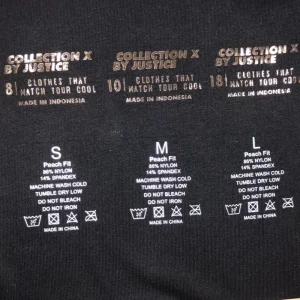
Modern consumers demand comfort, driving the rise of tagless labels. Traditional nylon labels act as abrasives on highly elastic synthetic fibers, causing skin irritation during prolonged physical exertion. Heat transfer technology places thin, breathable inks directly into the fabric weave, removing structural bulk.
Under the New York State Department of Environmental Conservation and global regulatory alignment, modern heat transfers must be PFAS-free, certified OEKO-TEX Standard 100 Class I, and free of heavy plasticizers. Our formulations utilize water-based polyurethane chemistry and safe TPU carrier backings.
Worldwide, the activewear and outdoor performance market is shifting toward specialized, high-stretch synthetic blends: recycled polyesters, nylon-elastane formulations, and coated performance fabrics. This change presents a technical challenge: conventional heat transfer labels, which rely on rigid carrier films, suffer from premature failure when applied to stretchable bases.
Globally, three core requirements shape purchasing choices for brand directors in major markets like New York, London, and Tokyo:
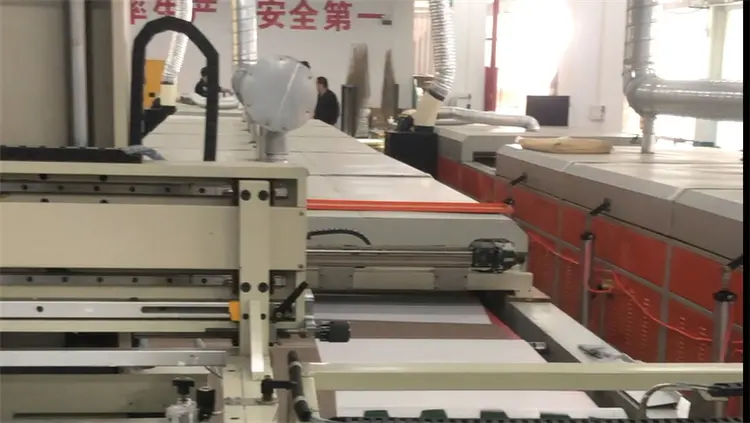
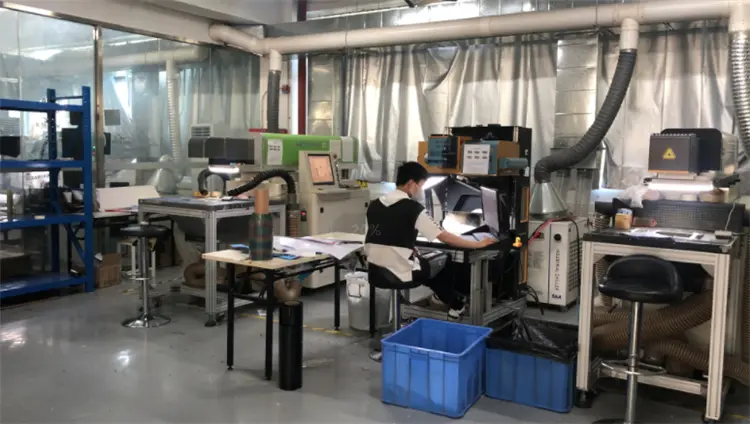
Working directly with a specialized Chinese exporter like SZ Talent offers New York clothing brands significant advantages in production speed, material sciences, and cost-efficiency. SZ Talent bridges the gap between digital design layouts and bulk industrial production. With more than ten years of experience, our technical expertise supports high-yield automated production lines that keep turnarounds fast and defect rates low.
Key advantages of our supply chain structure include:
Years of Specialized R&D
Certified Wash Cycles (AATCC)
Dye Migration Guarantee
Eco-Friendly (PFAS-Free)
To help brands choose the right product, here is how New York designers apply these functional transfer solutions across different segments:
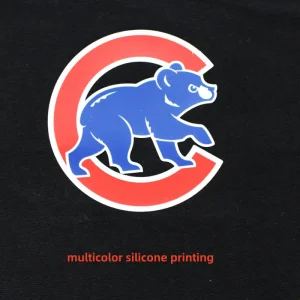
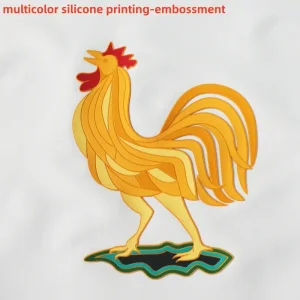
Streetwear brands require distinct visual elements. Thick-molded 3D Silicone Patches and color-shifting Lenticular Silicone Graphics add tactile dimension to heavy fleece hoodies and tech shells. These elements handle winter weather while retaining their shape and definition over time.
Running and high-intensity apparel needs maximum elasticity. Standard inks can crack when fabric stretches. Our Reflective Heat Transfer Labels stretch and recover up to 200% alongside Lycra and Nylon blends, helping runners stay visible on early morning runs along the East River.
Workwear requires robust adhesion that can withstand heavy wear and tear. Specialized Coating-Grip Heat Transfers bond firmly to high-density canvas and raw denim, replacing traditional leather or metal labels that can make washing and pressing more difficult.
Lounge and sleepwear require soft, skin-friendly components. Seamless, itch-free, hot-melt neck labels print flat on fine-gauge bamboo and organic cotton. The resulting texture is soft and unobtrusive, preventing chafing and irritation.
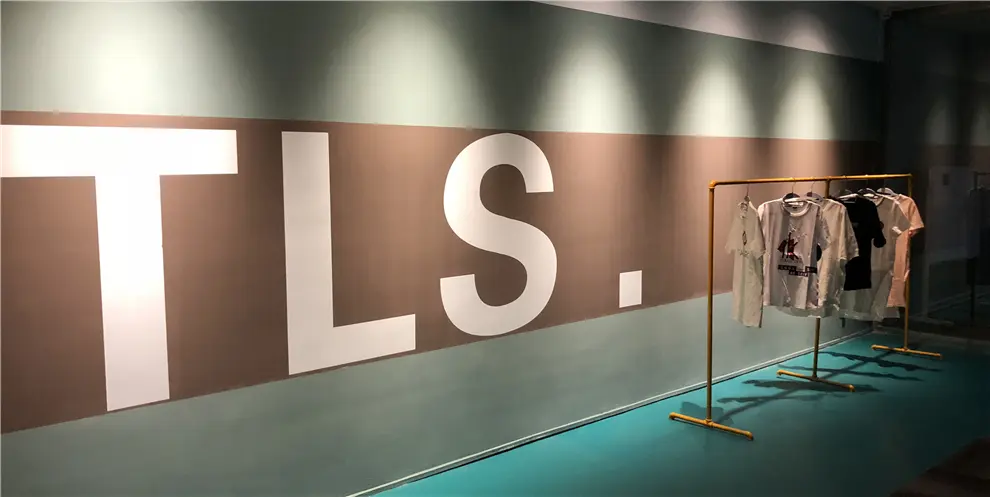
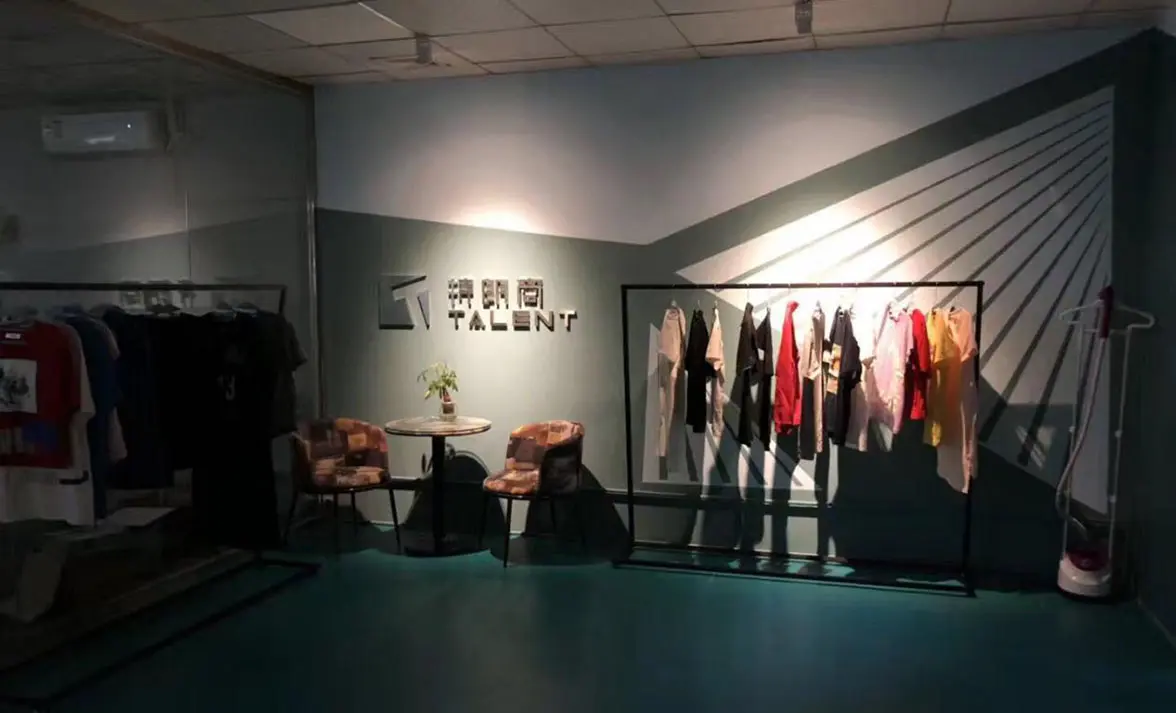
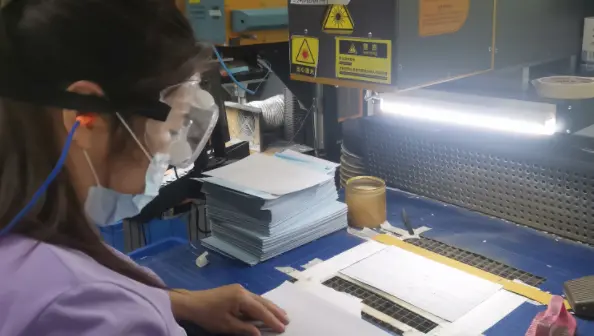
SZ Talent is a leading manufacturer specializing in heat transfer labels. Our comprehensive approach integrates research, development, production, and customer service. We operate modern, automated production lines managed by technical experts, focusing on developing environmentally friendly, functional, and fashionable heat transfer products.
We build our business on quality, integrity, and long-term development, aligning our processes to support our customers' changing production needs. Our team consists of experienced professionals focused on maintaining reliable quality and service standards, ensuring every batch meets international textile requirements.
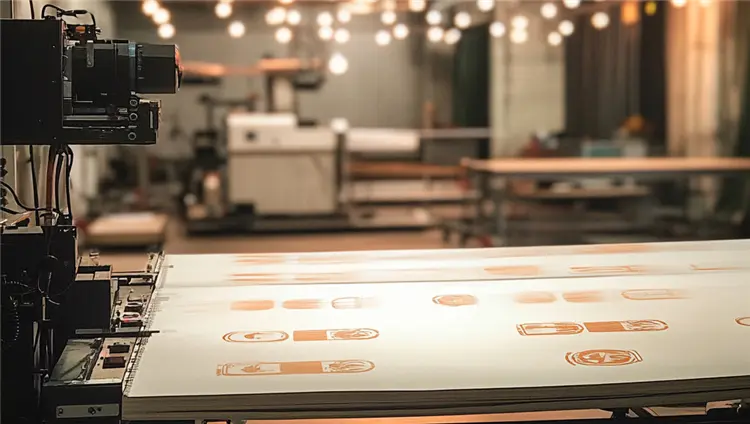
Over the years, we have expanded our production capabilities by investing in modern manufacturing infrastructure. These facilities are built to support diverse label requirements, from custom 3D molded silicone to high-volume screen-printed heat transfers.
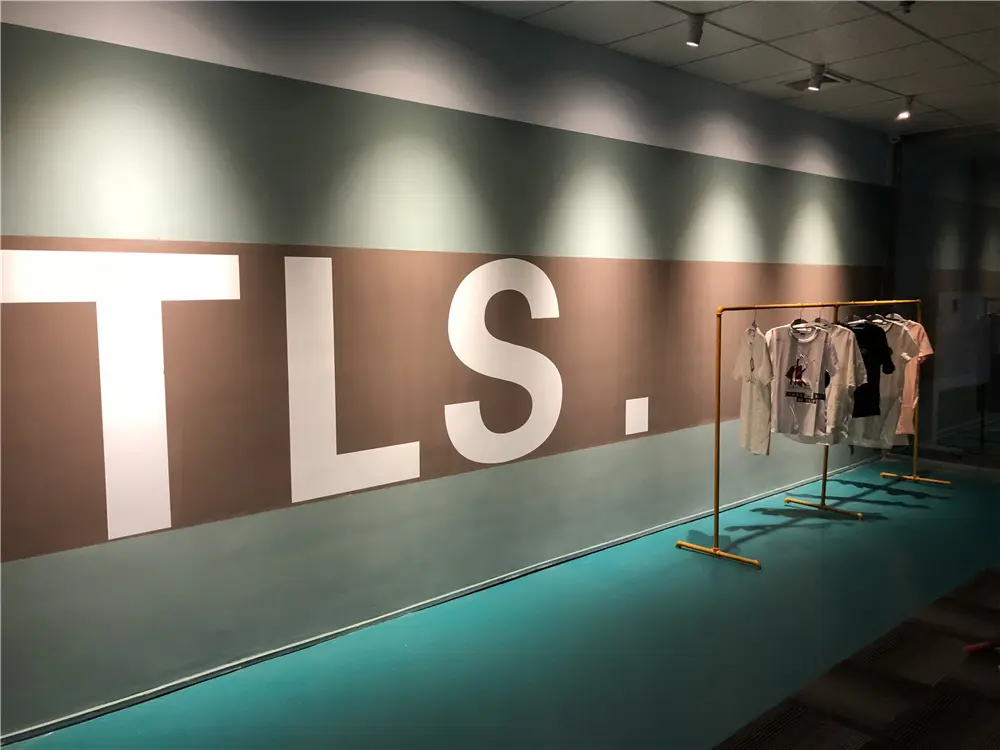
Explore our full export catalog, including 3D silicone, stretch-reflective coatings, and high-volume screen transfers.
 TALENT Industrial