Engineered high-performance thermal embellishments optimized for dynamic Brazilian textile substrates and intense processing standards.



The Brazilian textile and apparel sector—historically anchored in regional hubs such as Blumenau, São Paulo (Bom Retiro and Brás), and the Agreste region of Pernambuco—is undergoing rapid technological transformation. Driven by high consumer demand for performance activewear, fast-fashion elasticity, and durable denim, manufacturing companies are looking beyond simple screen prints. They are embracing advanced thermal composites to satisfy stringent quality demands.
However, importing and implementing these advanced materials in Brazil requires navigating specific challenges. These range from high relative humidity in southern manufacturing centers to the strict washing procedures required by domestic consumers, who often wash activewear at higher temperatures. Standard heat transfers fail under these conditions, resulting in cracking, edge-peeling, and dye migration. SZ Talent's engineered Composite Series resolves these issues, offering localized compatibility and structural integrity tailored to Mercosur textile requirements.
"Brazil is the largest textile producer in Latin America, but it also has one of the most demanding regulatory frameworks. Importers and local manufacturers must meet precise material guidelines while coping with humid tropical conditions that degrade low-grade adhesives before application."
A deep dive into the chemical layering and performance design of our industrial-grade heat transfers.
Features an advanced polyurethane barrier matrix infused with active blocking agents. This prevents sublimated pigments in synthetic polyester fabrics from migrating into the outer graphic layers.
Engineered for high-spandex fabrics, stretchable up to 400% without micro-cracking. This structural durability ensures design integrity over repeated wash cycles.
Oeko-Tex Standard 100 Class I certified. Formulated without hazardous solvents, heavy metals, or phthalates, ensuring safe direct contact with the skin.
In regions such as Pernambuco and Rio de Janeiro, high ambient humidity during warehousing can cause premature activation or degradation of hot-melt adhesives. To mitigate this risk, SZ Talent employs a dual-stage crosslinking copolyester adhesive chemistry. This formulation remains completely inert at room temperature, even in environments with up to 90% relative humidity, but activates rapidly at temperatures between 135°C and 150°C. This ensures high bonding strength without requiring excessive heat-press times that could damage delicate performance fabrics.
SZ Talent is a leading provider of thermal transfer technologies, with over ten years of industrial experience in manufacturing and exporting advanced apparel trims. Our comprehensive manufacturing approach integrates materials R&D, chemical engineering, automated mass production, and dedicated global support systems.
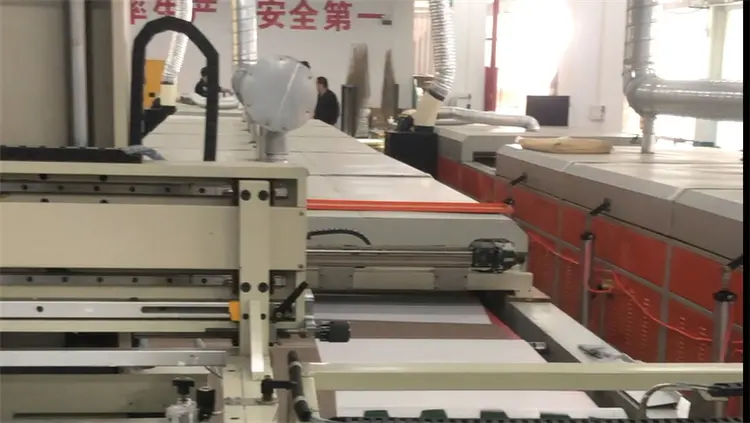
Our state-of-the-art facilities are equipped with high-speed automated screen printing lines and computerized color matching systems. We focus on delivering sustainable, durable, and innovative heat transfer solutions. By focusing on green chemistry and custom engineering, we help apparel brands in South America, North America, and Europe build reliable supply chains.
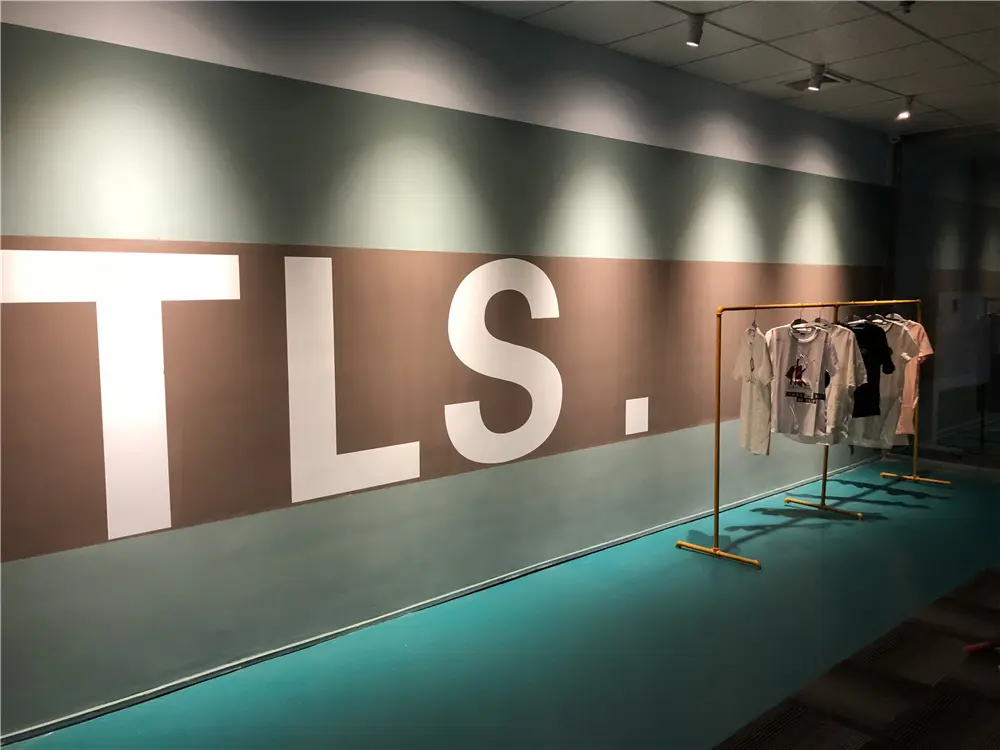
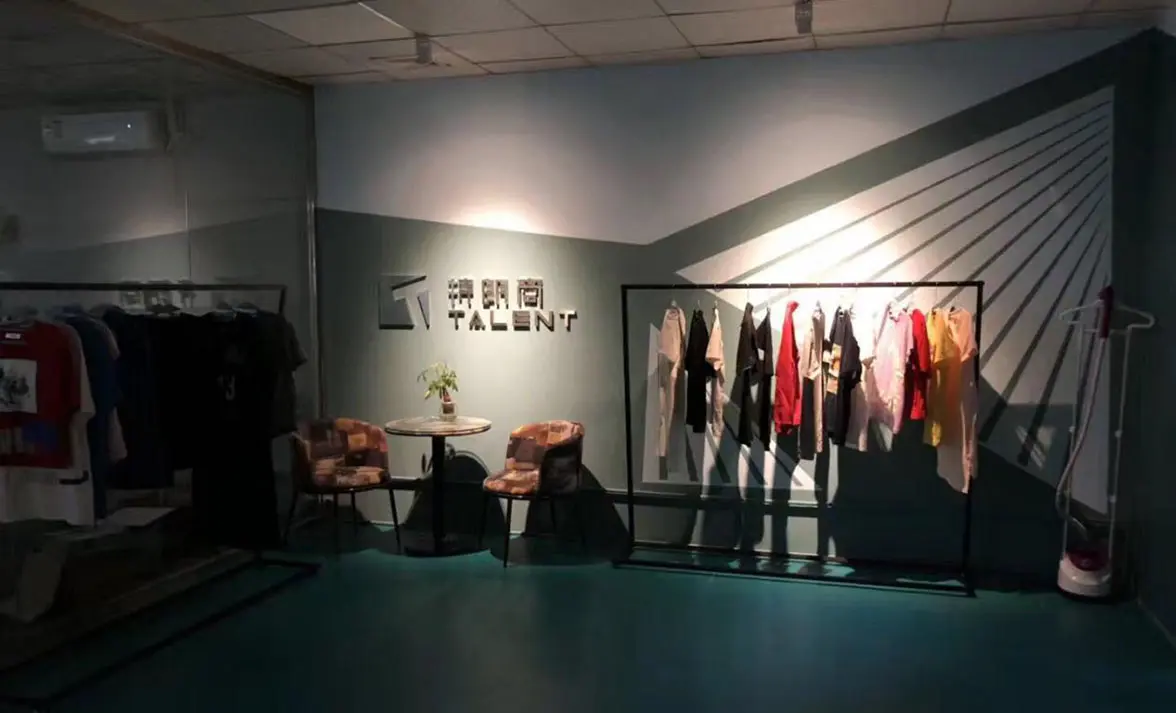
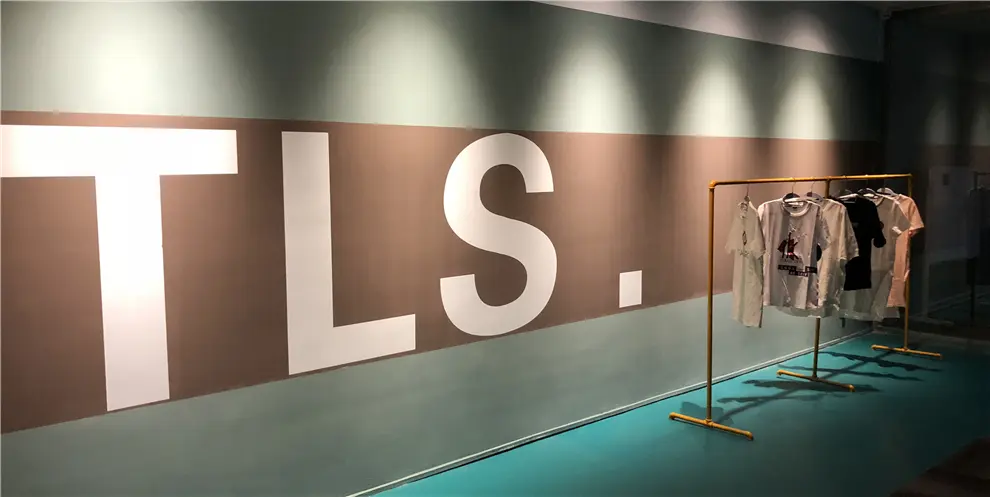
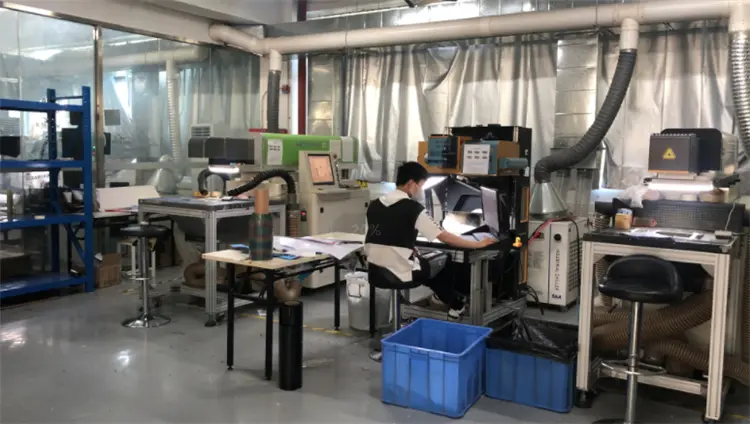
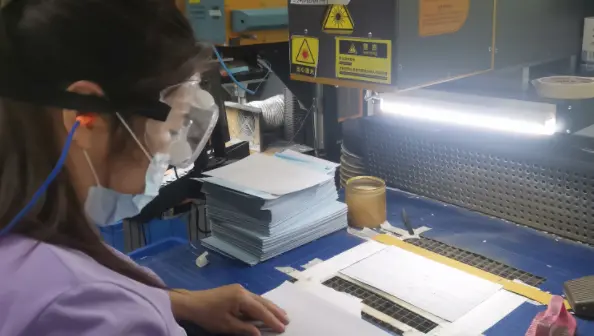
Our facility is structured around a zero-defect quality management framework. Raw materials, including TPU resins, polyurethane bases, and carrier liners, undergo chemical testing before entering the production line. Automated optical inspection (AOI) systems monitor consistency across every production run to ensure pattern registration and prevent print defects. This level of quality control reduces apparel wastage for brand owners and garment factories in Brazil.
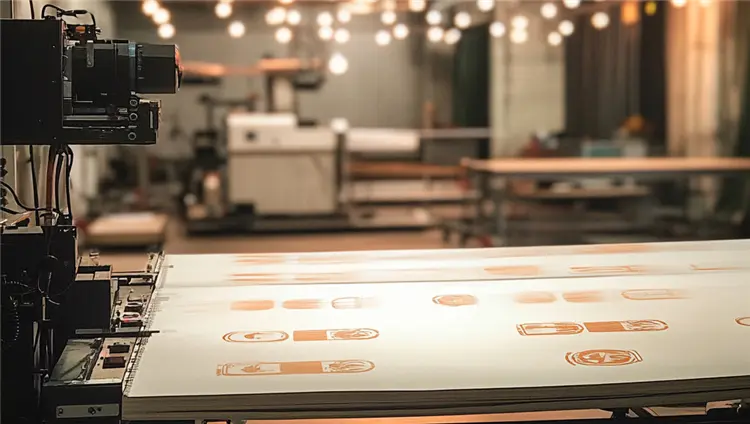
Explore our full line of specialized thermal transfers, designed to meet the demands of performance, safety, and fashion apparel.



Importing industrial textile trims into Brazil requires navigating complex logistics and customs procedures. The "Custo Brasil" (associated logistics, port, and tax overheads) demands careful supply chain planning. SZ Talent addresses these challenges by working closely with freight forwarders and customs brokers to optimize shipping routes, minimize port delays at Santos or Paranaguá, and ensure correct HS Code classification.
To reduce import duties, we provide structured documentation, including detailed Certificates of Origin, precise packing lists, and commercial invoices that match Siscomex system data. Additionally, we pack our products in moisture-barrier bags with desiccant packs to prevent humidity exposure during sea transit across the equator.
Before shipment, all batches destined for South American markets undergo testing in our quality assurance laboratory to ensure reliable performance:
How R&D is shaping the next generation of smart and sustainable textile embellishments.
The global textile sector is moving toward sustainability and digitalization, and the South American market is following suit. We are refining our technical roadmap to introduce bio-based polyurethanes derived from renewable feedstock, which will reduce the carbon footprint of our heat transfer labels by 35%. This initiative aligns with the circular economy goals of global brands operating in Brazil.
Additionally, we are exploring the integration of RFID and NFC technologies directly into our silicone patch structures. This development will allow brands to offer digital product passports (DPPs) for anti-counterfeiting verification and consumer interaction, while maintaining the flexibility and soft touch of premium decorative trims.
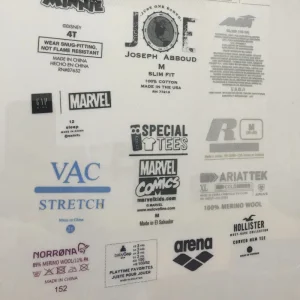
We provide customized Durable Inner Neck Size Labels and high-precision screen print transfers. These are designed for automated manufacturing lines, offering quick transfer times that reduce operational cycles for domestic exporters.
Our Best Coating-Grip Heat Transfer Patches are engineered for water-repellent (DWR) treated fabrics, ensuring reliable adhesion on outdoor gear and performance outerwear.
Clear answers to common questions about importing, applying, and testing our Composite Series heat transfers in Brazil.
 TALENT Industrial