Explore our top-tier technical solutions, optimized for structural integrity and high-density visual fidelity, specifically aligned with Japan's rigorous fashion and sportswear industry criteria.
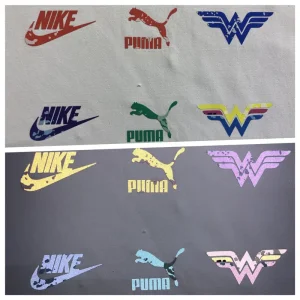
Tokyo's fashion and technical outerwear ecosystems—anchored in hubs like Harajuku, Shibuya, and Ginza—demand an unprecedented level of execution. From functional outdoor garments designed to withstand elements to high-fashion garments that undergo complex industrial washes, every embellishment must act as a seamless extension of the substrate.
The Japanese market prioritizes the "Monozukuri" philosophy—a dedication to craftsmanship, precision, and continuous refinement. For global exporters, this means general-use heat transfers are insufficient. Our Composite Series is specifically engineered to survive friction, temperature fluctuations, and aggressive stretch, securing approval from leading Tokyo fashion houses and athletic brands.
How we merge multiple chemical structures—silicone, TPU, hot-melt polyurethane adhesives, and optical reflective layers—into a single unified component.
Tokyo brands heavily utilize sublimated polyester fabrics for sports and athleisure. Standard transfers suffer from dye bleeding. Our composite transfers incorporate an ultra-dense, charcoal-modified polyurethane barrier that blocks sublimated dyes at temperatures up to 160°C.
Using medical-grade liquid silicone rubber (LSR), we produce tactile patches with vertical walls and sharp definitions down to 0.15mm thickness. This yields the high-end tactile feel demanded by luxury street brands in districts like Otesando.
Our formulations are systematically tested to exceed Japanese Industrial Standard (JIS) guidelines. They withstand over 50 cycles of aggressive commercial laundering (Method A-1 / B-2) without edge lifting, cracking, or color degradation.
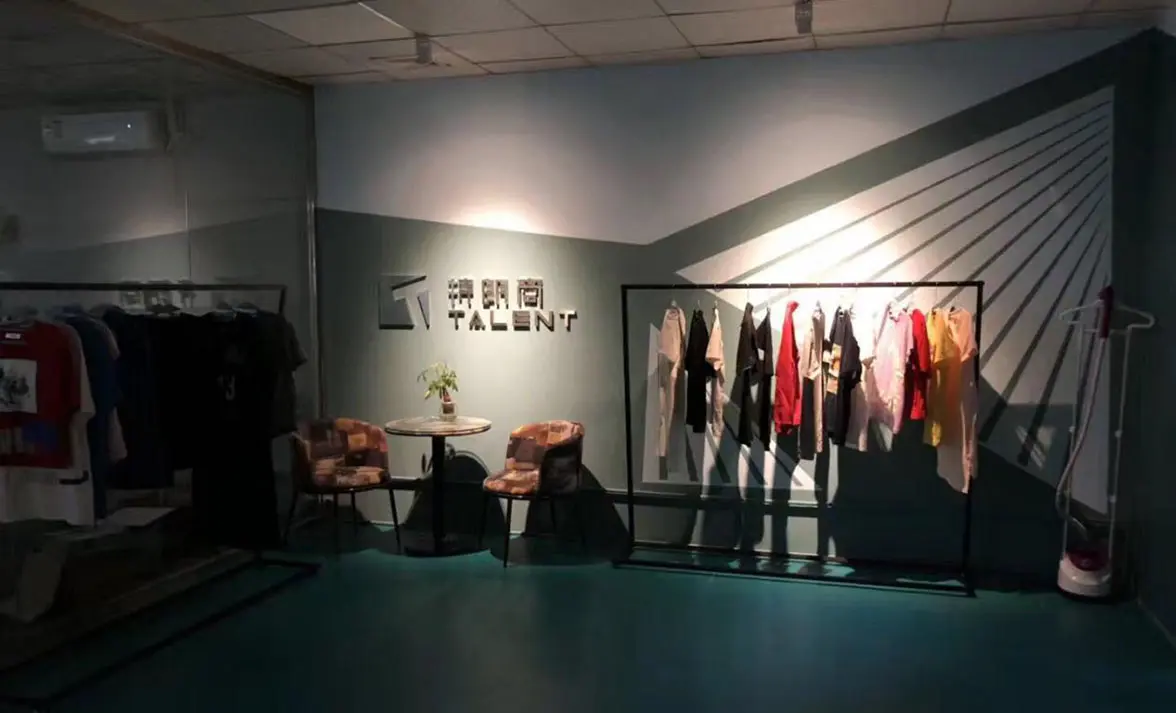
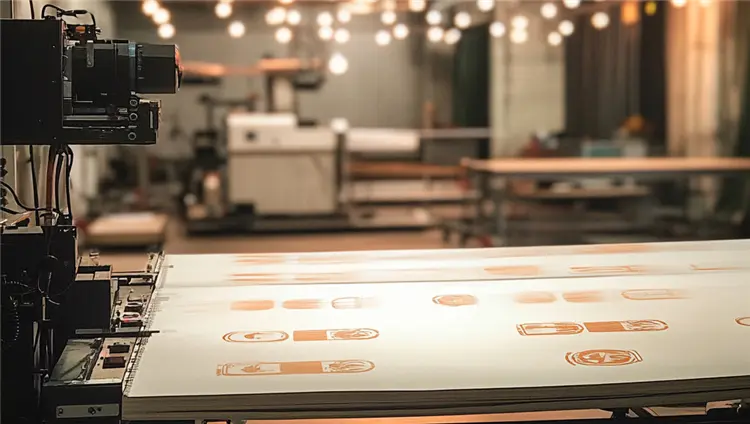
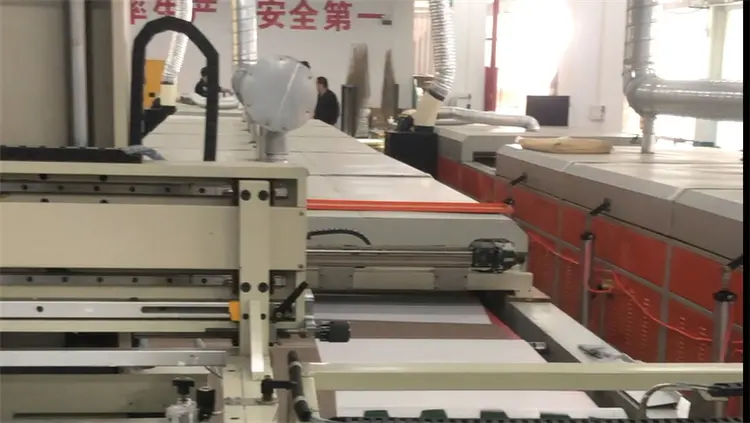
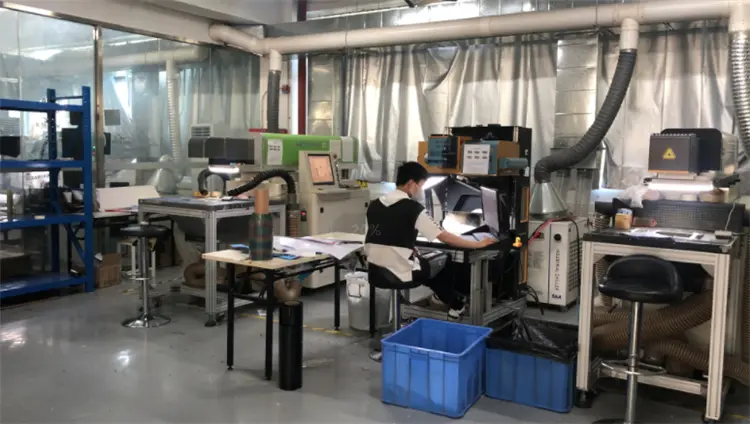
SZ Talent is a leading company with more than ten years of experience specializing in all kinds of heat transfer labels. Our comprehensive approach combines innovation, research and development, production, sales, processes, and elite post-sale technical service.
We are proud of our industrial automated production lines, dedicated team of technical experts, and robust quality management system. Our focus remains on developing innovative, environmentally friendly, functional, and fashionable heat transfer products that strictly align with global textile norms and local Japanese buyer expectations.
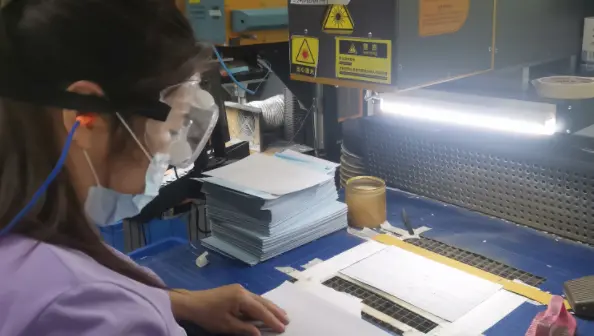
Through advanced ERP systems and automated CCD visual inspection tools, we minimize the human margin of error. This guarantees that large-volume shipments shipped to Haneda/Narita air hubs or Tokyo Bay sea ports match the exact dimensions, color profiles, and adhesion specifications of the initial approved prototypes.
Japanese consumers and customs authorities enforce strict chemical limits. We provide clean solutions with zero compromise.
We utilize water-based inks and eco-solvent adhesives that do not contain harmful heavy metals or hazardous chemicals prohibited under REACH and Japan's Household Goods Quality Labeling Act. We guarantee that all labels shipped from our factory will not cause skin irritation or yellowing under humid warehousing conditions in coastal Japan.
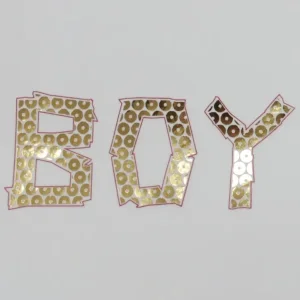
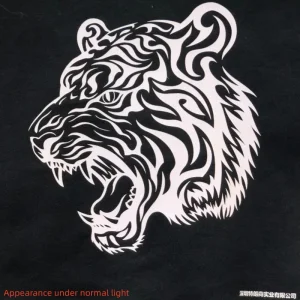
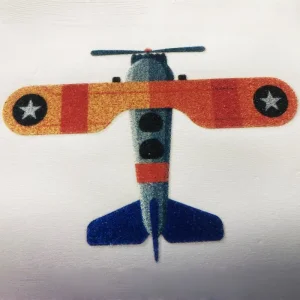
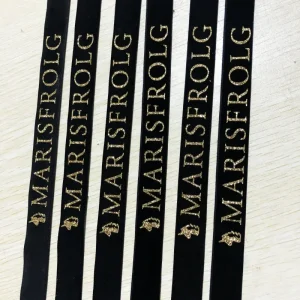
A comprehensive lineup designed to meet specialized challenges—from high elasticity to intricate 3D micro-caviar bead textures.


We provide highly organized logistics pipelines directly matching FOB, CIF, or DDP delivery frameworks to your Tokyo facilities. By integrating precise packaging processes and anti-humidity desiccant cartridges into every shipping crate, we ensure that transfers reach their destination in prime, application-ready condition, preventing adhesive activation during transport.
We review your AI/PDF designs within 24 hours to optimize layer traps, bleed parameters, and wall thickness.
Prototype batch creation on automated testing presses for design evaluation prior to full production runs.
Consolidated air shipments straight to Haneda or Narita cargo terminals, reaching your doorstep within 3-5 transit days.
To guarantee clean, fail-safe transfer execution at your domestic processing workshops, our application technicians suggest the following baseline parameters for heat presses:
| Transfer Subseries | Temp Range | Dwell Time | Pressure |
|---|---|---|---|
| 3D Silicone Patches | 150 - 165°C | 15 - 20 sec | 3.5 - 4.5 Bar |
| Color-Shift Reflectives | 140 - 150°C | 10 - 12 sec | 3.0 - 4.0 Bar |
| Multi-Technique Composite | 145 - 155°C | 12 - 15 sec | 3.5 - 4.0 Bar |
| Eco Size Labels | 130 - 140°C | 8 - 10 sec | 2.5 - 3.5 Bar |
*Note: Variations in fabric composition (elastane, nylon, treated DWR) may necessitate adjustments to time and temperature. Sample testing is highly recommended before bulk production.
Expert answers to the technical inquiries raised by Tokyo design studios, textile chemists, and international sourcers.
Connect directly with our technical experts to receive custom material test packages, high-resolution physical samples, and comprehensive pricing structures tailored to your Tokyo distribution or apparel manufacturing workflows.
 TALENT Industrial