
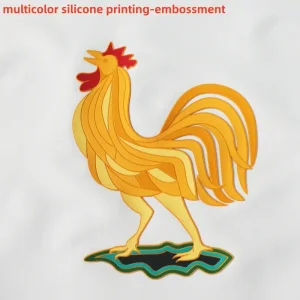

Reflective puff heat transfers represent a fusion of micro-optics and polymer expansion chemistry. Standard 3D puff transfers utilize heat-activated blowing agents (typically physical microspheres or chemical foaming agents) within plastisol or polyurethane ink systems. When heat is applied during the transfer process, the gas inside these microcapsules expands, multiplying the volume of the ink film to create a tactile 3D relief structure.
To achieve retroreflectivity, the formulation integrates microscopic retroreflective glass beads (typically ranging from 30 to 90 micrometers in diameter, with a refractive index of 1.93 to 2.2). As the ink expands vertically, these micro-glass beads are pushed to the outermost layer of the polyurethane membrane, aligning outward. This alignment guarantees that light hitting the expanded print is retroreflected directly back to the light source, combining 3D dimensionality with enhanced low-light safety and high visual contrast.
| Property Class | Value Parameter |
|---|---|
| Refractive Index ($R_i$) | ≥ 1.93 (High-index glass micro-beads) |
| Reflective Brightness | 250 - 420 cd/(lx·m²) |
| Foaming Temperature | 140°C - 150°C (Critical activation range) |
| Substrate Adaptability | Cotton, Polyester, Lycra, TPU Blend Fabrics |
| Elastomeric Recovery | ≥ 200% (High elongation formulations) |
Purchasing managers from outdoor apparel and workwear brands require materials that withstand severe washing regimes. Our formulations endure up to 50 home wash cycles at 60°C and industrial laundry cycles without cracking, peeling, or loss of reflective coefficient.
Compliance is non-negotiable. Our materials are completely free of PVC, phthalates, lead, and formaldehyde, meeting the strict guidelines of OEKO-TEX Standard 100 (Class I), REACH, and California Proposition 65 for baby wear and functional activewear.
Synthetic performance fabrics are highly prone to dye migration and thermal bruising. Our heat transfers are engineered to activate at lower temperatures (135°C–145°C), protecting fragile elastane and recycled polyester fabrics during application.
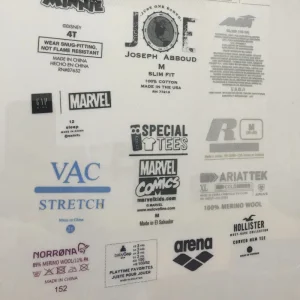
SZ Talent is a leading company with more than ten years of experience specializing in all kinds of heat transfer labels.
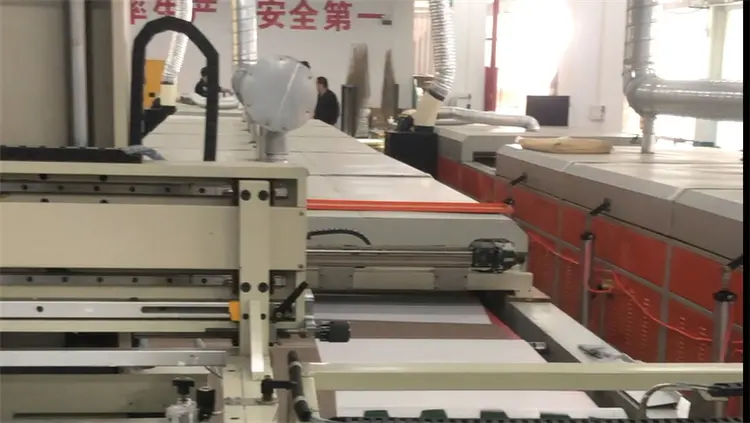
Our comprehensive approach combines innovation, research and development, production, sales, processes, and service. We are proud of our industrial automated production lines, dedicated team of technical experts, and strong management system. Our focus remains on developing innovative, environmentally friendly, functional, and fashionable heat transfer products.
We adhere to the core values of quality-oriented, integrity-based, mutual benefit, promoting innovation and ensuring long-term development. Our efforts are always focused on meeting the needs of our customers. We attach great importance to research and development and continuously introduce cutting-edge products that meet the changing needs of the market. Our commitment to excellence makes us a trusted partner for businesses looking for high-quality thermal transfer labels.
Integrated elastic backings within the PU layer enable the reflective puff transfer to expand along with highly elastic fabrics (such as Lycra/Spandex blends) without shearing, peeling, or cracking under stress.
For utilities, road construction, and night-shift personnel, our reflective transfers meet EN ISO 20471 Class 2 visibility requirements, delivering high visibility and structural depth in demanding physical environments.
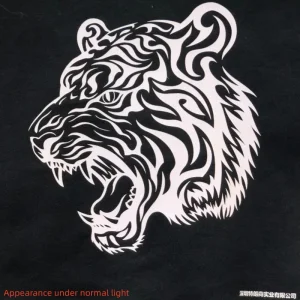
For fashion designers looking for structural contrast, the puff effect provides tactile depth that stands out in daylight, while night light transforms the graphics with bright, direct retroreflection.
Applying reflective puff heat transfers demands precise control over the temperature, dwell time, and pressure curve. Standard puff transfers require a uniform thermal distribution to initiate the blowing agent evenly across the entire surface area. A variance of more than 5°C across the heat press platen can result in uneven expansion, causing flat spots and poor adhesion.
We recommend a dual-pressing method for critical, high-stretch synthetic fabrics. An initial low-pressure press bonds the adhesive, followed by a second, higher-pressure press to trigger the three-dimensional foaming reaction. Let the transfer cool down completely before peeling the polyester carrier sheet (Cold Peel) to achieve a clean matte texture and clear reflective bead layout.
| Parameter | Target Value |
|---|---|
| Application Temperature | 140°C - 150°C (284°F - 302°F) |
| Dwell Time | 12 - 15 Seconds |
| Line Pressure | 3.5 - 4.5 Bar (Medium to High pressure) |
| Release Type | Cold Peel (Wait 30-45 seconds post-press) |
| Post-Curing Step | Optional (5 seconds under parchment paper) |
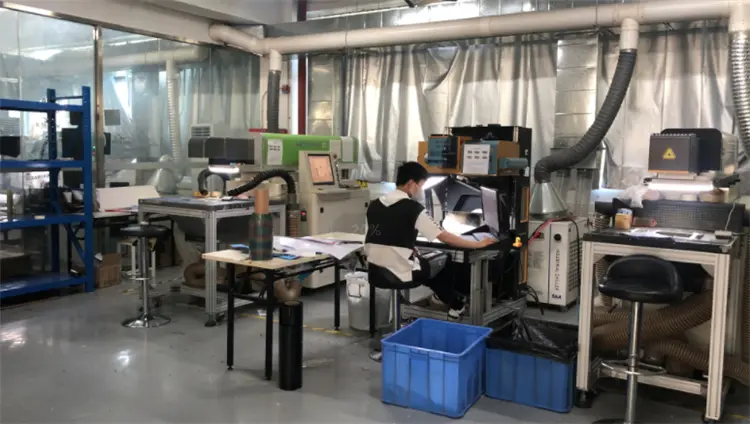
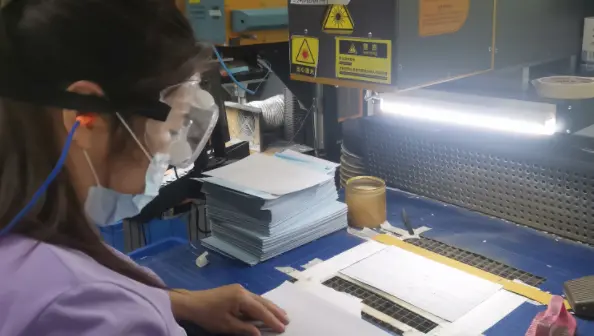
Our team is comprised of experienced professionals who are passionate about delivering exceptional service. We have a talented workforce dedicated to driving the company's growth and success. Our team members are committed to maintaining the highest quality and service standards, ensuring our customers receive the best solutions.
Over the years, we have experienced significant growth and expansion due to our unwavering commitment to excellence. We continuously invest in advanced technologies and processes to increase our production capabilities and meet our customers' growing needs. Our continued growth is a testament to our commitment to providing exceptional products and services.
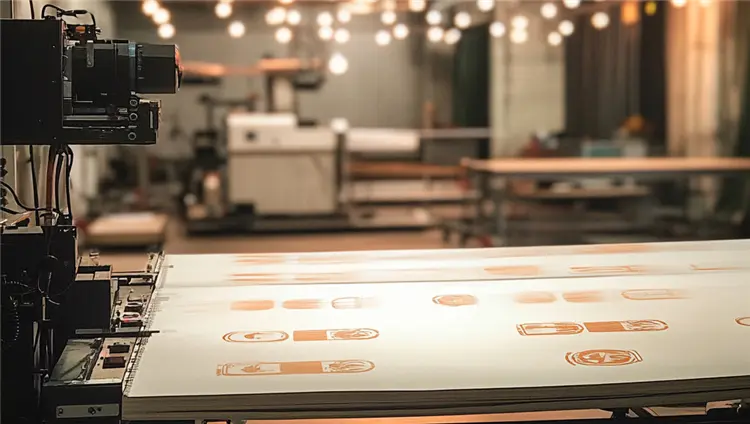
Our state-of-the-art facilities are equipped with the latest technology to ensure efficient production and high-quality output. We have made significant investments in infrastructure to create an enabling environment for innovation, research and development. Our facilities are designed to meet the highest industry standards and meet the diverse needs of our customers.
Moving away from petroleum-dependent polyurethane, our next-generation heat transfer carriers utilize bio-based polyols derived from castor oil, reducing the carbon footprint of structural transfers by up to 35%.
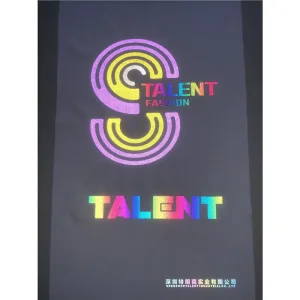
Integrating liquid-crystal thin film technology within the retroreflective bead base enables dual-layered dynamics: visual color shifts at different angles under daylight, combined with retroreflection at night.
Developing micro-foaming agents with a narrow activation range (exactly 130°C–132°C). This allows for rapid processing times and guarantees consistent puff thickness regardless of local plant variances.

 TALENT Industrial