Premium functional and dimensional graphics engineered for sports gear, performance activewear, and high-street fashion.
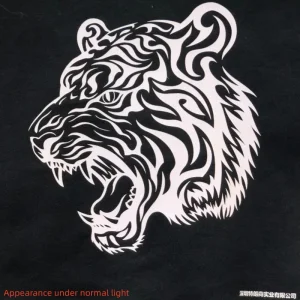

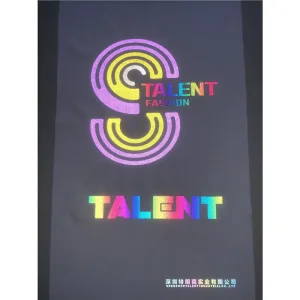
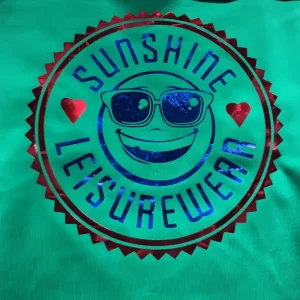
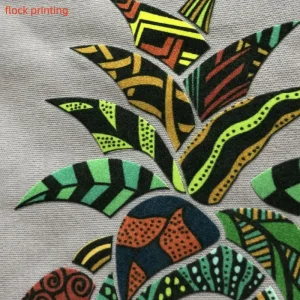
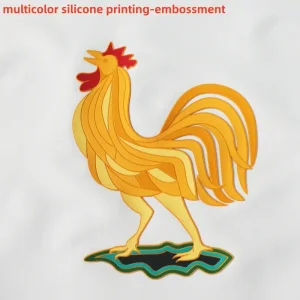
In modern branding, static designs are increasingly replaced by dynamic and interactive physical media. Optical effect transfers represent a highly specialized intersection of polymer chemistry, optical physics, and textile technology. As global exporters, we develop systems that respond to external stimuli—such as ultraviolet light, thermal radiation, and multi-angle viewing grids—allowing apparel manufacturers to provide high cognitive value directly on garments.
These optical systems rely on structured physical matrices: micro-encapsulated thermochromic liquid crystals, photochromic pigments that alter molecular states under specific UV wavelengths, and high-precision lenticular micro-lenses molded directly over high-definition print layers. These components must retain performance characteristics when subjected to extreme heat press temperatures and rigorous laundry cycles.
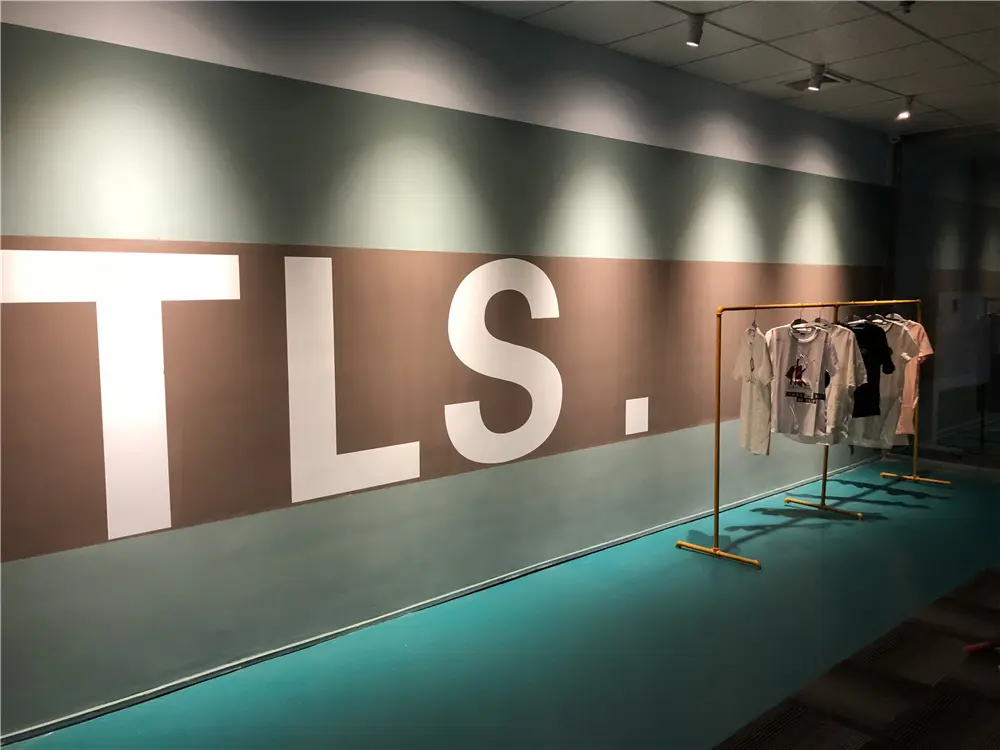
Decentralized assembly is no match for integrated vertical production. Our advanced facilities in China maintain absolute quality control over every stage of polymer preparation, precision printing, and post-processing.
We deploy proprietary hot-melt polyurethane formulations that exhibit high elasticity (exceeding 300% elongation limits) while maintaining robust resistance against plasticizer migration from underlying synthetic polyester structures.
Our raw materials comply strictly with OEKO-TEX Standard 100 class 1, REACH, and Nike RSL criteria. This guarantees that all light-reactive and thermochromic pigments are free from heavy metals, formaldehyde, and phthalates.
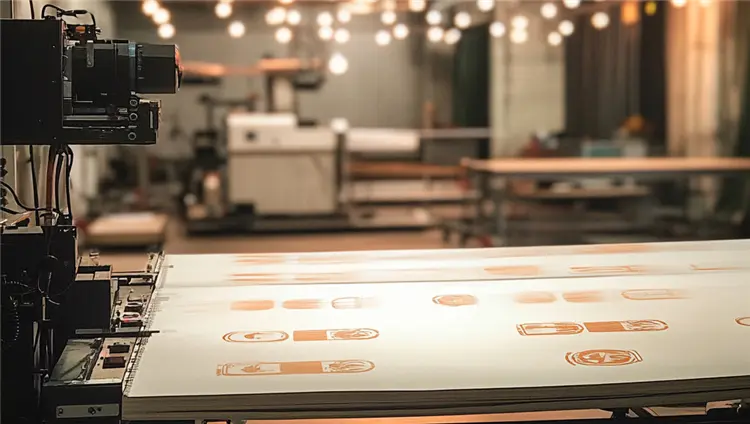
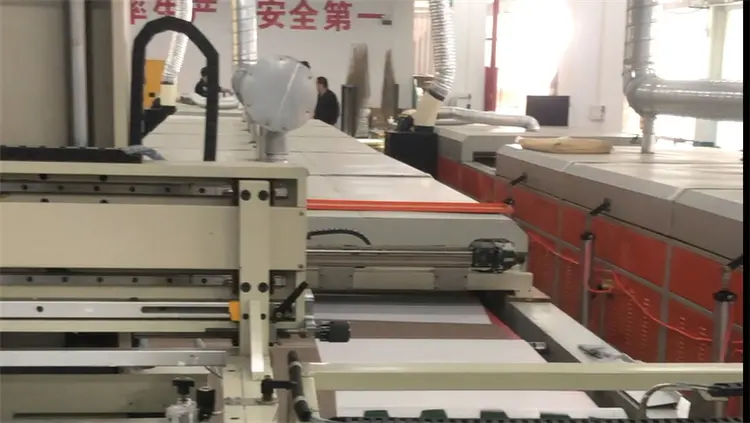
Equipped with roll-to-roll automated screen printing systems and computer-controlled dual-chamber vacuum curing systems, we deliver up to 500,000 units weekly, assuring competitive delivery turnarounds globally.
Addressing the core technical benchmarks that sourcing directors, product engineers, and brand directors require for seamless implementation.
| Application Category | Primary Substrate Compatibility | Key Technical Performance Parameter | Primary Industry Certification |
|---|---|---|---|
| UV Active Sportswear Graphics | Nylon Spandex, Polyester Blends | D50 Color Transformation under 365nm UV source | OEKO-TEX Standard 100, Class I |
| 3D Lenticular Silicone Patches | Neoprene, Heavy Fleece, Outer Shells | 3-Phase image flip / 0.8mm lens pitch geometry | REACH Annex XVII compliant |
| Dye-Migration Barriers | 100% Sublimated Polyester, Softshell | Activated charcoal barrier layer (0.3mm profile) | AATCC Test Method 82 (Grade 4.5 minimum) |
| Reflective Performance Graphics | Lycra, Breathable knit meshes | Retroreflection coefficients > 400 cd/(lx·m²) | EN ISO 20471 (High Visibility Clothing) |
One of the most persistent issues in heat transfer applications on synthetic fabrics is dye migration, commonly referred to as "bleeding". Sublimation dyes in polyester fibers become volatile at temperatures above 130°C. During the heat application process, these gaseous dyes can bypass typical adhesive systems, resulting in discoloration of light-colored graphics (such as white logos turning pink on red jerseys).
Our formulation incorporates an active blocker layer—composed of cross-linked carbon black and molecular-sieve barriers—which intercepts migrating dyes at the molecular level, ensuring white graphics remain pure and vibrant under typical storage conditions.
SZ Talent is a leading company with more than ten years of experience specializing in all kinds of heat transfer labels. Our comprehensive approach combines innovation, research and development, production, sales, processes and service. We are proud of our industrial automated production lines, dedicated team of technical experts and strong management system. Our focus remains on developing innovative, environmentally friendly, functional, and fashionable heat transfer products.
We adhere to the core values of quality-oriented, integrity-based, mutual benefit, promoting innovation and ensuring long-term development. Our efforts are always focused on meeting the needs of our customers.
Our team is comprised of experienced professionals who are passionate about delivering exceptional service. We have a talented workforce dedicated to driving the company's growth and success. Our team members are committed to maintaining the highest quality and service standards, ensuring our customers receive the best solutions.
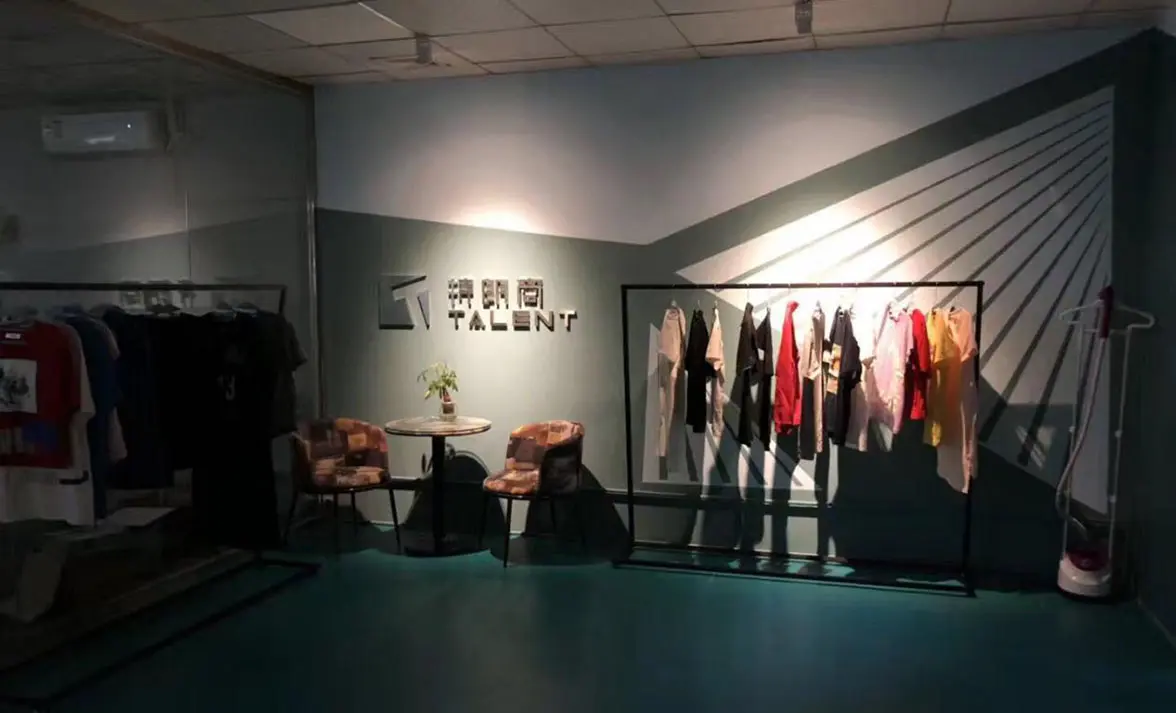
Over the years, we have experienced significant growth and expansion due to our unwavering commitment to excellence. We continuously invest in advanced technologies and processes to increase our production capabilities and meet our customers' growing needs. Our continued growth is a testament to our commitment to providing exceptional products and services.
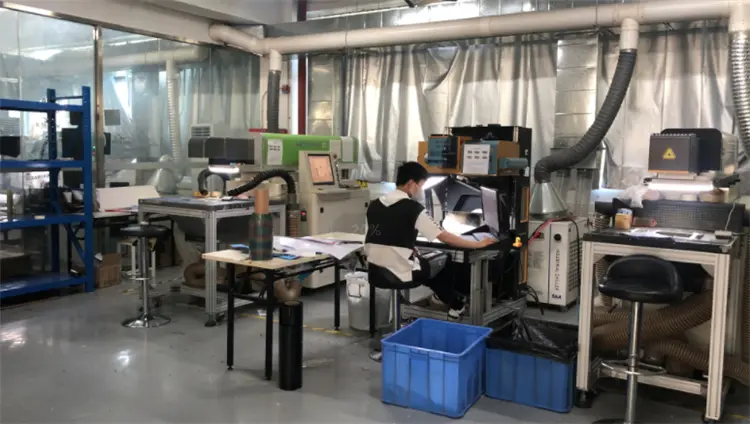
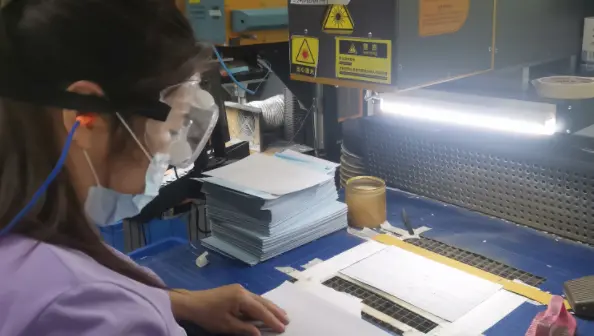
Our state-of-the-art facilities are equipped with the latest technology to ensure efficient production and high-quality output. We have made significant investments in infrastructure to create an enabling environment for innovation, research and development. Our facilities are designed to meet the highest industry standards and meet the diverse needs of our customers.
Analyze how digital integration and visual physics are transforming performance apparel aesthetics.
Brands leverage high-fidelity 3D lenticular silicone patches as instant, eye-level verification methods on outer garments. Counterfeiters struggle to replicate the precise micro-lens geometry required for clean phase transitions, rendering the technology highly valuable for premium brands.
Water-based polyurethane adhesives and low-temperature hot-melts are replacing traditional PVC and plastisol systems. The industry is standardizing around components that do not emit volatile organic compounds during curing, aligning with environmental regulations globally.
Consumers seek items that respond to their lifestyle. Thermochromic panels in sportswear visually highlight temperature control and zones of heat production, while UV-reactive graphics provide immediate visual feedback on radiation intensity, enhancing user engagement.
Detailed technical advice addressing challenges in heat transfer engineering and bulk logistics.
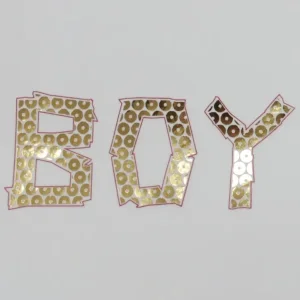
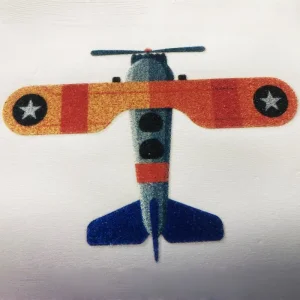
Explore high-end structural graphics, glitter embellishments, and lenticular solutions designed to capture attention.

 TALENT Industrial