Understanding the evolution of premium garment embellishments from simple ink-press designs to high-performance engineering.
The global luxury fashion market has shifted from traditional heavy embroidery and screen printing to lightweight, clean-cut thermal applications. High-end fashion houses in Paris, Milan, and New York require decorations that preserve fabric drape, maintain absolute comfort against skin, and support intricate branding aesthetics.
Modern luxury manufacturing demands clean production. Brands require products certified by OEKO-TEX Standard 100, Class 1, and conforming to REACH specifications. The elimination of PVC, phthalates, and formaldehyde is mandatory to enter elite retail stores and childrenswear categories.
The integration of raw materials like liquid silicone, thermoplastic polyurethanes (TPU), and micro-engineered glass beads (for reflective elements) has revolutionized physical properties. Heat transfers now offer high elasticity (up to 400% elongation), soft-touch textures, and chemical resistance to industrial washing.
China's industrial garment embellishment sector has evolved from low-cost replication to a world-leading hub of technological research, automation, and speed. Chinese manufacturing advantages for global brands include:

How luxury designers, activewear manufacturers, and corporate brands integrate high-grade heat transfers into their collections.
Engineered for high-stretch spandex, nylon, and waterproof DWR fabrics. Using low-temperature melt adhesives and anti-sublimation barrier layers prevents dye-migration on polyester while retaining a lightweight, stretch-resilient feel.
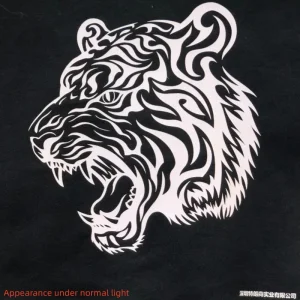
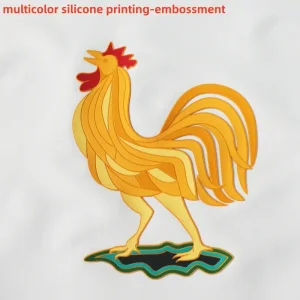
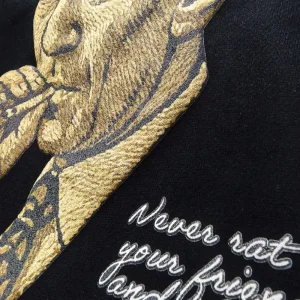
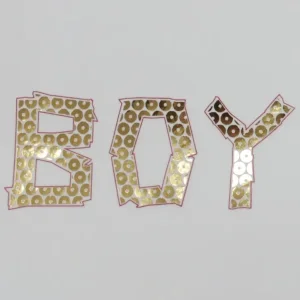
For outer branding, designers select high-definition 3D molded silicone patches and caviar bead transfers. These embellishments add tactile dimension, light-refracting textures, and a structured look to luxury hoodies, heavy cotton t-shirts, and tailored jackets.
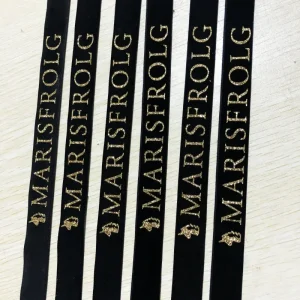
Traditional woven labels cause skin irritation. High-end brands deploy seamless, skin-friendly tagless size labels. These ultra-thin transfers apply cleanly to organic cotton, modal, silk, and merino wool, offering clean typography and a weightless feel.
Integrating R&D, Automated Production, and Professional Quality Management.
SZ Talent is a well-known name in the industry, known for its commitment to quality, innovation and customer satisfaction. We attach great importance to research and development and continuously introduce cutting-edge products that meet the changing needs of the market. Our commitment to excellence makes us a trusted partner for businesses looking for high-quality thermal transfer labels.
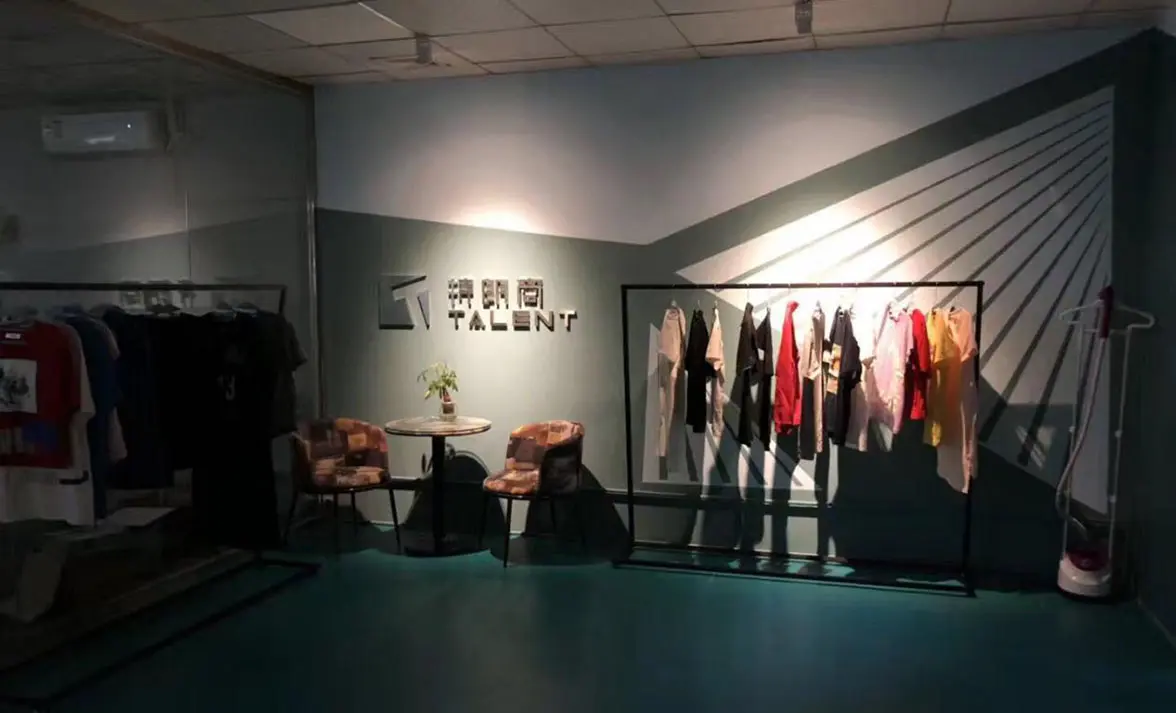

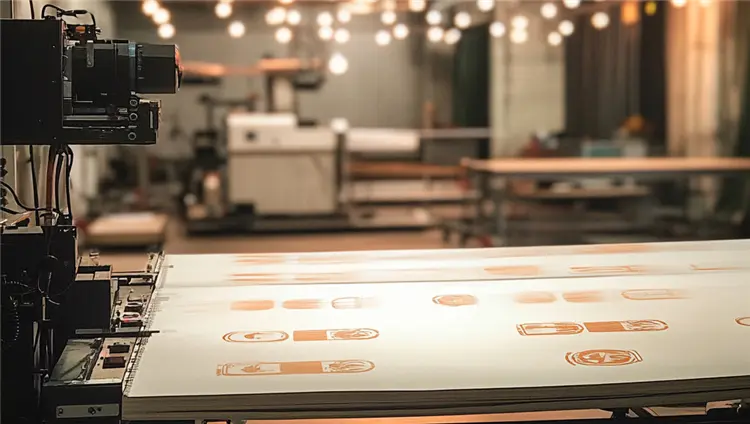
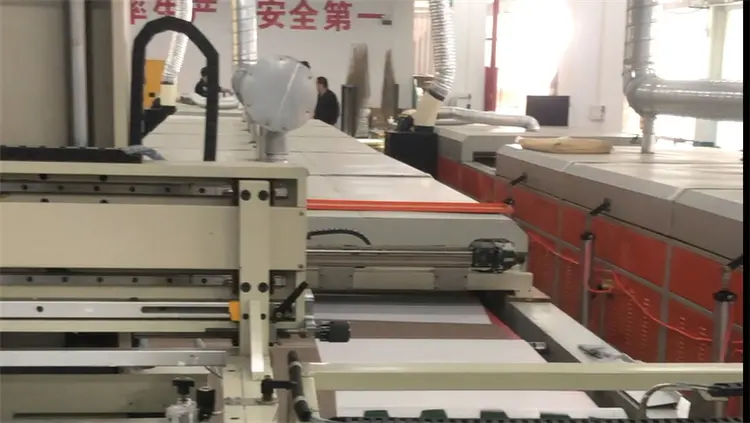
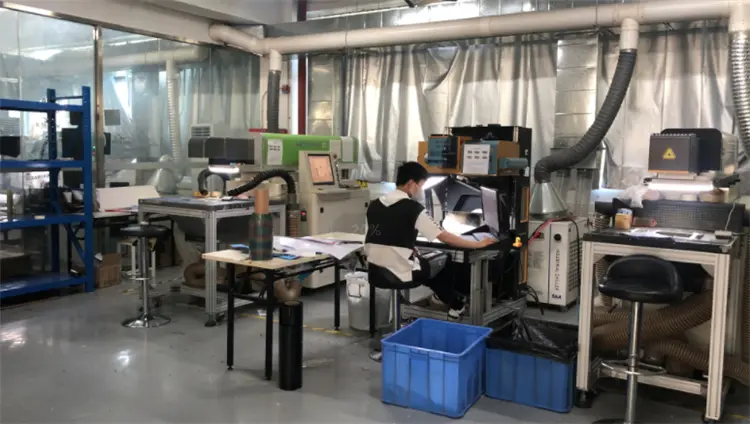
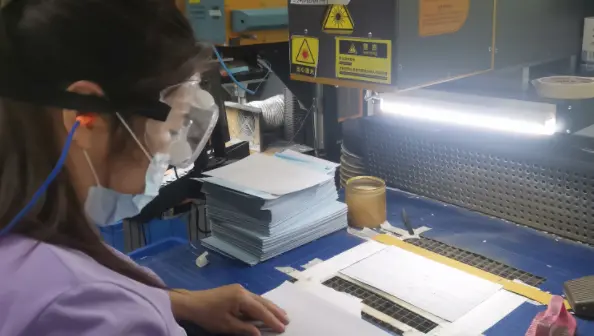
Our team is comprised of experienced professionals who are passionate about delivering exceptional service. We have a talented workforce dedicated to driving the company's growth and success. Our team members are committed to maintaining the highest quality and service standards, ensuring our customers receive the best solutions.
The future of heat transfer technology is responsive, interactive, and environmentally non-toxic.
Integrating thermo-sensitive (thermochromic) and photo-sensitive (UV color-changing) pigments directly into the polyurethane binder. These transfers dynamically react to sun exposure or ambient temperature shifts, blending outdoor functionality with high-concept design.
Pioneering the use of water-soluble release films and vegetable oil-based carrier inks. Reducing single-use polyester film waste by adopting recycled PET (rPET) backing liners that feed into circular economy supply loops.
Fusing distinct material techniques—combining 3D molded silicone bases with metallic foil overlays, caviar beading, or holographic micro-prisms. This provides layered tactile contrasts that cannot be counterfeited, enhancing brand security.
Standardizing your technical criteria ensures batch-to-batch consistency and flawless consumer application.
When purchasing custom heat transfers on a B2B basis, relying on design visuals alone introduces performance risks. Procurement teams must define clear physical and chemical performance standards to align with quality goals.
| Test Type | Industry Standard Target | Critical Measurement Parameter |
|---|---|---|
| Wash Fastness | AATCC 61-2A or ISO 105-C06 | No cracking, peeling, or fading after 50 cycles at 60°C. |
| Elongation & Recovery | ASTM D412 (Standard Test) | Minimum 200% extension with 98% elastic recovery on synthetic knit fabric. |
| Chemical Compliance | OEKO-TEX / REACH / RSL Compliant | Zero PVC, zero phthalate chemical components. Skin-contact safe. |
| Color Match Precision | Delta E (dE) < 1.0 | Color variance checked via spectrophotometer under standard light. |
Additionally, optimizing your heat-press variables ensures successful application: temperature range (140°C - 165°C), dwell time (10 - 15 seconds), and pressure settings (medium to high pressure, 3 - 4 bars). Partnering with an exporter that provides detailed application parameters for each fabric type prevents post-production defects.
Expert technical answers to critical sourcing, production, and testing questions.
 TALENT Industrial