Explore our premium product spectrum engineered with advanced elastomers, anti-migration barriers, and stretch-recovery technologies tailored for functional fitness apparel.

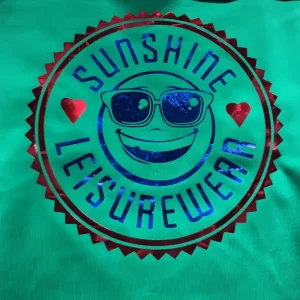
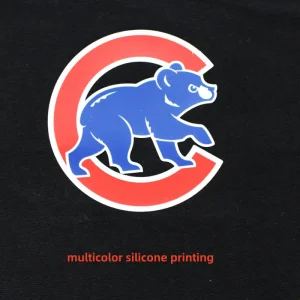

In the contemporary global activewear industry, branding elements have transcended their traditional decorative functions. Modern athletic wear, designed for high-intensity training, yoga, compression support, and outdoor survival, demands trim solutions that match the engineering complexity of the base fabrics themselves. Traditional woven and paper labels are increasingly obsolete due to friction-related skin irritation, high reject rates during processing, and material failure under cyclic stretching.
Today's market demands tagless labeling, high-build silicone graphics, and stretchable polyurethane thermal transfers that can endure extreme environmental conditions without losing structural or aesthetic integrity. Leading global athletic wear brands now implement specialized thermo-bonding labels to achieve a weightless, frictionless user experience while projecting high-end brand value. The shift toward direct-to-garment thermal integration ensures that branding persists throughout the entire service life of the garment, maintaining colorfastness, elastomeric recovery, and adhesion integrity.
According to current market intelligence, the demand for smart, functional, and visually striking branding systems is growing exponentially across North America, Europe, and Asia-Pacific. Brands require eco-certified (OEKO-TEX Standard 100 Class I) and high-durability solutions that pass aggressive retail testing metrics, including standard dynamic elongation tests, color bleed evaluation, and commercial laundering tests exceeding 50 cycles.
The convergence of material science and wearable design has generated major technical advancements in activewear label manufacturing.
Sublimation bleeding on polyester and spandex blends degrades brand aesthetics. Our proprietary barrier coatings prevent dye molecules from migrating through the adhesive matrix, keeping whites bright and neon colors crisp.
Formulated with premium Thermoplastic Polyurethane (TPU) and Liquid Silicone Rubber (LSR). These labels expand and recover up to 500% elongation, eliminating cracking and adhesive failure on modern compression wear.
Zero formaldehyde, zero heavy metals, and zero PVC content. We use water-based inks and eco-friendly hot-melt adhesives, meeting international safety criteria for direct skin contact and baby wear.
All materials undergo strict quality controls, including AATCC washing standards (Method 135) and ISO 6330 laundering tests to verify adhesive strength, color retention, and chemical stability under repeated physical stresses.
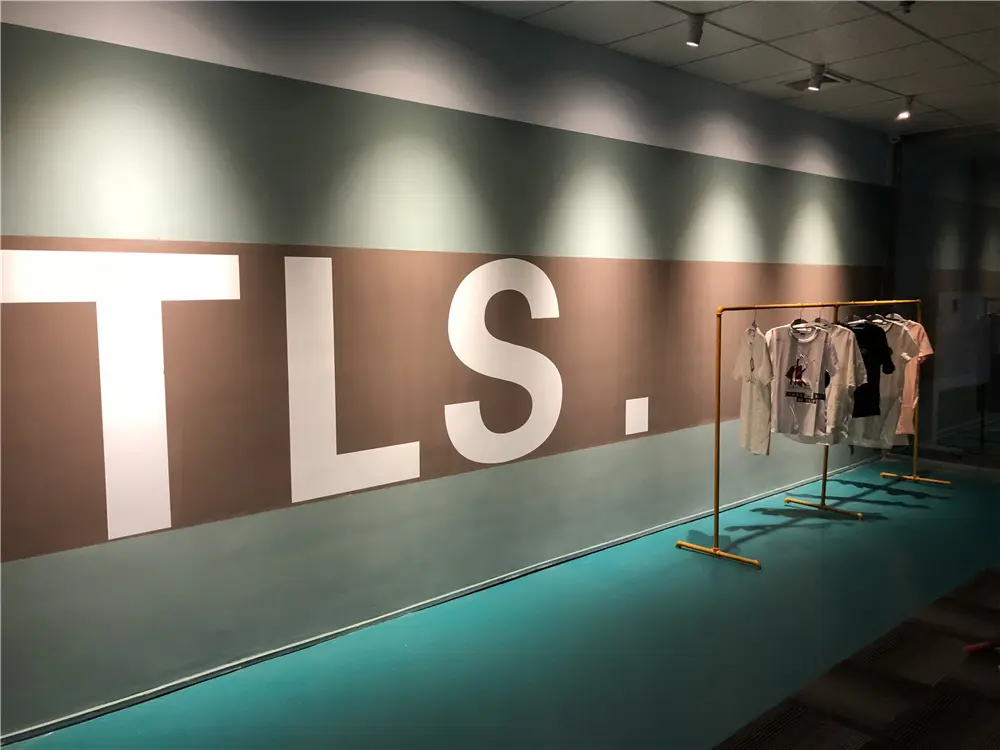
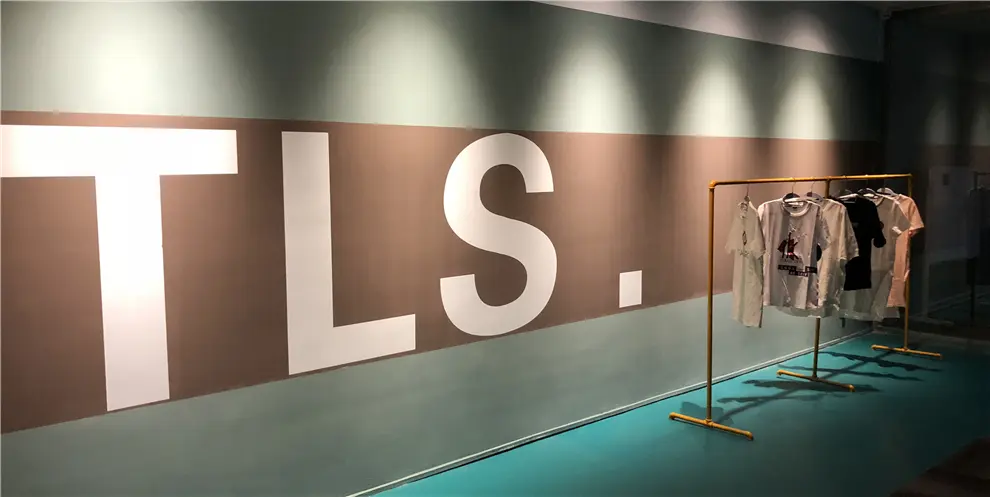
SZ Talent stands as a premier modern enterprise specializing in the research, development, and high-volume manufacture of premium heat transfer labels and smart trims. Combining innovative materials science, automated production systems, and strict quality assurance, we supply Tier-1 sportswear brands and apparel factories globally.
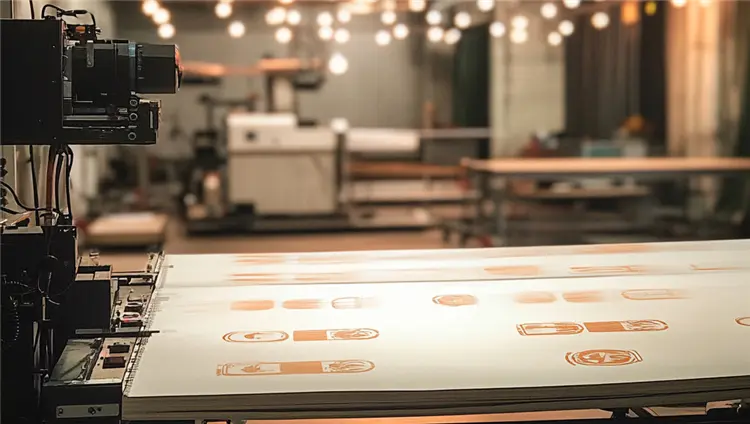
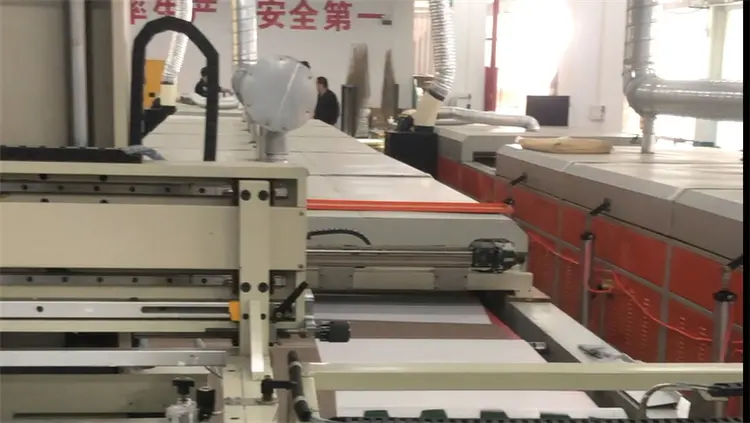
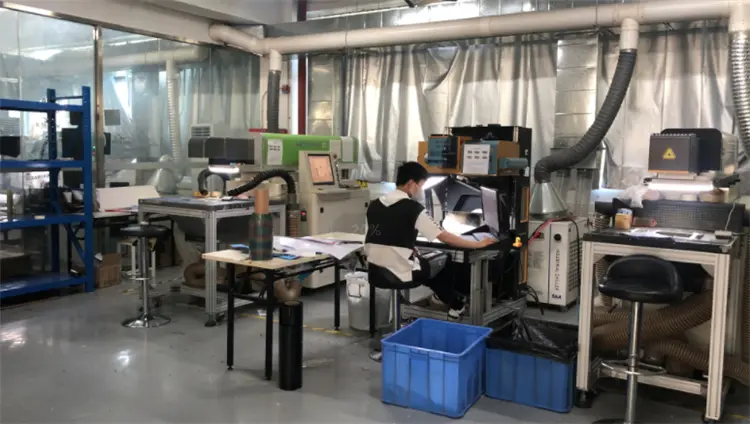
Our core philosophy centers on performance, precision, and environmental responsibility. We invest in high-efficiency automatic screen-printing lines, optical inspection systems, and advanced testing laboratories to ensure consistency across every production batch. From design engineering to high-volume shipping, our technical teams provide seamless assistance to optimize bonding parameters on varied synthetic textiles.
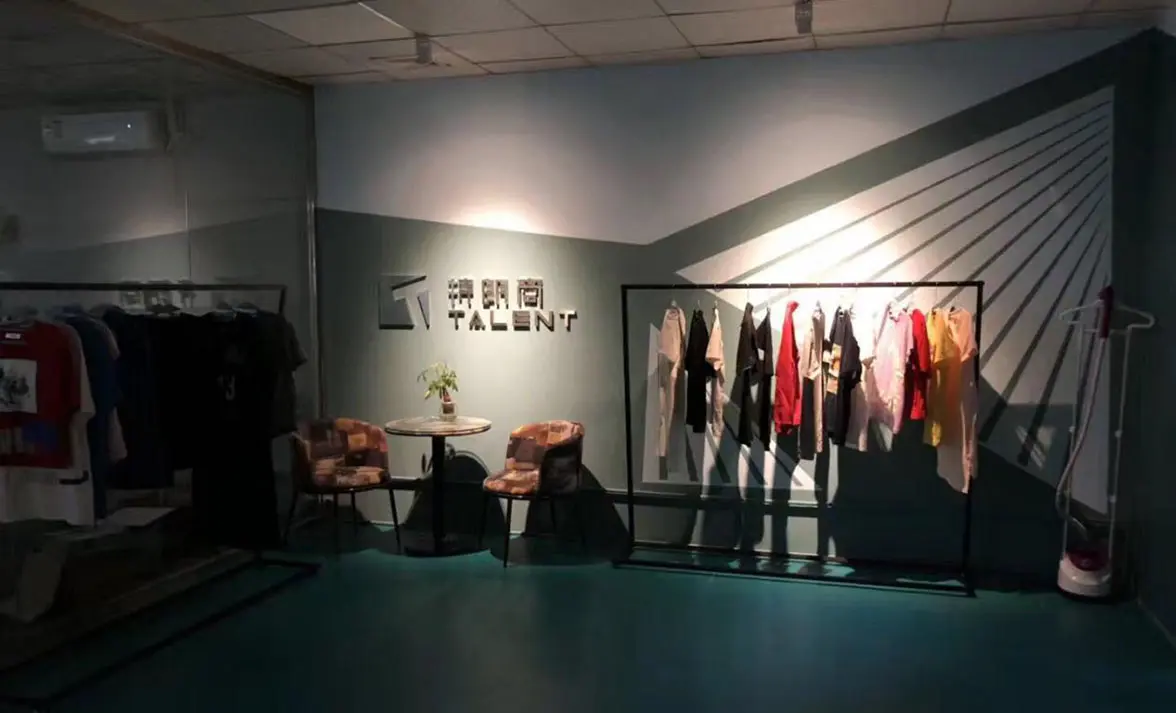
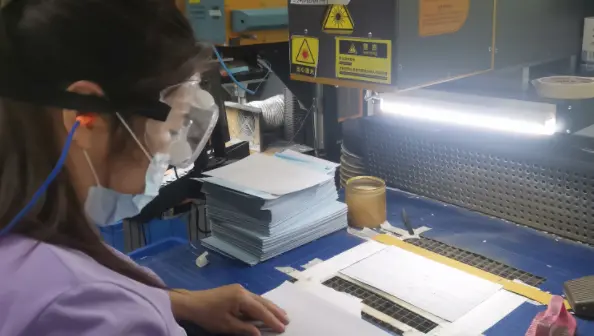
Our facilities feature high-precision machinery operated by industry professionals. We maintain rigorous standards across all production processes to supply high-performance branding solutions worldwide.
Different athletic activities require specific material properties. We optimize heat transfer properties to align with garment specifications.
For garments utilizing nylon-spandex and Lycra, labels must offer soft, smooth contact with skin and seamless stretch. We recommend our high-stretch silicone transfers for zero-feel performance and standard physical recovery.
Running apparel requires low-light visibility. Our micro-glass bead reflective heat transfers meet EN ISO 20471 standards, providing high luminance and retroreflective performance under headlights or streetlights.
Rainwear and winter coats demand windproof and waterproof integrity. Our specialized backing adhesives bond with DWR (Durable Water Repellent) coatings, maintaining adhesion through severe weather exposure.
Our ongoing material science research centers on smart integration, improved recyclability, and production efficiency.
As circular economy principles become standard in activewear, labels must align with monomaterial recycling processes. We are developing bio-derived polyester and polyamide-compatible hot-melt adhesives. This allows polyester garments to be recycled without removing branding elements first, saving energy and cutting down on waste.
Next-generation activewear uses conductive paths directly within the heat transfer print. We are designing stretchable, conductive TPU inks that combine decorative branding with sensor capabilities. This allows brands to integrate heart-rate monitoring, heat zones, and RFID tracking into standard branding trims.
Highly sensitive synthetic fabrics are vulnerable to thermal marking and shrinkage at high application temperatures. Our R&D team is developing low-temperature curing adhesives that activate at 110°C to 120°C with short dwell times. This protects delicate fabrics while reducing processing times during manufacturing.
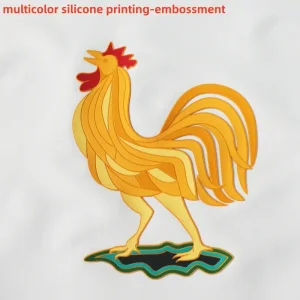
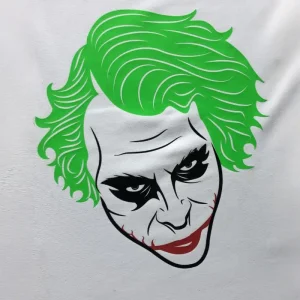
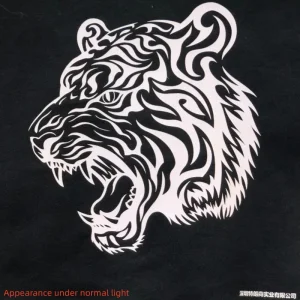
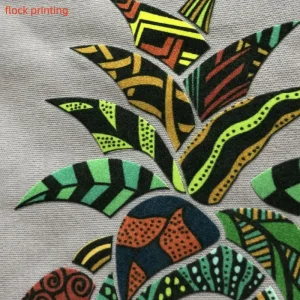
As consumer preferences lean toward high-end aesthetics, 3D textured labels are in demand. Our product line utilizes multi-layer screen printing and high-build silicone molding to generate variable textures, soft metallic looks, and sharp definition that stands up to heavy washing.
We continue updating our testing processes to keep pace with changing retailer criteria. Our internal laboratory evaluates adhesion peel strength, colorfastness, crocking resistance, and hydrolysis under diverse temperatures to ensure performance in warm, humid climates.
Find answers to common questions about material parameters, application processes, and order specifications.
Polyester dye migration, or sublimation, occurs when dispersed dyes in polyester fibers travel into the heat transfer adhesive at high temperatures. We prevent this by applying a specialized carbon or chemical barrier layer between the adhesive and the ink, trapping dye molecules and preserving label colors.
Application parameters vary based on the fabric composition. Standard TPU transfers apply at 135°C–150°C, 3–4 bars pressure, for 10–12 seconds. High-build silicone patches may require bottom-platen heating and longer dwell times. We suggest conducting pilot tests on sample fabrics to calibrate your equipment.
Yes, our raw materials carry OEKO-TEX Standard 100 Class I certification, verifying they are safe for direct skin contact. We formulate our inks without PVC, plasticizers, formaldehyde, or heavy metals, making them ideal for high-sweat environments and children's garments.
Our performance heat transfer labels pass 50 standard home laundering cycles at 40°C, conforming to ISO 6330 test standards. They are designed to prevent cracking, peeling, or fading when properly bonded to recommended textiles.
Standard adhesives can have difficulty bonding with DWR or silicone oil-treated fabrics. To solve this, we manufacture specialized adhesive formulations designed to anchor through the treatment coating to the base fabric fibers, securing a durable bond.
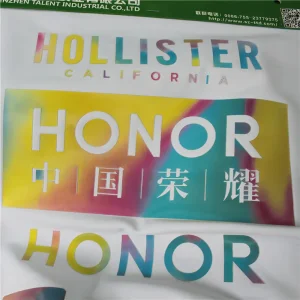
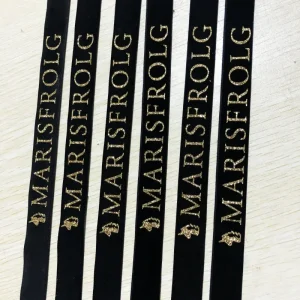
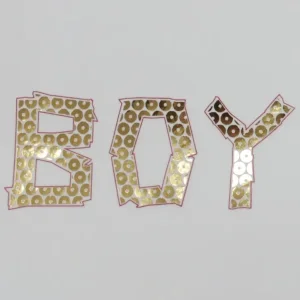
Browse our specialty design options, featuring high-reflectivity, multi-dimensional structures, and temperature-bonded graphics.
 TALENT Industrial