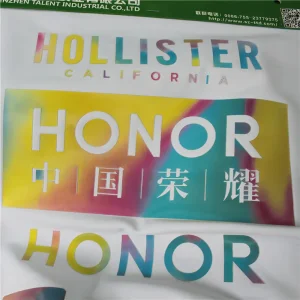
Discover our advanced manufacturing lineup designed for high-performance athletic apparel, branding protection, and functional streetwear aesthetics.
Within the rapidly consolidating global textile and functional branding industries, the convergence of multi-sensory aesthetic appeal, absolute brand authentication, and mechanical resilience is redefining label standards. Traditional embroidered patches and low-grade polyvinyl chloride (PVC) badges fail to meet the rigorous physical requirements of next-generation synthetics or the aesthetic ambitions of premium labels. This is where Dimensional Holographic Silicone Badges represent a critical paradigm shift.
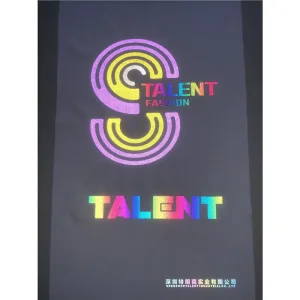
Combining the tactile flexibility and thermal tolerance of liquid silicone rubber (LSR) with micro-prismatic, high-refractive optical films, these badges reflect light in dynamic spectra while withstanding the intense wear-and-tear characteristic of professional sportswear and protective gear. As global consumer demand migrates toward interactive, responsive apparel graphics, these badges stand at the pinnacle of secure, visually arresting trim design.
Integrating micro-optics and molecular silicone bonding demands precise environmental control. Below are the operational benchmarks certified by our quality control division:
The market valuation of smart and tactile trims continues to expand as global supply chains favor ecological, highly technical decoration solutions.
Counterfeit apparel costs global designers billions annually. Utilizing proprietary multi-angle microprismatic arrays embedded within silicone, our dimensional holographic badges serve as high-security, tamper-evident deterrents that cannot be replicated via standard flat screen printing.
With regulations tight on PVC and heavy plastisols, our plant relies strictly on eco-certified silicone. Our raw inputs meet the stringent OEKO-TEX Standard 100, minimizing volatile organic compounds (VOCs) and facilitating clean recycling at the end of product life cycles.
Our formulation includes UV stabilizers preventing polymer degradation at high altitudes. This makes our holographic badges ideal for performance outerwear, alpine ski garments, and marine sailing gear exposed to high UV indexes and saltwater corrosion.
A direct comparative analysis of performance profiles across common athletic branding substrates demonstrates the superiority of medical-grade silicone.
| Performance Parameters | Dimensional Silicone Badges (SZ Talent) | Thermoplastic Polyurethane (TPU) | Polyvinyl Chloride (PVC) |
|---|---|---|---|
| Tactile Hand-Feel & Elasticity | Ultra-soft, dynamic stretch return (>300% elongation) | Semi-rigid, susceptible to creasing | Stiff, high-hardness profile |
| Thermal Stability & Melting Point | Extremely high (-50°C to 250°C functional range) | Medium, softens above 80°C | Low, cracks in cold temperatures |
| Environmental Compliance | Zero heavy metals, non-toxic, recyclable | Variable, often requires plasticizers | Contains toxic phthalates; restricted by major brands |
| Dye Migration Resistance | Built-in anti-migration formulation | Prone to dye bleeding over time | Very low resistance without heavy chemical barriers |
| Optical Complexity | Depth arrays via holographic film encapsulation | Flat surface reflectivity only | Matte or glossy basic color finishes |
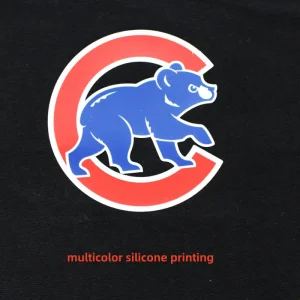
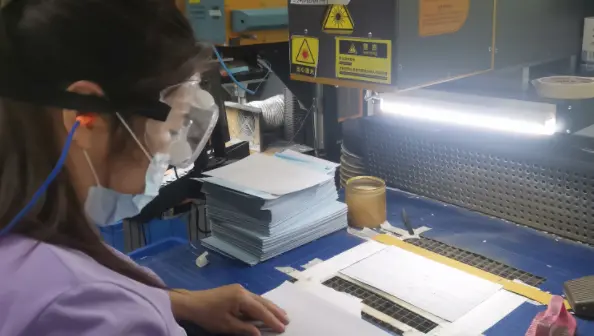
Our manufacturing process relies on micro-mold vulcanization and precision hot-melt compounding to produce unmatched trim durability.
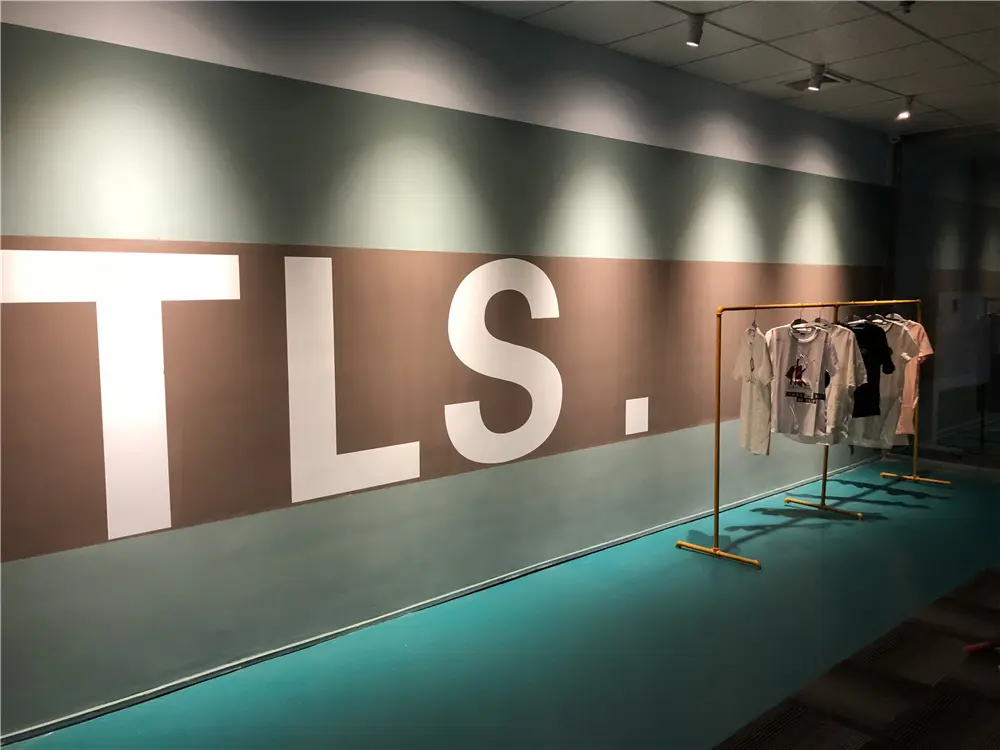
Combining decadal experience, automated manufacturing lines, and a strict quality assurance framework to serve global apparel brands.
SZ Talent is a leading company with more than ten years of experience specializing in all kinds of heat transfer labels. Our comprehensive approach combines innovation, research and development, production, sales, processes and service. We are proud of our industrial automated production lines, dedicated team of technical experts and strong management system. Our focus remains on developing innovative, environmentally friendly, functional, and fashionable heat transfer products.
We adhere to the core values of quality-oriented, integrity-based, mutual benefit, promoting innovation and ensuring long-term development. Our efforts are always focused on meeting the needs of our customers. Over the years, we have experienced significant growth and expansion due to our unwavering commitment to excellence. We continuously invest in advanced technologies and processes to increase our production capabilities and meet our customers' growing needs. Our continued growth is a testament to our commitment to providing exceptional products and services.
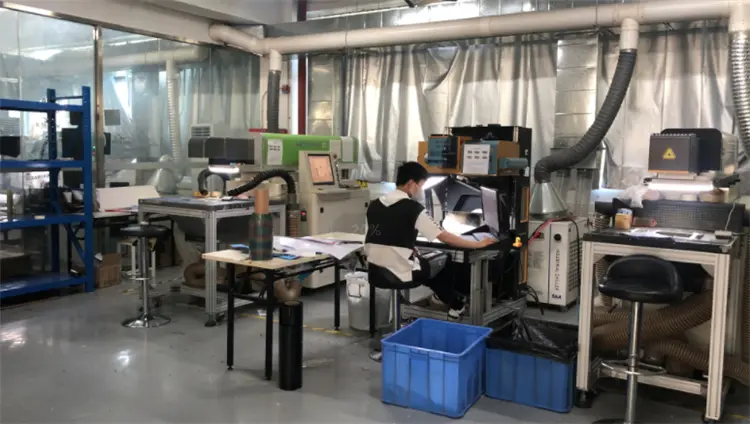
Our state-of-the-art facilities are equipped with the latest technology to ensure efficient production and high-quality output. We have made significant investments in infrastructure to create an enabling environment for innovation, research and development. Our facilities are designed to meet the highest industry standards and meet the diverse needs of our customers.
Our team is comprised of experienced professionals who are passionate about delivering exceptional service. We have a talented workforce dedicated to driving the company's growth and success. Our team members are committed to maintaining the highest quality and service standards, ensuring our customers receive the best solutions.
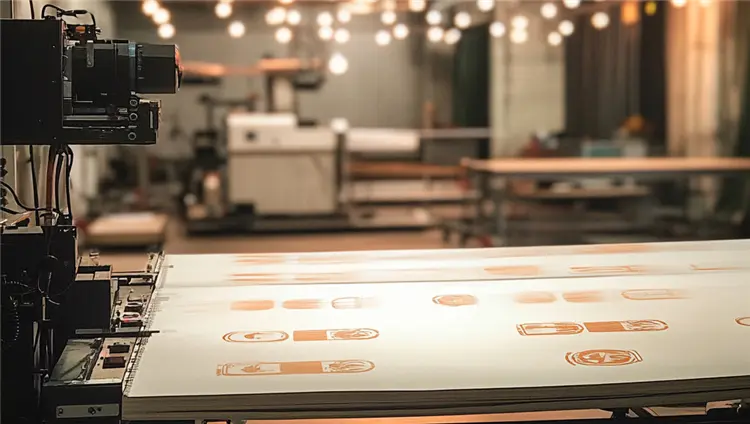
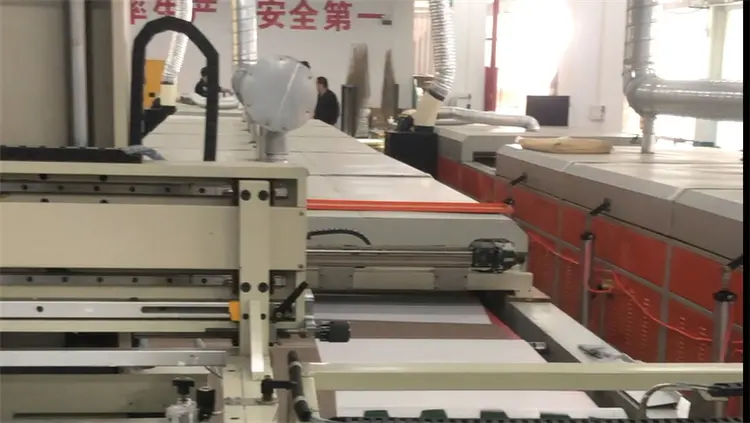
Understand the molecular properties, bonding temperatures, and washing standards of our dimensional holographic silicone transfers.
Explore our complete range of specialized print transfers, ranging from high-elasticity reflective films to precision-cut foam structures.
 TALENT Industrial