Explore our industrial-grade, certified heat transfer label series designed to withstand challenging substrates, stretch requirements, and wash-durability demands.


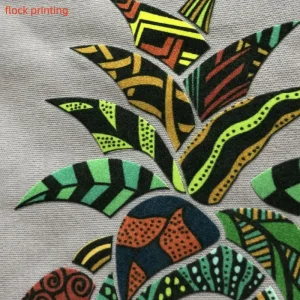
An Industrial Analysis of Sublimation Migration Controls, Polymeric Inhibitors, and Global Supply Chain QC Standards.
Within high-performance athletic apparel manufacturing, dye migration (sublimation bleeding) remains a persistent technical challenge. When decorated polyester, softshells, and blended synthetic garments are heat-pressed, the disperse dyes within the fabric fibers are reactivated by the application temperature (typically between 130°C and 160°C). These dyes transform into gaseous forms and migrate upward, penetrating standard thermoplastic adhesive films and staining white or light-colored graphic transfer print surfaces.
Standard Polyvinyl Chloride (PVC) and basic Polyurethane (PU) transfers lack structural barrier defenses. Consequently, branded logos experience discoloration—turning white prints into undesirable pinks, light blues, or muddy yellows—weeks after the production phase. Addressing this challenge requires Anti-Sublimation Heat Transfers equipped with active chemical blocking layers and low-temperature activation parameters designed to isolate migrate-prone pigments.
A multi-layered cross-sectional analysis of composite blocker coatings and active carbon insulation technology.
By incorporating micro-porous active carbon powder within the intermediate polyurethane layer, migrating gaseous dyes are bound and held within the physical carbon matrix, preventing upward passage into the primary pigment layers.
High-stretch thermoplastic polyurethane films maintain elongation integrity exceeding 200%. This dynamic physical barrier stretches with compression knit garments without developing micro-fractures in the anti-sublimation block.
Our formulation incorporates advanced polyurethane hot-melt adhesive powder that crosslinks at 130°C to 140°C. Lowering the application temperature minimizes the heat stress that triggers disperse dye vaporization in polyester fabrics.
| Performance Parameter | Standard Decorative HTV | SZ Talent Anti-Sublimation System | Testing Protocol Compliance |
|---|---|---|---|
| Dye Penetration Prevention | Fails on Deep Sublimated Polyester | 100% Barrier Integrity (Grade 4-5) | AATCC 163 (Colorfastness to Dye Migration) |
| Heat Application Temp | 150°C – 165°C | 125°C – 135°C (Low Thermal Stress) | Internal Heat Press Calibration Protocols |
| Wash Cycles (60°C) | 10 – 15 Cycles (Cracks & Fades) | 50+ Cycles (Zero Delamination) | ISO 6330 (Domestic Washing and Drying) |
| Stretch & Recovery | Moderate (Stretches up to 100%) | High Elasticity (Stretches up to 250%) | ASTM D4964 (Elastic Fabric Elongation) |
| Eco-Safety & Skin Contact | Contains Phthalates / High Formaldehyde | Zero Phthalates, Heavy Metal Free | OEKO-TEX Standard 100 Class I Certified |
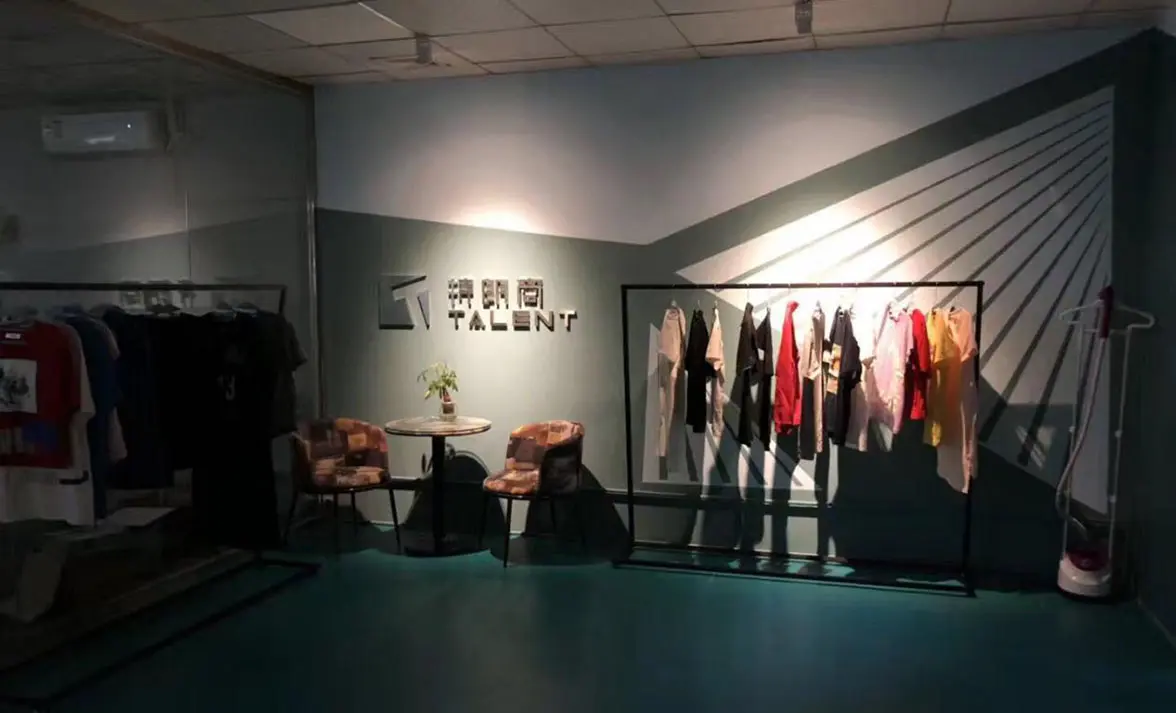
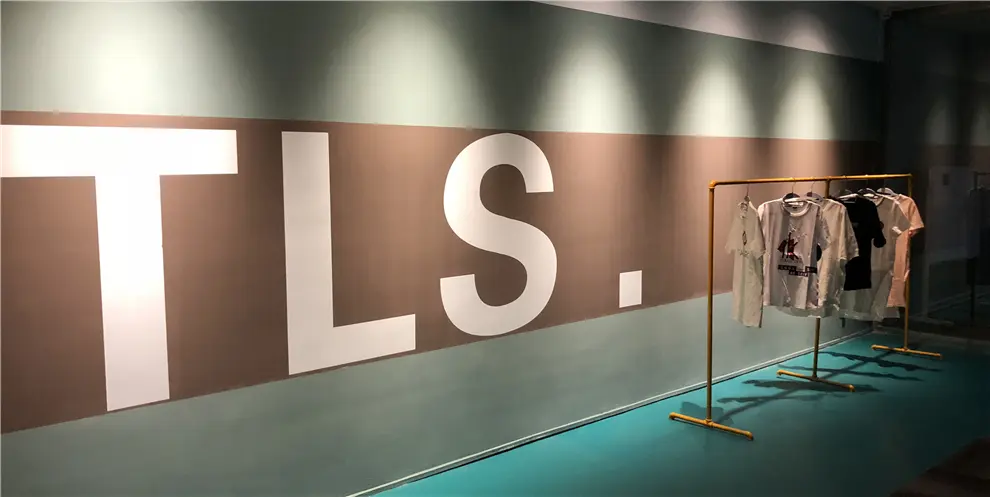
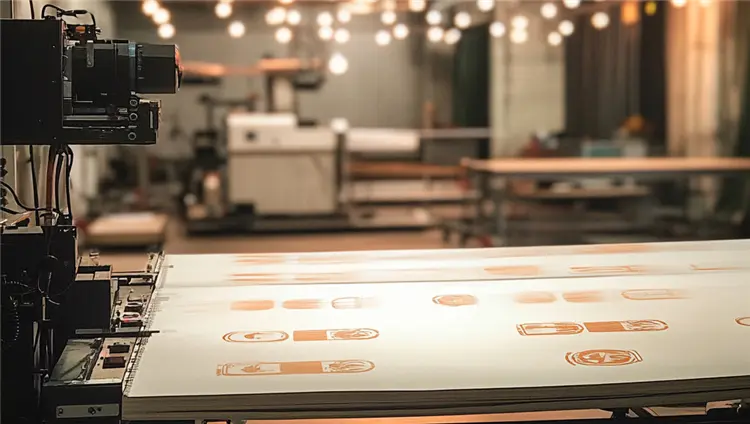
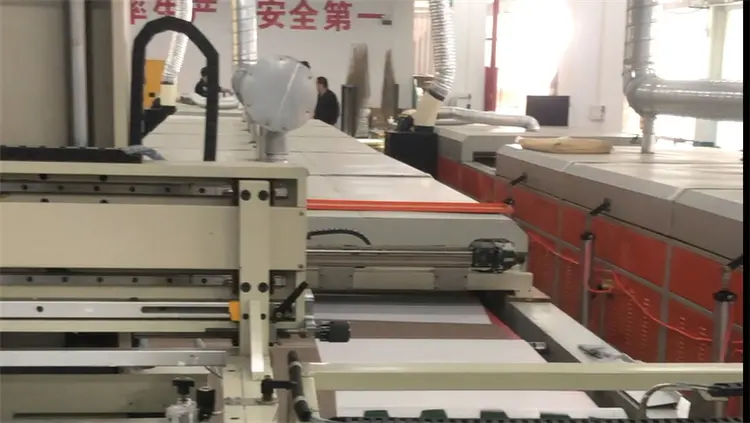
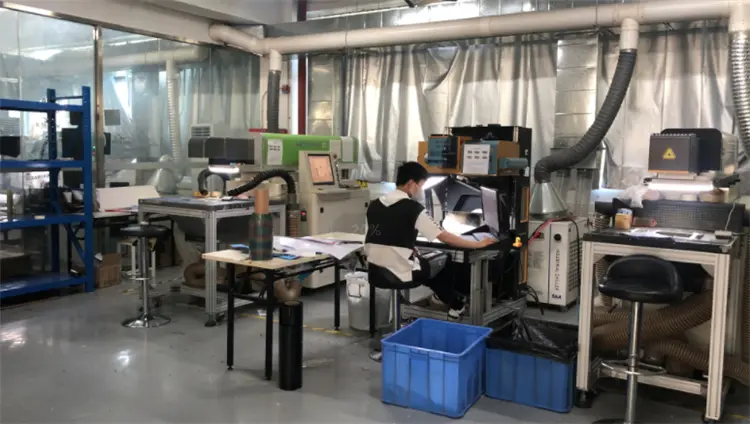
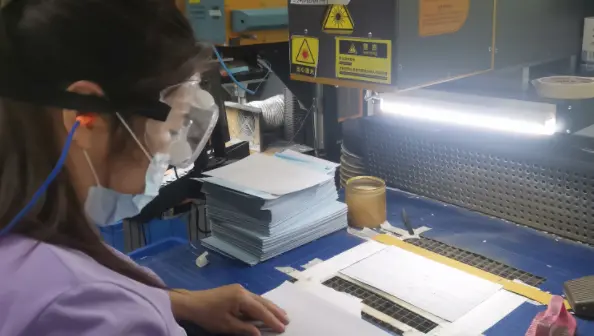
SZ Talent is a leading company with more than ten years of experience specializing in all kinds of heat transfer labels. Our comprehensive approach combines innovation, research and development, production, sales, processes and service. We are proud of our industrial automated production lines, dedicated team of technical experts and strong management system. Our focus remains on developing innovative, environmentally friendly, functional, and fashionable heat transfer products.
We adhere to the core values of quality-oriented, integrity-based, mutual benefit, promoting innovation and ensuring long-term development. Our efforts are always focused on meeting the needs of our customers.
How international athletic brands design quality assurance frameworks for high-volume heat transfer components.
Procurement teams require spectrophotometer-verified Pantone and Lab color values. Our matching workflows ensure batch-to-batch deviations (Delta E) remain below 1.0, preserving brand guidelines across global production runs.
Global compliance regulations require chemical formulation testing. Our anti-sublimation inks undergo gas chromatography-mass spectrometry (GC-MS) validation, ensuring compliance with REACH Annex XVII and OEKO-TEX lists.
From base polyester carrier films to hot-melt granules, all raw materials are documented and tracked. Batch retention samples are stored for 24 months, enabling retroactive troubleshooting of performance variations.
Optimal heat press parameters and structural controls to ensure long-term wash performance and dye migration resistance.
To establish secure physical bonding without activating gaseous polyester dye sublimations, production operators must monitor parameters within the following processing window:
Problem: Transfer edges lifting after 5 standard wash cycles.
Root Cause: Sub-optimal crosslinking temperature or uneven platen pressure during heat-press application.
Solution: Verify heating element calibration using heat-test strips. Adjust mechanical leveling to ensure uniform pressure across the platens.
Problem: Dark polyester dyes bleeding through white graphic areas.
Root Cause: Application heat exceeds fabric dye threshold, or the print lacks an anti-sublimation barrier.
Solution: Lower the press temperature to 130°C and swap basic films for a carbon-barrier anti-sublimation transfer system.
A look at upcoming development projects in barrier chemistry and eco-friendly raw materials.
Transitioning from solvent-based chemistry to water-dispersible polyurethane coatings. This reduces volatile organic compound (VOC) emissions during casting while maintaining wash durability.
Integrating crystalline cellulose particles into the barrier membrane. This structure blocks dye vapor molecules at the molecular level, allowing for thinner transfer labels.
Formulating low-temperature hot-melt adhesives that crosslink at 115°C to 120°C, helping protect sensitive synthetic materials from thermal damage during application.
Supporting apparel production hubs with localized support and chemical safety certifications.
SZ Talent provides global logistics support, shipping directly to apparel production centers in Vietnam, Bangladesh, Cambodia, Indonesia, Turkey, and Central America. We understand that global supply chains require quick delivery and reliable quality checks to prevent line downtime.
We work with international logistics providers to offer air freight, ocean shipping, and consolidated cargo options, including door-to-door customs clearing services. Every shipment includes batch test certificates and chemical safety reports to ensure hassle-free customs processing.
Common technical questions answered by our materials laboratory engineering team.
A broad selection of technical transfers designed for apparel branding, custom silicone patches, and durable interior sizing labels.



 TALENT Industrial