Explore our premium range of silicone transfers, reflective patches, and specialized multi-technique brand emblems engineered for extreme durability and wash-resistance.

A technical analysis of materials chemistry, micro-lens alignment, and thermal fusion technologies that are reshaping premium textile branding.
Lenticular silicone transfers use high-precision micro-lens arrays extruded on premium TPU or transparent liquid silicone rubber (LSR). These optical grooves refract light to yield vivid depth, flip, or 3D animations when viewed from different angles.
Depending on application complexity, we employ lens frequencies from 75 LPI to 161 LPI (Lines Per Inch). High-pitch configurations produce seamless, flicker-free movement transitions ideal for premium chest emblems and neck labels.
Utilizing high-performance hot-melt polyurethane or co-polyester adhesives, our labels establish chemical bounds with technical fabrics, resisting delamination even under extreme tensile stretching and machine wash cycles.
Conventional PVC-based micro-lenses degrade under UV rays and release plasticizers. Modern 3D lenticular transfer technology uses environmentally friendly Liquid Silicone Rubber (LSR) and Thermoplastic Polyurethane (TPU). This change provides 100% skin compatibility (OEKO-TEX Certified) and enables the emblem to return to its original shape after undergoing 200% mechanical strain.
| Performance Specification | Liquid Silicone Base Value | TPU Copolymer Base Value | Verification Test Standard |
|---|---|---|---|
| Shore Hardness | 45A - 60A (Soft, highly flexible) | 85A - 95A (Rigid, crisp lens definition) | ASTM D2240 |
| Refractive Index | 1.43 - 1.46 | 1.53 - 1.59 | ASTM D542 |
| Wash Cycle Resistance | > 50 Cycles at 60°C | > 50 Cycles at 40°C | ISO 6330 (Method 4N) |
| Elongation at Break | > 250% | > 150% | ASTM D412 |
| Thermal Application Temperature | 145°C - 160°C for 12-15 sec | 130°C - 145°C for 10-12 sec | Standard Heat-Press Calibration |
From Olympic sportswear to luxury designer wear, premium brands are integrating 3D lenticular silicone embellishments to project high-tech brand value.
The functional garment embellishment industry is moving away from flat screen prints to tactile, dynamic, and textured 3D appliques. Our global logistics and manufacturing data indicates a significant increase in demand for silicone-based materials. Sports teams and athleisure manufacturers are prioritizing silicone over PVC due to its eco-friendly chemistry, soft texture, and ability to prevent dye migration on sublimated polyester fabrics.
Furthermore, high-end lifestyle apparel brands are adopting 3D lenticular designs as an anti-counterfeiting solution. The complexity of aligning lenticular micro-lenses with sub-millimeter printed patterns creates a high barrier to entry, protecting intellectual property and securing supply chains against counterfeit goods.
How global industries apply 3D lenticular silicone heat transfers across localized sports, industrial safety, and high-fashion markets.
Used by premium athletic brands in the USA and Canada. These flexible, non-irritating 3D silicone transfers are applied directly onto high-stretch fabrics (Nylon/Spandex blends) for workout wear and training gear.
Complies with strict REACH regulations and OEKO-TEX Standard 100 Class I. Brands in France, Italy, and Germany utilize these transfers to create PVC-free, tactile logos for outdoor gear and eco-friendly garments.
Integrated with high-visibility retro-reflective backings. Heavy industries in Australia, Japan, and Singapore apply these durable lenticular silicone elements to worker uniforms, offering both high durability and visibility.
The research directions and manufacturing innovations shaping the next decade of advanced apparel trim systems.
We are integrating AI-driven optical scanners on our automated screen-printing and cutting lines. This real-time quality control system maintains print-to-lens alignment within a 0.05mm tolerance, reducing defect rates in high-LPI production runs.
To prevent fabric damage and dye migration on heat-sensitive performance fabrics, we are developing adhesives that activate at lower temperatures (115°C–125°C). This protects the material structure of technical outdoor wear.
Future iterations of our 3D silicone transfers will combine lenticular designs with thermochromic pigments. The design shifts based on both viewing angle and body temperature, creating dynamic visual changes during intense activity.
We are transitioning to bio-derived polyurethanes and silicones sourced from non-food agricultural waste, aiming for a 40% reduction in carbon footprint across all manufacturing steps by 2028.
How our vertically integrated production base in Shenzhen, China, ensures reliable delivery, cost efficiency, and fast turnaround times.
Operating in China's advanced manufacturing corridor allows us to run a highly integrated supply chain. We source raw silicone, TPU carrier films, specialized optical inks, and release liners within a 50-kilometer logistics radius, reducing material transport times and minimizing production delays.
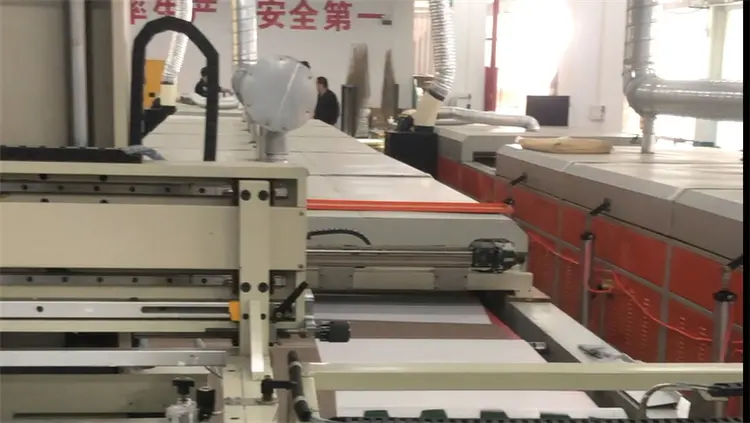
With automated, high-output screen printing and micro-injection molding equipment, we can process urgent sample requests within 48 to 72 hours, with bulk production orders delivered in 7 to 10 days.
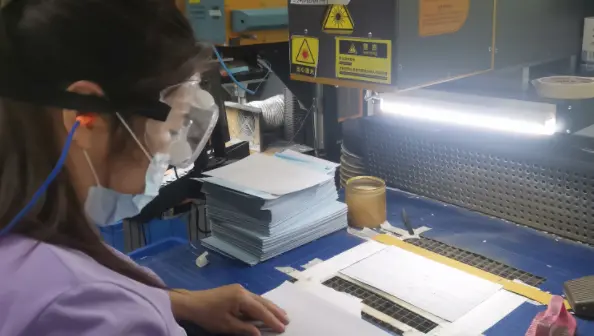
Our quality management team conducts automated inspection, colorimeter matching, and tensile testing on every batch. We provide complete chemical safety documentation to guarantee compliance with destination markets.
We work with global freight forwarders to handle customs clearances, offering door-to-door delivery options (DDP/DAP) to the United States, Europe, and Southeast Asia to minimize shipping friction.
A leading company specializing in innovative, environmentally friendly, and functional heat transfer labels.
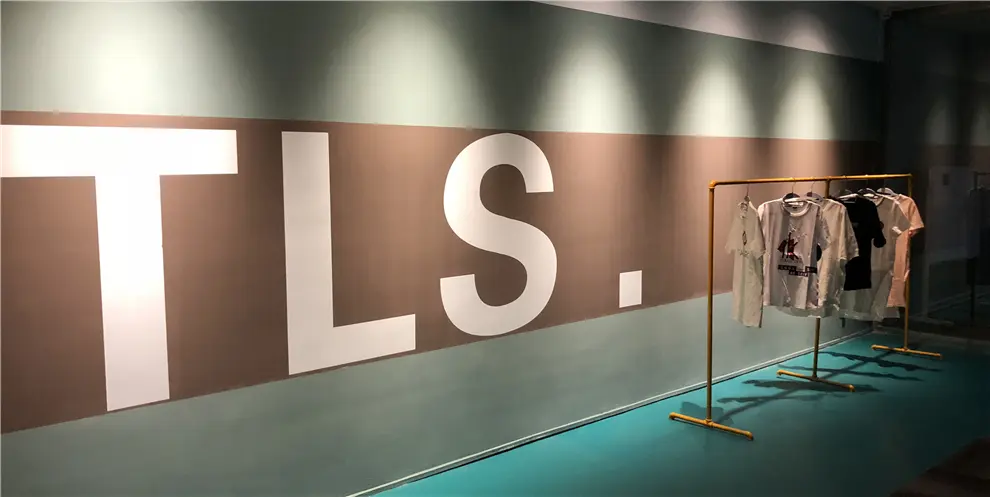
SZ Talent is a leading company with more than ten years of experience specializing in all kinds of heat transfer labels. Our comprehensive approach combines innovation, research and development, production, sales, processes and service. We are proud of our industrial automated production lines, dedicated team of technical experts and strong management system. Our focus remains on developing innovative, environmentally friendly, functional, and fashionable heat transfer products.
We adhere to the core values of quality-oriented, integrity-based, mutual benefit, promoting innovation and ensuring long-term development. Our efforts are always focused on meeting the needs of our customers. We attach great importance to research and development and continuously introduce cutting-edge products that meet the changing needs of the market. Our commitment to excellence makes us a trusted partner for businesses looking for high-quality thermal transfer labels.
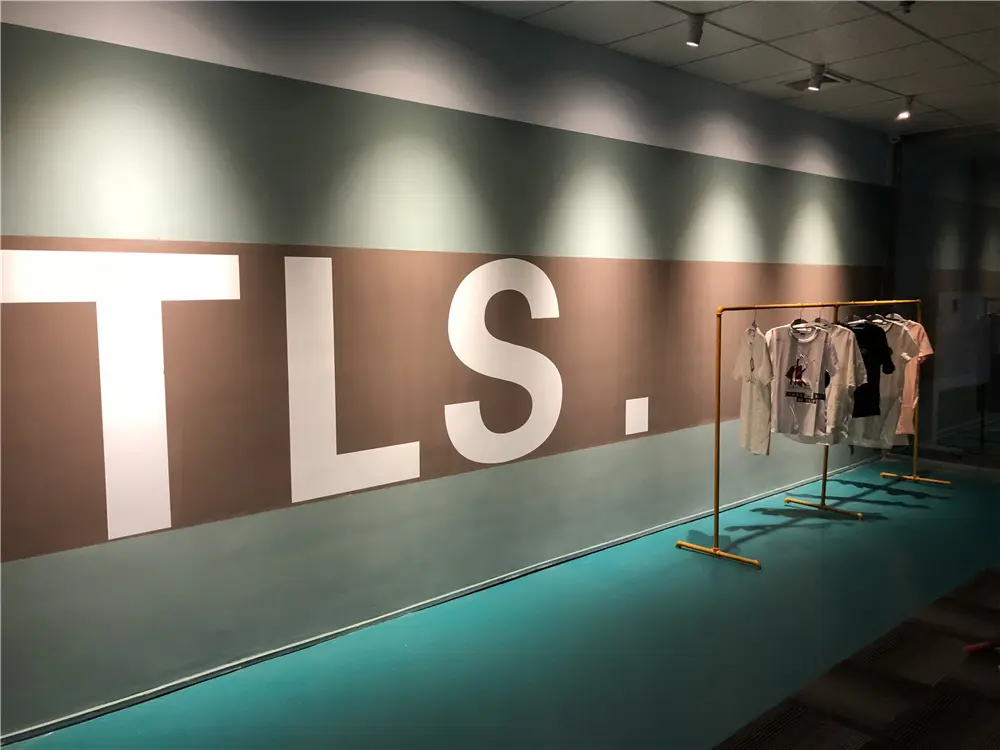
Our team is comprised of experienced professionals who are passionate about delivering exceptional service. We have a talented workforce dedicated to driving the company's growth and success. Our team members are committed to maintaining the highest quality and service standards, ensuring our customers receive the best solutions.
Over the years, we have experienced significant growth and expansion due to our unwavering commitment to excellence. We continuously invest in advanced technologies and processes to increase our production capabilities and meet our customers' growing needs. Our continued growth is a testament to our commitment to providing exceptional products and services.
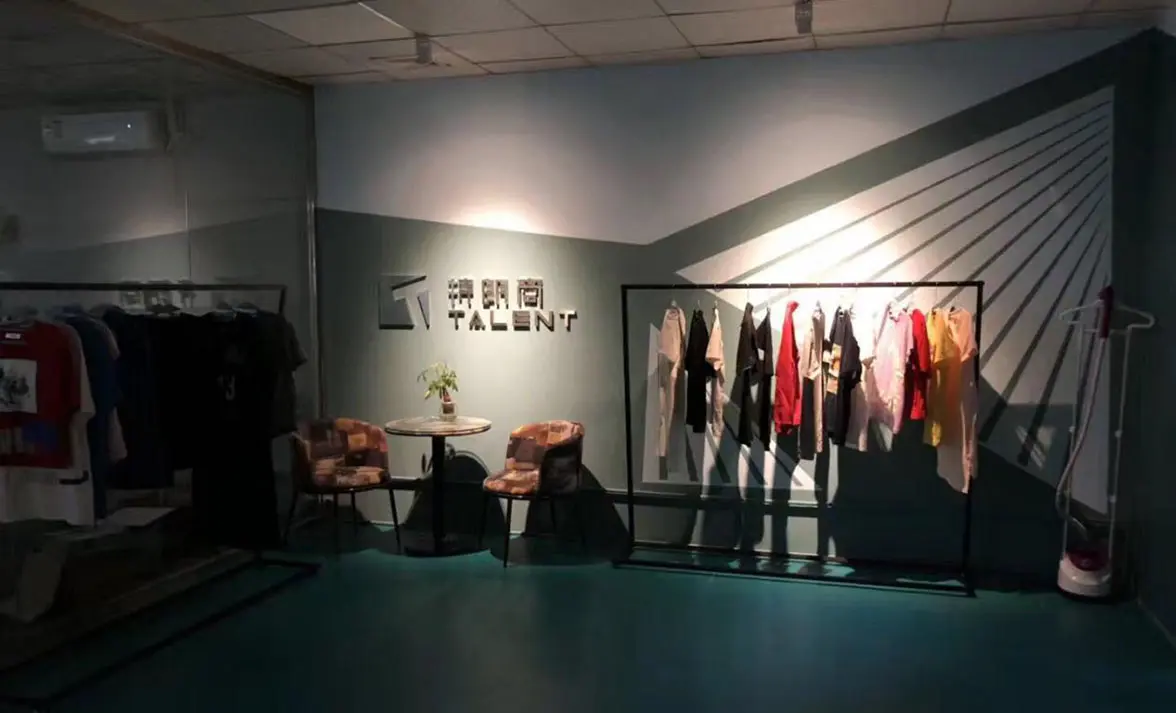
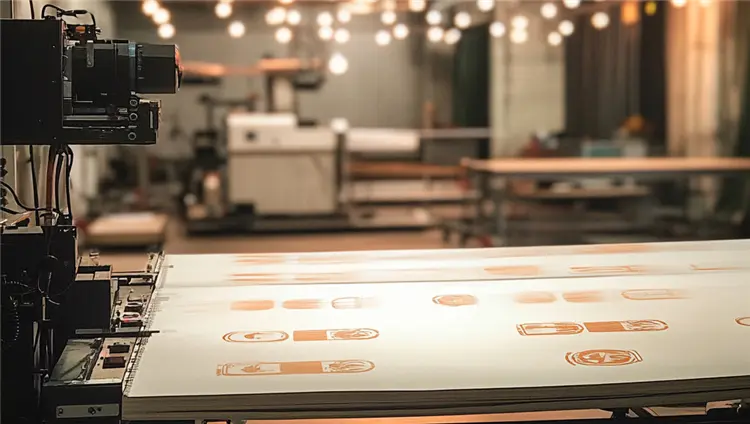
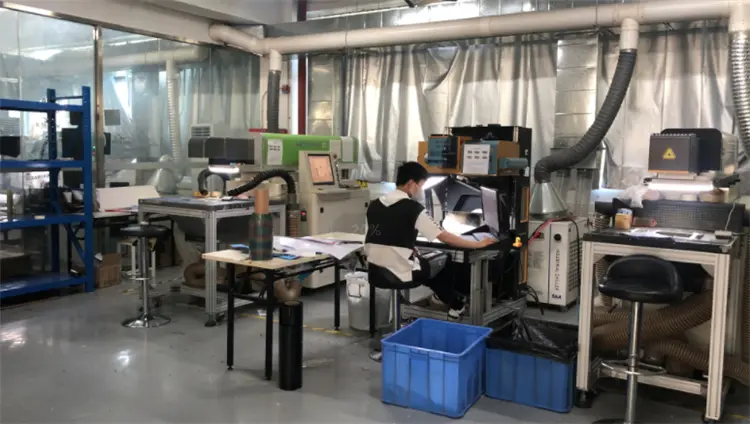
Our state-of-the-art facilities are equipped with the latest technology to ensure efficient production and high-quality output. We have made significant investments in infrastructure to create an enabling environment for innovation, research and development. Our facilities are designed to meet the highest industry standards and meet the diverse needs of our customers.
Get answers to technical and logistical questions about specifying, sourcing, and applying 3D Lenticular Silicone Heat Transfers.
To ensure the optical 3D effect works properly, the minimum recommended lens thickness is 0.4mm, with a minimum line width of 0.8mm. Fine lines below this range may not support the necessary micro-lens structure required to project depth or clean frame flips.
We use an anti-sublimation block-out layer integrated into our liquid silicone backing formula. This carbon-infused barrier blocks polyester dyes from migrating into the light-colored elements of the transfer when heat pressed.
Yes, but they require a specialized adhesion-promoter backing. Please inform us if you are applying these to fabrics treated with Durable Water Repellent (DWR) or high-density polyurethane coatings so we can adjust the adhesive formulation.
Our raw silicone materials and carrier bases comply with OEKO-TEX Standard 100 Class I (safe for infants) and European REACH chemical standards. We also test raw products for heavy metals, phthalates, and organotin compounds.
When stored in a temperature-controlled environment (20°C–25°C, relative humidity under 60%) away from direct sunlight, our silicone transfers retain full adhesion performance for up to 12 months from the date of manufacture.
Explore our range of thermochromic, metallic, and holographic silicone solutions for high-performance apparel.
 TALENT Industrial