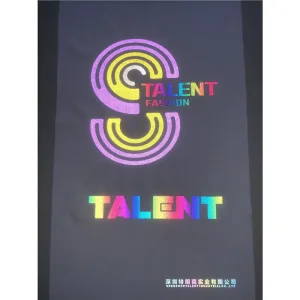
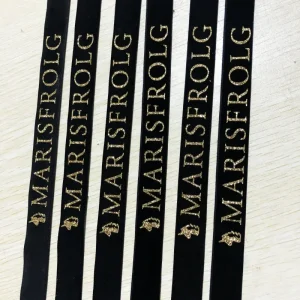
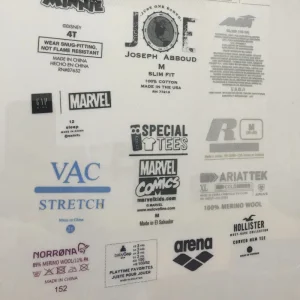
Explore our industrial-tested solutions optimized for modern corporate apparel and safety workwear systems.
Why modern workwear brands are abandoning woven labels for polyurethane-based, high-performance heat transfers.
In the high-intensity environments of commercial logistics, healthcare, military service, and heavy industrial settings, the physical integrity of a uniform's design components is critical. Historically, corporate clothing relied on woven or satin labels stitched into the inner collar. However, this traditional approach presents ongoing challenges, such as mechanical friction against the skin leading to worker discomfort, as well as fraying and structural breakdown during high-temperature industrial laundry cycles.
Today, the global apparel industry is shifting towards Seamless Heat Transfer Inner Neck Size Labels. These advanced labels leverage high-performance thermoplastic polyurethane (TPU) and specialized water-based, elastic-curing inks. By eliminating stitching, manufacturers reduce production steps, lower raw material margins, and enhance wearer comfort, while ensuring complete brand and safety information remains legible over years of wear.
Staying ahead of regulatory shifts, material developments, and manufacturing demands globally.
Global regulatory bodies like REACH, EPA, and OEKO-TEX enforce strict rules against formaldehyde, lead, and phthalates. Industrial size label manufacturers are shifting to water-based, bio-derived, and solvent-free raw materials to ensure safe skin contact.
Work uniforms in healthcare and food processing are frequently laundered at temperatures up to 85°C (185°F) for sanitation. Modern size labels must be engineered to resist peeling, cracking, and melting under these intense wash and drying conditions.
With rising global labor costs, garment factories rely on automated roll-fed heat transfer machinery. Standardized, high-speed heat transfers can reduce positioning and pressing times down to 2–4 seconds per garment.
Understanding cost structures, materials, and batch economics for procurement decision-makers.
For procurement officers, sourcing size labels involves balancing unit costs with application performance. Lower-quality transfers risk peeling, leading to costly product recalls or uniform returns. Below is a breakdown of technical factors and cost structures based on production volume.
Unit pricing varies by volume, color count, adhesive complexity (e.g., standard vs. high-stretch/dye-migration resistant), and format (cut-single pieces vs. continuous roll systems).
| Label Configuration | Target Application | MOQ (Units) | Estimated Price Range (USD/pcs) |
|---|---|---|---|
| 1-Color Standard TPU Transfer | Corporate, Casual Uniforms, Cotton Blends | 5,000 | $0.015 – $0.035 |
| Multi-Color Eco-Silicone Label | High-Stretch Performance Wear, Sportswear | 3,000 | $0.040 – $0.085 |
| Dye-Migration Resistant Label | Sublimated Polyester, Heavy synthetic dyes | 5,000 | $0.025 – $0.055 |
| Reflective Safety Classification Label | Hi-Vis Workwear, Logistics, Traffic control | 1,000 | $0.060 – $0.150 |
SZ Talent is a leading company with more than ten years of experience specializing in all kinds of heat transfer labels. Our comprehensive approach combines innovation, research and development, production, sales, processes and service. We are proud of our industrial automated production lines, dedicated team of technical experts and strong management system. Our focus remains on developing innovative, environmentally friendly, functional, and fashionable heat transfer products.
We adhere to the core values of quality-oriented, integrity-based, mutual benefit, promoting innovation and ensuring long-term development. Our efforts are always focused on meeting the needs of our customers.
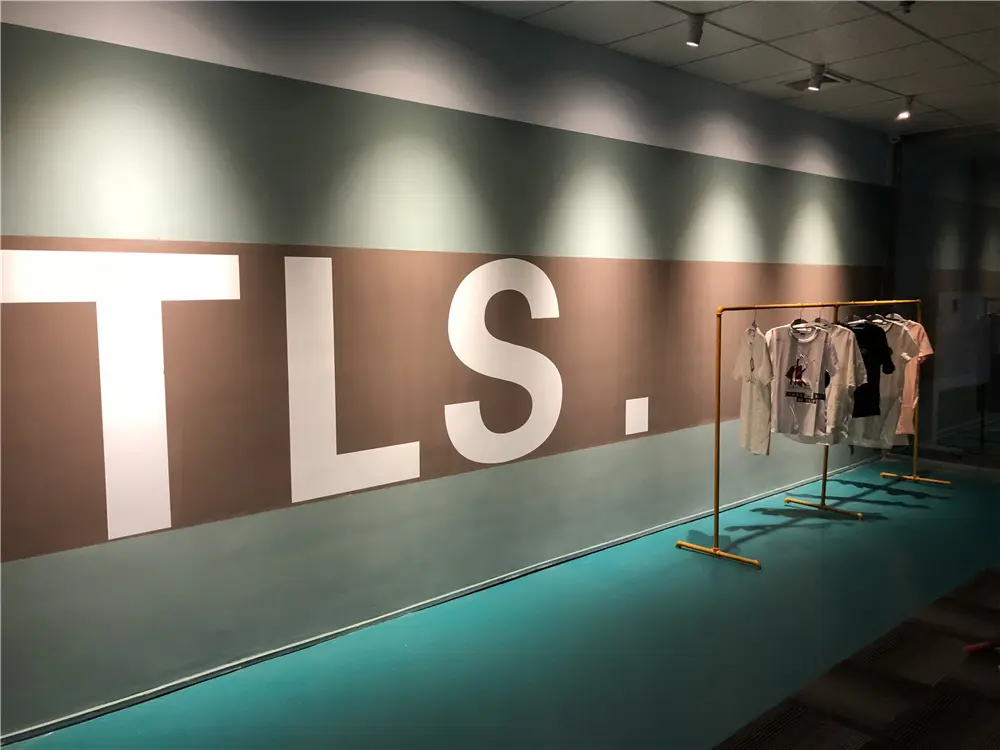
SZ Talent is a well-known name in the industry, known for its commitment to quality, innovation and customer satisfaction. We attach great importance to research and development and continuously introduce cutting-edge products that meet the changing needs of the market. Our commitment to excellence makes us a trusted partner for businesses looking for high-quality thermal transfer labels.
Our team is comprised of experienced professionals who are passionate about delivering exceptional service. We have a talented workforce dedicated to driving the company's growth and success. Our team members are committed to maintaining the highest quality and service standards, ensuring our customers receive the best solutions.
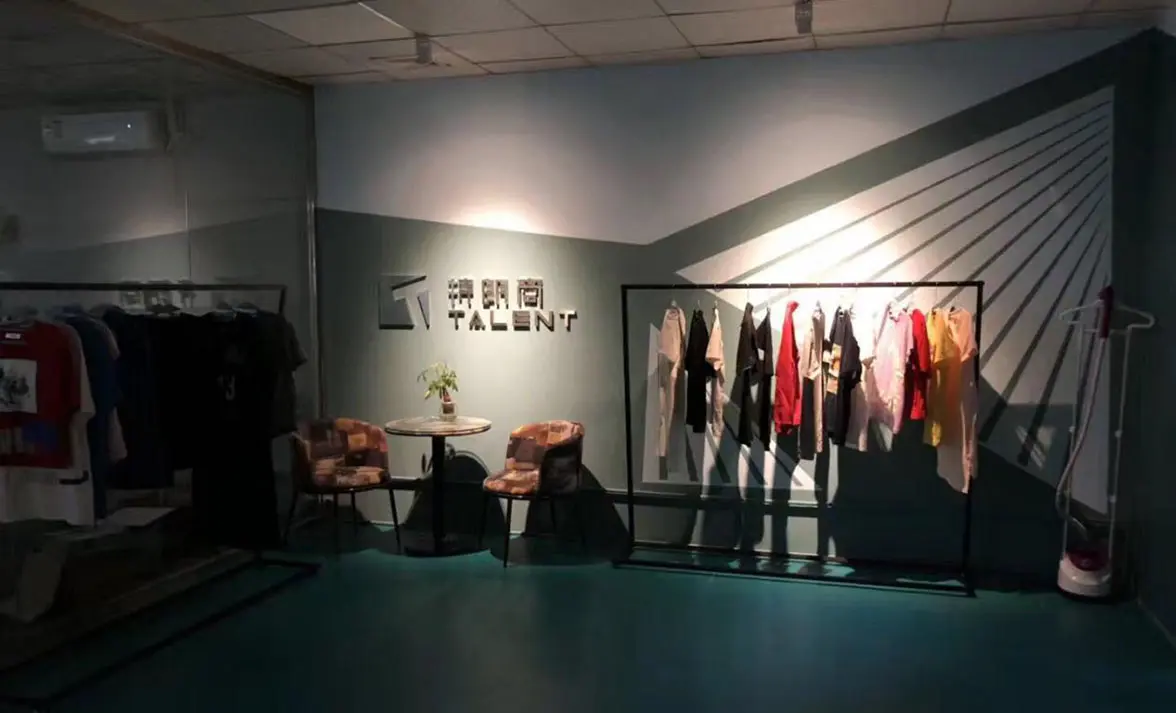
Over the years, we have experienced significant growth and expansion due to our unwavering commitment to excellence. We continuously invest in advanced technologies and processes to increase our production capabilities and meet our customers' growing needs. Our continued growth is a testament to our commitment to providing exceptional products and services.
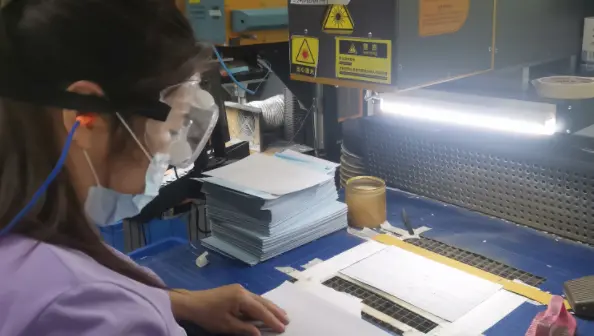
Our state-of-the-art facilities are equipped with the latest technology to ensure efficient production and high-quality output. We have made significant investments in infrastructure to create an enabling environment for innovation, research and development. Our facilities are designed to meet the highest industry standards and meet the diverse needs of our customers.

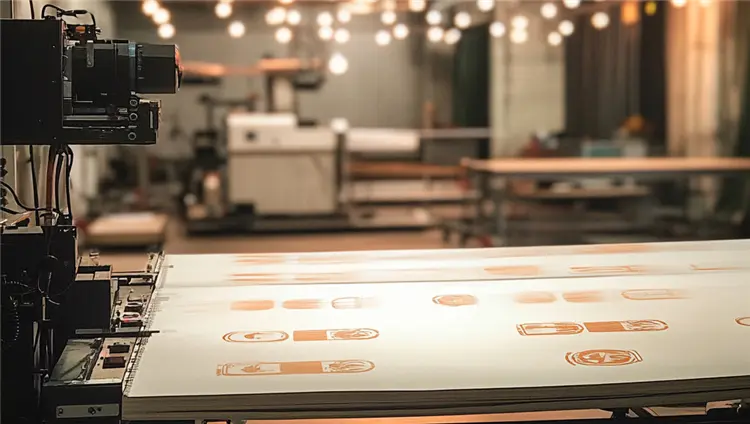
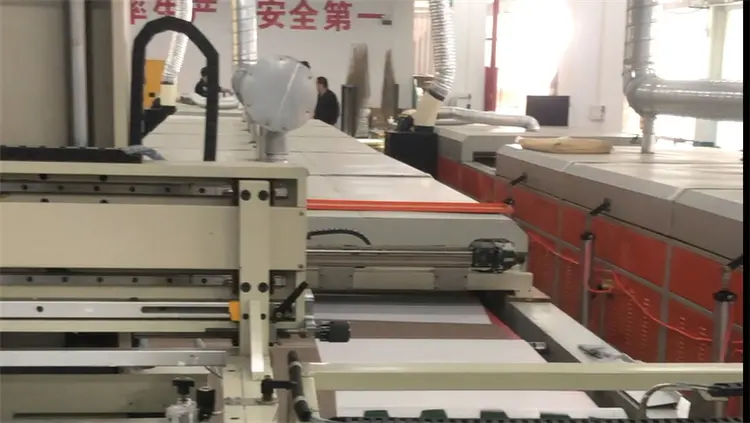
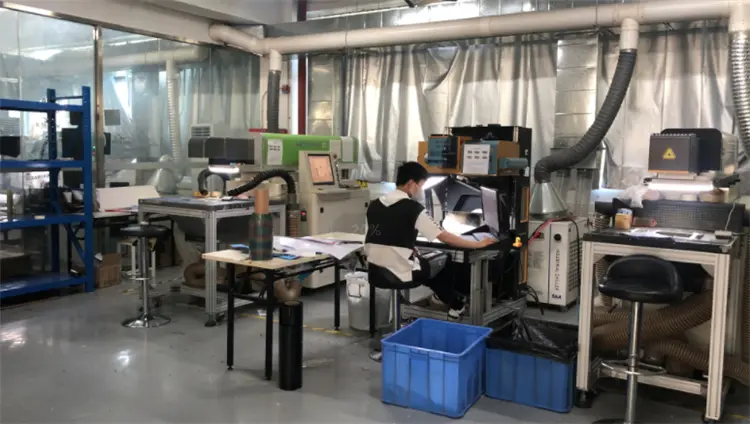
Ensuring that chemical compositions and physical components meet strict international trade compliance frameworks.
Tested for harmful substances, ensuring safety for direct, continuous contact with sensitive skin, suitable for medical, military, and infant apparel.
Incorporates integrated active carbon or black blocker print layers to neutralize synthetic dye migration in sublimated polyester garments, preserving color purity.
Strategically packaged in rolls or custom sheets to fit automated factories across Southeast Asia, Central America, and Eastern Europe, ensuring consistent supply lines.
A look at next-generation smart labels and eco-friendly chemistry coming to industrial apparel lines.
As the apparel sector adapts to smart manufacturing, labels are shifting from static sizing markers to functional, data-carrying components. SZ Talent is actively investing in three primary research directions to support this evolution:
By embedding flexible, ultra-thin silicon micro-chips within TPU heat transfer sizing labels, brands can trace garments throughout their lifecycle. This supports warehouse inventory management, deters counterfeiting, and facilitates automated textile recycling sorting.
To reduce dependence on fossil-fuel-derived polymers, our lab works with agricultural processing units to create bio-based hot-melt adhesives derived from corn starch and vegetable waste, matching the wash durability of conventional synthetic options.
Designed for industrial safety gear, these labels change color at specific temperature limits or when exposed to dangerous environments, helping protect workers from extreme heat or exposure to chemical vapors.
Addressing technical challenges and order specifications for bulk industrial label purchasing.
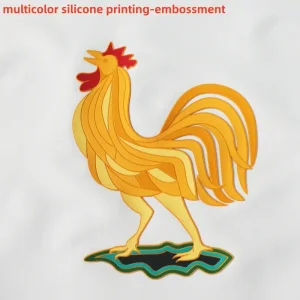
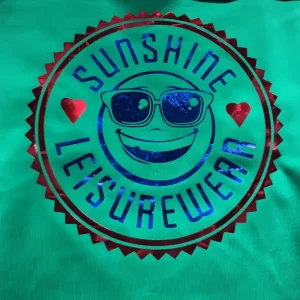
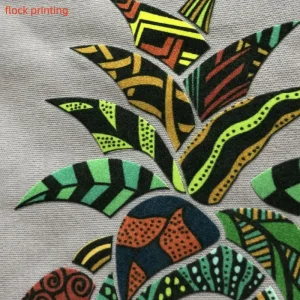
Explore specialized transfer configurations, from high-visibility reflective elements to tactile flocked branding patches.
 TALENT Industrial