Premium factory-direct solutions featuring advanced color-changing materials, ultra-adhesion technical coatings, and high-spec structural dynamics.

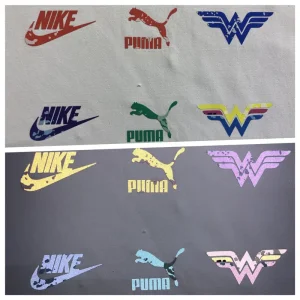
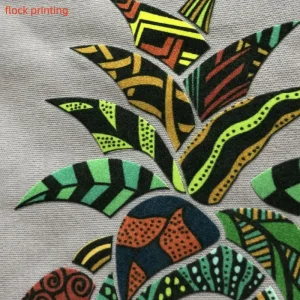
In the modern performance garment industry, polyester and dye-sublimated synthetic fabrics dictate the sportswear landscape. However, fabric processors face a critical, persistent challenge: Dye Migration. When applying typical thermo-transfer labels to sublimated polyester fabrics, the heat activates the disperse dyes inside the polyester fibers. These gaseous dyes migrate through the adhesive layer, permanently discoloring and bleeding into the decorative branding graphic.
To combat this, the industry relies on Sublimation-Block (anti-sublimation) heat transfer technology. By incorporating a high-density, microscopic barrier coat—often made of activated carbon particles or specialized polyurethane chemical formulations—manufacturers isolate the fabric's volatile dye sublimation compounds. Worldwide demand for certified Oeko-Tex Standard 100 anti-sublimation transfers is surging, especially with the exponential rise of recycled polyester (rPET) which displays highly unpredictable heat reactivation qualities.
A multi-layered chemical layout engineered to absorb and block disperse dye particles during high-temperature thermal application.
Utilizes an ultra-fine suspension of activated carbon particles that absorb dye vapor upon thermo-activation, neutralizing migration pathways before color reaches the graphic layer.
Configured with specialized low-melt-point thermoplastic polyurethanes (TPU) that cure completely at 120°C - 130°C. Reducing heat application temperature minimizes dye sublimation kinetics.
Ensures persistent surface cohesion on siliconized, heavily dyed, and DWR (Durable Water Repellent) treated shell jackets, outperforming standard copolyester thermoplastic adhesives.
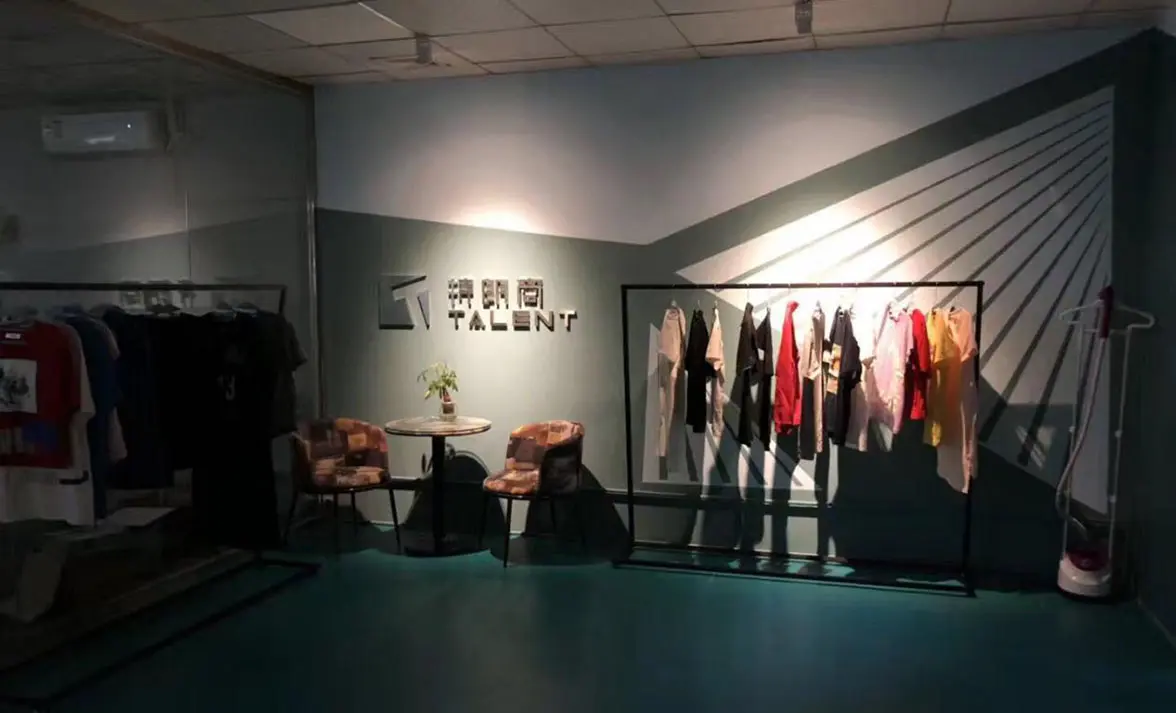
Our team is comprised of experienced professionals who are passionate about delivering exceptional service. We have a talented workforce dedicated to driving the company's growth and success. Our team members are committed to maintaining the highest quality and service standards, ensuring our customers receive the best solutions.
Business Growth: Over the years, we have experienced significant growth and expansion due to our unwavering commitment to excellence. We continuously invest in advanced technologies and processes to increase our production capabilities and meet our customers' growing needs. Our continued growth is a testament to our commitment to providing exceptional products and services.
Our state-of-the-art facilities are equipped with the latest technology to ensure efficient production and high-quality output. We have made significant investments in infrastructure to create an enabling environment for innovation, research and development. Our facilities are designed to meet the highest industry standards and meet the diverse needs of our customers.
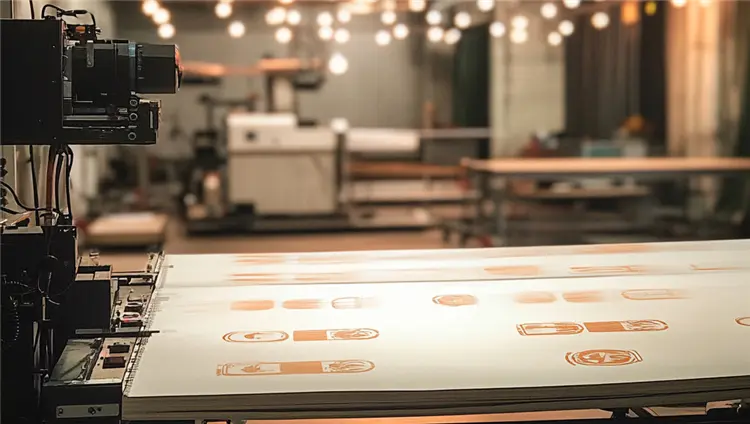
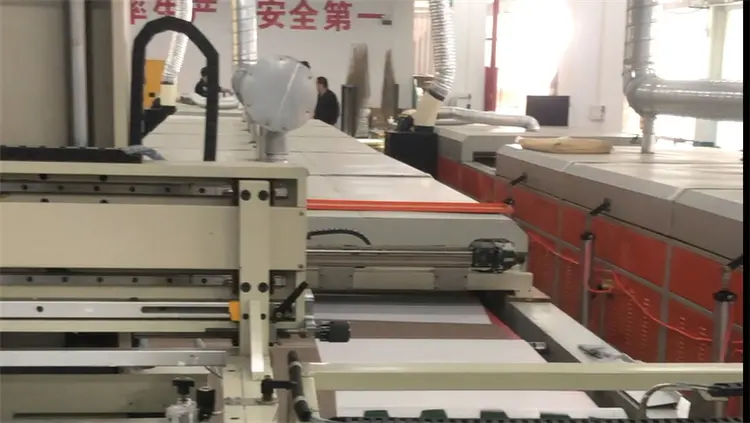
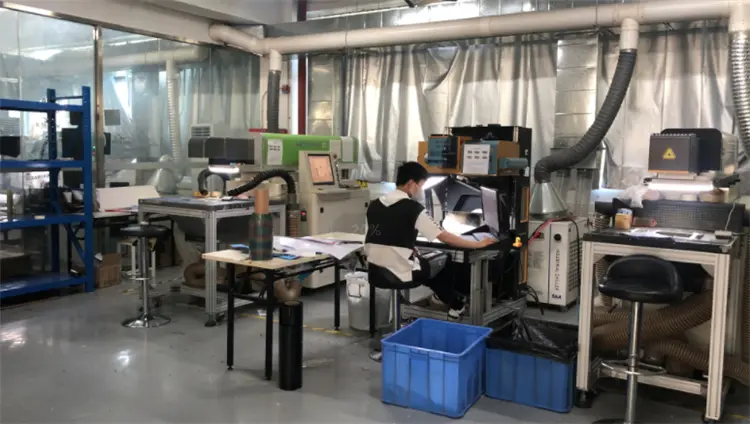
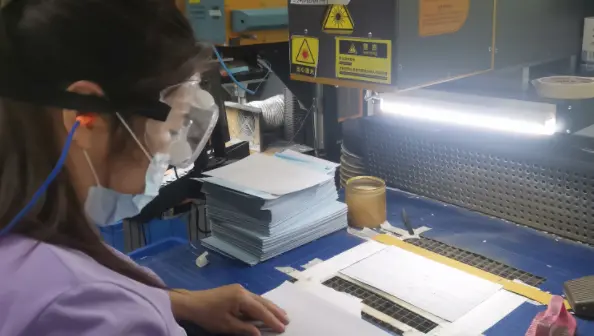
Developing eco-friendly, ultra-stretchy polymer formulas designed for the green evolution of technical apparel markets.
Moving toward plant-derived hot melt adhesives containing 45%+ renewable resources, reducing dependancy on synthetic fossil fuels while retaining premium peel-strength standards.
Pioneering chemical pressure-sensitive catalysts that cure instantly without exceeding 110°C, rendering dye sublimation thermodynamic triggers structurally impossible.
Refining barrier polymers with high elastic memory module recovery rates (>98%), preventing cracks or distress patterns on activewear with extreme elastane content.
Maximize production efficiency by matching the exact thermal specifications of different performance textile substrates.
Proper parameter configuration is vital to maintain dye barrier integrity during standard heat press applications:
Different textile blends present varying levels of risk and require custom barrier responses:
Deep industrial knowledge on preventing dye migration, optimizing wash durability, and requesting custom quotes.
A1: Dye migration (or dye bleeding) happens when disperse dyes inside polyester fibers are exposed to heat (typically during heat transfer decoration or curing). The dye particles reactivate, gasify, and diffuse into the adhesive and face inks of the heat transfer label, ruining the aesthetic quality of light-colored logos.
A2: Sublimation-block transfers contain an extra barrier layer (often made of active charcoal or carbon black formulations) placed between the textile adhesive and the graphic inks. This barrier acts as a chemical sponge, absorbing dye vapors and blocking them from rising to the surface layer of the print.
A3: We recommend applying at 130°C - 140°C with medium pressure (3-4 bar) for 10-12 seconds. Lower temperatures prevent the polyester dyes from gasifying, while the specialized low-temperature adhesive layer secures a solid bond.
A4: Yes, SZ Talent sublimation-block labels are certified to survive over 50 industrial wash cycles at 60°C without peeling, cracking, or showing signs of dye migration, meeting strict athletic brand wash standards.
A5: Absolutely. We strictly utilize water-based, solvent-free inks and Oeko-Tex Standard 100 certified polyurethanes, making our labels safe for infant clothing, sportswear, and sustainable outdoor gear.
A6: You can request a quote by sending your vector graphics (PDF/AI format), target fabric composition, print dimensions, and estimated volumes to our sales department. We will provide a custom pricing breakdown and material recommendations within 24 hours.
Explore our full range of 3D puff designs, screen-printed silicones, and specialized migration-proof patches for heavy synthetic fabrics.

 TALENT Industrial