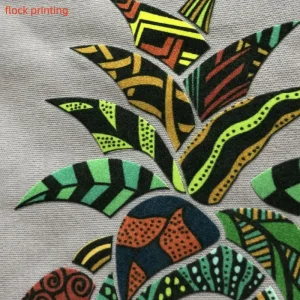
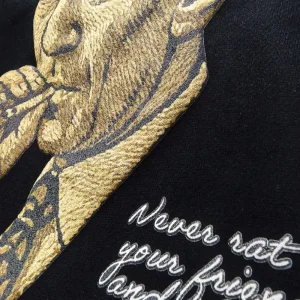
Engineered Durability and High-Definition Visual Enhancement for Global Textile Supply Chains
In the global apparel, sports equipment, and industrial protective gear markets, high-visibility, aesthetics, and branding longevity have transitioned from simple add-on characteristics to regulatory and functional necessities. Silver heat transfers, notably retroreflective and metallic silver foils, sit at the center of this paradigm shift. Utilizing micro-glass bead technology and advanced thermoplastic polyurethane (TPU) bonding structures, these products serve the dual purpose of high-intensity light retroreflection and premium visual branding.
Historically, reflective trims and metallic prints suffered from critical operational issues: washing delamination, dye migration on synthetic fabrics, and poor elasticity leading to cracks. Today’s industrial-grade OEM silver heat transfers employ highly specialized cross-linked adhesive backings. These adhesives interface seamlessly with both elastomeric performance fabrics and rugged industrial canvas, ensuring consistent performance even after dozens of high-temperature laundry cycles.
As global supply chains tighten, the strategic selection of an OEM manufacturer capable of delivering consistent chemistry, structural integrity, and strict environmental compliance (such as OEKO-TEX Standard 100 and REACH requirements) has become paramount for enterprise brand procurement managers.
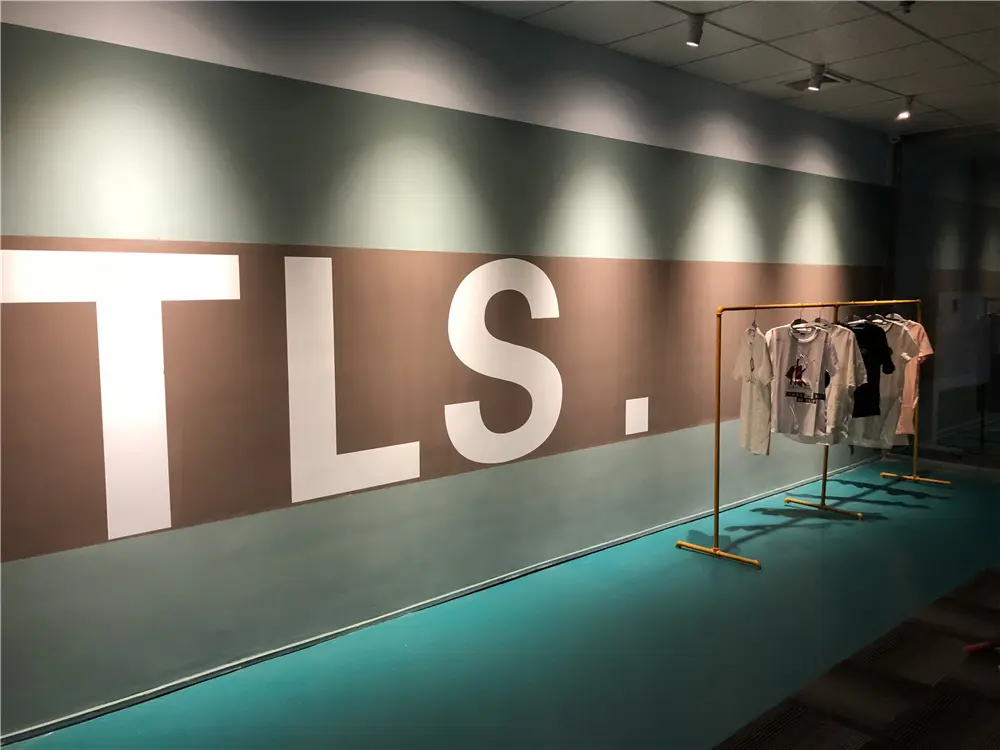
How Modern Industry Integrates High-Performance Silver Heat Transfers
Modern performance apparel requires labels that stretch up to 400% without cracking. Silver metallic and reflective labels offer lightweight, aerodynamic branding solutions that stretch with the fabric while retaining light-reflective values exceeding 400 cd/lx/m², crucial for runners, cyclists, and outdoor athletes.
Under EN ISO 20471 and ANSI/ISEA 107 standards, occupational safety garments require high-performance retroreflective visibility. Industrial-grade OEM silver heat transfers provide reliable adhesion on high-durability fabrics, resisting grease, flame-retardant treatments, and abrasive physical contact.
Streetwear and high fashion leverage the visual aesthetics of metallic chrome and color-shifting silver heat transfers. By applying these transfers to irregular, modern materials (such as coated nylons or thick neoprene), designers create unique dynamic visual patterns that change under night flash photography.
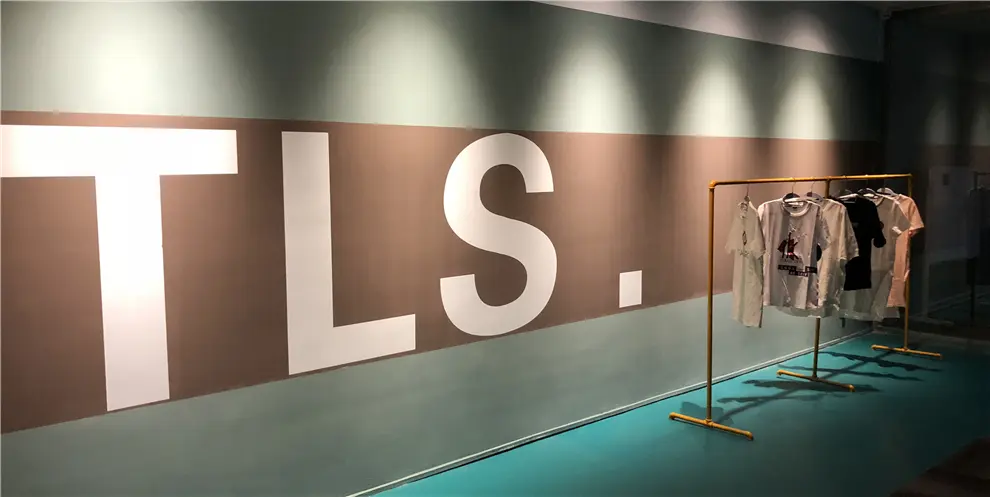
SZ Talent is a leading company with more than ten years of experience specializing in all kinds of heat transfer labels. Our comprehensive approach combines innovation, research and development, production, sales, processes and service. We are proud of our industrial automated production lines, dedicated team of technical experts and strong management system. Our focus remains on developing innovative, environmentally friendly, functional, and fashionable heat transfer products.
We adhere to the core values of quality-oriented, integrity-based, mutual benefit, promoting innovation and ensuring long-term development. Our efforts are always focused on meeting the needs of our customers. As a well-known name in the industry, SZ Talent is known for its commitment to quality, innovation and customer satisfaction. We attach great importance to research and development and continuously introduce cutting-edge products that meet the changing needs of the market. Our commitment to excellence makes us a trusted partner for businesses looking for high-quality thermal transfer labels.
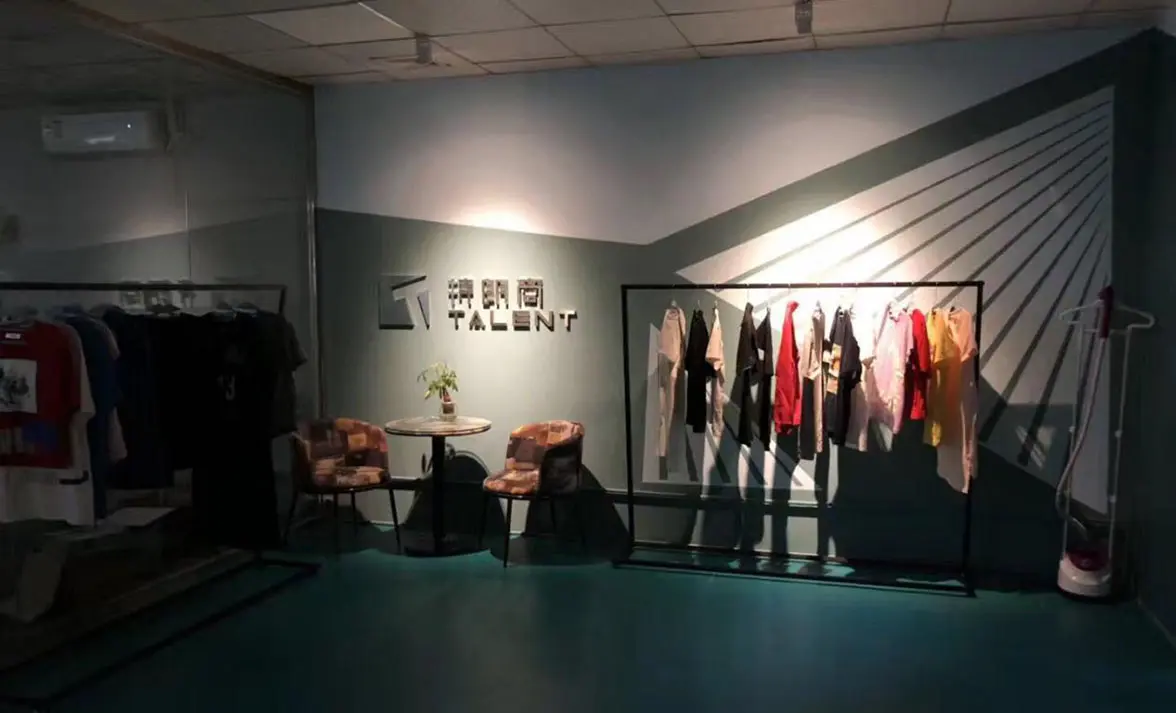
Building Trust and Quality through Structured Professionalism
Our team is comprised of experienced professionals who are passionate about delivering exceptional service. We have a talented workforce dedicated to driving the company's growth and success. Our team members are committed to maintaining the highest quality and service standards, ensuring our customers receive the best solutions.
Over the years, we have experienced significant growth and expansion due to our unwavering commitment to excellence. We continuously invest in advanced technologies and processes to increase our production capabilities and meet our customers' growing needs. Our continued growth is a testament to our commitment to providing exceptional products and services.
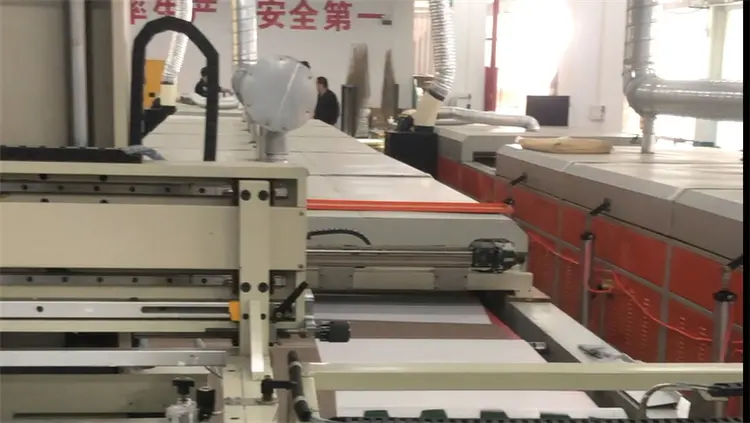
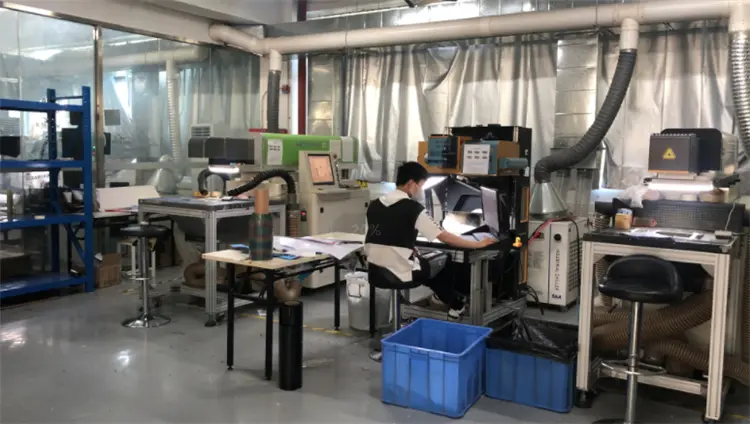
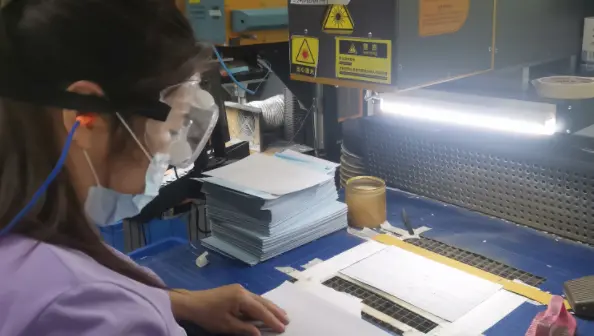
Our state-of-the-art facilities are equipped with the latest technology to ensure efficient production and high-quality output. We have made significant investments in infrastructure to create an enabling environment for innovation, research and development. Our facilities are designed to meet the highest industry standards and meet the diverse needs of our customers.
Why Modern Procurement Relies on Advanced Digitalized Chinese Ecosystems
The paradigm of simple low-cost manufacturing has shifted to Supply Chain Resilience, Speed-to-Market, and Precision Quality Control. Chinese Factory 4.0 integration represents a modern manufacturing standard that leverages IoT sensors, digital color-matching systems, and fully automated multi-color screen printing lines to achieve superior consistency. Here is how our production facility optimizes your procurement ecosystem:
Our proximity to local base chemical producers and raw PET film extrusion facilities reduces shipping lead times for raw polymers, dynamic pigments, and specialized hot-melt powders. We maintain a raw stock buffer that mitigates global supply shocks.
Using advanced spectrophotometers, we verify that every batch of reflective silver and color-shifting ink matches the exact digital coordinates of the customer design files, maintaining Delta E values under 1.0.
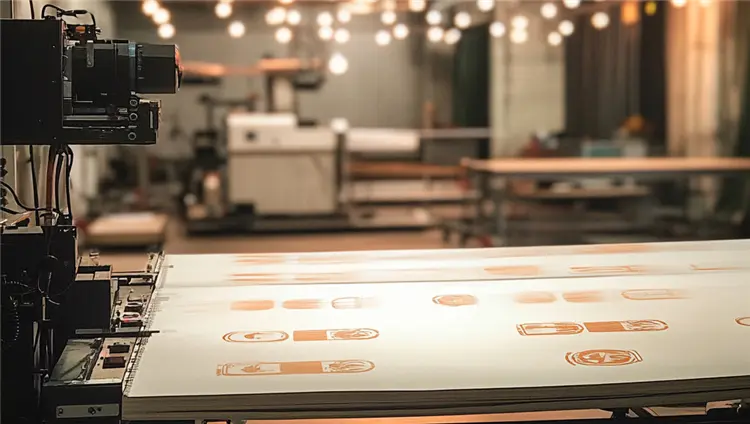
Computer-to-screen (CTS) imaging machines allow us to produce high-resolution screen-printing meshes in minutes. This speeds up physical sample preparation, letting you move from digital mockups to physical testing in days.
To meet the exacting demands of global quality auditors, we run all silver heat transfer products through physical and optical stress tests. The following table showcases standard OEM parameters:
| Test Parameter | Standard Value / Limit | Industry Testing Standard Reference |
|---|---|---|
| Retroreflectivity ($R_A$) | > 420 cd/(lx·m²) (Silver) | EN ISO 20471 / ANSI 107 |
| Wash Cycles | 50+ Cycles @ 60°C (Home Wash) | ISO 6330 (Standard Domestic Wash) |
| Dry Cleaning Resistance | 25 Cycles (Perchloroethylene) | ISO 3175 / ASTM D2724 |
| Stretchability / Elongation | Up to 350% without cracking | ASTM D3759 (Mechanical Test) |
| Application Temperature | 140°C - 165°C | OEM Standard Flatbed Heat Press |
| Application Pressure | 3.0 - 5.0 Bar (Medium to High) | Pneumatic Industrial Press |
| Environmental Certifications | Lead-free, Formaldehyde-free, Phthalates-free | OEKO-TEX Standard 100 / REACH Compliant |
Direct Solutions to Critical Engineering Questions from Procuring Managers
Peeling is generally caused by incomplete polymer cross-linking or surface chemistry mismatch. Common causes include:
1) Insufficient heat/pressure: If the press platen temperature drops below the melting point of the hot-melt adhesive, the adhesive will not penetrate the textile fibers.
2) Hydrophobic coatings: Water-repellent (DWR) or silicone finishes prevent thermal adhesives from interlocking with fabric yarns. We recommend applying a pre-treatment primer or using custom-formulated low-temp adhesive chemistry to resolve these adhesion issues.
Dye migration occurs when synthetic dyes in polyester vaporize during heat pressing (typically above 130°C) and pass into the white or silver adhesive. To stop this, we integrate an activated carbon anti-migration barrier layer between the adhesive and the silver layer. This carbon barrier captures gasified dyes, keeping the silver metallic finish bright and free from greyish discoloration.
Hot Peel releases the carrier film immediately (within 1-3 seconds) after pressing, maximizing assembly line throughput. Cold Peel requires the transfer to cool completely before removal. Cold peel formulas generally offer sharper graphic details and a flatter matte finish, making them ideal for high-resolution metallic graphics and fine-detail typography.
Yes, all of our products conform to OEKO-TEX Standard 100 Class I, which is the strictest testing tier certifying items safe for infants and toddlers. We utilize water-based inks and solvent-free polyurethane adhesives to eliminate harmful volatile organic compounds (VOCs), formaldehyde, heavy metals, and plasticizers (phthalates).
To prevent blocking (sticking together), transfers are packed in moisture-barrier bags with silica gel desiccant and protected by rigid cardboard casings. The sheets or rolls should be stored in a climate-controlled room (20-25°C, 45-65% relative humidity) away from direct sunlight. Under these conditions, the shelf life of the hot-melt adhesive exceeds 12 months without loss of adhesion quality.
Explore More Custom Branding Solutions Manufactured Direct from Our Facilities
 TALENT Industrial