
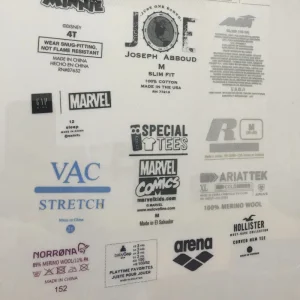
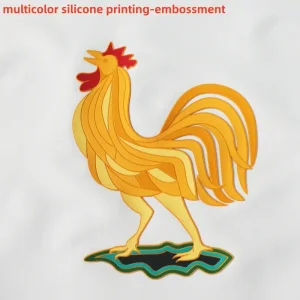



In the rapidly advancing world of smart textiles and high-performance branding, photochromic reflective labels represent a monumental leap forward. Unlike traditional static heat transfers, these high-tech systems combine two advanced material sciences: microprismatic retroreflection and photochromic pigment chemistry. When viewed indoors or under standard ambient lighting, the label maintains a highly reflective silver, gray, or semi-translucent base designed to redirect light back to its source. However, upon exposure to electromagnetic radiation in the ultraviolet spectrum (specifically UV-A and UV-B wavelengths present in natural sunlight), the molecular configuration of the integrated photochromic dyes changes.
This structural transition—typically involving reversible cleavage in molecules such as spiropyrans or spirooxazines—causes a dramatic, visible shift in color. Within seconds of stepping outdoors, the muted reflective patch transforms into a vivid, colorful branding element. Once the UV source is removed, the chemical system reverts back to its ground state, returning the label to its original light-reflective silver profile. This dual functionality provides dual benefits: high-visibility safety during nocturnal hours (thanks to retroreflection) and dynamic, aesthetic brand interaction during the day (driven by UV activation).
The retroreflective properties of our photochromic labels utilize high-index glass microspheres (refractive index $N_d \ge 1.93$) embedded in a flexible polymer binder matrix. A micro-thin layer of aluminum is deposited behind these microspheres to act as a specular mirror. When light hits the surface, it is refracted, reflected off the back mirror surface, and refracted back toward the origin source with minimal dispersion.
Dynamic transition from metallic silver/white to vibrant colors when exposed to sunlight (300-400nm wavelengths).
Provides reflective values up to $R_a > 350 \, \text{cd}/(\text{lx}\cdot\text{m}^2)$, meeting international safety standards (EN ISO 20471).
Resistant to hydrolytic degradation, cracking, and peeling through 50+ domestic wash cycles at $60^\circ\text{C}$.
In the global apparel manufacturing landscape, brands are constantly striving to escape the commoditization trap. Traditional heat transfers and woven labels, while functional, offer limited brand differentiation and no interactive value. Global procurement managers from leading sportswear, activewear, outdoor, and high-fashion segments are actively seeking suppliers who can provide OEM photochromic reflective labels to satisfy multiple concurrent consumer demands:
Urban mobility trends—such as the massive rise in bicycle commuting, e-scooter usage, and nighttime jogging—have dissolved the traditional boundaries between technical safety gear and urban casual wear. Brands require trim systems that look sleek, fashionable, and corporate-appropriate in daylight, yet offer outstanding visibility to motorists in low-light environments. OEM photochromic reflective labels serve this dual purpose perfectly: subtle and dynamic by day, highly reflective and life-saving by night.
The luxury apparel and high-performance outerwear sectors lose billions annually to illicit supply chains and counterfeit items. Integrated photochromic reflective labels serve as an instant, non-forgeable physical verification system. Customs agents, distributors, and consumers can verify the authenticity of a garment simply by taking it under the sun or exposing it to a small UV laser pointer, watching the instantaneous, repeatable color change take place.
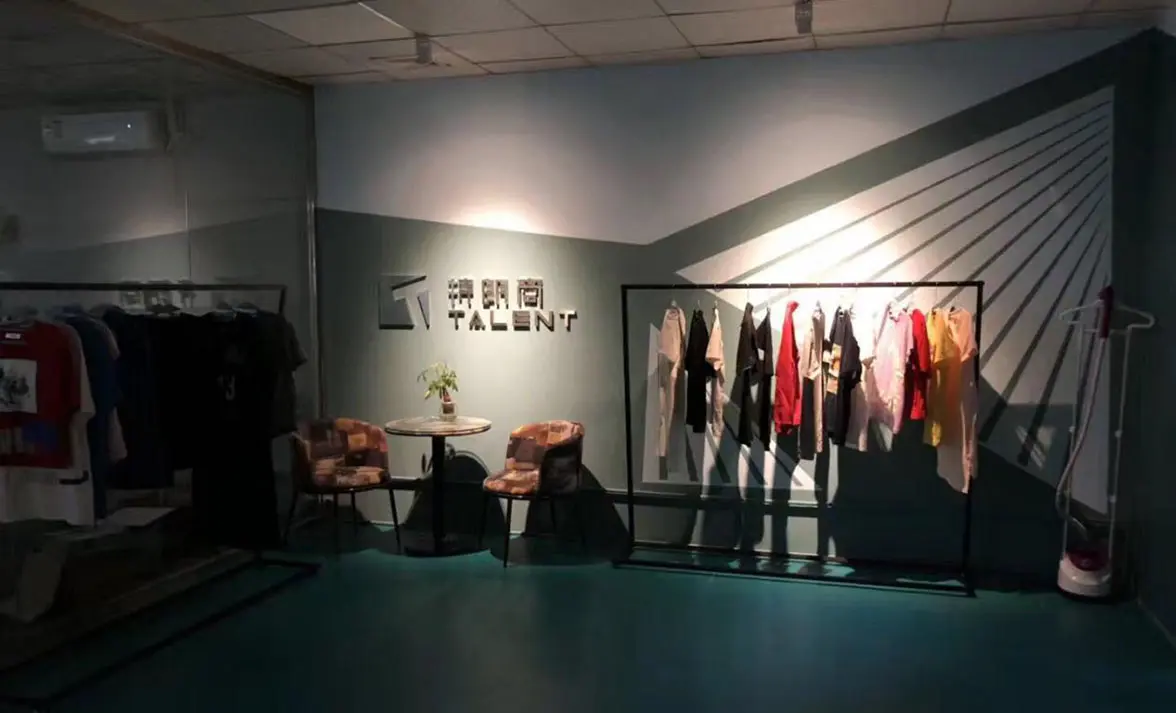
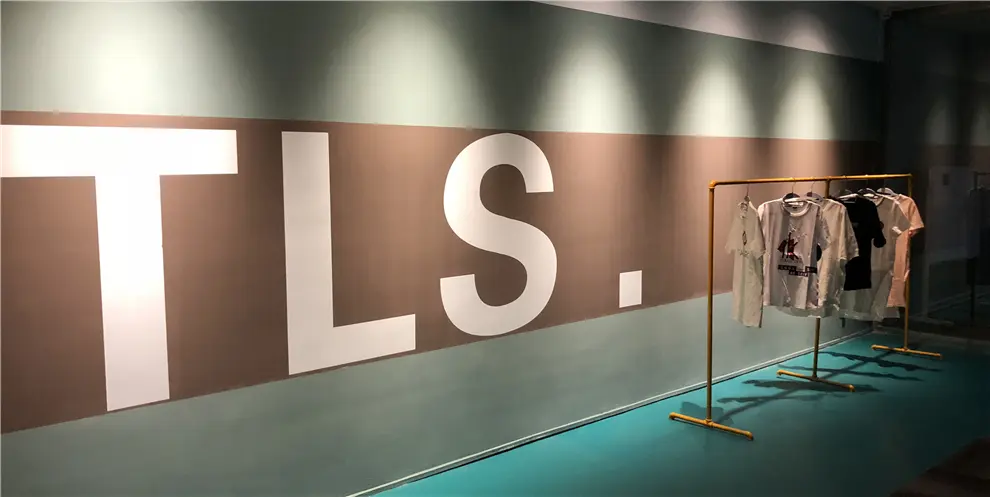
SZ Talent is a leading company with more than ten years of experience specializing in all kinds of heat transfer labels. Our comprehensive approach combines innovation, research and development, production, sales, processes and service. We are proud of our industrial automated production lines, dedicated team of technical experts and strong management system. Our focus remains on developing innovative, environmentally friendly, functional, and fashionable heat transfer products.
We adhere to the core values of quality-oriented, integrity-based, mutual benefit, promoting innovation and ensuring long-term development. Our efforts are always focused on meeting the needs of our customers. SZ Talent is a well-known name in the industry, known for its commitment to quality, innovation and customer satisfaction. We attach great importance to research and development and continuously introduce cutting-edge products that meet the changing needs of the market. Our commitment to excellence makes us a trusted partner for businesses looking for high-quality thermal transfer labels.
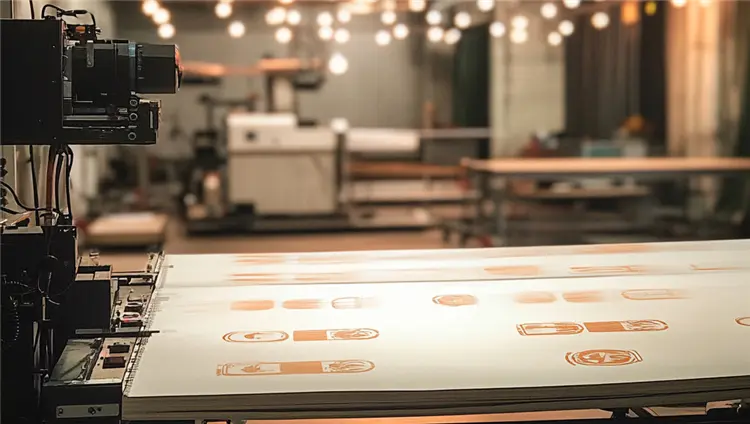
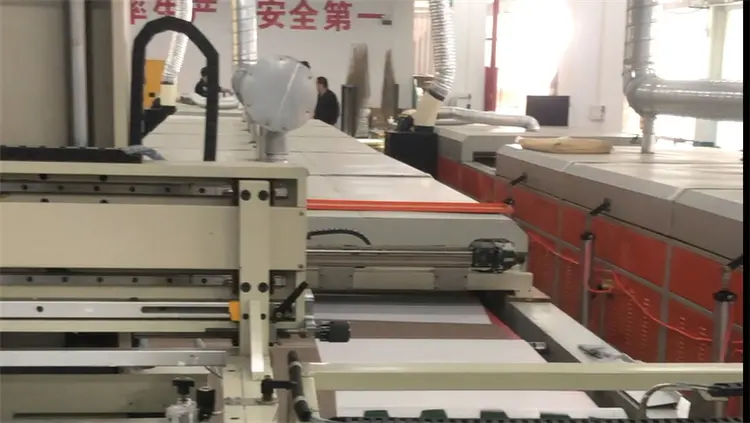
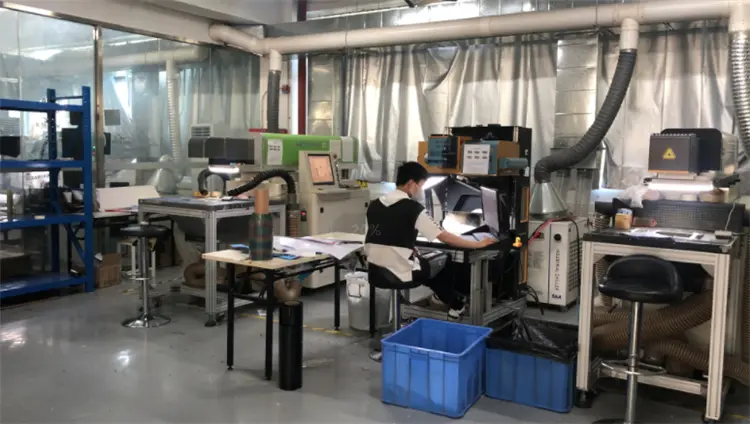
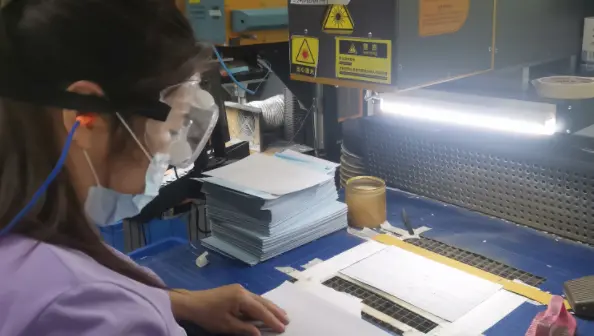
By investing heavily in multi-station screen-printing presses, precision roll-to-roll slitting machinery, and automated visual quality control systems, our manufacturing center guarantees high structural integrity across large volumes. We engineer heat transfers that withstand high heat application without experiencing color bleeding or reflective degradation.
Our original plant infrastructure utilizes cleanrooms to ensure that foreign debris does not compromise the optical purity of the glass micro-beads or disrupt the UV-activation chemical layer.
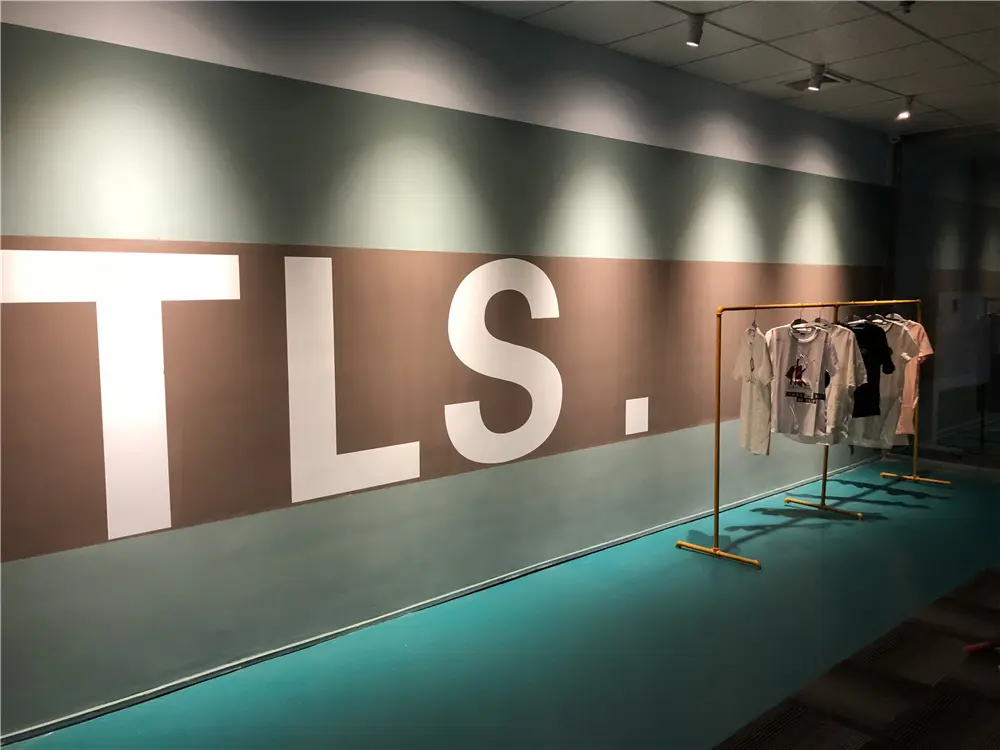
Our team is comprised of experienced professionals who are passionate about delivering exceptional service. We have a talented workforce dedicated to driving the company's growth and success. Our team members are committed to maintaining the highest quality and service standards, ensuring our customers receive the best solutions.
Over the years, we have experienced significant growth and expansion due to our unwavering commitment to excellence. We continuously invest in advanced technologies and processes to increase our production capabilities and meet our customers' growing needs. Our continued growth is a testament to our commitment to providing exceptional products and services.
Our state-of-the-art facilities are equipped with the latest technology to ensure efficient production and high-quality output. We have made significant investments in infrastructure to create an enabling environment for innovation, research and development. Our facilities are designed to meet the highest industry standards and meet the diverse needs of our customers.
When global supply chain executives choose a China supplier and factory for their OEM photochromic reflective labels, they are not simply sourcing cheap labor. Instead, they are tapping into a sophisticated, highly consolidated industrial ecosystem. The primary operational advantages include:
China produces a vast majority of the world's functional optical glass micro-beads and organic photochromic dyes. Sourcing from a factory with direct access to these raw materials minimizes maritime shipping delays, decreases domestic transport costs, and permits tighter control over chemical purity. Our factory works in direct cooperation with top-tier research institutes to continuously refine the color saturation and transition speed of the dyes, ensuring that our clients receive labels with optimal luminance and responsiveness.
A single factory footprint manages the entire process flow: from digital design prepress, specialized screen printing, reflective film lamination, precision hot-melt adhesive coating, to final laser cutting and quality screening. This vertical integration allows for faster prototype lead times (often under 5 working days) and reduces the risk of inter-process contamination, which is a major cause of delamination and color loss in functional apparel labels.
Modern Chinese manufacturing centers prioritize international environmental compliance. Leading suppliers ensure that all raw materials are free of heavy metals, PVC, and phthalates, and meet the stringent limits defined by OEKO-TEX® Standard 100 Class I (safe for baby and infant products). This absolute compliance is vital for global brands distributing apparel across the European Union (REACH regulations) and North America (CPSIA standards).
Sourcing managers must specify precise, quantifiable parameters to evaluate the quality of custom photochromic reflective label suppliers. Here are the key technical standards that should be written into your corporate sourcing RFQs:
A reliable supplier must provide comprehensive testing documentation detailing adhesive shear strength on various substrate types (e.g., nylon, 100% polyester, cotton, and DWR-treated fabrics). Since elastic garments like compression pants or technical running jerseys stretch during use, the photochromic reflective label must feature high elasticity, matching the recovery elongation profile of elastane/spandex fabrics.
As brands seek new ways to engage tech-savvy consumers, the smart heat transfer sector is evolving rapidly. We are seeing several pivotal trends that will define the market in the coming years:
Next-generation labels incorporate both *photochromic* (light-responsive) and *thermochromic* (temperature-responsive) polymers, allowing the trim to shift colors based on physical activity/body heat and ambient sunlight simultaneously.
Combining photochromic inks with 3D molded silicone profiles or lenticular lenses (similar to our Lenticular Silicone Patches) to create dynamic depth effects that change with both viewing angle and UV radiation.
Development of water-based and bio-derived polyurethane hot-melt films that allow the entire garment to be chemically recycled at the end of its life-cycle without needing to detach the logo label.
SZ Talent is actively keeping pace with these innovations by optimizing our screen-printing formulas and cross-linking agents to ensure that our functional transfers match these next-generation materials perfectly.

 TALENT Industrial