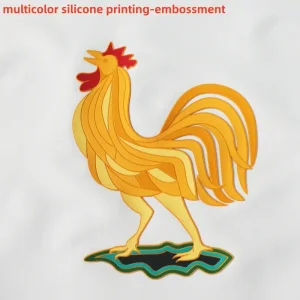
Explore our elite range of advanced industrial-grade transfers designed for rigorous wear, dynamic elasticity, and brand longevity.
In the hyper-competitive landscapes of high-performance technical outerwear, professional sportswear, and rugged outdoor equipment, brand identification has transcended simple aesthetics. It has evolved into a critical component of product functionality, environmental durability, and compliance. **OEM Molded Rubber Transfers**, predominantly constructed using Liquid Silicone Rubber (LSR), Thermoplastic Polyurethane (TPU), and engineered vulcanized elastomers, have emerged as the industry gold standard. These materials have largely replaced traditional screen printing and high-frequency Polyvinyl Chloride (PVC) formulations due to strict environmental standards, human toxicity concerns, and wash-cycle degradation.
Globally, the demand for custom-molded elastomeric transfers is driven by the rise of smart textiles, compressed athleisure materials, and technical gear that must withstand extreme chemical and physical stresses. Unlike legacy branding methods, which often peel, crack, or fade under stress, vulcanized rubber transfers form a deep, cross-linked chemical bond with the underlying textile substrate. This ensures complete structural integrity even when subjected to industrial laundering, salt water exposure, UV radiation, and heavy abrasion.
Traditional PVC patches contain phthalate plasticizers that are highly restricted under European REACH guidelines and California Proposition 65. Our specialized silicone and TPU formulations bypass these completely, achieving Class 1 certification under OEKO-TEX Standard 100, which means they are completely safe for direct skin contact, even on infant apparel.
Sourcing and development engineers must evaluate molded rubber transfers based on precise mechanical and chemical properties. Below is a comprehensive overview of how various compound options perform under rigorous testing protocols:
| Material Compound | Shore Hardness | Elongation Limit | Dye Migration Resistance | Wash Durability (ISO 105-C06) | Eco-Compliance |
|---|---|---|---|---|---|
| Liquid Silicone Rubber (LSR) | 30A - 60A | > 400% | Excellent (Natural Barrier) | 50+ Cycles @ 60°C | OEKO-TEX Class 1, REACH, ZDHC |
| Thermoplastic Polyurethane (TPU) | 70A - 95A | > 350% | Moderate (Needs migration blocker) | 40+ Cycles @ 40°C | REACH Compliant, Recyclable |
| Vulcanized Synthetic Rubber | 40A - 70A | > 300% | Good | 50+ Cycles @ 50°C | REACH Compliant |
SZ Talent is a globally recognized manufacturing partner with more than ten years of experience specializing in all kinds of heat transfer labels. Our comprehensive approach combines innovation, research and development, production, sales, processes, and world-class service. We are proud of our industrial automated production lines, dedicated team of technical experts, and robust management systems.
We adhere to the core values of quality-oriented, integrity-based, mutual benefit, promoting continuous technological innovation, and ensuring long-term sustainable development. Our developmental efforts are always systematically focused on meeting the strict functional and aesthetic needs of our global customers.
By utilizing high-precision computer numerical control (CNC) micro-molding systems and automated liquid silicone dispensing lines, we achieve dimensional tolerances within ±0.05mm. This guarantees that complex, multi-colored layered logos remain perfectly sharp and consistent across high-volume production runs.
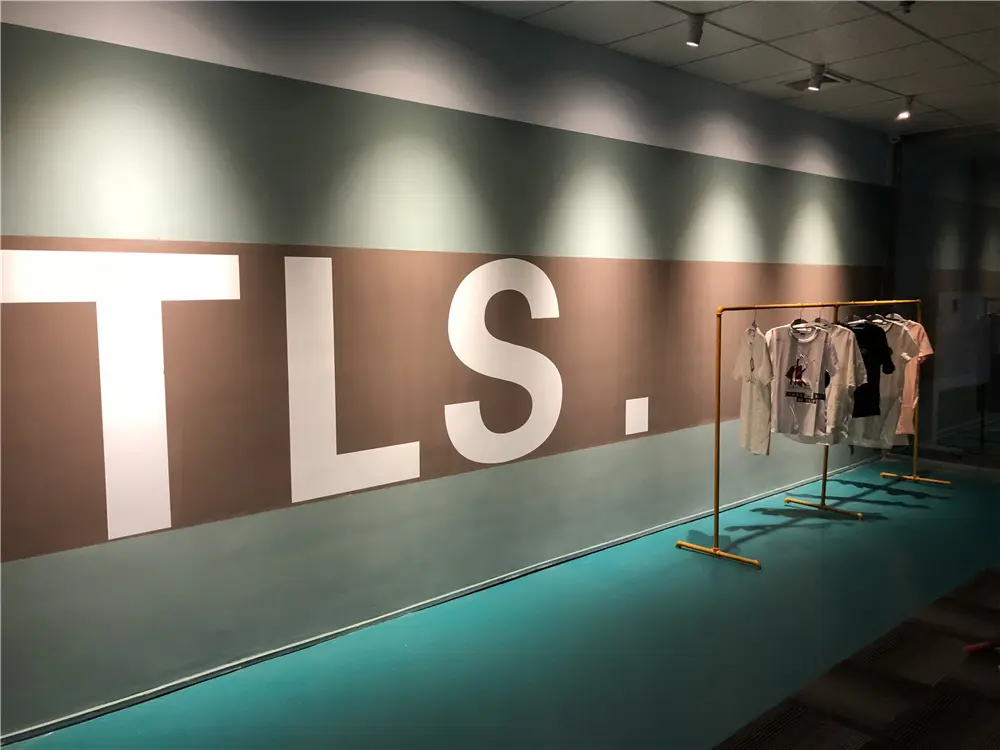
Deploying state-of-the-art laboratory testing and automated execution systems to deliver consistent, zero-defect production batches.
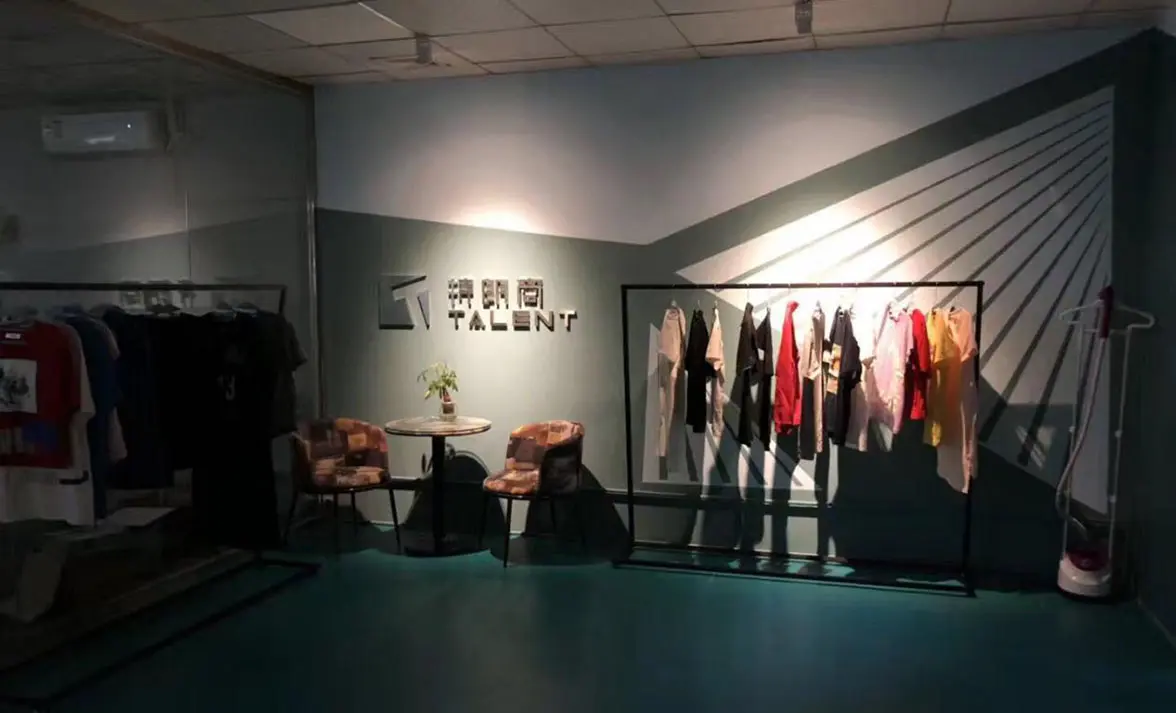
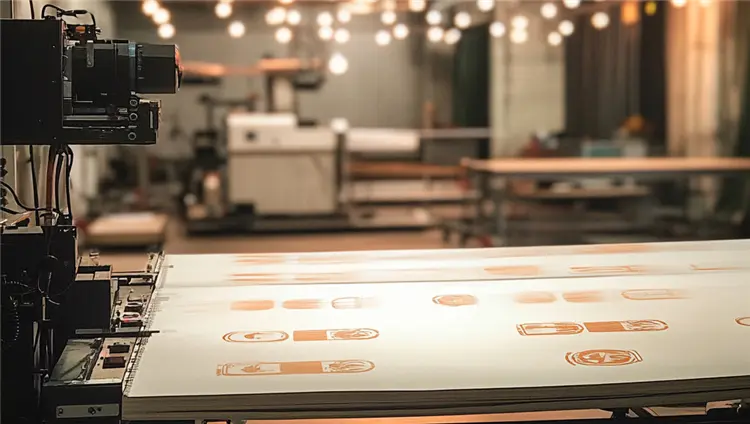
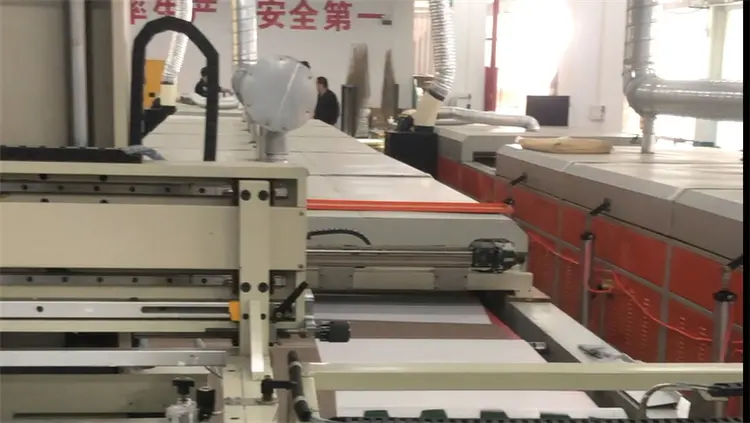
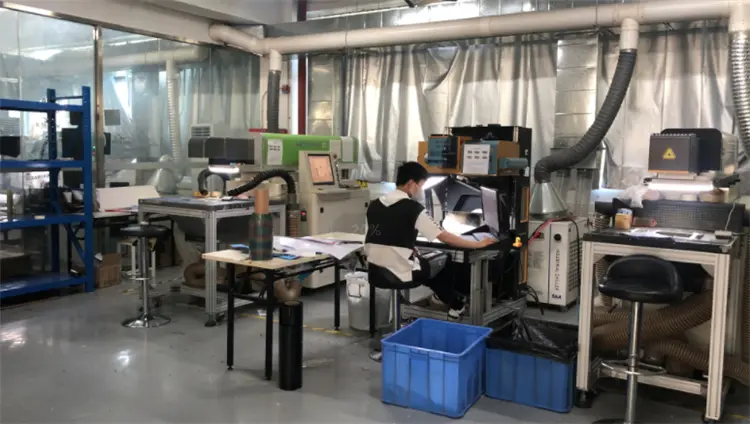
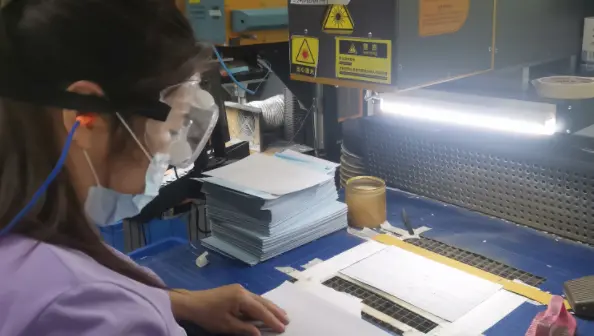
The decision of where to source high-volume molded rubber transfers involves balancing raw unit pricing, tooling costs, and speed to market. Chinese manufacturing facilities, particularly those within the South China industrial clusters like SZ Talent, offer structural advantages that cannot be replicated easily in domestic Western supply chains:
To ensure our engineering division provides a highly accurate, fully costed quote within 24 hours, purchasing departments should supply the following technical metrics. Failure to specify these can lead to production delays or incompatible chemical bonding between the adhesive carrier and the substrate:
What type of fabric is the molded transfer going to be applied to? Heavy cotton, pure polyester, nylon ripstop, spandex, or a technical membrane (such as GORE-TEX)? Substrates with high elastic memory require highly flexible TPU adhesives, whereas synthetic polyester colored with disperse dyes requires a charcoal-activated or physical barrier coating to prevent the phenomenon of dye migration.
Vector files should be provided in .ai, .pdf, or 3D files in .stp or .igs format. The file must clearly show the draft angles (minimum 10 degrees is recommended for a clean release during vulcanization), the profile height (typically 0.5mm to 3.0mm), and the minimum stroke width (no less than 0.4mm for physical compound flow).
Depending on the application process, choose between Heat-Activated Hot-Melt Adhesive (ideal for rapid industrial heat press applications) or Pressure-Sensitive Adhesive (PSA) (for peel-and-stick application where heat cannot be tolerated by the base material).
Expert technical answers to address critical manufacturing, application, and quality assurance queries.
Additional custom solutions, luxury flocked textures, and industrial adhesion patches available from our factory.
 TALENT Industrial