Explore our leading 3D molded, optical-effect heat transfers and premium trims engineered for high-performance and luxury apparel.

Analyzing the Chemistry, Physics, and Supply Chain Dynamics of Holographic Silicone Rubber Patches
In the highly competitive sectors of sports apparel, premium streetwear, and safety equipment, branding components have transitioned from simple flat markers to highly functional, visually arresting dimensions. The OEM Holographic Silicone Rubber Patch represents the apex of this paradigm shift. Utilizing light diffraction microstructures embedded directly into premium grade Liquid Silicone Rubber (LSR), these patches offer dynamic, multi-dimensional shifts in color depending on the angle of viewing. This physical optical phenomenon is not merely an aesthetic choice; it acts as a primary brand differentiator and a potent mechanism for anti-counterfeiting.
“Integrating high-definition holographic refraction grids within a flexible, heat-tolerant elastomeric matrix requires precise temperature, vulcanization parameters, and micro-precision mold tooling. A single micro-deviation can collapse the optical clarity of the rainbow prism.”
At the core of the holographic silicone patch is high-purity polydimethylsiloxane (PDMS) formulation, combined with specific optical interference pigments or covered with a micro-embossed holographic TPU/PET optical film. Liquid Silicone Rubber is chosen because of its exceptional chemical resistance, high elasticity, and thermal stability. Unlike traditional PVC (which contains phthalates and releases toxic chlorine compounds upon thermal stress) or standard TPU (which yellows over time under UV radiation), LSR remains structurally inert and transparent across temperatures ranging from -40°C up to 200°C.
From a manufacturing standpoint, standard silicone is chemically hydrophobic, meaning it repels typical water-based adhesives. To make these patches suitable for heat press applications, a high-bond TPU or copolyester (PES) hot-melt adhesive backing is applied under precise cross-linking temperature conditions. The resulting product is a patch that satisfies Oeko-Tex Standard 100 Class I criteria, ensuring safety for direct skin contact and eligibility for use in infants' and toddlers' apparel.
The global demand for holographic silicone rubber patches has surged, primarily driven by three parallel macro-trends in the fashion and security sectors: the rise of technical "Gorpcore" streetwear, the expansion of high-end activewear, and the increasing reliance on overt anti-counterfeit measures.
In Europe and North America, urban outdoor brands utilize these holographic embellishments on high-altitude shell jackets, where the dynamic light shifts ensure high visibility under flat-light winter conditions, while also matching the technical aesthetic of modern textiles. In the Asian premium streetwear markets (specifically South Korea and Japan), limited-edition drops frequently employ these patches to create interactive visual experiences. Furthermore, brands are embedding unique micro-structures or serial numbers into the holographic pattern, allowing supply chain inspectors to immediately identify authentic inventory from cheap counterfeits using a basic handheld LED polarizer.
When sourcing OEM holographic silicone rubber patches, the localization of production plays a vital role in balancing design complexity, lead times, and cost-efficiency. Our manufacturing base in China offers unmatched industrial advantages:
Combining ten years of heat transfer innovation, automated manufacturing, and rigorous quality standards.
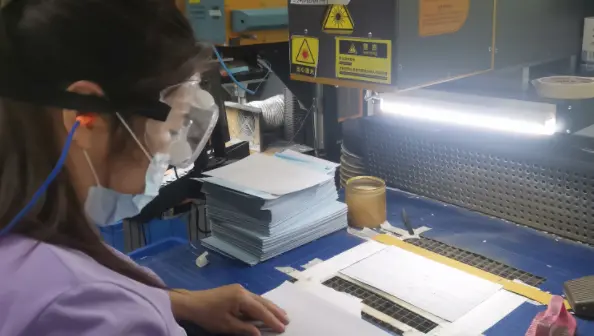
Our team is comprised of experienced professionals who are passionate about delivering exceptional service. We have a talented workforce dedicated to driving the company's growth and success. Our team members are committed to maintaining the highest quality and service standards, ensuring our customers receive the best solutions.
Over the years, we have experienced significant growth and expansion due to our unwavering commitment to excellence. We continuously invest in advanced technologies and processes to increase our production capabilities and meet our customers' growing needs. Our continued growth is a testament to our commitment to providing exceptional products and services.
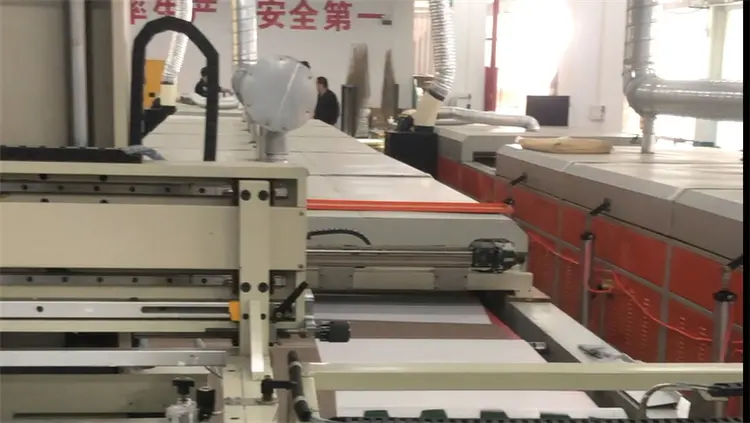
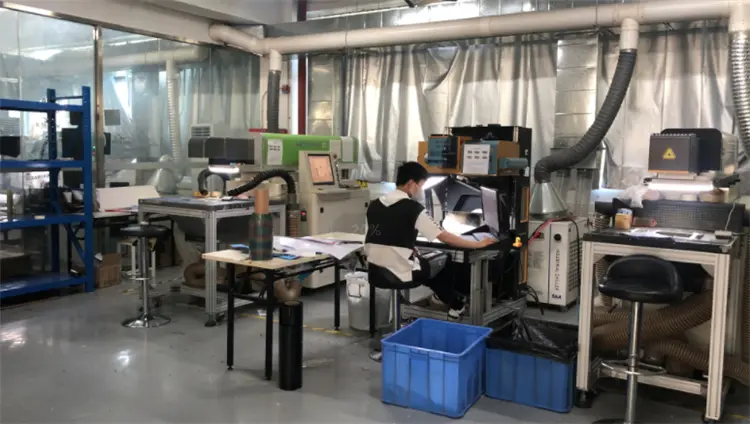
Our state-of-the-art facilities are equipped with the latest technology to ensure efficient production and high-quality output. We have made significant investments in infrastructure to create an enabling environment for innovation, research and development. Our facilities are designed to meet the highest industry standards and meet the diverse needs of our customers.
SZ Talent is a well-known name in the industry, known for its commitment to quality, innovation and customer satisfaction. We attach great importance to research and development and continuously introduce cutting-edge products that meet the changing needs of the market. Our commitment to excellence makes us a trusted partner for businesses looking for high-quality thermal transfer labels.
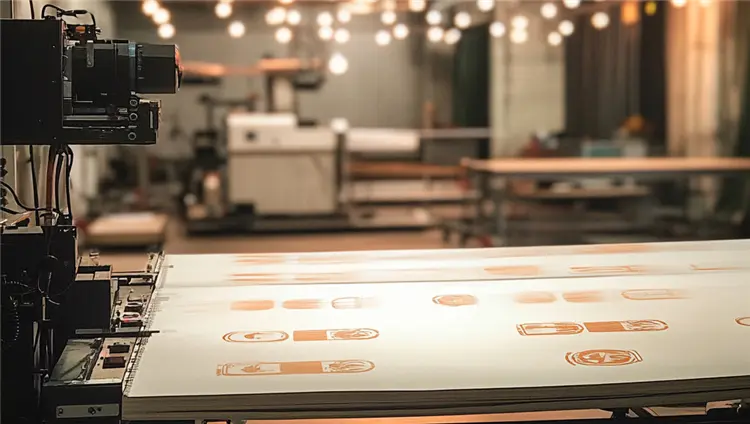
SZ Talent is a leading company with more than ten years of experience specializing in all kinds of heat transfer labels. Our comprehensive approach combines innovation, research and development, production, sales, processes and service. We are proud of our industrial automated production lines, dedicated team of technical experts and strong management system. Our focus remains on developing innovative, environmentally friendly, functional, and fashionable heat transfer products.
We adhere to the core values of quality-oriented, integrity-based, mutual benefit, promoting innovation and ensuring long-term development. Our efforts are always focused on meeting the needs of our customers.
Transparency in pricing based on dimensions, optical complex level, and order volume tiers.
Industrial pricing for customized 3D holographic silicone patches is governed by two main elements: the one-time mold preparation fee (which covers CNC micro-engraving and holographic nickel-plate setting) and the run-rate unit price. The unit price depends on the dimensions (surface area), the multi-layer setup, color requirements, and backing types (e.g., standard heat melt adhesive vs sewing groove vs hook-and-loop velcro backing).
| Patch Dimensions | Avg. Optical Complexity | MOQ (pcs) | OEM Unit Price (USD) | Mold Setup Fee (USD) | Standard Lead Time |
|---|---|---|---|---|---|
| < 3.0 cm x 3.0 cm | Standard Rainbow Shift | 1,000 | $0.25 - $0.35 | $120.00 | 7 - 10 Days |
| 3.0 x 3.0 cm to 6.0 x 6.0 cm | Standard Rainbow Shift | 1,000 | $0.38 - $0.52 | $150.00 | 8 - 12 Days |
| 3.0 x 3.0 cm to 6.0 x 6.0 cm | High-Definition Micro-3D | 2,000 | $0.55 - $0.70 | $220.00 | 10 - 15 Days |
| 6.0 x 6.0 cm to 10.0 x 10.0 cm | Premium Multi-Angle Gradient | 1,000 | $0.75 - $1.10 | $280.00 | 12 - 18 Days |
| Custom Oversized Backer | Full Spectral Holographic | 500 | $1.50 - $2.50 | $350.00 | 15 - 20 Days |
*Disclaimer: The above rates serve as general reference estimates. Final custom pricing is calculated following formal review of client artwork vectors (.AI or .PDF formats) and chemical safety guidelines.
Clear, direct technical answers to the most common queries from apparel product developers and purchasing managers.
Explore our wider range of high-performance branding solutions, specialty neck labels, and color-changing transfers.
 TALENT Industrial