Explore our primary selection of dynamic, high-elastic, and barrier-equipped thermal transfer solutions engineered specifically for technical fabrics and demanding branding metrics.

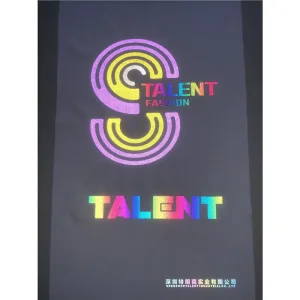
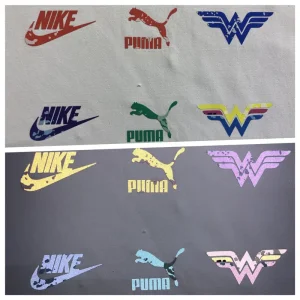
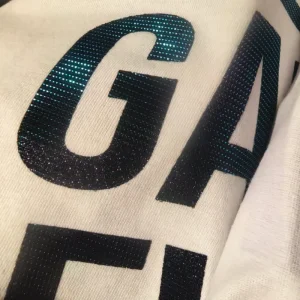
Dye migration (commonly referred to as sublimation bleeding) is a persistent challenge when embellishing 100% polyester, sublimated jerseys, and high-elastane synthetic blends. During the heat application process—where temperatures typically range from 135°C to 160°C—disperse dye particles present inside the synthetic fibers become chemically unstable. They undergo sublimation, transitioning into a gas phase, and then migrate directly into the hot-melt adhesive of the overlaying heat transfer patch. The result is visual degradation: a white logo turns pink on red polyester, or yellow turns green on blue jerseys.
To combat this phenomenon, advanced material science is utilized. A migration-proof patch integrates a specialized multi-barrier system. This combines a microscopic composite layer of active carbon particles or specialized polymers that block the upward path of sublimated dye gas. Below this blockout barrier sits an advanced, low-temperature hot-melt polyurethane adhesive that enables structural bonding at parameters below the sublimation threshold of most disperse dyes.
Synthetics make up more than 60% of global performance wear. The market demands patches that are not only decorative but chemically functional.
The explosion of athleisure, high-compression gym wear, and specialized outdoor softshell apparel has forced global supply chains to transition away from heavy PVC structures to flexible, elastic PU-based heat transfers with built-in blocker channels.
Major athletic brands implement zero-tolerance rules for dye migration. Any bleed-through onto brand marks or regulatory labeling results in costly product recalls. High-barrier, lab-certified migration-proof exporters are vital for modern production.
Recycled polyester fibers often exhibit unpredictable sublimation profiles due to varying qualities of post-consumer resins and dyes. This variation requires smart barrier technologies capable of handling different polymer qualities.

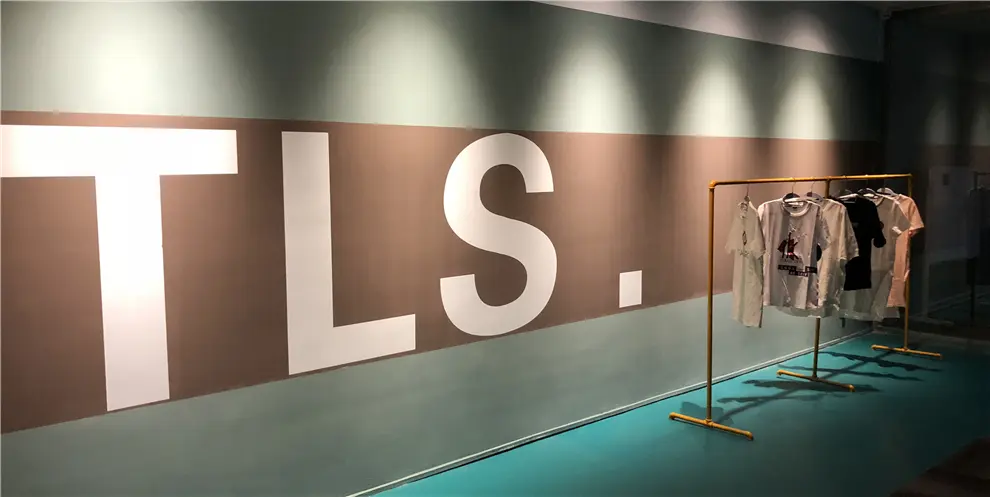
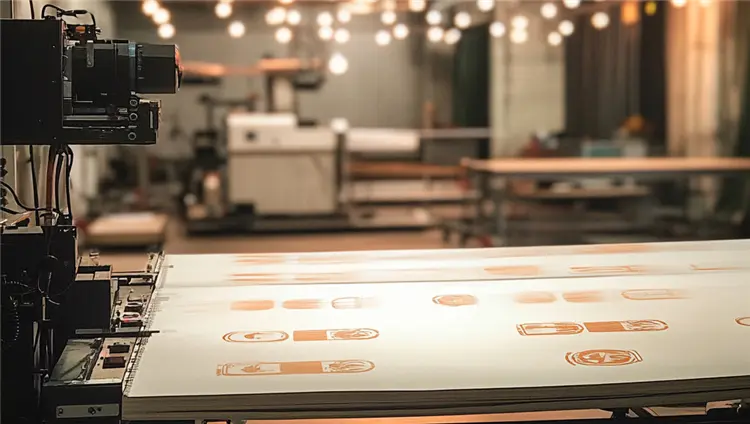
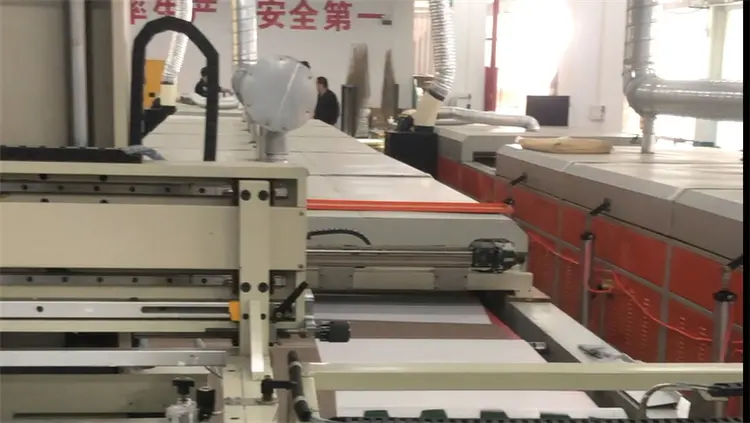
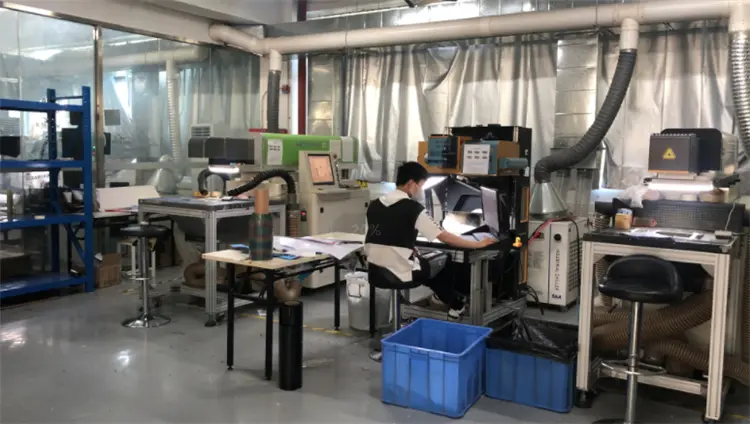
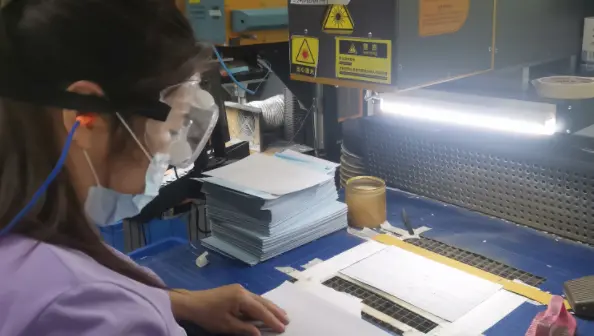
SZ Talent is a leading company with more than ten years of experience specializing in all kinds of heat transfer labels. Our comprehensive approach combines innovation, research and development, production, sales, processes and service. We are proud of our industrial automated production lines, dedicated team of technical experts and strong management system. Our focus remains on developing innovative, environmentally friendly, functional, and fashionable heat transfer products.
We adhere to the core values of quality-oriented, integrity-based, mutual benefit, promoting innovation and ensuring long-term development. Our efforts are always focused on meeting the needs of our customers.
As a well-known name in the industry, SZ Talent is known for its commitment to quality, innovation and customer satisfaction. We attach great importance to research and development and continuously introduce cutting-edge products that meet the changing needs of the market. Our commitment to excellence makes us a trusted partner for businesses looking for high-quality thermal transfer labels.
At SZ Talent, we continuously push the boundaries of materials science to develop heat transfer solutions that meet the requirements of modern garments.
Traditional adhesives activate at 150°C, causing dye migration and fabric heat marks. Our new roadmap focuses on ultra-low temperature polymers activating at 115°C–125°C, sealing before dyes sublimate.
Replacing solvent-borne coatings with eco-friendly waterborne polyurethane dispersions (PUDs). This reduces volatile organic compounds (VOCs) and improves cross-linking density, enhancing durability against wash cycles.
Aligning with global circular economy standards, we are developing polyester-to-polyester (PET) compatible barriers. This enables easy garment recycling without the need to remove branding labels beforehand.
Different synthetic textiles require specific application parameters. Here is how our migration-proof patches perform across localized industry scenarios.
Fabric Profile: 100% Interlock Polyester (sublimation-printed with intense reds, dark blues, and neon patterns).
Challenge: Sublimation dyes migrate readily when heated, disfiguring pure white club emblems.
Solution: Active carbon composite barrier layer patches pressed at 135°C, 4 Bar pressure for 12 seconds. Provides color fastness even after 50 cycles of industrial washing at 60°C.
Fabric Profile: Laminated TPU membrane, DWR (durable water repellent) outer coating, brushed fleece inner.
Challenge: Standard adhesives peel off due to DWR agents, while internal dyes migrate through the softshell membrane.
Solution: Specialty cross-linked polyolefin hot-melts paired with blockout barriers. They bond to DWR fabrics while keeping colors vibrant.
Fabric Profile: 75% Nylon / 25% Spandex blend (commonly used in yoga wear and cycling apparel).
Challenge: High-stretch fabric causes patches to crack; elevated processing heats can damage synthetic fibers.
Solution: High-elongation polyurethane elastomer barrier layers. These patches stretch up to 300% along with the spandex matrix and return to shape without cracking.
Manufacturing high-barrier migration-proof heat transfers requires consistency across raw materials, compound mixing, and drying processes. Our factory in China uses automated manufacturing systems that optimize costs and lead times for global brands.
Modern apparel exporters must meet strict eco-labeling and safety standards. SZ Talent ensures compliance at every stage of the manufacturing process.
Our migration-proof patches and adhesives are certified under OEKO-TEX Standard 100 Class I. This certification validates that our products are free from harmful substances, making them safe even for infant and children's apparel.
We conform to current EU REACH guidelines and chemical screening lists. Our materials contain no banned phthalates, formaldehyde, or heavy metals, which helps prevent issues during destination port customs audits.
Every production lot is subjected to rigorous in-house lab tests, including the AATCC 61 (Colorfastness to Laundering) and ISO 105-C06 standards. This ensures the patches remain migration-free and securely bonded throughout the garment's lifecycle.
Expert answers to common B2B procurement, application, and technical queries regarding migration-proof heat transfers.
Polyester is dyed using disperse dyes at high temperatures. When you heat-press a standard label onto polyester, the dye reheats, vaporizes, and bleeds into the label. Our migration-proof patches feature a dense, built-in barrier layer (often made of active carbon or specialized polymers) that traps these dye gases, protecting the outer face of the patch.
While parameters depend on the specific fabric, our standard recommendation is a temperature of 135°C to 145°C, a pressure of 3 to 4 bar (45-60 psi), and a dwell time of 12 to 15 seconds. Applying heat from the backside of the garment when possible can further protect the print layer.
Yes, our patches are formulated with highly elastic polyurethane (PU) resins. They offer up to 300% elongation, allowing them to stretch and recover along with spandex-blend fabrics without cracking, splitting, or peeling at the edges.
We use water-based polyurethane systems and lead-free, phthalate-free inks. All our materials are certified under OEKO-TEX Standard 100 Class I and comply with EU REACH requirements, making them safe for consumer apparel.
Absolutely. We encourage clients to send us their dyed fabrics. Our lab will test different barrier formulations and application temperatures to determine the most stable option for your material, providing a lab test report within 72 hours.
From high-visibility reflective elements to specialized luminous and textured labels, we provide a variety of functional branding options.



 TALENT Industrial