Explore our elite portfolio of high-performance heat transfers, engineered for demanding textile applications and global apparel standards.
Understanding the physics of sublimated polyester and the imperative need for stain-guard barrier technology.
In the modern textile manufacturing sector, the massive shift toward polyester-based synthetic fibers and recycled PET blends has introduced major challenges for garment decorators and brand owners. Foremost among these is dye migration—a phenomenon where disperse dyes used to color synthetic fabrics sublimated at temperatures between 130°C and 180°C. When a traditional heat transfer label is applied, the heat activates these trapped dye molecules, causing them to gas off and migrate up into the graphic design, resulting in unsightly staining, discoloration, and brand degradation.
Globally, the athletic, teamwear, and outdoor gear segments are seeing unprecedented growth. High-performance textiles, fleece-lined hoodies, and softshell jackets are typically heavily sublimated with dark dyes (such as navy, red, and digital camo prints). Standard plastisol or polyurethane heat transfers without specialized blocker barriers will inevitably absorb these migrating dyes over time. This makes the implementation of high-quality Stain-Guard Transfers (For Dye Migration) a mandatory technical requirement for international tier-one sporting apparel brands.
To address this, advanced factories and chemical suppliers have engineered microscopic barrier layers. These barrier layers function as a molecular sieve, halting the upward movement of vaporized disperse dyes while preserving the elasticity and wash-fastness of the transfer. Achieving this requires a delicate balance of low-temperature melting adhesives and highly stable carbon or composite block layers.
How the demand for eco-friendly, low-curing, and high-stretch labels is shaping the future of industrial heat transfers.
Traditional anti-migration transfers relied heavily on thick charcoal layers, which resulted in a heavy, stiff feel and raised eco-toxicological concerns. The industry has shifted toward water-based, solvent-free polyurethanes that comply with OEKO-TEX Standard 100 Class I and Nike Restricted Substances List (RSL) requirements.
Applying high heat (above 150°C) to polyester triggers sublimation. Modern stain-guard transfers are engineered to cure at lower temperatures (110°C - 130°C) for shorter cycle times (8-12 seconds), minimizing thermal fabric bruising, halo marks, and migration triggers.
With the rise of compression activewear and high-spandex fabrics, modern stain-guard labels must match the fabric's natural elongation. Advanced TPU-based barriers allow up to 200% stretch and recovery without cracking, peeling, or degrading the migration barrier.
How our multi-layered defense mechanism stops dye molecules at the structural level.
Optimized transfer solutions tailored for distinct garment architectures and demanding local manufacturing conditions.
Polyester soccer kits, basketball uniforms, and cycling jerseys undergo heavy dye sublimation. Our transfers prevent the fabric dye from bleeding into white team numbers, logos, and sponsor graphics, keeping colors crisp throughout the season.
Composite bonded softshells and thick fleece fabrics are notorious for holding large volumes of dye that release during post-press storage. Our thick-barrier stain-guard transfers are ideal for outdoor workwear and jackets, offering excellent protection on heavy fabrics.
High-spandex athletic apparel requires labels that stretch dynamically. By combining active-carbon blockers with high-stretch elastomeric resins, we deliver dye-blocking performance that moves comfortably with the athlete without cracking.
A premier Chinese manufacturing force combining research, automation, and environmental stewardship.
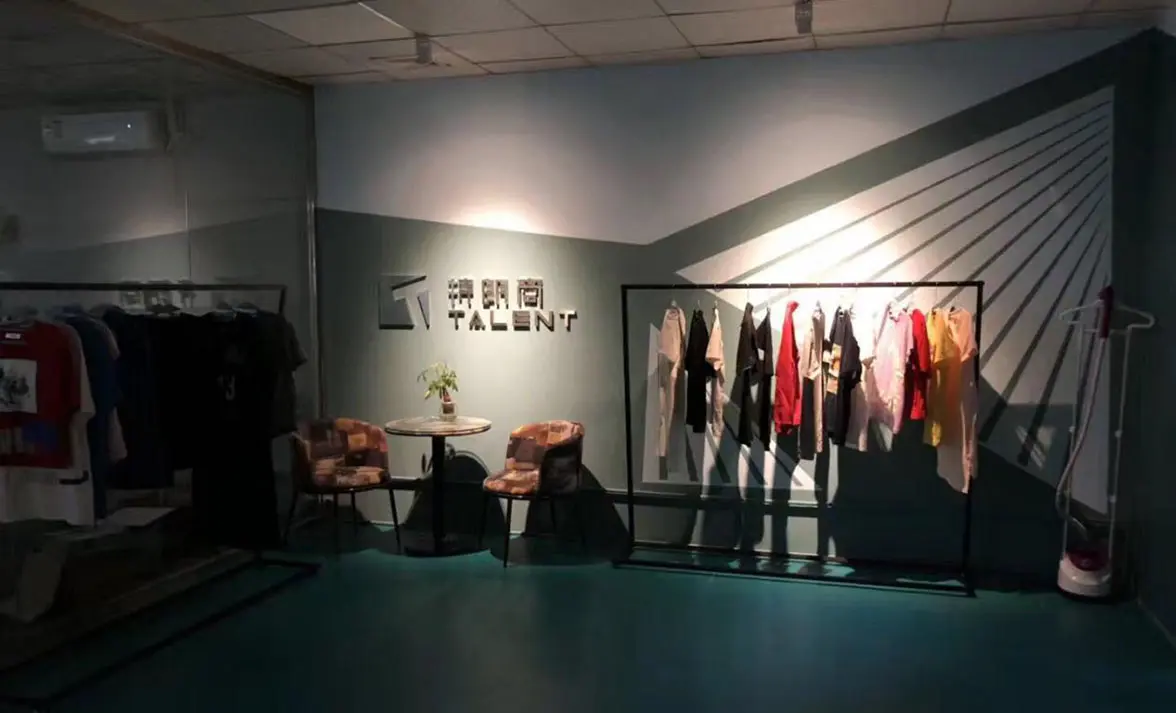
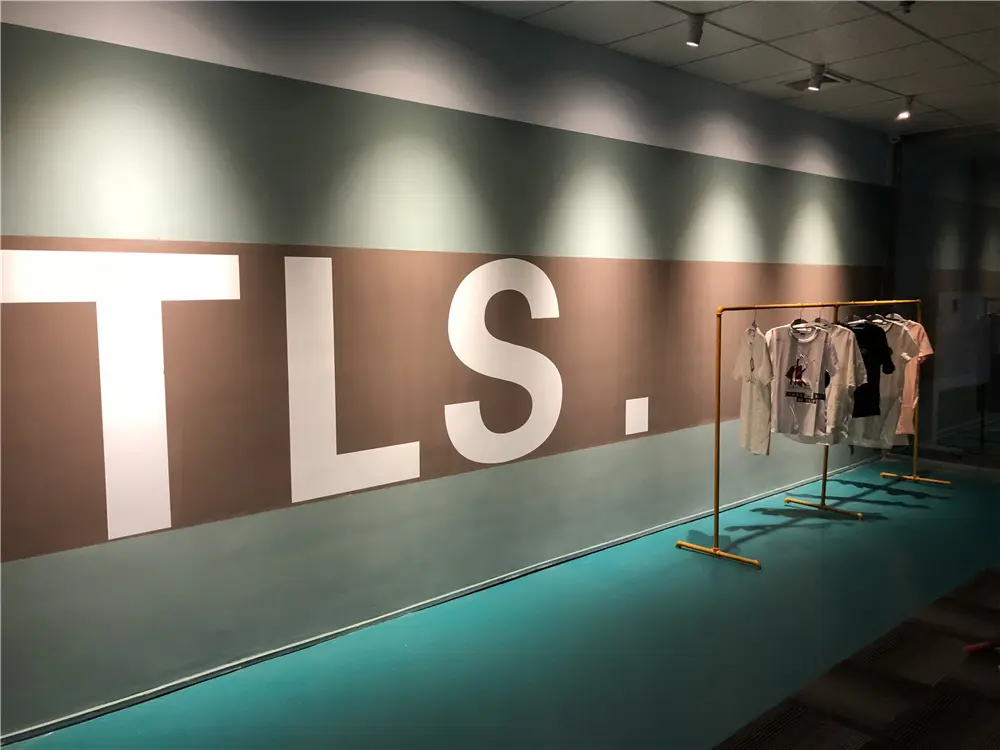
SZ Talent is a leading company with more than ten years of experience specializing in all kinds of heat transfer labels. Our comprehensive approach combines innovation, research and development, production, sales, processes, and service. We are proud of our industrial automated production lines, dedicated team of technical experts, and strong management system. Our focus remains on developing innovative, environmentally friendly, functional, and fashionable heat transfer products.
We adhere to the core values of quality-oriented, integrity-based, mutual benefit, promoting innovation, and ensuring long-term development. Our efforts are always focused on meeting the needs of our customers. Over the years, we have experienced significant growth and expansion due to our unwavering commitment to excellence. We continuously invest in advanced technologies and processes to increase our production capabilities and meet our customers' growing needs. Our continued growth is a testament to our commitment to providing exceptional products and services.
Our team is comprised of experienced professionals who are passionate about delivering exceptional service. We have a talented workforce dedicated to driving the company's growth and success. Our team members are committed to maintaining the highest quality and service standards, ensuring our customers receive the best solutions.
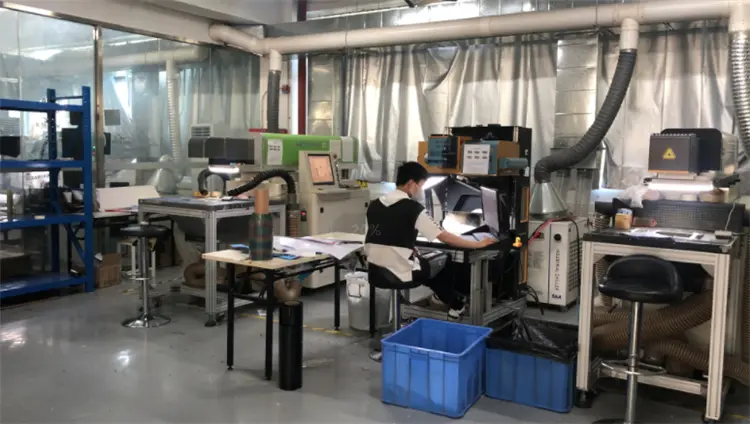
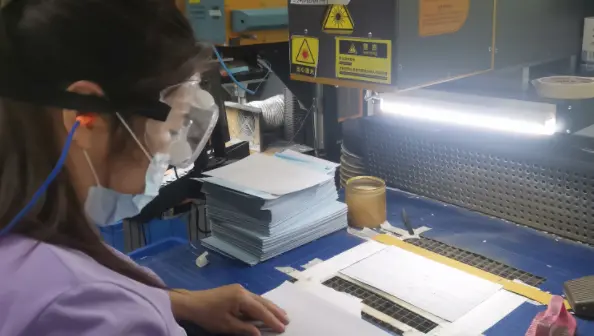
Our state-of-the-art facilities are equipped with the latest technology to ensure efficient production and high-quality output. We have made significant investments in infrastructure to create an enabling environment for innovation, research and development. Our facilities are designed to meet the highest industry standards and meet the diverse needs of our customers.
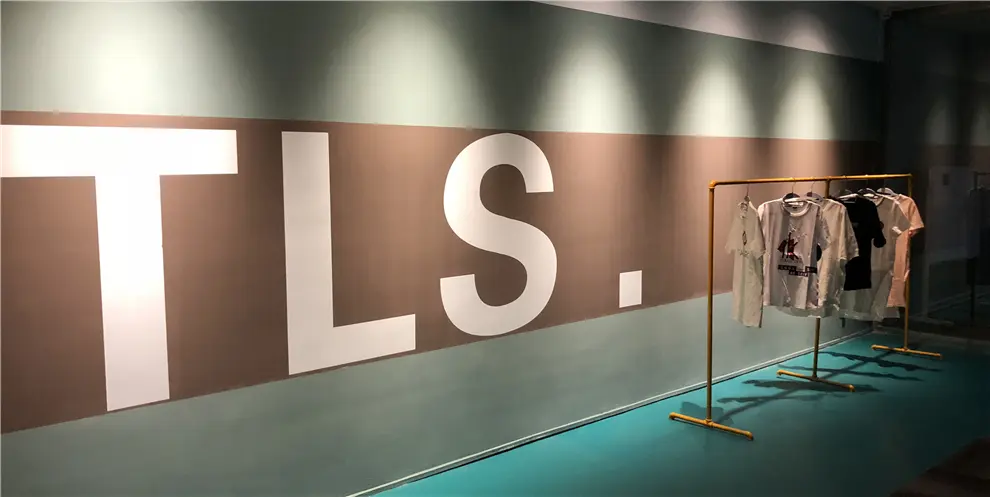
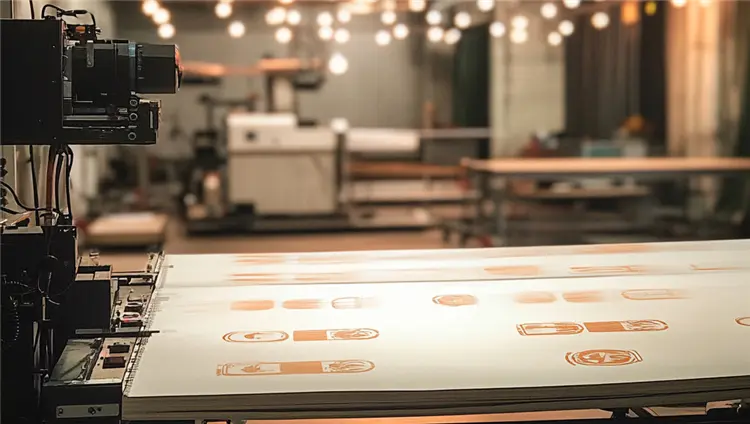
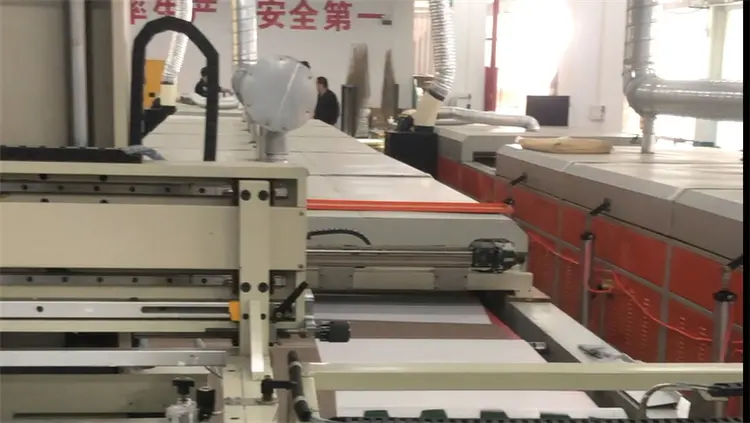
Technical answers to critical questions about dye migration, testing, and production setup.
Discover our wider range of custom transfers, designed to meet the branding needs of diverse apparel categories.
 TALENT Industrial