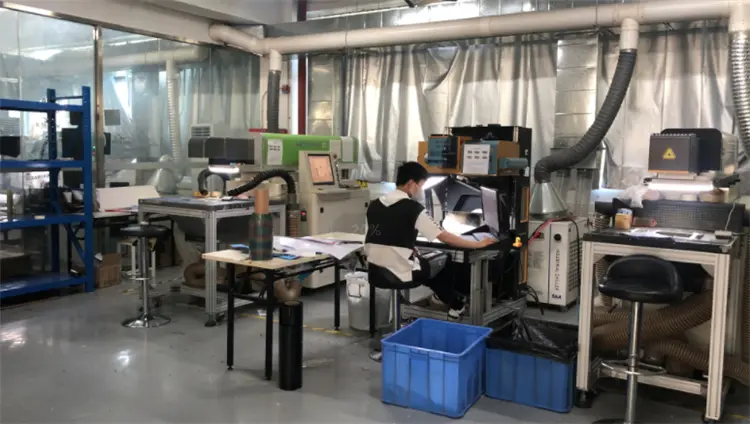
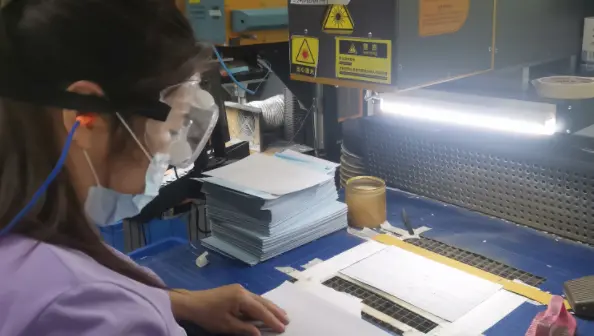
Engineered to satisfy high-visibility occupational demands, high-stretch activewear requirements, and luxury branding tactile specifications.
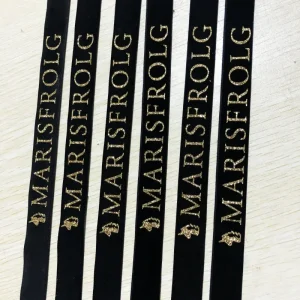
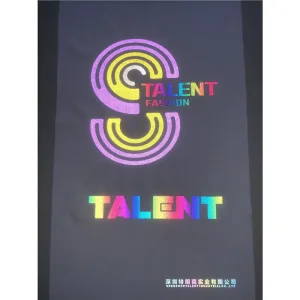
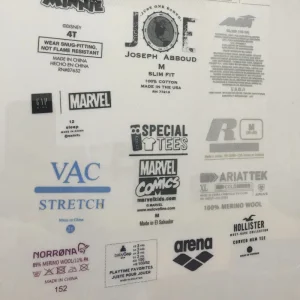
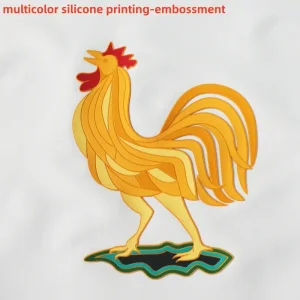


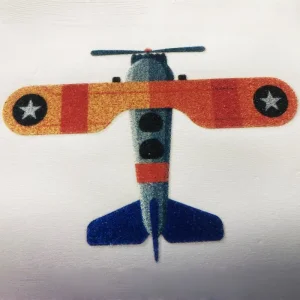
Analyzing the paradigm shift from basic safety wear reflective trims to high-performance, dynamic smart retroreflective surfaces.
Modern retroreflective compounds employ ultra-precise glass micro-beads hemispherically vacuum-coated with vaporized aluminum. Realizing a refractive index of ≥1.93, these smart transfers direct ambient light directly back to the driver or source, delivering exceptional visibility ratings beyond standard fabrics.
The industry has shifted from standard silver reflectives to dynamic multi-color, iridescent, and laser-holographic reflective transfers. These films combine high-index retroreflection with optical interference patterns, allowing multi-angle color shifts that serve brand aesthetics without compromising luminescence.
To support next-generation athletic designs, smart reflective films are micro-structured. Automated laser-cutting and custom segmentation patterns retain fabric breathability, moisture transport, and directional elasticity, avoiding the dense, rigid barriers typical of older-style transfer sheets.
Global apparel buyers face complex engineering challenges when sourcing high-visibility trim. Standard heat transfers often suffer from cracking on high-spandex fabrics, dye migration on polyester base layers, and adhesive failure over repeated commercial wash cycles.
At SZ Talent, we resolve these vulnerabilities through a multi-layered material architecture:
Different textile applications demand specific adhesive kinetics and reflectivity parameters. We offer targeted solutions tailored to distinct market segments.
High-elongation fabrics require high elasticity. Our smart reflective transfers utilize custom-synthesized aliphatic polyurethane hot-melt films. This achieves dynamic elongation with a high elastic recovery rate, preventing edge curling or cracking when applied to stretch fabrics.
Safety garments demand strict regulatory compliance. Our industrial-grade reflective transfers are formulated to resist high-temperature laundering and dry cleaning, while maintaining certification levels under standard EN ISO 20471 and ANSI/ISEA 107 visibility requirements.
Disperse dyes on sublimated sports jerseys often bleed into white or silver transfer graphics under heat. We apply an activated carbon compound barrier layer within our hot-melt structure, effectively blocking gaseous dye migration during application and storage.
Combining more than ten years of experience, automated production systems, and strict E-E-A-T quality standards to serve global apparel brands.
SZ Talent is a leading company with more than ten years of experience specializing in all kinds of heat transfer labels. Our comprehensive approach combines innovation, research and development, production, sales, processes and service. We are proud of our industrial automated production lines, dedicated team of technical experts and strong management system. Our focus remains on developing innovative, environmentally friendly, functional, and fashionable heat transfer products.
We adhere to the core values of quality-oriented, integrity-based, mutual benefit, promoting innovation and ensuring long-term development. Our efforts are always focused on meeting the needs of our customers.
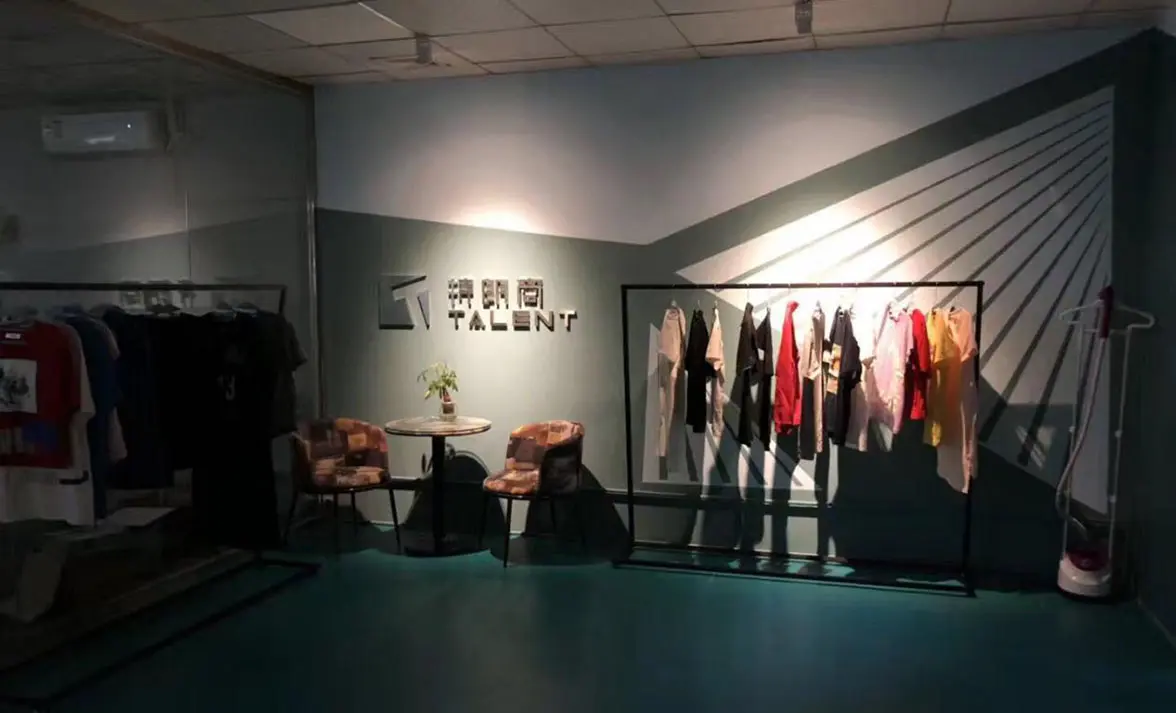
Explore our advanced manufacturing ecosystem where raw polymer compounds are transformed into high-performance smart heat transfers.
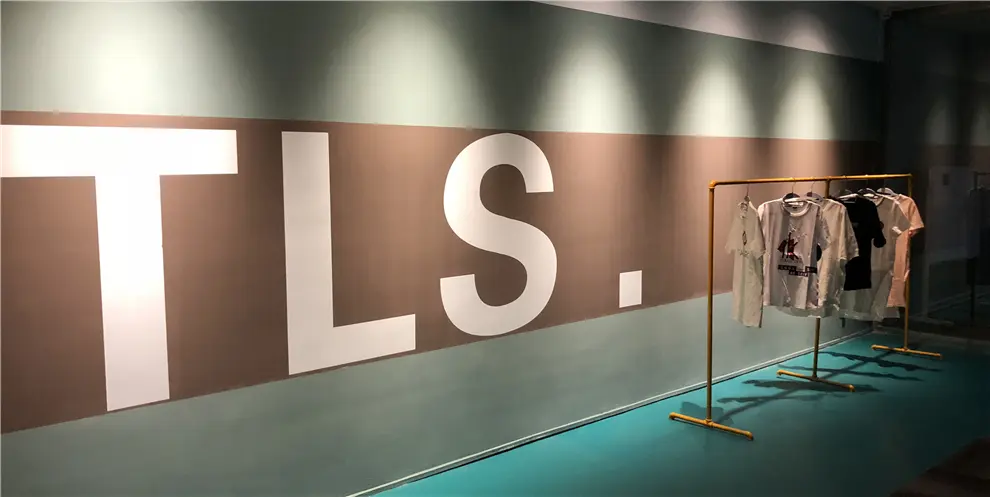
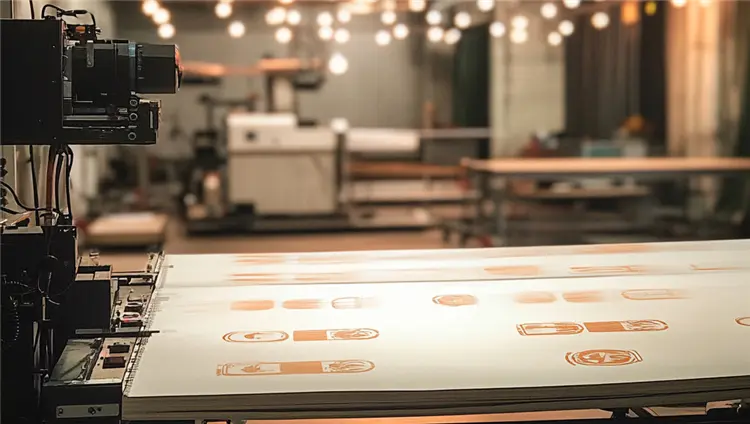
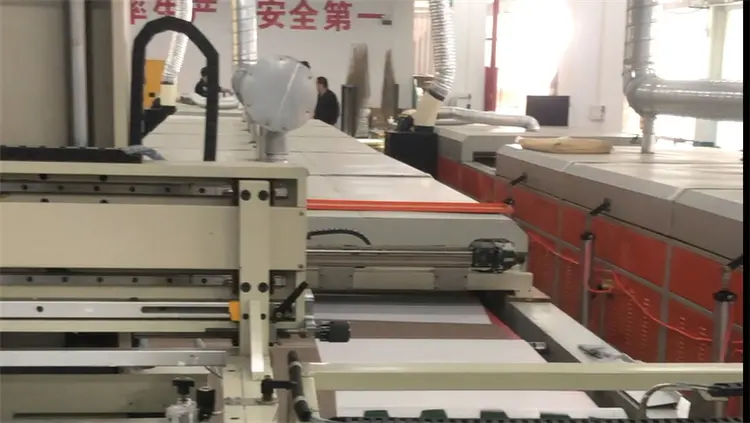
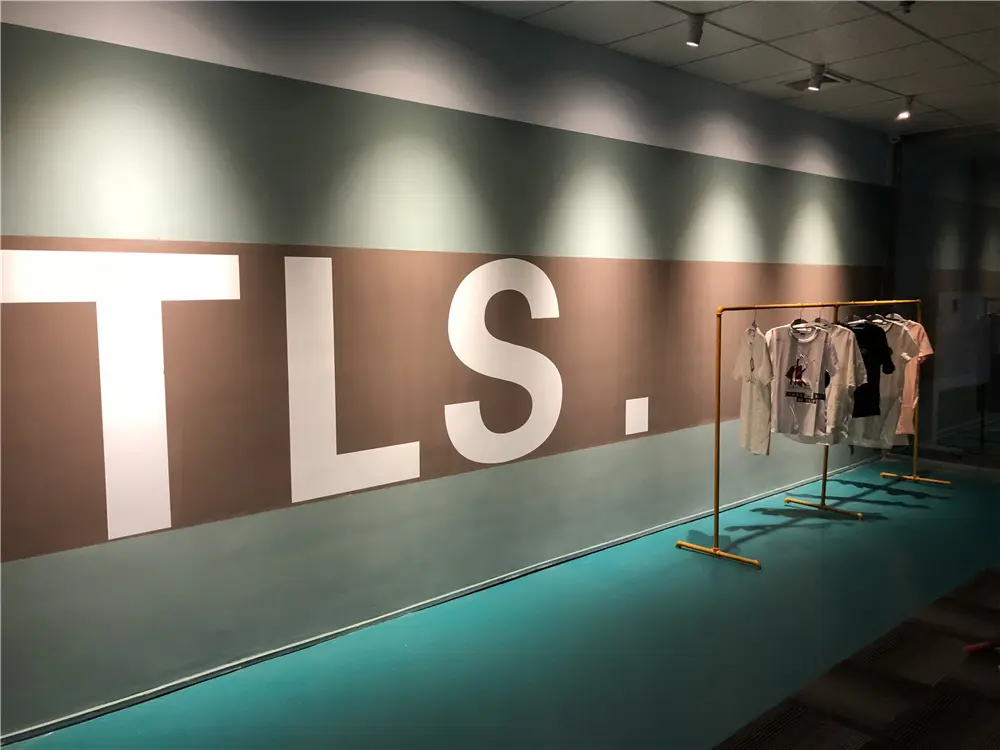
Our state-of-the-art facilities are equipped with the latest technology to ensure efficient production and high-quality output. We have made significant investments in infrastructure to create an enabling environment for innovation, research and development. Our facilities are designed to meet the highest industry standards and meet the diverse needs of our customers.
Over the years, we have experienced significant growth and expansion due to our unwavering commitment to excellence. We continuously invest in advanced technologies and processes to increase our production capabilities and meet our customers' growing needs. Our continued growth is a testament to our commitment to providing exceptional products and services.
Addressing international chemical safety guidelines and mechanical durability protocols required by enterprise clients.
Our entire adhesive matrix, including carrier films, ink pigments, and high-visibility glass micro-beads, has been engineered to pass testing for harmful substances. They are certified safe even for infant apparel, containing no heavy metals or formaldehydes.
We source raw chemical components through certified suppliers that adhere to REACH regulations. This guarantees our formulations remain free from SVHCs (Substances of Very High Concern), matching strict environmental imports standards globally.
Each production run undergoes comprehensive mechanical verification: tensile elongation limit checks, washing tests at 60°C, and retroreflective index evaluation. This maintains batch-to-batch consistency and high performance.
Our ongoing R&D initiatives focus on sustainability, advanced safety features, and dynamic multi-functional materials.
Replacing traditional petroleum-derived polyester and TPU carriers with bio-based, compostable plant resins. This reduces carbon emissions during manufacturing while maintaining standard hot-melt performance.
Developing reflective coatings that change color in response to environmental factors like temperature variation and direct UV radiation. This provides both high visibility and dynamic style shifts.
Integrating flexible conductive silver inks into structural retroreflective transfer paths. This allows the integration of micro-sensors and active LED components directly onto technical garments.
Deep-dive answers regarding application parameters, wash durability, substrate compatibility, and chemical safety guidelines.
Durable Water Repellent (DWR) coatings are formulated to lower a fabric's surface energy, which can prevent standard hot-melt adhesives from wetting the fibers. To address this, we use specialized co-polyester adhesives that break through the surface treatment at lower temperatures. A pre-heating stage is also recommended to help prepare the fabric surface before applying the transfer.
Optimizing application involves three key variables: temperature, time, and pressure. For smart reflective materials, we recommend using a pneumatic flatbed press set to 140°C - 150°C, applying 3.0 to 4.0 kgf/cm² of pressure for 10 to 12 seconds. A cold peel process is then used to ensure the glass micro-beads remain firmly anchored in the adhesive matrix.
Glass bead reflectives use spherical lenses that scatter light over a wider angle, making them highly effective for activewear where movement changes the angle of illumination. Microprismatic transfers utilize precise three-sided prisms that concentrate retroreflection in a narrower beam, delivering higher brightness over longer distances, which is ideal for stationary roadside safety vests.
We use water-based polyurethane formulations and screen-printing inks that do not contain PVC, phthalates, or solvents. Regular testing against the OEKO-TEX Standard 100 Class I guidelines ensures that our products remain safe for direct skin contact and baby clothing.
Yes. Sublimated polyester fabrics release gas dyes under the heat of a press, which can stain white or reflective graphics. To prevent this, we offer an optional dye-blocker barrier layer that traps migrate-prone dyes beneath the transfer surface, keeping your designs clean and bright.
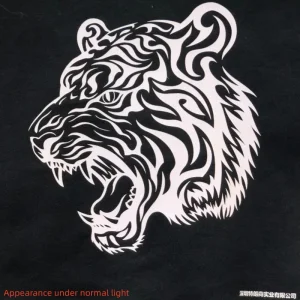
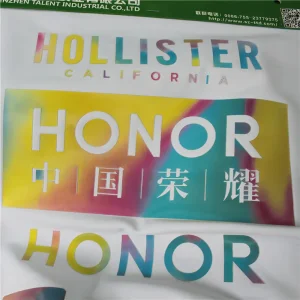
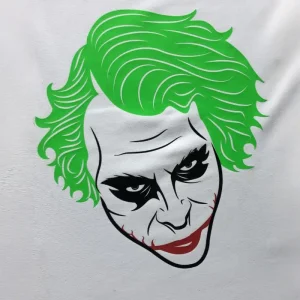
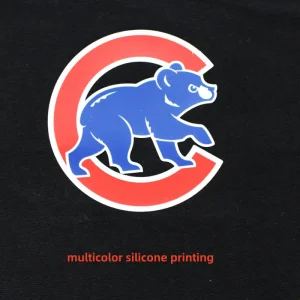
Discover our range of custom 3D silicone, UV color-changing, and holographic transfer solutions for premium apparel packaging and designs.


 TALENT Industrial