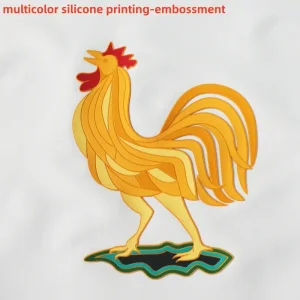
Engineered to meet rigorous durability standards, presenting the leading edge of heat-activated graphic solutions.
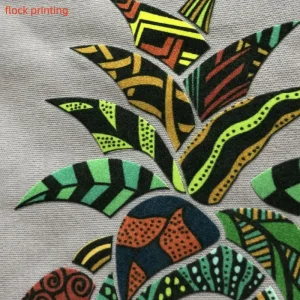

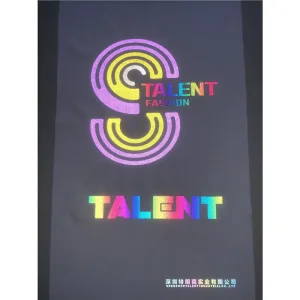

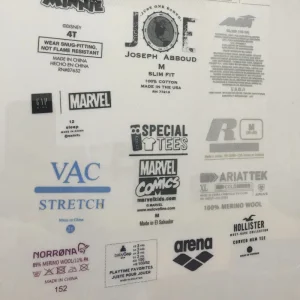
In the highly competitive global textile, footwear, and equipment sectors, brand embellishments have transcended their primary identification function. Today, high-quality quality transfers serve as a pivotal interface of product performance, aesthetic excellence, and environmental compatibility. Global markets demand embellishments that can withstand harsh physical environments—ranging from the high-stretch mechanics of athletic compression wear to the extreme abrasion requirements of tactical gear and workwear. For sourcing directors, choosing the right heat transfer supplier and manufacturer determines the end-user's perception of quality, the product's longevity, and compliance with strict international eco-regulations.
Globally, the commercial and industrial demand for heat transfer labels, silicone emblems, and technical patches is driven by the rise of smart textiles, activewear, and customized brand merchandising. Legacy direct-screen-printing methods are increasingly replaced by advanced carrier-supported transfers. This shift allows brands to maintain low inventory exposure—sourcing blank garments and applying high-definition, micro-registered transfers locally or at local distribution hubs. This dynamic requires suppliers to deliver products optimized for precision application on specialized fabrics, such as waterproof polyurethanes, high-stretch spandex, and low-melting-point technical synthetics.
Utilizing high-solids waterborne polyurethane dispersion (PUD) systems to achieve exceptional tensile recovery and elasticity. Our formulas prevent the cracking and cracking-induced delamination common in lower-grade PVC-based alternatives.
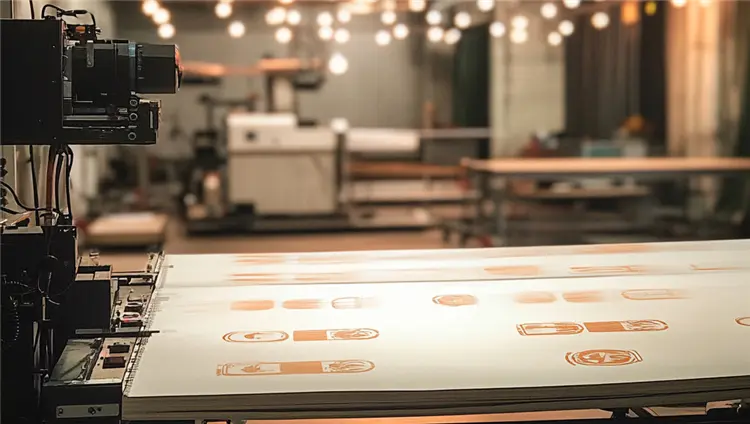
Through optical-registration cameras and automated roll-to-roll screen printing lines, we maintain multicolor registration within tolerances of ±0.1mm, ensuring sharp borders, vibrant halftones, and clear texts.
Our proprietary active-carbon block ink barriers halt dye migration, stopping background fabric dye from bleeding through white or bright-colored graphic transfers—critical for polyester athletic jerseys.
China's industrial clusters for textile trim and brand labeling offer unparalleled manufacturing efficiency. The competitive advantage is rooted in a highly dense supply chain network. Raw materials like high-grade thermocuring copolyester powders, medical-grade silicones, and engineered PET films are sourced directly from upstream chemical complexes, avoiding shipping delays. This close integration allows for rapid prototyping, converting design concepts into press-ready production samples within 48 to 72 hours.
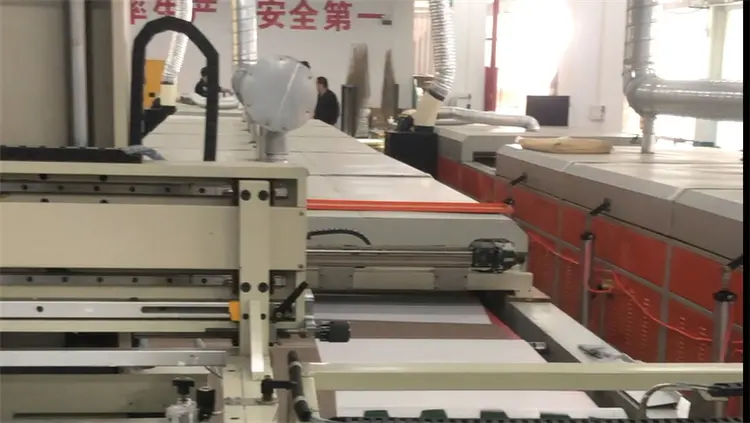
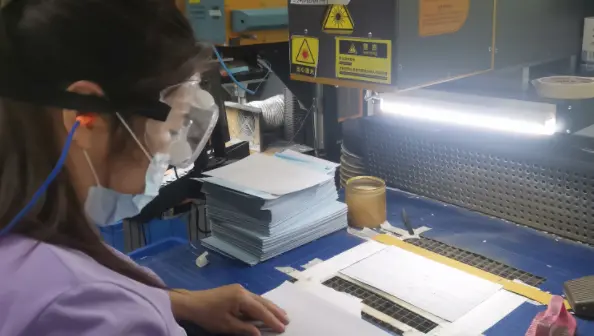
Furthermore, automation plays a central role in scaling operations while ensuring quality. By utilizing high-speed roll-to-roll silk screen machines, automatic powder scattering units, and multi-spectral CCD defect scanners, modern Chinese factories produce millions of units weekly with low defect rates. This level of output is difficult to replicate in regions lacking a dense industrial infrastructure, making China the preferred hub for global apparel brands looking to scale fast.
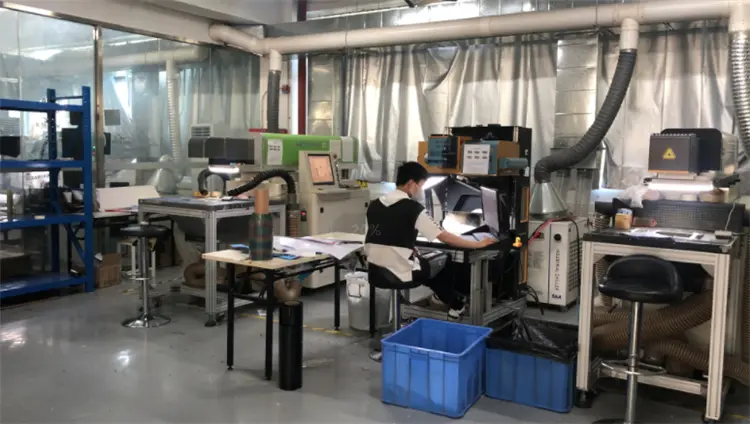
In addition, advanced testing labs located right on the factory floor simulate harsh consumer wash-and-wear cycles. Our quality assurance protocol includes colorfastness tests, crockmeter evaluations, dynamic stretch cycle tests, and testing under industrial laundry conditions. This process helps ensure that every batch of quality transfers meets global retail standards before export.
Engineered specifications for standard transfer materials under test conditions.
| Transfer Type | App. Temp. | Press. Time | Elongation |
|---|---|---|---|
| Polyurethane (PU) | 140°C - 150°C | 10 - 12s | > 250% |
| 3D Silicone | 155°C - 165°C | 15 - 20s | > 300% |
| Reflective | 135°C - 145°C | 8 - 12s | > 150% |
| Flocked Textiles | 150°C - 160°C | 12 - 15s | > 120% |
SZ Talent is a leading company with more than ten years of experience specializing in all kinds of heat transfer labels. Our comprehensive approach combines innovation, research and development, production, sales, processes and service. We are proud of our industrial automated production lines, dedicated team of technical experts and strong management system. Our focus remains on developing innovative, environmentally friendly, functional, and fashionable heat transfer products.
We adhere to the core values of quality-oriented, integrity-based, mutual benefit, promoting innovation and ensuring long-term development. Our efforts are always focused on meeting the needs of our customers. SZ Talent is a well-known name in the industry, known for its commitment to quality, innovation and customer satisfaction. We attach great importance to research and development and continuously introduce cutting-edge products that meet the changing needs of the market. Our commitment to excellence makes us a trusted partner for businesses looking for high-quality thermal transfer labels.
Our team is comprised of experienced professionals who are passionate about delivering exceptional service. We have a talented workforce dedicated to driving the company's growth and success. Our team members are committed to maintaining the highest quality and service standards, ensuring our customers receive the best solutions.
Business Growth: Over the years, we have experienced significant growth and expansion due to our unwavering commitment to excellence. We continuously invest in advanced technologies and processes to increase our production capabilities and meet our customers' growing needs. Our continued growth is a testament to our commitment to providing exceptional products and services.
Facility: Our state-of-the-art facilities are equipped with the latest technology to ensure efficient production and high-quality output. We have made significant investments in infrastructure to create an enabling environment for innovation, research and development. Our facilities are designed to meet the highest industry standards and meet the diverse needs of our customers.
When procurement managers buy labels and custom patches globally, they face specific risks. These include color matching issues, adhesive delamination under extreme cold or heat, and chemical compliance problems that can stall customs clearance. To safeguard supply chain integrity, procurement teams should evaluate potential partners using a structured inspection framework:
Ultimately, a reliable supplier is more than a contract manufacturer; they function as an active technical resource. From adjusting adhesive viscosities to match coarse, open-knit meshes, to refining heat-transfer profiles for heat-sensitive synthetics, engineers should consult on application settings to minimize defect rates. By addressing technical challenges early during the prototyping phase, brands can avoid expensive rework and keep their production lines running smoothly.
Key technical considerations for sourcing and applying industrial-grade heat transfers.
Delamination on technical fabrics treated with Durable Water Repellent (DWR) occurs because the silicones or fluorocarbons repel standard adhesives. To resolve this, we use a specialized "coating-grip" hot-melt adhesive with a lower surface energy. This allows the adhesive to wet the surface and mechanically lock with the fabric fibers. Application requires accurate heat calibration, generally between 145°C and 155°C, with a high line pressure of 4-5 bar to penetrate the treatment layer.
China's tooling efficiency is supported by in-house CNC mold-making departments within the factory complex. Rather than outsourcing mold fabrication, we engrave high-precision brass or steel molds directly from digital CAD files. This reduces tool-making times from weeks to under 48 hours. By combining this setup with multi-cavity liquid injection molding machinery, factories can ramp up to high-volume production quickly, keeping projects on schedule.
Dye migration test protocols place the heat-transferred fabric into a laboratory oven at 70°C for a continuous 48-hour period under a 5kg deadweight. If the bright-colored transfer (especially white, silver, or neon yellow) shows no color tint or discoloration from the background polyester fabric, the anti-migration carbon barrier is confirmed effective. This step is essential for high-performance athletic apparel.
OEKO-TEX compliance requires replacing standard organic solvents and raw materials with safer alternatives. Specifically, we eliminate restricted PVC polymers, plasticizers (like phthalates), and alkylphenol ethoxylates (APEOs). Manufacturers transition to waterborne polyurethane dispersions and medical-grade silicones. These raw materials must pass regular emission and contact allergy tests to remain certified.
Explore our specialized range of high-performance transfer technologies designed for complex industrial applications.


 TALENT Industrial