Discover our state-of-the-art interactive and highly durable transfers customized for global apparel leaders.



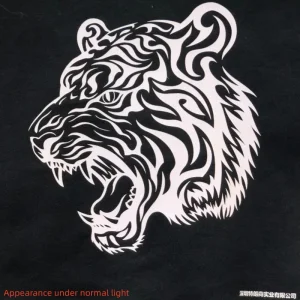

In the competitive landscape of occupational safety, tactical equipment manufacturing, and high-performance activewear, standard reflectivity no longer suffices. Modern engineering demands maximum optical efficiency under complex, ambient light conditions.
Prismatic reflective patches leverage cube-corner retroreflection technology. Unlike conventional glass-bead systems that scatter incoming light in a wide cone, microprismatic surfaces feature microscopic three-dimensional pyramids molded onto a clean polymer film. These microprisms bounce light internally across three perpendicular surfaces, redirecting a concentrated cone of illumination directly back to its source.

Understanding the optical performance is vital for procurement directors selecting labels for safety-critical and military-grade applications. Glass bead transfers utilize round silica spheres embedded in a reflective substrate. This structure scatters up to 70% of light, reducing effective return distance and failing during heavy precipitation. Microprismatic technology, however, guarantees extreme visual acuity. Because the reflection occurs internally within precise micro-prismatic cells, the light is returned in a highly concentrated, brilliant beam, making the user visible up to three times farther in hazardous, low-light environments.
Furthermore, microprismatic vinyl (primarily constructed using high-molecular-weight PMMA or polycarbonate films) resists mechanical abrasion, oil spills, and environmental exposure significantly better than exposed-lens glass beads, which easily strip off under repetitive washing cycles.
From deep wilderness rescue operations to high-intensity urban construction, microprismatic patches serve critical functions across diverse sectors.
Strict adherence to military standards (such as infrared-reflective mitigation and durable hook-and-loop backings) is required. Elite tactical forces utilize custom-designed, microprismatic identification patches for rapid target identification under extreme operational conditions.
Compliance with ANSI/ISEA 107 and EN ISO 20471 mandates specific retroreflective coefficients ($R_A$) for high-visibility garments. Chinese factories supply robust, heat-transfer prismatic films that survive industrial laundering at 60°C up to 50 times.
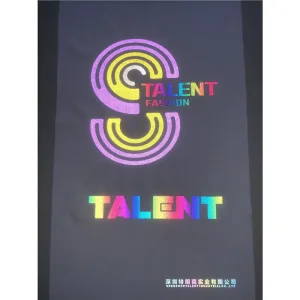
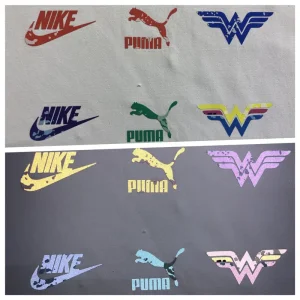
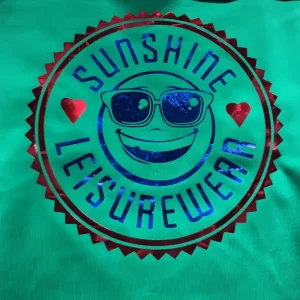
Aesthetic-led athletic and streetwear brands leverage microprismatic materials to combine safety with cyber-punk visual aesthetics. High-end brands utilize custom die-cut 3D silicone and holographic backdrops to stand out in consumer retail environments.

SZ Talent is a leading company with more than ten years of experience specializing in all kinds of heat transfer labels. Our comprehensive approach combines innovation, research and development, production, sales, processes and service. We are proud of our industrial automated production lines, dedicated team of technical experts and strong management system.
Our focus remains on developing innovative, environmentally friendly, functional, and fashionable heat transfer products. We adhere to the core values of quality-oriented, integrity-based, mutual benefit, promoting innovation and ensuring long-term development. Our efforts are always focused on meeting the needs of our customers, ensuring seamless delivery from our production hubs to logistics ports globally.
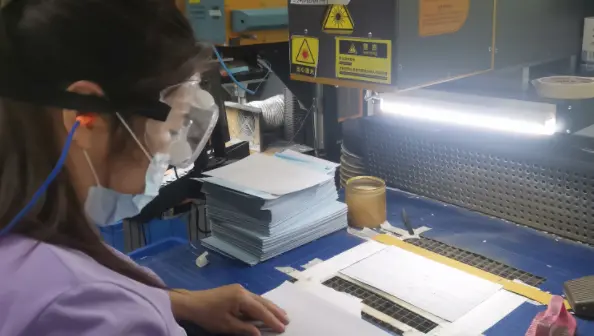
The manufacturing ecosystem in China offers unparalleled supply chain advantages. We produce at high velocity using advanced automated roll-to-roll microprismatic embossing machines and digital laser cutting, dramatically reducing lead times compared to Western counterparts. Moreover, we have resolved critical technical challenges such as dye migration on synthetic fabrics (e.g., polyester sportswear) by integrating barrier coatings directly into our heat transfers.
By placing our state-of-the-art facilities close to international shipping clusters, we ensure lower transit costs and highly agile manufacturing schedules. We cater to OEM and ODM requirements with comprehensive quality control checkpoints, including wash testing, spectrophotometer color matching, and retroreflectivity scanning ($R_A$).
Our state-of-the-art facilities are equipped with the latest technology to ensure efficient production and high-quality output. We invest deeply in R&D infrastructure to remain at the leading edge of functional labels.
Over the years, we have experienced significant growth and expansion due to our unwavering commitment to excellence. We continuously invest in advanced processes to meet our customer's growing needs.
Our team is comprised of experienced professionals who are passionate about delivering exceptional service. We have a talented workforce dedicated to driving growth, maintaining high standards, and providing customized design consultation.

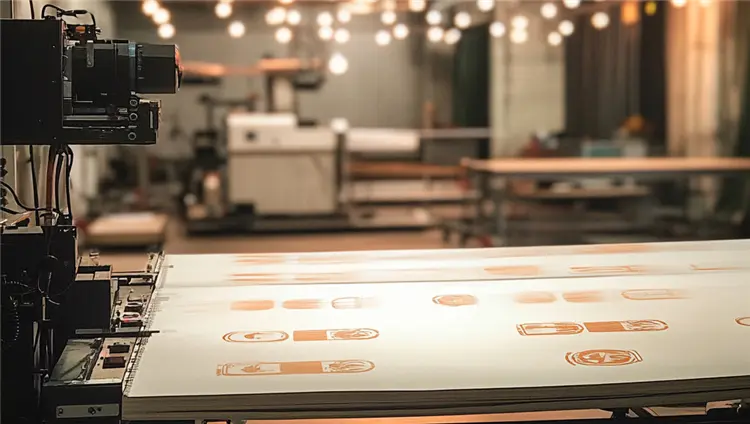
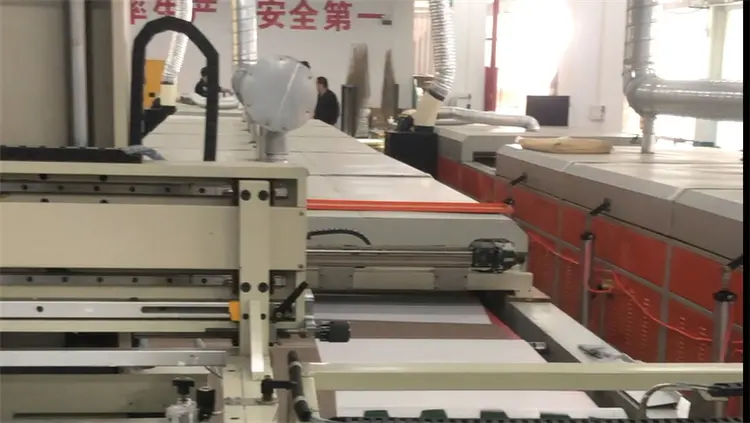
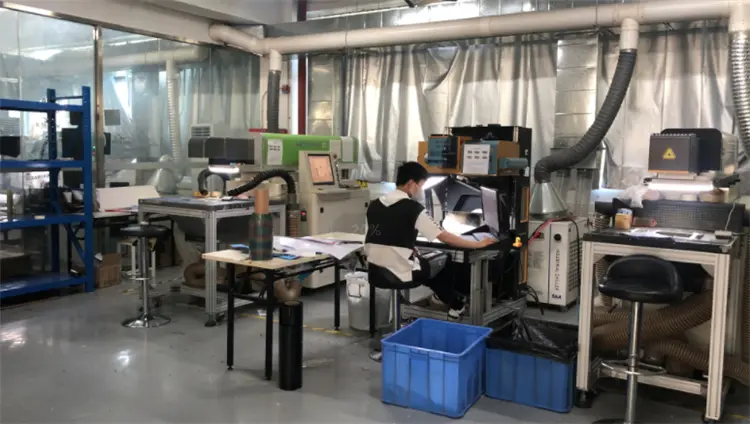
Verifiable manufacturing capacities that guarantee delivery reliability for Fortune 500 clothing manufacturers.
A guide for sourcing directors evaluating Chinese suppliers of prismatic safety patches and heat transfers.
When selecting a manufacturer for microprismatic reflective solutions, several physical properties must be verified in a laboratory environment to avoid field failures:
Get answers to the most common queries from apparel brand engineers and procurement directors.
Glass bead transfers utilize microscopic glass spheres to refract light in all directions, causing a wider, less focused reflection. Microprismatic transfers utilize engineered microscopic cube-corner pyramids to reflect light in a direct path back to the observer. This results in significantly higher brightness (Candelas), longer visibility ranges, and better durability during inclement weather.
We formulate our hot-melt adhesives specifically to match the elasticity of target base fabrics. For high-stretch polyester and spandex substrates, we apply highly elastic TPU resin binders. This allows the heat-transferred patches to stretch, bend, and recover seamlessly without cracking or experiencing premature adhesive fatigue.
Dye migration is a phenomenon where synthetic dyestuffs from polyester fabrics bleed into white or light-colored heat transfers due to the high temperature of heat presses. We combat this by printing a specialized, high-opacity carbon-black dye barrier between the garment adhesive and the outer reflective layer, permanently isolating dye sublimation.
Yes, our raw materials undergo strict chemical testing. All components comply with OEKO-TEX Standard 100, REACH, and RoHS restrictions, guaranteeing that no heavy metals, toxic skin allergens, or carcinogenic plasticizers exist in our finished heat transfers.
Absolutely. We offer complete custom services, including exact Pantone color-matching, laser cutting for complex outline geometries, and multi-process combinations (such as mixing 3D embossed silicone outlines with retroreflective center fills).
Exquisite manufacturing quality, specialized in ensuring high visibility and structural safety on stretch textiles.

 TALENT Industrial