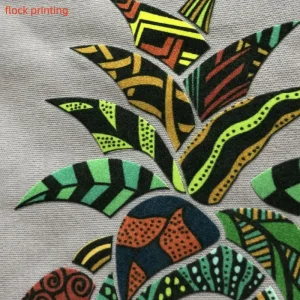
Discover our functional and decorative surface customization films engineered for durability under high-stress conditions.



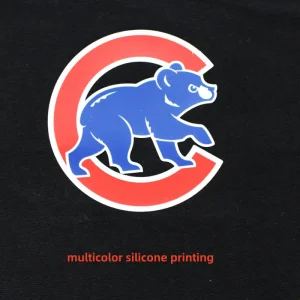
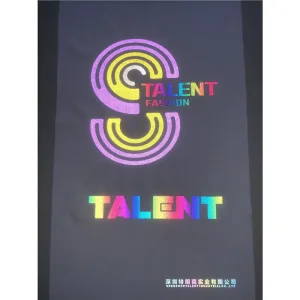
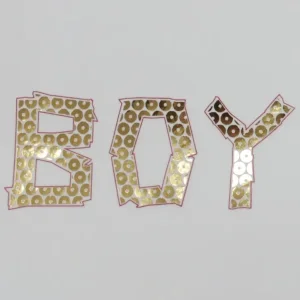
Understanding the transition from traditional solar panels to aesthetically integrated energy generator nodes.
The global shift toward green building standards, such as Net Zero Energy Buildings (NZEB) and LEED certifications, has catalyzed the demand for Building-Integrated Photovoltaics (BIPV). In the modern landscape, solar energy infrastructure is no longer confined to traditional rooftop mounts. Standard glass panels are being replaced with structural elements that function simultaneously as thermal insulation, protection, and power generation units.
However, the commercial adoption of BIPV has faced architectural resistance due to aesthetics. Standard black and dark blue monocrystalline modules often clash with modern facade designs. This conflict has given rise to the industrial deployment of Photovoltaic Color Transfers (also referred to as BIPV aesthetic color overlays). These advanced films allow manufacturers to apply precise patterns, wood grain textures, ceramic structures, and vibrant colors to the glass front-sheets of solar panels without severely degrading their power generation capacity.
By leveraging advanced material science, functional color transfers match the optical requirements of solar modules. This enables architects to treat photovoltaic panels as dynamic design materials. Regional directives in the EU, North America, and parts of APAC are now mandating solar integration in commercial facades, positioning color transfer films as a critical material supply segment.
Bridging the gap between optical reflectance and power conversion efficiency.
Conventional colors absorb light, lowering panel efficiency. Next-generation photovoltaic transfers utilize spectrally selective pigments and nano-interference layers. These materials reflect colors within a narrow band of visible light while allowing the infrared and remaining light spectrum to pass into the solar cells, maintaining 85%+ module efficiency.
Solar facades must withstand outdoor environments for over 25 years. Industrial photovoltaic color transfers incorporate advanced UV stabilizers, non-yellowing binders, and ceramic frit materials. They undergo testing under damp heat, thermal cycling, and high-intensity UV exposure to ensure zero color degradation over decades.
To reduce production costs, the color transfer application process is integrated directly into standard module lamination lines. The transfers are pre-printed on carrier materials and applied to the glass substrate under controlled pressure and temperature, eliminating post-lamination steps.
Real-world adaptations across varying regulatory landscapes and architectural environments.
Municipal preservation codes in cities like Munich, Paris, and Florence restrict standard solar panels. Photovoltaic color transfers allow restoration teams to manufacture solar panels that mimic traditional clay roof tiles, slate, or stone facades, meeting architectural conservation mandates while generating clean energy.
In corporate real estate, exterior appearance represents brand identity. Multi-technique matte-finished color transfers can convert standard curtain walls into energy-producing units that match specific color palettes, reducing glare for surrounding properties.
Coastal installations encounter high salt mist and humidity. Our thermal transfer technology bonds with the glass substrate, providing an airtight, salt-resistant barrier that protects against environmental wear.
SZ Talent: More than ten years of experience specializing in high-performance functional and heat transfer labels.
SZ Talent is a leading company with more than ten years of experience specializing in all kinds of heat transfer labels. Our comprehensive approach combines innovation, research and development, production, sales, processes, and service. We are proud of our industrial automated production lines, dedicated team of technical experts, and strong management system. Our focus remains on developing innovative, environmentally friendly, functional, and fashionable heat transfer products.
We adhere to the core values of quality-oriented, integrity-based, mutual benefit, promoting innovation, and ensuring long-term development. Our efforts are always focused on meeting the needs of our customers, whether in industrial customization, sportswear embellishments, or next-generation functional labels.
SZ Talent is a well-known name in the industry, known for its commitment to quality, innovation, and customer satisfaction. We attach great importance to research and development and continuously introduce cutting-edge products that meet the changing needs of the market. Our commitment to excellence makes us a trusted partner for businesses looking for high-quality thermal transfer labels.
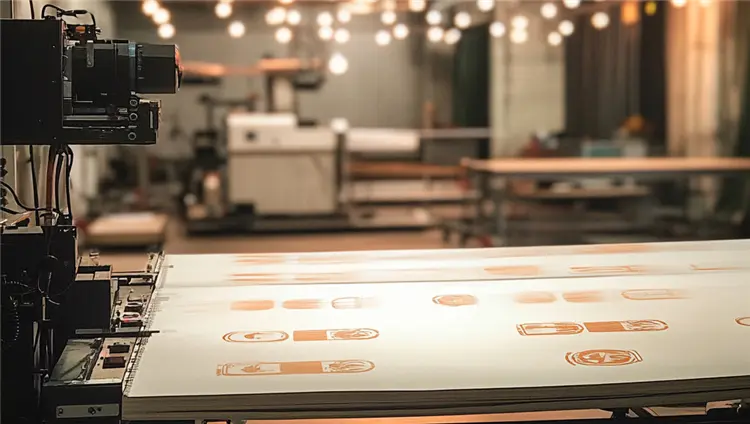
Driving technical growth and infrastructure scale globally.
Over the years, we have experienced significant growth and expansion due to our unwavering commitment to excellence. We continuously invest in advanced technologies and processes to increase our production capabilities and meet our customers' growing needs. Our continued growth is a testament to our commitment to providing exceptional products and services.
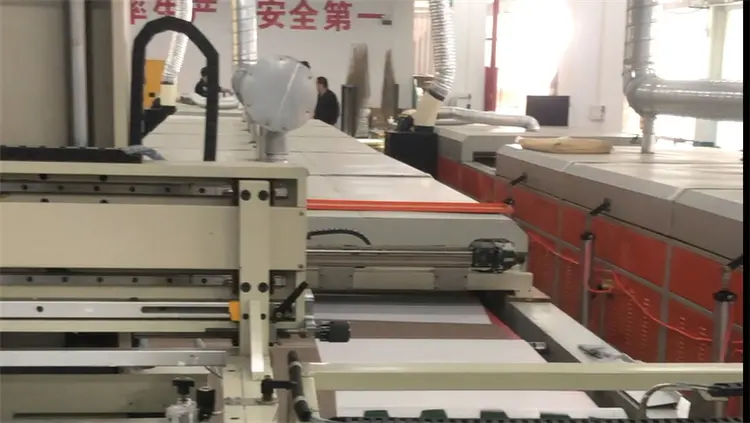
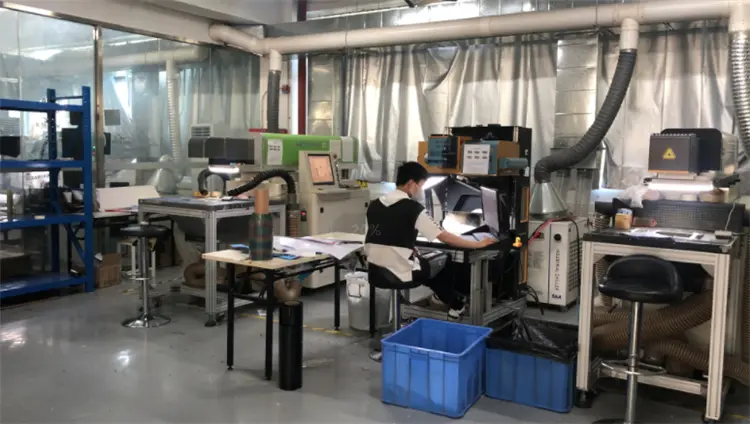
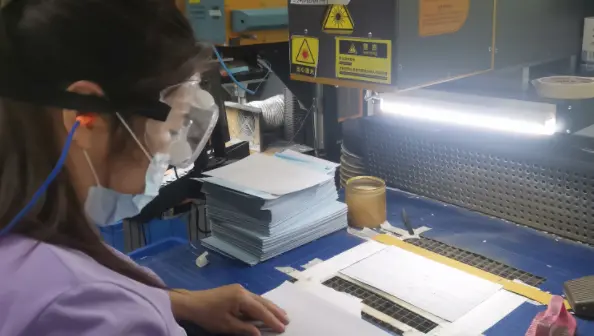
Our state-of-the-art facilities are equipped with the latest technology to ensure efficient production and high-quality output. We have made significant investments in infrastructure to create an enabling environment for innovation, research, and development. Our facilities are designed to meet the highest industry standards and meet the diverse needs of our customers.
Critical inquiries regarding performance, durability, and customization parameters.
Explore more of our highly resilient and functional graphic solutions designed to withstand challenging environments.


 TALENT Industrial