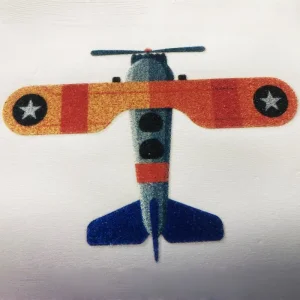
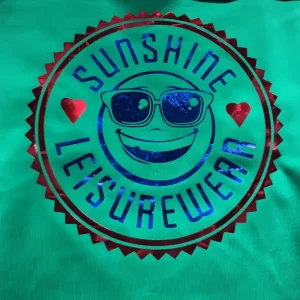
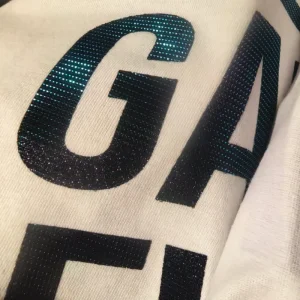
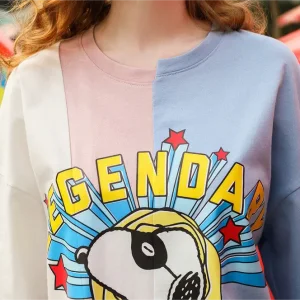
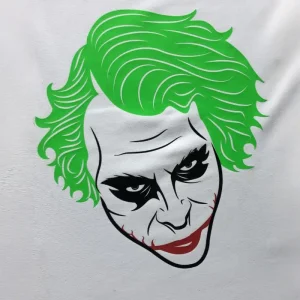
Engineered to deliver exceptional tactile feedback, washing stability, and precise color registration on technical fabrics.
Traditional flat heat transfers often lack the visual dimension and tactile impact required by modern streetwear and premium athletic brands. Similarly, conventional 3D puff embroidery, while dimensional, is restricted by stitch counts, thread thicknesses, and struggles to render micro-details or complex photorealistic color gradients. This is where Photorealistic Puff Heat Transfers fill the technology gap.
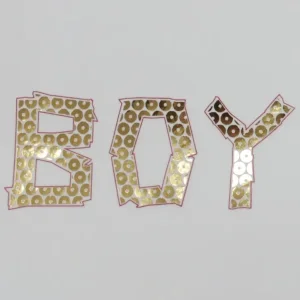
By marrying high-definition digital offset printing technology with micro-expanding foaming inks, SZ Talent has pioneered a branding system that elevates graphics into 3D space with absolute fidelity. The process yields vibrant colors, intricate tonal shifts, and a soft, resilient dimensional rise that recovers instantly from compression. As direct-to-garment requirements become more complex, our specialized heat transfer formulations guarantee unmatched detail retention without compromising garment flexibility.
How we combine advanced polymer physics, digital printing, and thermal activation to achieve industry-leading performance.
Our transfers employ thermoreactive polyurethane resin embedded with heat-sensitive micro-balloons. Upon heat pressing, these micro-encapsulated blowing agents expand uniformly at 145°C - 155°C. The custom-blended TPU carrier ensures a controlled rise, preventing surface rupture or typical "orange peel" cracking while preserving gradient tones and structural borders.
To withstand repeated washing cycles, our photorealistic ink contains specialized cross-linking agents that bond chemically with the polyester and cotton substrates during thermal application. This formulation prevents peeling and maintains graphic definition under intense friction and stretch conditions.
SZ Talent is currently testing bio-derived polyurethane resins and water-based inks that match the mechanical longevity of petrochemical alternatives. Our roadmap includes transitioning all high-volume puff lines to circular economy inputs by 2026, satisfying global EPR directives and sustainable fashion guidelines.
| Performance Indicator | Standard Puff Transfer | SZ Talent Photorealistic Puff | Industry Standard Compliance |
|---|---|---|---|
| Micro-detail Resolution | ≥ 0.8mm lines | ≥ 0.25mm lines | Tested under ISO 105-C06 |
| Washing Durability | Up to 15-20 cycles | Over 50 cycles (60°C wash) | ISO 6330 Standard |
| Eco-certification | Varies, PVC commonly present | 100% Eco-Friendly TPU, PVC/Phthalate Free | OEKO-TEX Standard 100 Class I |
| Dye Migration Shielding | Standard backing layer | Integrated active carbon charcoal barrier | AATCC Test Method 163 |
| Texture Resilience | Permanent deformation under high pressure | High elastic memory recovery (>90% compression bounce-back) | ASTM D3574 Compression Testing |
Custom-engineered systems addressing specialized material challenges across global apparel segments.
Technical synthetic fabrics like polyester, spandex, and nylon blends undergo intense tension and temperature shifts. Standard decoration methods tear or cause migration. Our specialized activewear transfers integrate high-stretch elastomer layers with high-density migration barriers, allowing the 3D puff graphic to stretch along with the fabric fibers without cracking or bleeding.
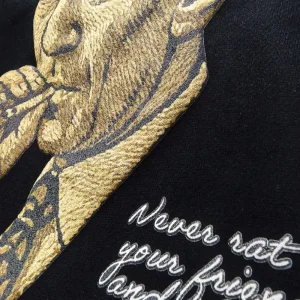
Visual depth and tactile branding define high-end streetwear. The photorealistic puff transfer allows brands to execute complex illustrations, photo prints, and complex color palettes in a raised dimensional format. It provides the premium look of heavy-stitch embroidery but with a lighter feel, faster application speeds, and zero inner-garment itchiness.
Our solutions for outdoor garments incorporate DWR-compatible adhesives and heat resistance modifiers. These transfers undergo rigorous abrasion and environmental degradation testing to ensure the puffed graphics retain their dimensional height, color saturation, and adhesive integrity even under harsh weather and UV exposure.
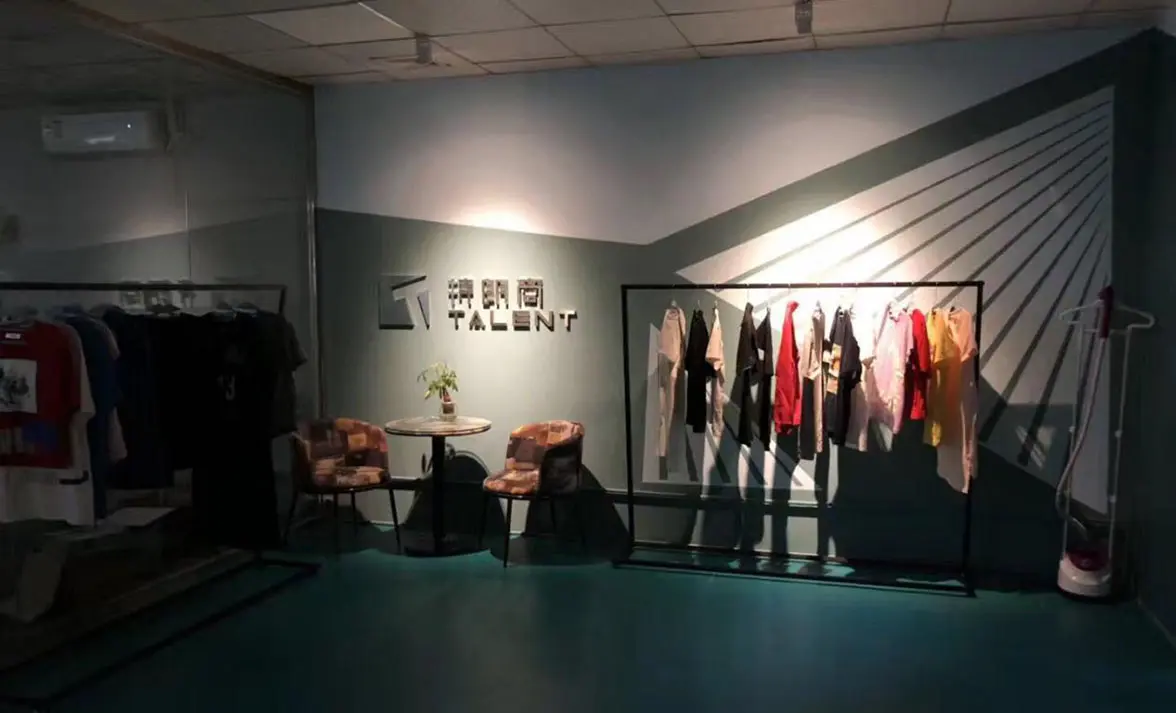
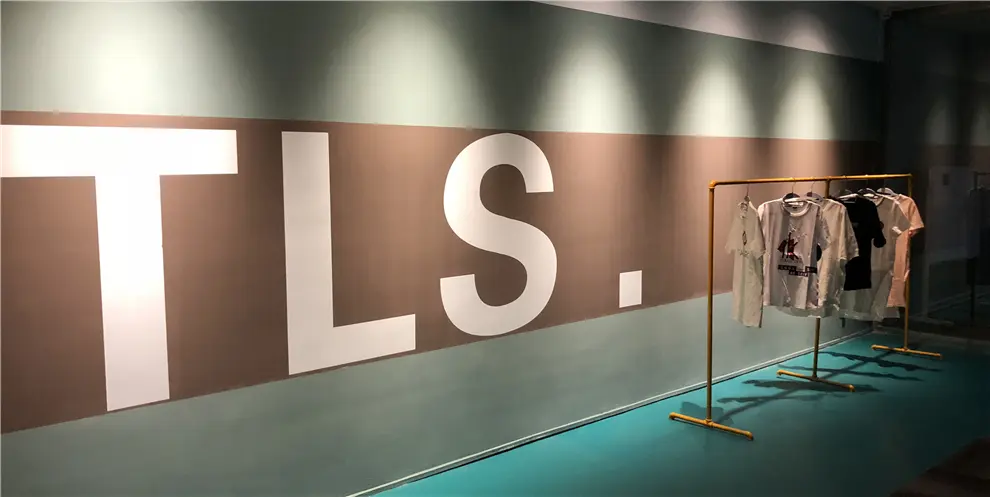
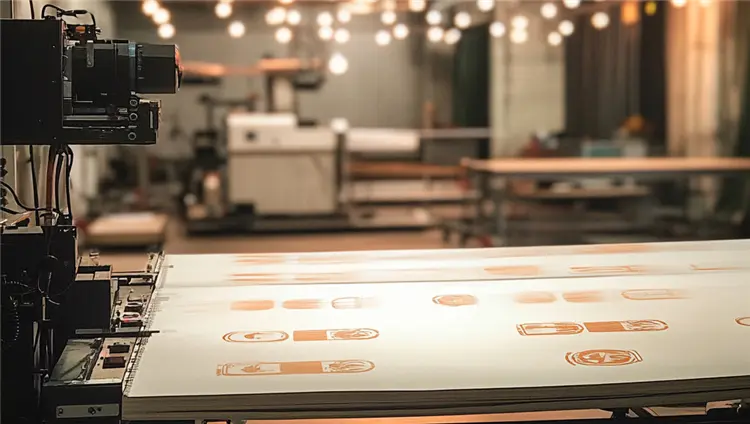
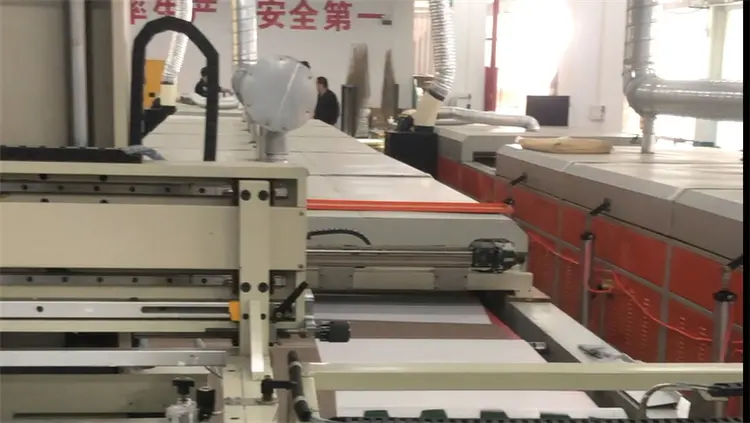
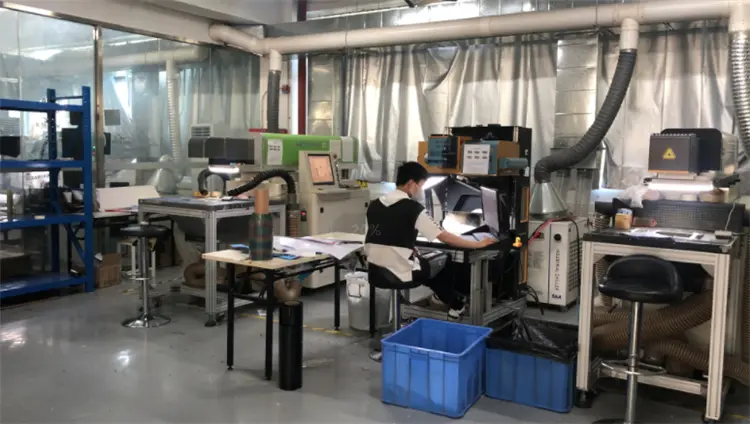
Operating out of our fully integrated production facility, SZ Talent has over ten years of specialized experience in all classes of heat transfer labels. We combine innovative research and development with fully automated, dust-free production lines to guarantee high-precision output at scale.
Our factory processes rely on a unified digital management system (ERP/MES) that tracks each batch from raw polymer mixing to final laser die-cutting. This integration guarantees consistent density and color reproduction across high-volume production runs. Equipped with high-speed, multi-color automatic screen-printing lines alongside top-tier digital presses, we easily support both high-volume runs and fast-turnaround sampling. Our raw material supply chain relies on long-term chemical partners to secure consistent polymer pricing and immediate availability during peak apparel seasons.
Ensuring frictionless global logistics, safety certifications, and specialized engineering support.
Our materials conform to strict international directives, including the EU’s REACH regulations, US CPSIA, and California Proposition 65. Our OEKO-TEX Standard 100 Class I certification guarantees that every layer of the heat transfer is safe for direct skin contact, making it suitable for children's garments and underwear.
We work directly with your design and sourcing departments. By providing customized adhesive tests based on your production fabrics, we determine the optimal heat, pressure, and time parameters for your factory machinery. This minimizes testing times and prevents application issues on the production floor.
We leverage robust shipping and custom clearing networks across Europe, North America, and Southeast Asia. With temperature-regulated shipping configurations, we protect the chemical properties of our transfer adhesives from heat-induced activation during ocean transit, ensuring they arrive ready for application.
Insights from our engineering department regarding application, durability, and customization.
For standard cotton and polyester blends, we recommend applying the transfer at 145°C - 155°C (293°F - 311°F) for 12 to 15 seconds under medium to firm pressure (3-4 bar / 40-50 PSI). The carrier film is typically peeled cold. For heat-sensitive synthetic fibers, we offer low-temperature formulas that cure at 130°C - 135°C to avoid fabric scorching.
We integrate a dense, high-barrier dye-blocker layer beneath the decorative layers of our transfers. This blocker prevents gaseous polyester dye molecules from migrating up into the light-colored elements of the transfer when exposed to high application temperatures, preserving clean color boundaries.
To ensure proper puff expansion without losing shape definition, we recommend keeping positive lines at least 0.3mm wide and negative spaces (gaps in design) at 0.5mm wide. High-resolution raster images should be submitted at 300 DPI or higher in CMYK format, while vector formats (AI, PDF) are preferred for optimal edge sharpness.
Our internal labs perform washing tests according to AATCC and ISO 6330 standards. The transfers must pass at least 50 cycles of machine washing at 60°C and tumble drying without peeling, cracking, or showing significant color degradation. We also conduct crocking and stretch tests to verify elasticity retention.
Explore our range of heat-resistant, stretchable, and security labels designed for diverse garment substrates.
 TALENT Industrial