Explore our flagship catalog engineered for extreme durability, precise registration, and advanced tactile performance.
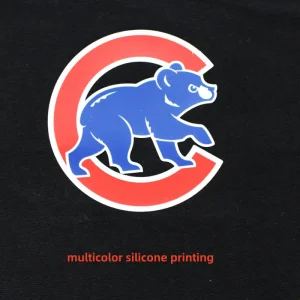

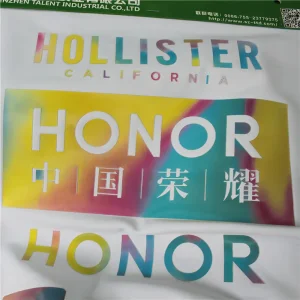
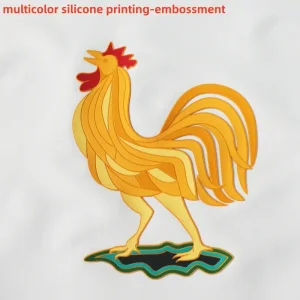
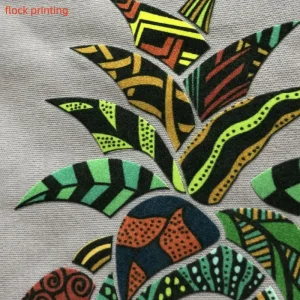
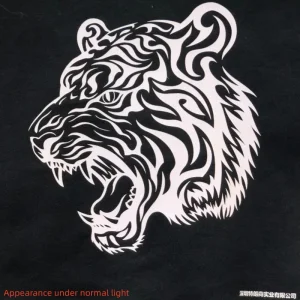
In modern technical wear, outdoor gear, and performance fashion markets, brand recognition relies heavily on visual accents. Over the past decade, there has been a significant shift away from standard polyvinyl chloride (PVC), embroidered, and plain printed labels. In their place, global premium brands are choosing Molded Silicone Patches. These flexible polymer elements represent a major advancement in tactile branding, blending distinct mechanical characteristics with clean aesthetic appeal.
From a material standpoint, molded silicone (polysiloxane) offers distinct benefits over traditional polyurethane (PU) and PVC substitutes. It is highly resistant to heat, UV degradation, and ozone. Crucially, it remains flexible at temperatures as low as -50°C and maintains structural integrity up to 250°C. For brands supplying gear for extreme environments, from mountaineering to tactical search and rescue, this performance guarantees that logos will not crack, fade, or peel when exposed to the elements.
Furthermore, modern consumers and international regulations are demanding greener supply chains. Because silicone is chemically inert and does not release volatile organic compounds (VOCs) or toxic plasticizers, it complies with strict chemical safety standards. Molded silicone transfers meet testing protocols for OEKO-TEX® Standard 100 Class 1 (safe for infant wear), REACH, and RoHS. This makes them highly suitable for global apparel brands looking to meet environmental guidelines while delivering a premium user experience.
When sourcing custom molded silicone components, B2B procurement managers balance two main costs: initial tooling/mold setup fees and run-rate unit prices. Molding silicone requires a CNC-engraved steel or copper mold plate. The precision of this tool determines the clean lines, sharp corners, and layered textures of the finished 3D graphic.
Here is a breakdown of the typical cost structure for custom 3D silicone patch production runs:
| Patch Type & Complexity | Dimensions (Typical) | Tooling Fee (One-Time) | Unit Cost (1,000 pcs) | Unit Cost (5,000+ pcs) | Backing Substrate Options |
|---|---|---|---|---|---|
| Single-Color Flat 3D Profile | 50mm x 50mm | $80 - $120 | $0.25 - $0.40 | $0.15 - $0.28 | Heat Seal, Sewing Channel, Plain |
| Multi-Tiered/Multi-Color Molded | 75mm x 50mm | $120 - $180 | $0.38 - $0.55 | $0.24 - $0.38 | Velcro Hook & Loop, Heat Adhesive |
| Holographic / Metallic Finish Patch | 60mm x 60mm | $150 - $220 | $0.45 - $0.70 | $0.32 - $0.48 | Pressure Sensitive Adhesive, Heat Seal |
| Specialty (Thermochromic/UV Color Shift) | 80mm x 80mm | $200 - $300 | $0.65 - $0.95 | $0.48 - $0.70 | High-Performance Heat-Transfer Adhesive |
Please note that unit pricing is highly scalable. Because setting up automated multi-cavity injection molds takes time, larger orders significantly lower the overhead cost per piece. Adding features like retroreflective glass beads, photoluminescent pigments (glow-in-the-dark), or thermochromic dyes will increase the cost of raw materials, which is reflected in the final unit price.
Learn how automated production lines and skilled engineering combine to lower delivery times and support volume capacity.
Operating from the manufacturing hub of Shenzhen, China, SZ Talent has spent over ten years refining the production of high-performance heat transfer labels and molded silicone components. Our facility utilizes automated micro-dispensing tables alongside high-tonnage vacuum vulcanization presses. By standardizing automated production, we eliminate manual dispensing errors, ensuring clean color borders and consistent part weights even on large production runs.
Our manufacturing approach covers the entire process: in-house CAD/CAM tool engraving, custom color blending using spectrophotometers, high-volume automated molding, and quality inspections. Working with a dedicated team of engineers, we continuously test new formulations to improve adhesion on tricky technical fabrics, such as DWR-treated nylons and high-stretch spandex.
We run our business based on clear values: high-quality manufacturing, reliable service, and long-term development. This focus on consistency makes us a trusted sourcing partner for businesses seeking dependable thermal transfer labels.
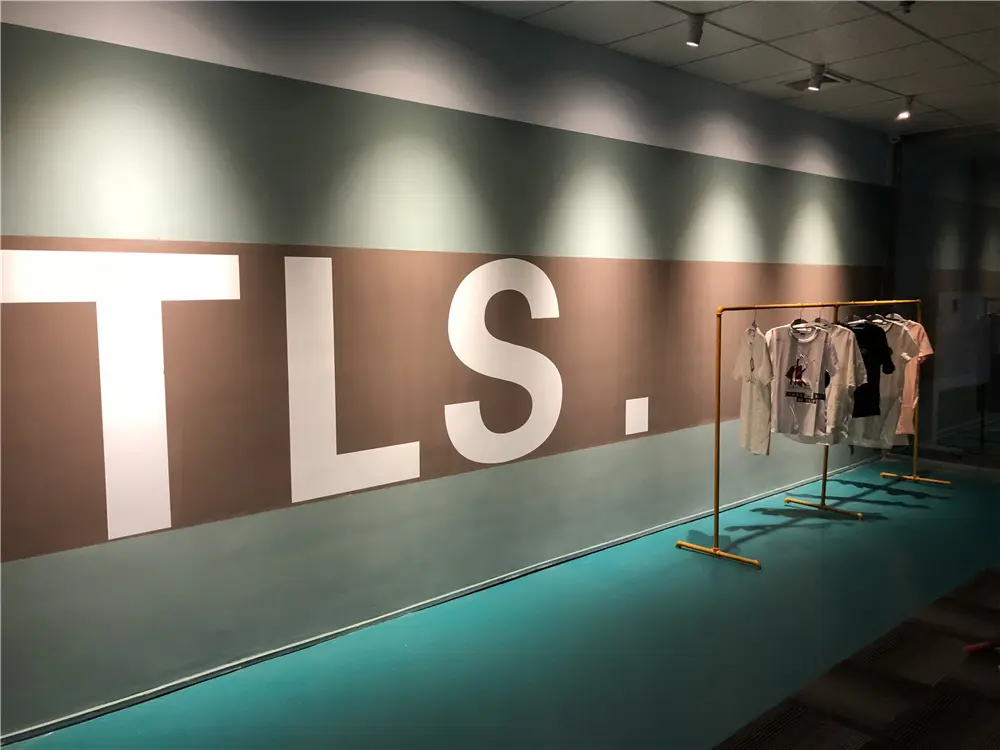
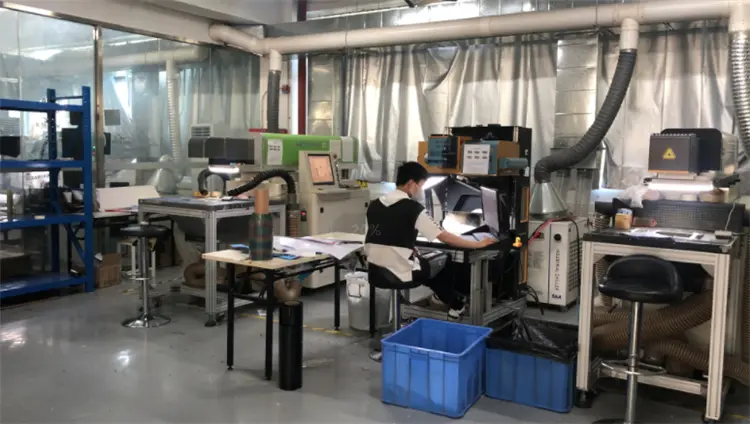
Over the years, we have scaled our production to support growing global demand by upgrading our infrastructure. Our facilities are designed to meet strict manufacturing standards, providing a clean, controlled environment for processing liquid silicone rubber (LSR).
We operate multiple CNC engraving centers that can cut production tooling in less than 24 hours. Our quality control lab is equipped with commercial wash testing equipment, dry-heat aging chambers, and crockmeters to verify that every batch meets our internal standards for colorfastness and adhesion before leaving the factory.
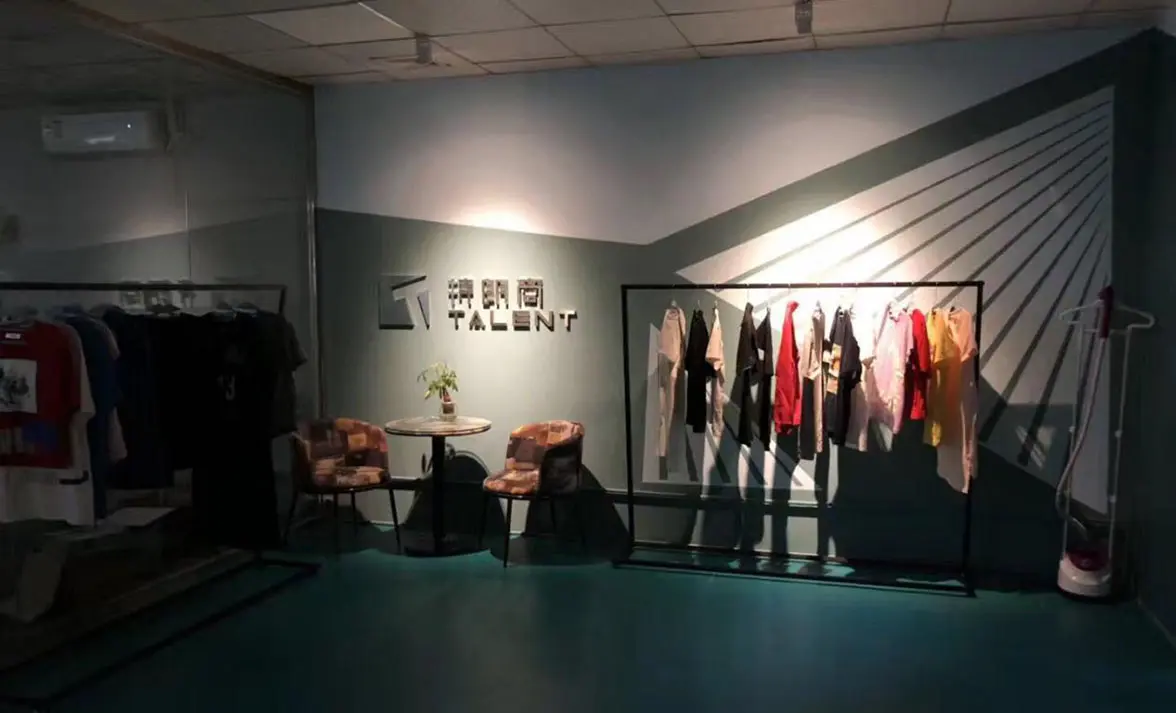
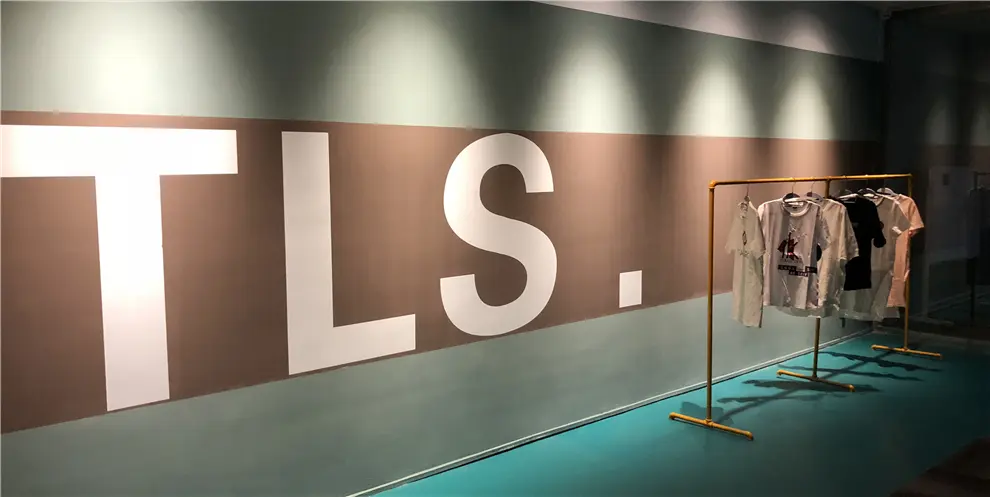
Our team of material scientists and tooling engineers collaborates directly with global design teams to convert digital artwork into production-ready molds.
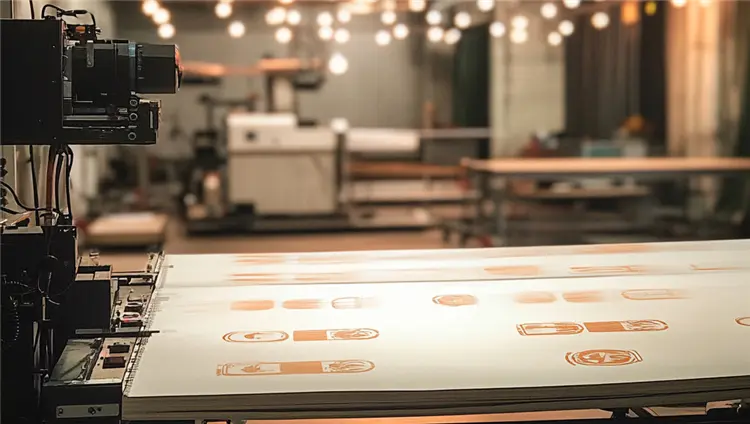
Multi-axis automated dispensing heads inject tinted silicone into copper molds, ensuring fine lines remain sharp and colors do not bleed.
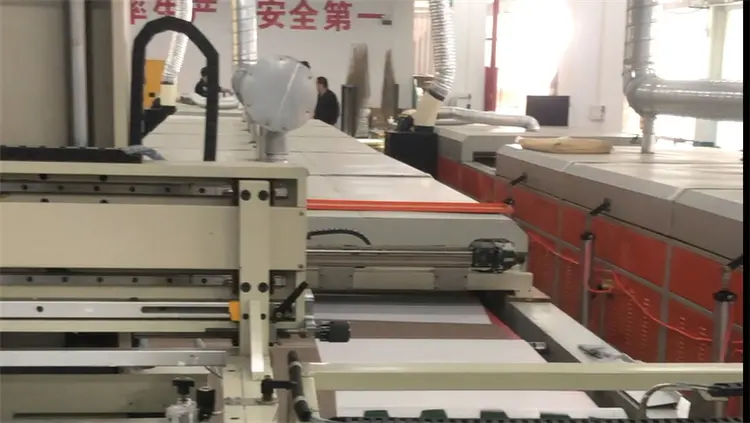
Under high pressure and regulated temperatures, the raw silicone polymerizes, curing into a durable, elastic compound.
We apply high-grade heat-melt adhesives or Velcro backing, matching the patch's installation style with the final fabric requirements.
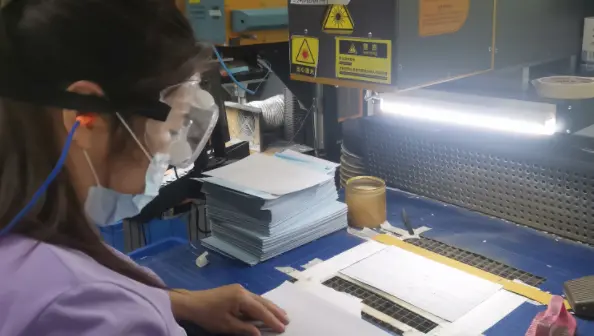
Finished patches undergo regular testing for stretch recovery, wash resistance, and rub fastness to ensure they perform reliably in real-world conditions.
Modern activewear and performance apparel require branding elements that do more than just display a logo. Modern molded silicone patches can integrate advanced visual materials to serve functional purposes:
By introducing thermochromic micro-capsules or UV-activated photochromic dyes into the silicone mix, patches can change color in response to temperature fluctuations or sunlight. This technology is frequently applied in high-value activewear and outdoor gear.
We can embed high-refractive-index glass beads directly into molded silicone profiles. This creates reflective markings that improve low-light visibility for running apparel, cycling gear, and safety workwear.
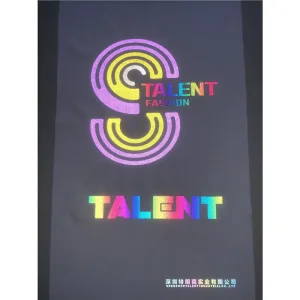
Using micro-structured mold plates, we can create holographic diffraction effects directly on the silicone surface. This refracts ambient light into distinct color patterns, making it ideal for premium fashion brands looking to stand out.
To apply these elements successfully, it helps to understand the parameters for heat transfer installation. If the temperature, pressure, or dwell time are incorrect, the adhesive may fail to bond properly, or the silicone surface can warp.
| Substrate Fabric Category | Recommended Temperature | Dwell Time (Seconds) | Line Pressure (PSI / Bar) | Peel Calibration Protocol |
|---|---|---|---|---|
| 100% Ring-Spun Cotton | 145°C - 155°C | 12 - 15 Seconds | 40 - 50 PSI / 2.8 - 3.4 Bar | Cold Peel (Wait 30+ seconds post-press) |
| Poly-Spandex Blends (High-Elasticity) | 135°C - 140°C | 10 - 12 Seconds | 35 - 45 PSI / 2.4 - 3.1 Bar | Warm/Cold Peel (Stabilizes elastic bonds) |
| Nylon Ripstop & DWR Softshell | 140°C - 150°C | 15 - 18 Seconds | 50 - 60 PSI / 3.4 - 4.1 Bar | Cold Peel (Ensures cross-link polymer grip) |
| Heavy Fleece & Cotton Canvas | 150°C - 160°C | 15 - 20 Seconds | 50 - 60 PSI / 3.4 - 4.1 Bar | Cold Peel (Provides deep adhesive penetration) |
For supply chain directors and procurement specialists, optimizing lead times and minimizing scrap rates is essential. Inaccurate design files, poor color specifications, and unrecognized fabric coatings can lead to delays. To avoid these issues and ensure an efficient production run, we recommend following this B2B checklist:
.AI, .EPS, or .PDF format with vector outlines. For 3D molded designs, please include a 3D step file or a clear layered drawing showing the height levels of each color section.
Direct technical answers to common B2B procurement queries, material standards, and application engineering questions.
Explore our specialized range of color-changing, reflective, and textured badges designed to enhance product designs.

 TALENT Industrial