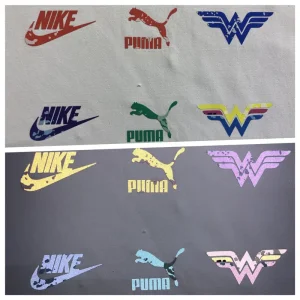
High-performance functional components engineered for apparel, medical, automotive, and consumer electronics applications.
The industrial labeling landscape is undergoing a structural transition toward integration, durability, and multi-functional performance. Injection molded labels—specifically those developed using micro-injection molding, liquid silicone rubber (LSR) processing, and complex multi-component elastomer thermal transfer architectures—are replacing traditional surface-mounted pressure-sensitive decals. Industries ranging from aerospace to high-performance athletic wear demand branding and information interfaces that do not merely adhere to a surface but become structurally unified with the substrate.
SZ Talent sits at the forefront of this industrial evolution. With over ten years of specialized manufacturing experience, our enterprise integrates deep materials science research, precision engineering, and automated line operations to produce next-generation heat transfer and injection molded components. Adhering to our core metrics of quality-first, process transparency, and technological innovation, we engineer solutions that withstand intense physical shear, chemical exposures, and demanding environmental conditions.
Decoupling performance limitations through micro-structuring, elastomer formulation, and dynamic optical properties.
Utilizing high-purity thermoplastic urethanes and polyurethanes that optimize cross-linking density. Our advanced materials guarantee superior resistance against dynamic fatigue, hydrolytic degradation, and direct physical abrasion under severe environmental stressors.
Integrating 3D lenticular lens arrays, dynamic color-shift micro-pigments, and holographic foils directly into the molded matrix. This structural packaging delivers unparalleled aesthetic depth and reliable physical security features.
Formulating phosphorescent crystal lattices within silicone and TPU structures. These particles store ambient photon energy and emit long-lasting illumination, offering functional utility in low-light and tactical situations.
Looking forward to 2030, our technical roadmap targets two distinct development zones. First is the realization of functional electronics integration (IMSE), where flexible conductive ink tracks and micro-sensors are overmolded inside the decorative element. This enables touch-capacitive control surfaces to be molded directly into automotive panels and wearables.
Second is the absolute imperative of material circularity. We are active in the research and testing of bio-derived thermoplastic urethanes and chemical recycling pathways that ensure injection molded labels can be recycled seamlessly along with parent plastic components (e.g., polypropylene packaging, nylon athletic garments) without requiring complex disassembly steps.
How our elastomer molding and thermal transfer technologies solve complex industrial challenges.
For interior control panels, brand emblems, and exterior door sill plates. Our products withstand solar UV exposure, temperature extremes (-40°C to +120°C), and continuous contact with skin oils, detergents, and industrial solvents.
Biocompatible silicone labeling for handheld medical instruments, surgical devices, and wearable health monitors. Able to undergo repeated steam autoclave cycles and exposure to hospital-grade sanitizers.
Delivering high-definition dimensional silicone branding and inner-neck comfort labels. Engineered with elastic elongation properties matching 4-way stretch fabrics, preventing cracking and delamination.
Years Industry Leadership
Automated QC Inspection
Certified Wash Cycles Passed
Dye Migration Tolerance
How SZ Talent leverages automated manufacturing, raw material traceability, and continuous supply lines.
Modern supply chain risk management requires more than simple manufacturing output. SZ Talent operates under a comprehensive Factory 4.0 infrastructure, meaning our production lines, extrusion setups, and automated screen-printing chambers are integrated into a single manufacturing execution system. This digital pipeline allows us to track material batches from initial formulation down to shipping.
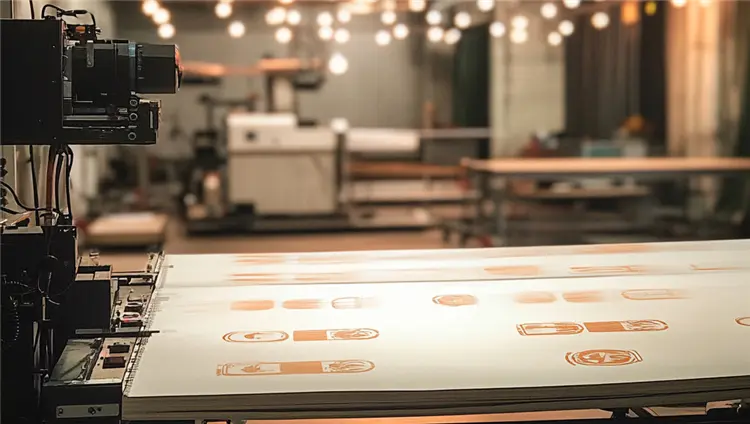
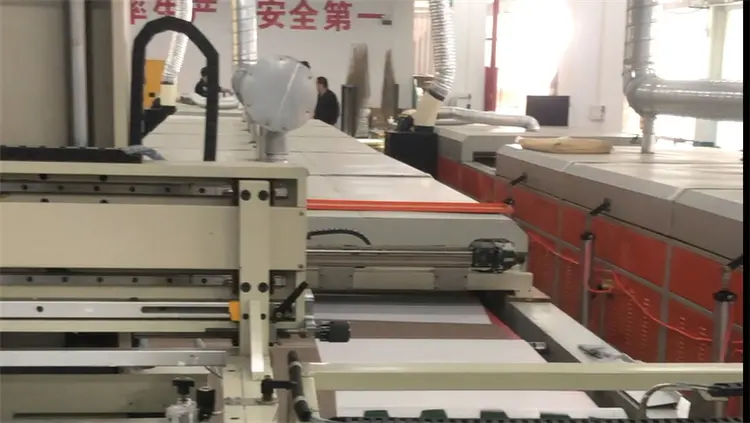
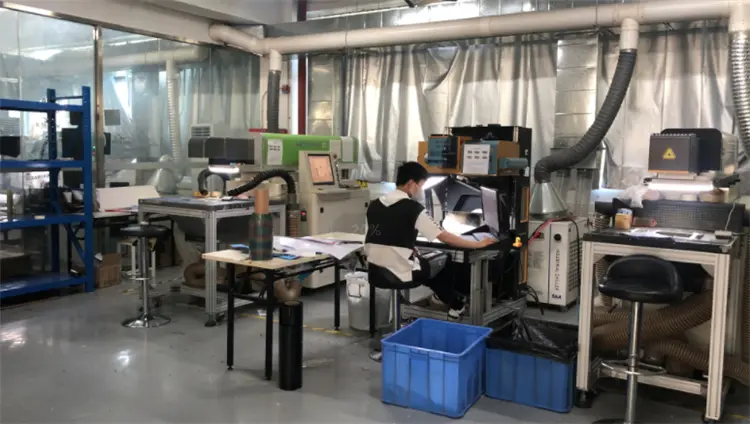
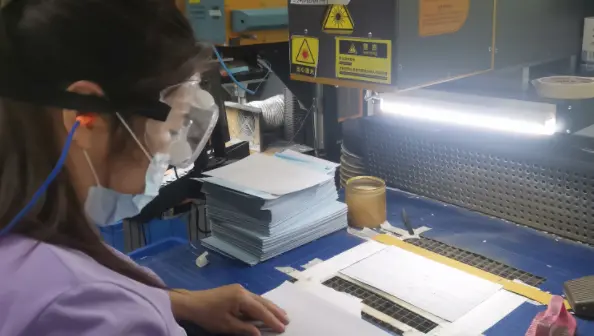
Procuring labeling products for global consumer electronics, medical instruments, or high-volume apparel requires meeting international standards. As a factory partner, SZ Talent designs and tests products to exceed these environmental and safety regulations.
Our silicone formulations and polyurethane layers are lead-free, phthalate-free, and meet REACH and RoHS directives. For next-to-skin clothing applications, our thermal transfer labels are formulated to pass OEKO-TEX® Standard 100 Class I certifications (suitable for infant contact).
Synthetic substrates like polyester and dye-sublimated materials are susceptible to dye migration, where disperse dyes bleed into the applied label. To combat this, we integrate special composite carbon/barrier layers within our heat transfer patches to stop gas-phase sublimation, keeping your branding colors bright and sharp.
Answers to common engineering and procurement questions regarding injection molded and heat transfer labels.
Explore our technical range, featuring dye barrier shields, caviar beads, and color-shift materials.
 TALENT Industrial