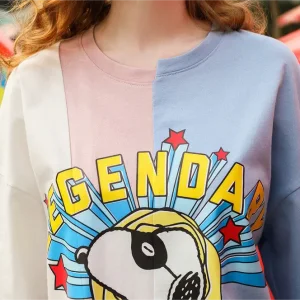
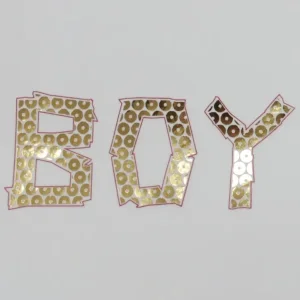
Explore our flagship line of high-definition tactile branding patches and premium multi-functional transfers engineered for durability and visual impact.
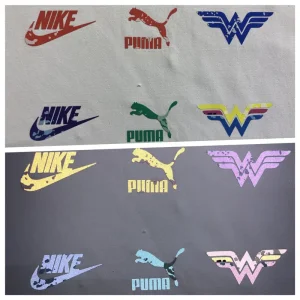
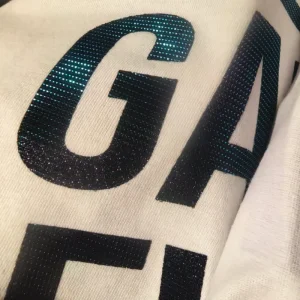
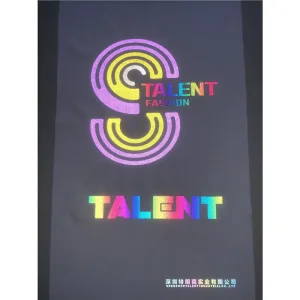
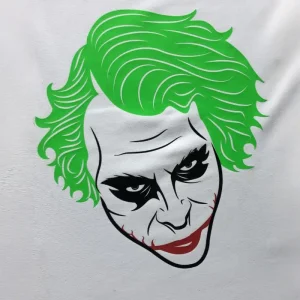
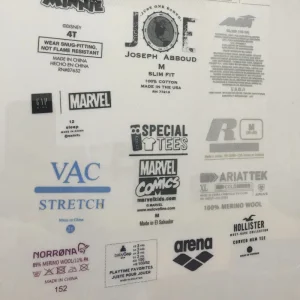
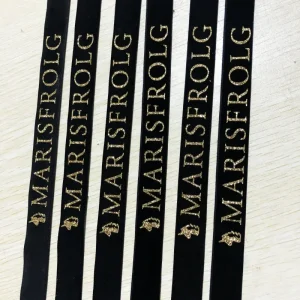
In the highly competitive landscape of global apparel manufacturing, branding has transitioned from static flat screen prints to rich, tactile dimensional elements. Embossed transfers, TPU patches, and micro-injection molding techniques now represent the forefront of brand positioning. These components offer premium aesthetics for athletic outerwear, compression apparel, and luxury streetwear. The global demand is shifting rapidly from PVC-based plastics to high-performance, non-toxic alternatives like Thermoplastic Polyurethane (TPU) and medical-grade silicone.
This industrial shift is driven by stringent global environmental regulations, such as REACH and Oeko-Tex Standard 100 compliance, combined with consumer demand for lightweight, high-stretch, and high-durability branding. In areas with demanding physical conditions, such as alpine skiing or high-impact outdoor training, standard heat labels fall short. Embossed heat transfers, constructed with variable height topography, maintain structural integrity and colorfastness under conditions that cause conventional graphics to split, peel, or fade.
Understanding the chemistry behind modern dimensional transfers is essential for sourcing departments. An embossed or 3D transfer is not merely a single layer of ink; it is a complex, multi-tiered structure engineered to bond securely to diverse textile substrates.
Modern embossed graphics rely on advanced hot-melt adhesive films formulated for specific fabric compositions. For example, high-stretch activewear requires polyether or polyester-based TPU adhesives that provide elongation properties exceeding 150%. Waterproof shell garments require coating-grip heat transfer patches formulated with cross-linking agents that bond directly to hydrophobic DWR (Durable Water Repellent) coatings.
TPU (Thermoplastic Polyurethane): Offers crisp, sharp edges, metallic vacuum plating options, and excellent mechanical abrasion resistance. Ideal for clean, technical branding on running gear, compression wear, and footwear.
Silicone: Offers a soft-touch finish and flexible stretch profile. Silicone transfers can withstand high curing temperatures and provide excellent dye-migration resistance on sublimated polyester fabrics.
Why do leading global brands source their custom heat transfer components from specialized Chinese manufacturers? The answer lies in structural vertical integration, technological infrastructure, and supply chain speed.
At our production facility, SZ Talent, we combine mold-making, raw material synthesis, precision color matching, high-frequency embossing, and final quality control within a single location. This vertical integration reduces the lead time for custom OEM prototyping from weeks to days. Additionally, our automated roll-to-roll screen printing and high-frequency embossing lines ensure consistency across high-volume production runs. This setup eliminates the variations in thickness and adhesion properties common in semi-automated processing facilities.
By sourcing raw chemical components domestically, Chinese factories are insulated from global supply chain disruptions. This stability allows us to provide competitive, direct-from-factory pricing structures without compromising on material testing standards or international certifications.
Dimensional heat transfers are engineered to meet specific performance requirements across different industrial sectors:
High-frequency TPU logos and color-shifting reflective transfers designed for athletic apparel. Tested to withstand repeat wash-and-wear cycles without cracking or peeling.
Waterproof coating-grip patches engineered for high-denier Cordura and DWR-coated canvas. Ideal for heavy duty backpacks, hiking jackets, and safety gear.
Anti-abrasion protective patches and luminous glow-in-the-dark graphics. Delivers high contrast visibility in low-light environments for military and safety personnel.
Ultra-thin, zero-texture skin-friendly neck sizing labels. Eliminates skin irritation for premium comfort in athletic wear and inner garments.
Learn more about SZ Talent, our technology infrastructure, and our commitment to research and development.
SZ Talent is a leading company with more than ten years of experience specializing in all kinds of heat transfer labels. Our comprehensive approach combines innovation, research and development, production, sales, processes, and service. We are proud of our industrial automated production lines, dedicated team of technical experts, and strong management system. Our focus remains on developing innovative, environmentally friendly, functional, and fashionable heat transfer products.
We adhere to the core values of quality-oriented, integrity-based, mutual benefit, promoting innovation, and ensuring long-term development. Our efforts are always focused on meeting the needs of our customers. We attach great importance to research and development and continuously introduce cutting-edge products that meet the changing needs of the market. Our commitment to excellence makes us a trusted partner for businesses looking for high-quality thermal transfer labels.
Our team is comprised of experienced professionals who are passionate about delivering exceptional service. We have a talented workforce dedicated to driving the company's growth and success. Our team members are committed to maintaining the highest quality and service standards, ensuring our customers receive the best solutions.
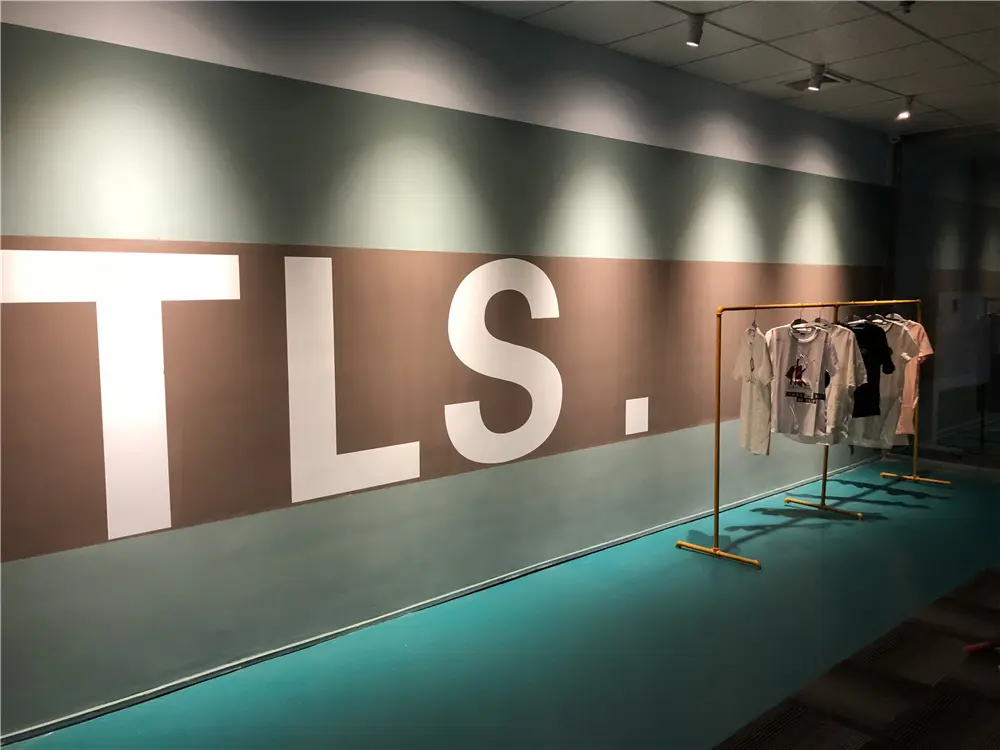
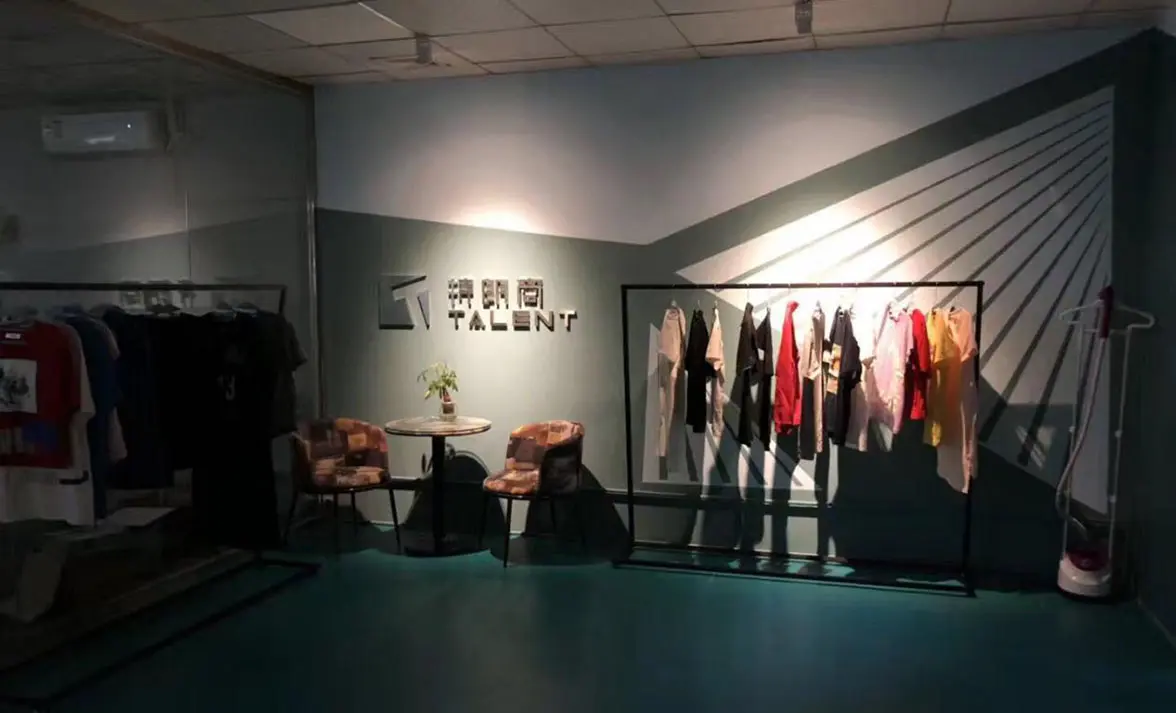
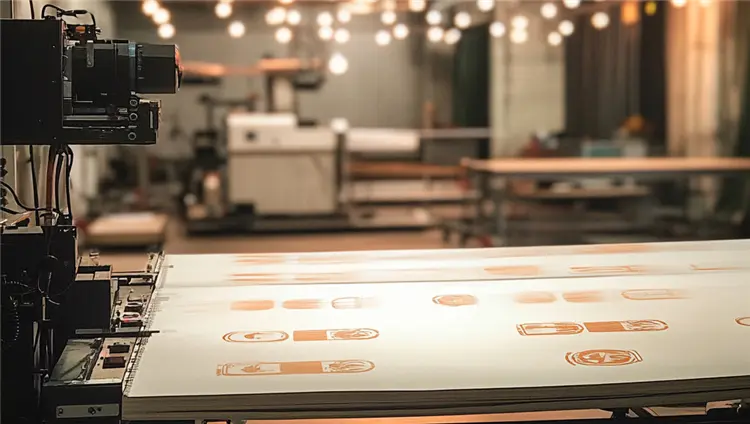
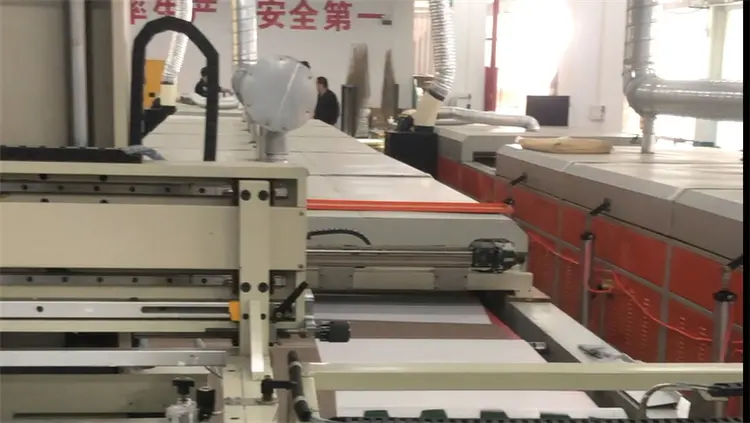
Our state-of-the-art facilities are equipped with the latest technology to ensure efficient production and high-quality output. We have made significant investments in infrastructure to create an enabling environment for innovation, research, and development. Our facilities are designed to meet the highest industry standards and meet the diverse needs of our customers.
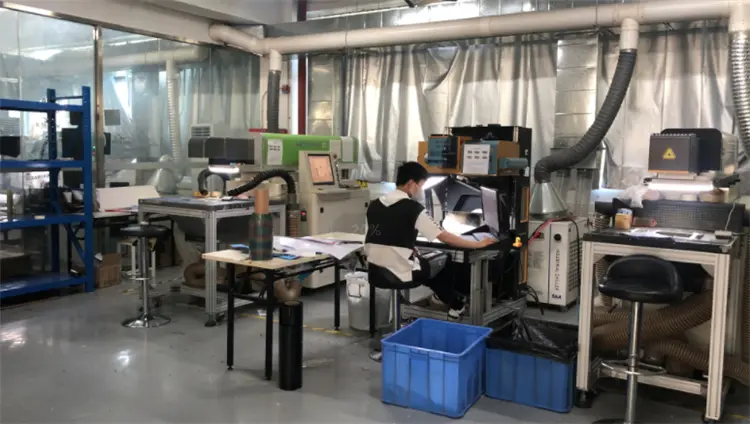
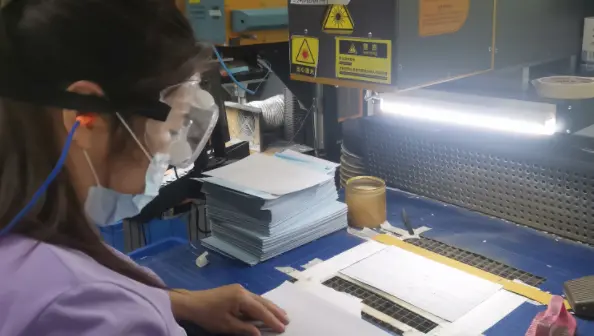
For sourcing agents and brand coordinators, purchasing heat transfers involves critical quality control protocols. An unstable label can lead to customer returns and brand damage.
Our factory implements a comprehensive testing framework to ensure durability and consistency:
The dimensional branding industry is evolving towards functional and smart textiles. For example, UV color-changing and thermochromic heat transfers respond directly to environmental stimuli. This dynamic responsiveness provides utility for outdoor activities and interactive designs.
Simultaneously, the industry is shifting towards circular economy designs. Recycled TPU (R-TPU) and water-based, solvent-free inks are replacing traditional petrochemical bases. This transition helps brands lower their carbon footprint without sacrificing durability or visual quality.
Get quick answers regarding lead times, application settings, material options, and shipping protocols.
Our specialized range of functional, safety-compliant, and high-visibility heat transfers designed for challenging performance environments.
 TALENT Industrial