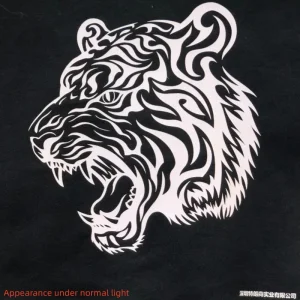
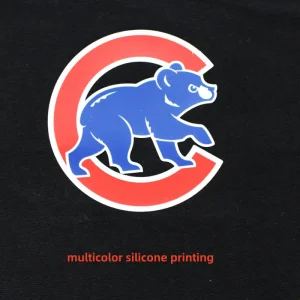
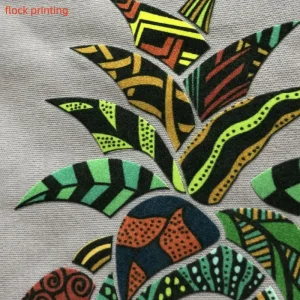
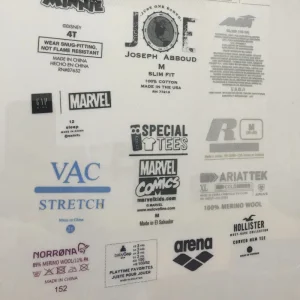
Explore our highly requested commercial and industrial transfer solutions engineered for maximum durability, stretch, and visual complexity.



WHITE PAPER CHAPTER 01
Modern textile surfaces present unique challenges to traditional labeling and embellishment processes. In high-performance, safety-critical, and luxury apparel applications, embellishments must act as a seamless extension of the underlying fabric matrix. The physics of heat transfer technology involves a precise orchestration of thermodynamics, fluid dynamics of hot-melt adhesives under high pressure, and molecular bonding with substrate fibers.
At SZ Talent, we study the micro-mechanics of interfacial adhesion. Standard transfer labels often suffer from peel fatigue or cracking under high mechanical strain, particularly on elastomeric synthetics. Our engineering team addresses this by developing complex layered formulations utilizing thermoplastic polyurethanes (TPU) that possess high elongation characteristics (>400% recovery rates). By implementing cross-linking polyurethane chemistry at the ink-substrate boundary, our heat transfers maintain flexibility and dynamic recovery, avoiding shear failures during heavy wear and industrial washing cycles.
“Achieving permanent bonding on synthetic textiles requires more than melting glue. It demands matched thermal expansion coefficients and robust chemical affinity between the hot-melt polymers and specialized fabric finishes (DWR, silicone coatings).”
Another significant technical challenge we address is dye migration prevention. Polyester fabrics and high-disperse dyed synthetic blends are prone to releasing color molecules at high application temperatures. These vaporized dyes pass through standard adhesive barriers, altering the color profile of the graphic print. Our proprietary multi-barrier systems utilize carbon black and high-molecular-weight copolymer films to capture and block migrating dye molecules, ensuring that bright whites and vibrant tones remain untarnished even after months of post-application shelf storage.
WHITE PAPER CHAPTER 02
The global commercial apparel landscape is undergoing a structural shift. Brands are transitioning from standard sew-in labels, which create friction against the skin, to seamless tagless heat transfers. This trend is driven by consumer demand in sportswear, technical compression underwear, and outdoor protective gear where maximum comfort, aerodynamic efficiency, and zero skin irritation are prioritized.
Simultaneously, the demand for industrial wash durability has spiked. Protective workwear, defense equipment, and healthcare uniforms are routinely subjected to high-temperature cleaning processes (ISO 15797 standards). Traditional vinyl lettering and cheap plasticized ink designs quickly break down under these conditions. As a result, factories are adopting heavy-duty silicone transfers and elastomeric inks that withstand up to 50 home wash cycles and repeated chemical exposures. SZ Talent occupies a pivotal role in this space, exporting custom, highly resilient transfer solutions that ensure global brands maintain compliance, legibility, and aesthetics throughout the garment's operational lifespan.
Our films are formulated with thermoplastic polyurethane elastomers that recover fully after stretching, preventing surface cracking.
Integrated barrier technology that traps color molecules, preserving bright and white tones on rich synthetic fabrics.
All compounds and adhesives are formulated to meet OEKO-TEX Standard 100 Class I criteria for infant garments.
WHITE PAPER CHAPTER 03
Designing resilient heat transfers requires a robust chemical engineering pipeline. At SZ Talent, our research team is focused on expanding the thermal performance window of hot-melt adhesives. Conventional adhesives require temperatures of 150°C to 160°C and dwell times of 12 to 15 seconds to achieve a complete flow state. However, lightweight polyester, nylon, and elastane blends can suffer from heat bruising, shine, or shrinkage at these temperatures.
Our material engineering roadmap is focused on low-temperature activation adhesives that trigger solid-to-liquid transitions at 115°C to 130°C within 8 seconds, while maintaining excellent peel strength. This lowers application energy requirements and protects sensitive performance textiles from heat damage.
Additionally, we are pioneering bio-based polymers, incorporating plant-derived polyurethane compounds and water-based, solvent-free ink systems. By reducing volatile organic compounds (VOCs) across our lines, we help our global brand partners meet strict environmental audits and build supply chain transparency.
CORPORATE IDENTITY
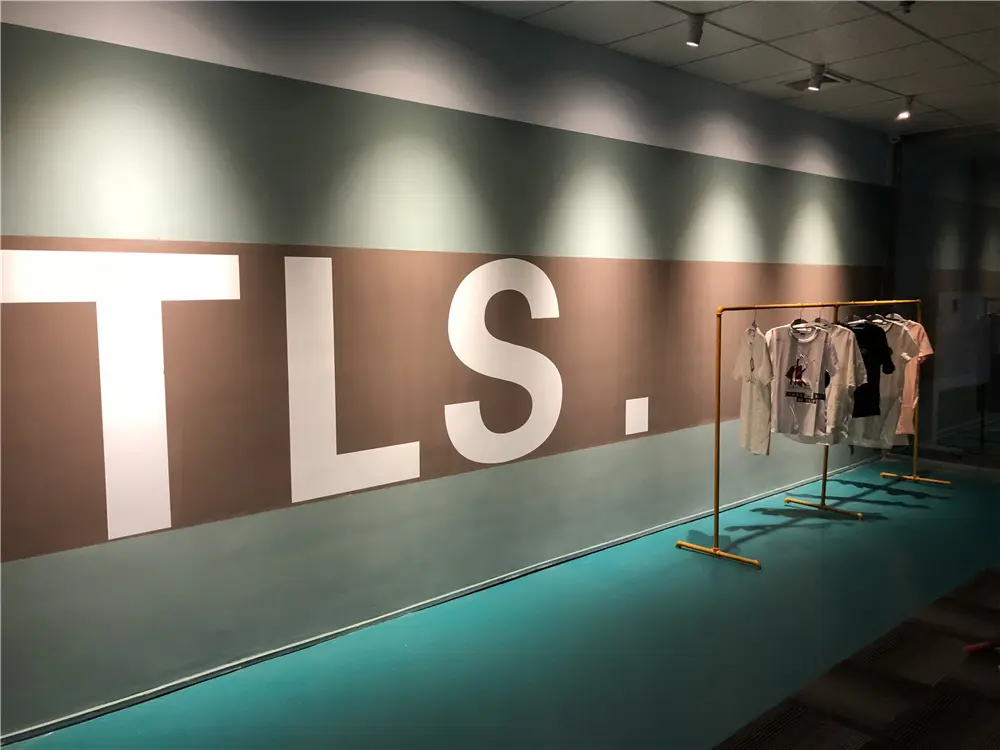
SZ Talent is a leading company with more than ten years of experience specializing in all kinds of heat transfer labels. Our comprehensive approach combines innovation, research and development, production, sales, processes and service. We are proud of our industrial automated production lines, dedicated team of technical experts and strong management system. Our focus remains on developing innovative, environmentally friendly, functional, and fashionable heat transfer products. We adhere to the core values of quality-oriented, integrity-based, mutual benefit, promoting innovation and ensuring long-term development. Our efforts are always focused on meeting the needs of our customers.
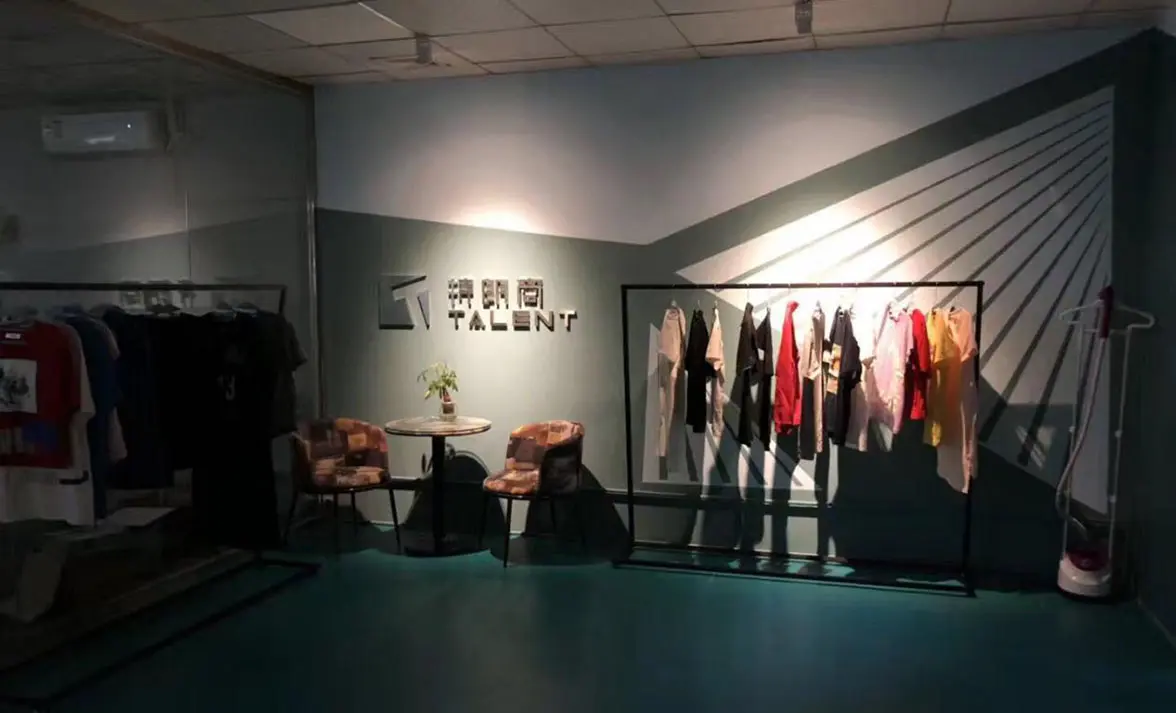

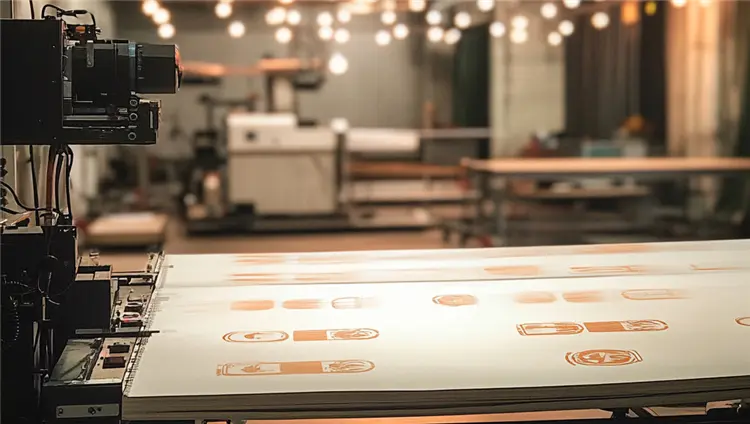
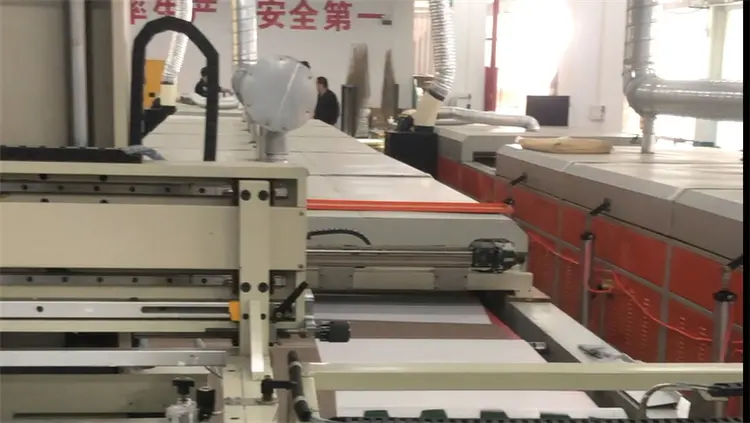
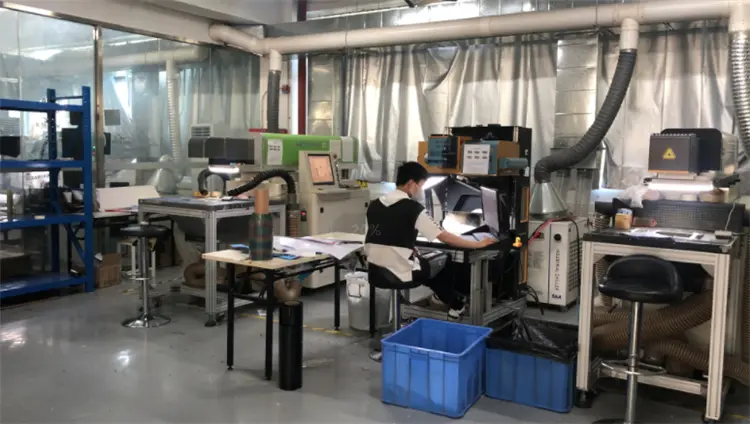
SZ Talent is a well-known name in the industry, known for its commitment to quality, innovation and customer satisfaction. We attach great importance to research and development and continuously introduce cutting-edge products that meet the changing needs of the market. Our commitment to excellence makes us a trusted partner for businesses looking for high-quality thermal transfer labels.
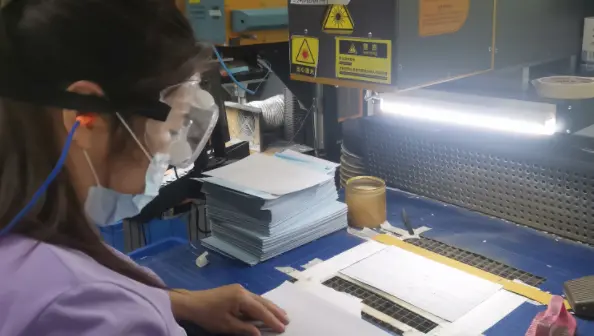
Our team is comprised of experienced professionals who are passionate about delivering exceptional service. We have a talented workforce dedicated to driving the company's growth and success. Our team members are committed to maintaining the highest quality and service standards, ensuring our customers receive the best solutions.
WHITE PAPER CHAPTER 04
Operating from China's industrial manufacturing heartland allows SZ Talent to utilize a robust material supply chain and highly specialized machinery ecosystem. Our production model integrates raw material sourcing, automated printing, laser die-cutting, quality assurance, and global logistics under a single management system. This structure enables us to maintain shorter lead times and adapt quickly to shifting project scopes.
Our automated silk-screen production lines run in climate-controlled environments, maintaining tight control over ink viscosity and film thickness. To ensure consistent quality across large orders, we use real-time inline computer vision monitoring. Any variance in print geometry, registration alignment, or color density is instantly flagged. This systematic approach reduces raw material waste, decreases processing times, and keeps our pricing competitive for high-volume exports.
Furthermore, our direct access to specialized chemical compounders allows us to source new adhesive formulations and release coatings quickly. Whether a client requires flame-retardant labels, elastic athletic prints, or unique textures, our raw material supply chain supports rapid prototyping and timely product delivery.
WHITE PAPER CHAPTER 05
Apparel products encounter vastly different environments based on regional markets and end-use applications. Heat transfers must be engineered to withstand these localized environmental stresses.
For sportswear and outdoor apparel distributed in Southeast Asia and equatorial regions, our adhesives are engineered to resist hydrolytic degradation, preventing adhesive failure under prolonged heat and humidity.
Transfers used in alpine gear and cold-weather workwear must maintain flexibility in freezing temperatures. We utilize specialized polyurethane formulations with glass transition temperatures (Tg) below -30°C to prevent cold cracking.
Workwear and linen rental fleets in North America and Western Europe undergo heavy cleaning cycles. Our chemical bonds are designed to withstand high alkaline chemicals, hot water, and high-heat tunnel drying.
We adjust the chemistry of our hot-melt films based on these specific application profiles. By matching the adhesive chemistry to both the garment fabric and its expected exposure conditions, we help prevent premature label failures and protect brand identity.
WHITE PAPER CHAPTER 06
Exporting technical heat transfers globally requires adherence to international regulatory systems. SZ Talent maintains compliance across major global safety frameworks. We source certified raw materials to ensure our finished transfers are skin-safe, hypoallergenic, and free from harmful restricted substances.
Our internal testing lab subjects every production batch to rigorous evaluation:
INFORMATION ARCHIVE
Discover our specialized product ranges, from light-reactive inks to 3D textured silicone patches designed for modern apparel decoration.



 TALENT Industrial