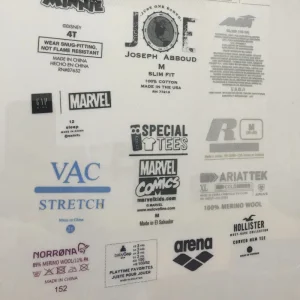
Explore our high-performance ecological heat transfer technologies engineered for apparel branding longevity.

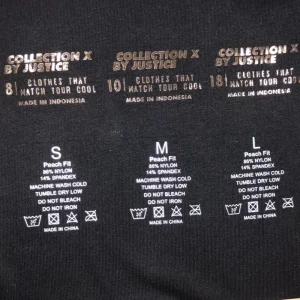
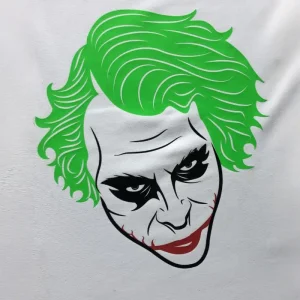
In the modern textile, sportswear, and industrial workwear sectors, branding elements are undergoing a massive technological evolution. Traditional woven and synthetic PVC labels are rapidly being phased out due to strict carbon footprint constraints, strict global chemical compliance frameworks, and an accelerating consumer demand for sensory comfort. The global market is pivoting dynamically toward sustainable polyurethane (PU) and silicone-based heat transfer labels (HTLs).
As global regulatory environments like the EU Green Deal and US EPA standards restrict toxic plasticizers, lead, and volatile organic solvents, chemical safety has become as critical as label durability. Brand owners require certified options that guarantee safety against skin irritation (Zero Formaldehyde, Zero PVC, and restricted phthalates) while maintaining flawless performance across challenging elastic, hydrophobic, and sublimation-sensitive synthetics.
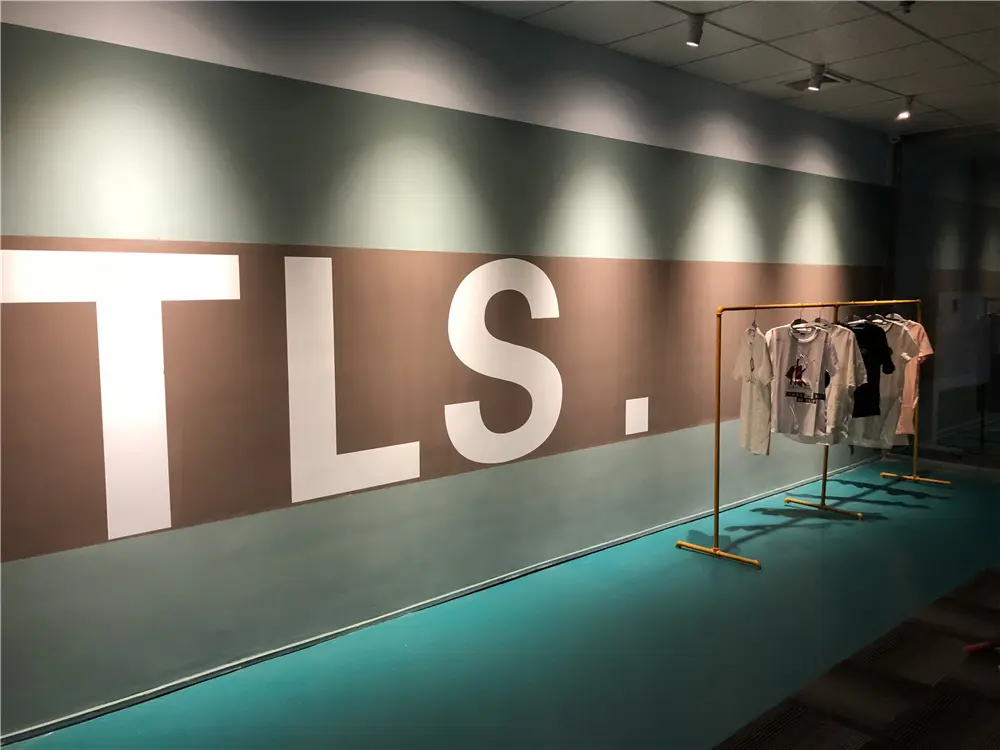
Developing a sustainable heat transfer label requires balancing chemical adhesion, polymer elasticity, and optical stability. At SZ Talent, we replace conventional oil-based plastisol inks with advanced water-based polyurethane polymers and medical-grade silicones. The result is a molecularly secure, skin-friendly, and highly resilient structural bonding system.
Traditional heat transfers rely heavily on solvents that release harmful VOCs during curing and hot-pressing. Our engineering team has perfected a synthesis of water-borne polyurethane dispersions (PUDs) containing cross-linking mechanisms that activate under heat. These inks demonstrate high elongation capabilities (exceeding 200%), allowing the printed labels to stretch with activewear fabrics without fracturing or losing adhesion.
The adhesive backing of our transfers uses bio-derived copolyester and thermoplastic polyurethane (TPU) powders. These powders are dry-dusted or screen-printed to achieve clean edge registration. By tuning the melt-flow index (MFI) and crystallization temperature of these polymers, we guarantee an ultra-low application temperature of 120°C - 140°C. This protects delicate fabrics (such as lightweight nylon and technical spandex) from thermal deformation and dye migration.
Sustainability extends to the carrier sheet itself. We use post-consumer recycled PET films (GRS-certified) treated with a solvent-free silicone release layer. The release force is optimized for both hot-peel and cold-peel applications, ensuring smooth integration with high-speed automated apparel assembly lines.
| Label Technology | Base Polymer / Chemistry | Eco-Compliance Status | Wash Durability (ISO 6330) | Primary Substrate Targets |
|---|---|---|---|---|
| Seamless Inner Neck Labels | Water-based PU + Copolyester Adhesive | OEKO-TEX Class I, PVC-Free | > 50 Cycles @ 60°C | Combed Cotton, Jersey, Poly-Blends |
| 3D Molded Silicone Patches | 100% Organosilicon Rubber | REACH & FDA Grade Compliant | > 80 Cycles @ 40°C | Heavyweight Outerwear, Tactical Gear |
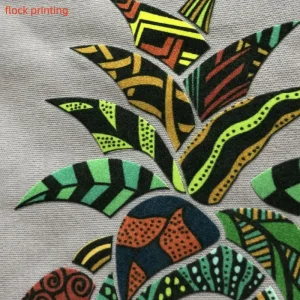
| Flocked Heat Transfers | Viscose/Nylon Fibers + Polyurethane Base | Formaldehyde-Free, GRS Flocking | > 40 Cycles @ 40°C | Leisurewear, Premium Soft Hoodies |
| Holographic & Foil Transfers | Vapor-Deposited Aluminum + PUD Carrier | RoHS / Phthalate Free | > 30 Cycles @ 30°C | Athleisure, Fashion Branding Elements |
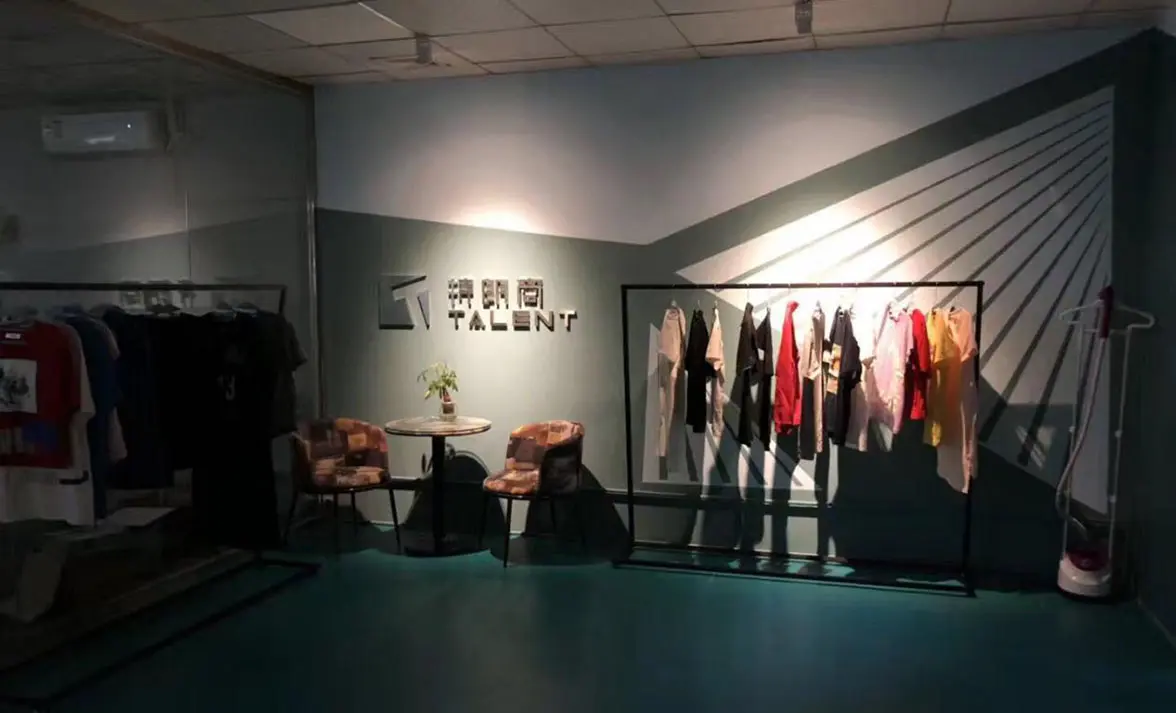
SZ Talent is a leading company with more than ten years of experience specializing in all kinds of heat transfer labels. Our comprehensive approach combines innovation, research and development, production, sales, processes, and service. We are proud of our industrial automated production lines, dedicated team of technical experts, and strong management system. Our focus remains on developing innovative, environmentally friendly, functional, and fashionable heat transfer products.
We adhere to the core values of quality-oriented, integrity-based, mutual benefit, promoting innovation, and ensuring long-term development. Our efforts are always focused on meeting the needs of our customers. With advanced technologies, we support international clients with robust localized supply systems and consistent material certifications.
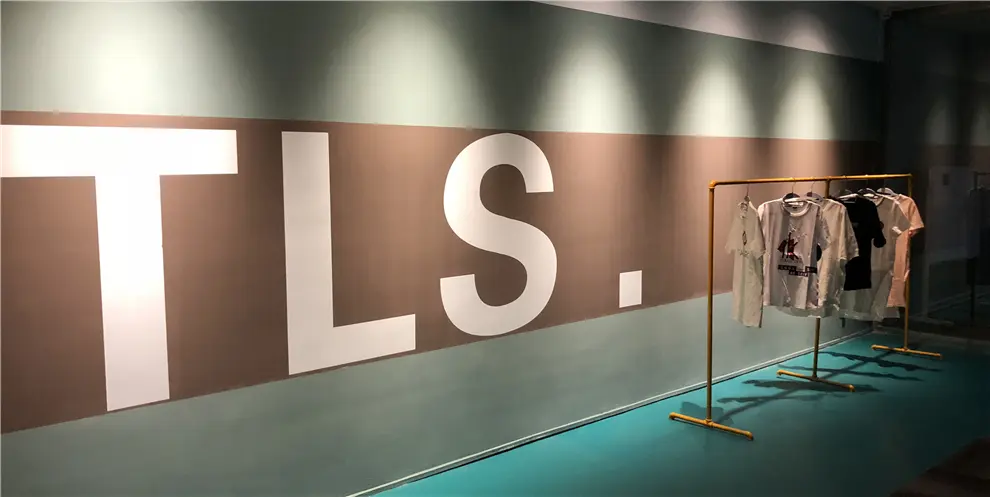
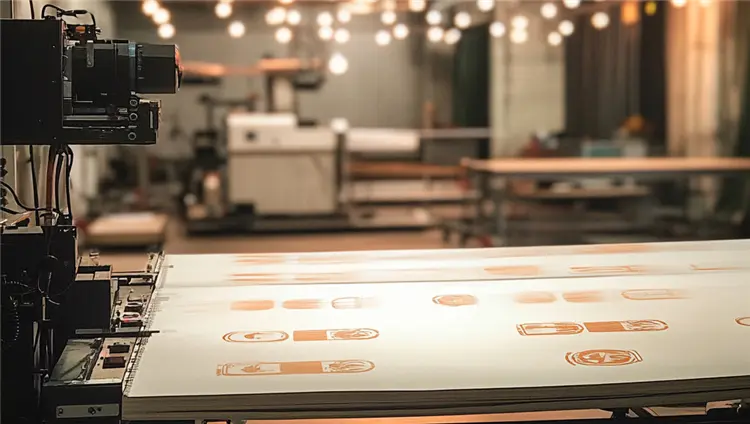
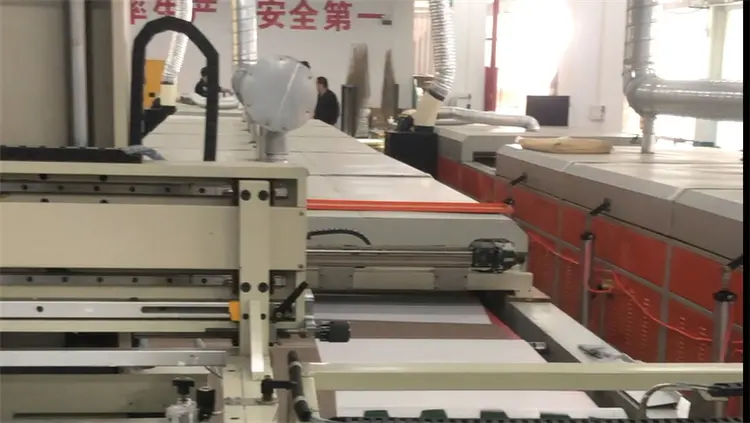
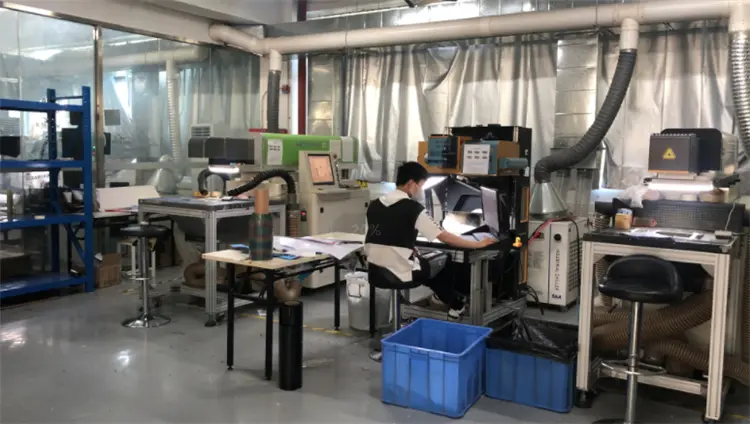
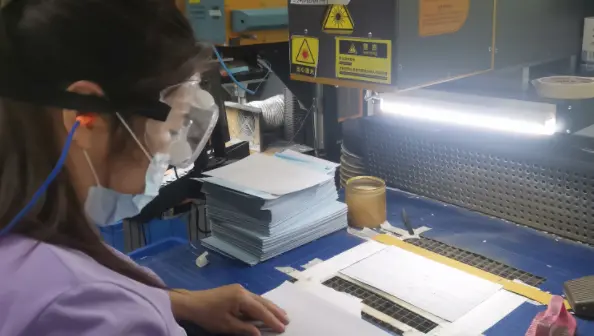
Thermal labeling solutions must adapt to the unique functional environments of different regions and industries. Below, we detail how SZ Talent's products perform under real-world conditions:
Modern sportswear relies on elastane, polyester, and compression fabrics. Traditional labels can cause chafing or fail to stretch with the garment. Our seamless, ultra-stretch neck size labels flex with high-recovery fabrics. They maintain adhesion even when exposed to sweat, friction, and frequent laundering.
With strict ESG guidelines in Europe, retail and corporate uniform programs must use circular textile designs. Our water-based eco-transfers are fully compatible with organic cotton, linen, and recycled polyester. They allow the base fabrics to remain recyclable without introducing toxic elements into the recycling loop.
Heavy-duty jackets, backpacks, and tactical equipment require high-durability branding. Our 3D Molded Silicone Patches and Glow-in-the-Dark transfers offer physical impact protection, high visual contrast, and resistance to environmental exposure, including salt water, UV rays, and extreme temperatures.
Global sourcing managers balance raw material quality, lead times, and unit costs. Operating out of China's premier advanced industrial manufacturing zones, SZ Talent leverages a localized supply chain to deliver high-quality products efficiently.
Our raw material suppliers—specializing in raw TPU elastomers, water-soluble pigments, and premium PET films—are located within a 100-kilometer radius. This proximity secures our access to materials and buffers against global supply bottlenecks. Additionally, our automated printing systems minimize energy consumption and reduce waste, lowering production costs. We pass these savings directly to our customers.
For international brands, we provide just-in-time (JIT) manufacturing support. We coordinate with major global freight hubs in Shenzhen, Guangzhou, and Hong Kong to ensure rapid air and ocean shipping, reducing delivery cycles from weeks to days.
As clothing labels transition from static branding markers to interactive and functional components, SZ Talent is engineering the next generation of heat transfer products:
Polyester fabrics printed with disperse dyes often bleed into heat transfer labels during application or storage (dye migration). To combat this, we have developed an advanced, carbon-infused anti-sublimation barrier. Applied as a thin layer within the print stack, it acts as a molecular sieve, trapping migrating gas-phase disperse dyes and preserving the color and contrast of the label.
Combining the speed of digital ink-jet systems with the high ink deposition of traditional screen printing allows us to produce high-resolution, complex patterns with short setup times. This hybrid process supports small-batch personalization and rapid prototyping without requiring screen tooling.
We are working to integrate organic, plant-based hot-melt adhesives derived from agricultural byproducts. This reduces fossil-fuel reliance and helps create labels that are fully biodegradable under industrial composting conditions. This aligns with circular design goals, ensuring that labels decompose along with natural cotton fibers at the end of the garment's lifecycle.
Deep technical insights into application parameters, chemical safety, and fabric compatibility.
Our standard water-based PU transfers require an application temperature of 130°C to 140°C (266°F to 284°F) with a pneumatic line pressure of 3 to 4 bar (medium to heavy pressure) and a dwell time of 10 to 12 seconds. For temperature-sensitive synthetic fabrics like nylon, we offer low-temperature adhesives that activate at 115°C to 120°C to prevent fabric burning and shine.
Traditional PVC and plastisol transfers contain chlorine bases and liquid plasticizers (phthalates) that can degrade and leach over time. Water-based PU labels eliminate these chlorinated compounds and phthalates. Performance-wise, water-based PU is thinner, softer to the touch, and moves better with elastic fabrics, preventing the heavy, rigid feel of traditional plastisol prints.
We use a built-in anti-sublimation block barrier layer. This layer contains active carbon components that absorb the gaseous dye compounds released by polyester fibers at application temperatures. This prevents white or light-colored transfers from turning grey or yellow, keeping the design clean and clear.
Every production batch undergoes testing. First, we perform sample transfer applications on the target fabric, followed by ISO 6330 washing machine tests (5 to 50 cycles at specified temperatures). Next, we run stretch and elongation recovery tests to ensure the print doesn't crack. Finally, dry and wet rub-fastness tests confirm that colors remain stable under friction.
Our standard carriers are made from GRS-certified recycled PET films, which can be collected and recycled within standard industrial polyester recycling loops. We are also testing paper-based release carriers that use cellulose coatings, allowing for direct biological disposal or paper recycling.
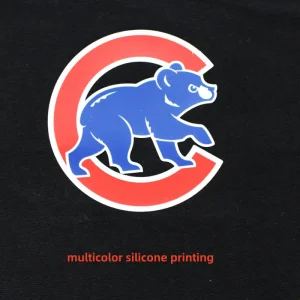
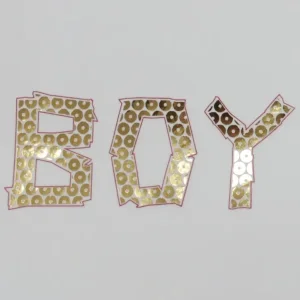
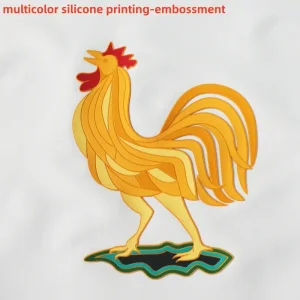
Select from our specialized 3D molded, luminous, and metallic hybrid transfer solutions for unique branding needs.
 TALENT Industrial