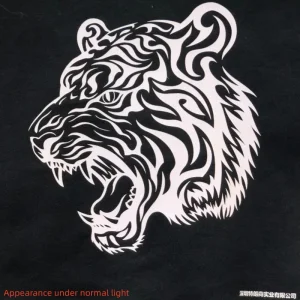
Explore our premium specialized heat transfer solutions engineered for stretch-recovery, low-temperature bonding, and industrial-grade wash durability.
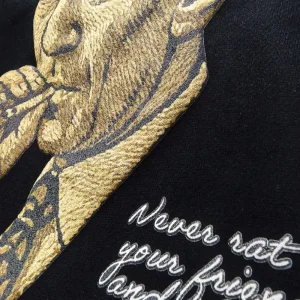
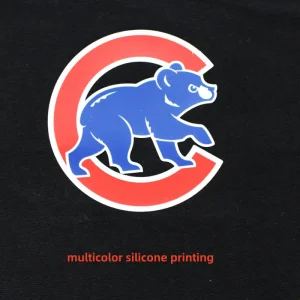
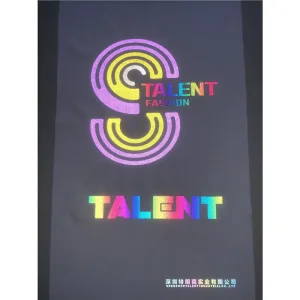
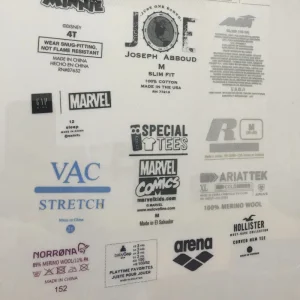
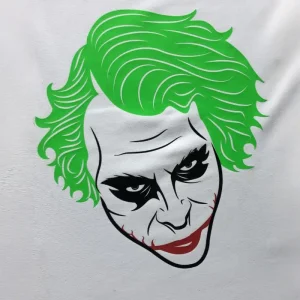
In the ultra-competitive global athletic, luxury, and compression wear markets, the structural components of brand decoration have evolved from secondary embellishments to critical factors of performance engineering. Global sourcing directors at tier-one apparel groups are systematically phasing out traditional polyvinyl chloride (PVC), plastisol, and thermoplastic polyurethane (TPU) labels. The industrial consensus has gravitated towards liquid silicone rubber (LSR) heat transfers, driven by the materials' unyielding elastic memory, superior structural thickness (3D tactile dimension), and non-toxic, eco-friendly footprint.
The macroeconomic demand for high-durability transfers is highly correlated with the rise of poly-blends, hydrophobic technical coatings (such as DWR - Durable Water Repellent), and high-compression elastane textiles. Standard ink systems fracture under mechanical stress or bleed through sublimation during heating cycles. Modern custom silicone transfers resolve these friction points by providing a thermo-bonded elastomeric layer that expands and retracts in absolute harmony with the host textile, avoiding cracking, delamination, or edge peeling.
According to textile sourcing indexes, over 74% of premium activewear brands have committed to replacing plastisol and low-grade polyurethane with eco-certified silicone formulations to align with ZDHC (Zero Discharge of Hazardous Chemicals) initiatives.
Capable of standard elongation up to 400% with instantaneous recovery. Ensures brand graphics stay pristine on compression bands and flexible fabrics without stress cracking.
Built-in barrier agents block migratory dyes from high-energy polyester fibers, ensuring white, neon, and pastel silicone logos never experience discoloration or yellowing.
Maintains absolute polymer integrity and dimensional stability throughout 50+ rigorous commercial washing cycles, dry cleaning, and heavy abrasion tests.
The manufacturing process of custom silicone heat transfers requires meticulous control of cure kinetics, screen-mesh counts, and polymer formulation. Our standard and heavy-build 3D silicone badges are engineered to meet strict chemical compliance and physical requirements. The table below represents the performance standards of our production lines:
| Parameter / Property | Standard Specification Value | Testing Methodology / Reference |
|---|---|---|
| Polymer Matrix Base | 100% Medical/Apparel Grade Liquid Silicone Rubber (LSR) | FTIR Spectroscopy Analysis |
| Elongation at Break | 350% – 450% (Instant elastic recovery) | ASTM D412 (Standard Test Method for Rubber) |
| Available Thickness (Z-Height) | 0.3mm to 1.8mm (Precision multi-layer build) | Laser micrometer verification |
| Application Temp (Heat Press) | 140°C – 160°C (284°F – 320°F) | High-precision thermal thermocouple |
| Dwell Time / Dwell Pressure | 12 – 15 seconds | 3.5 – 4.5 Bar (kg/cm²) | Pneumatic dual-stage calibration |
| Peel Characteristics | Cold Peel (Optimized for maximum edge sharpness) | Apparel assembly standard |
| Wash Durability Rating | Grade 4.5+ after 50 cycles @ 60°C (140°F) | ISO 6330 / AATCC Method 135 |
| Eco-Compliance Standards | OEKO-TEX Standard 100 Class 1 (Safe for infants) | REACH / CPSIA / Prop 65 Compliant |
During the curing phase, addition-cure (platinum-catalyzed) silicone systems form covalent siloxane bonds. Unlike solvent-based inks, which lose volume through evaporation, 100% solids silicone formulations experience zero shrinkage. This chemical attribute allows for sharp vertical edge resolution (high-density Z-height borders), providing a distinct 3D visual projection that enhances brand prominence on jerseys, outerwear, and accessories.
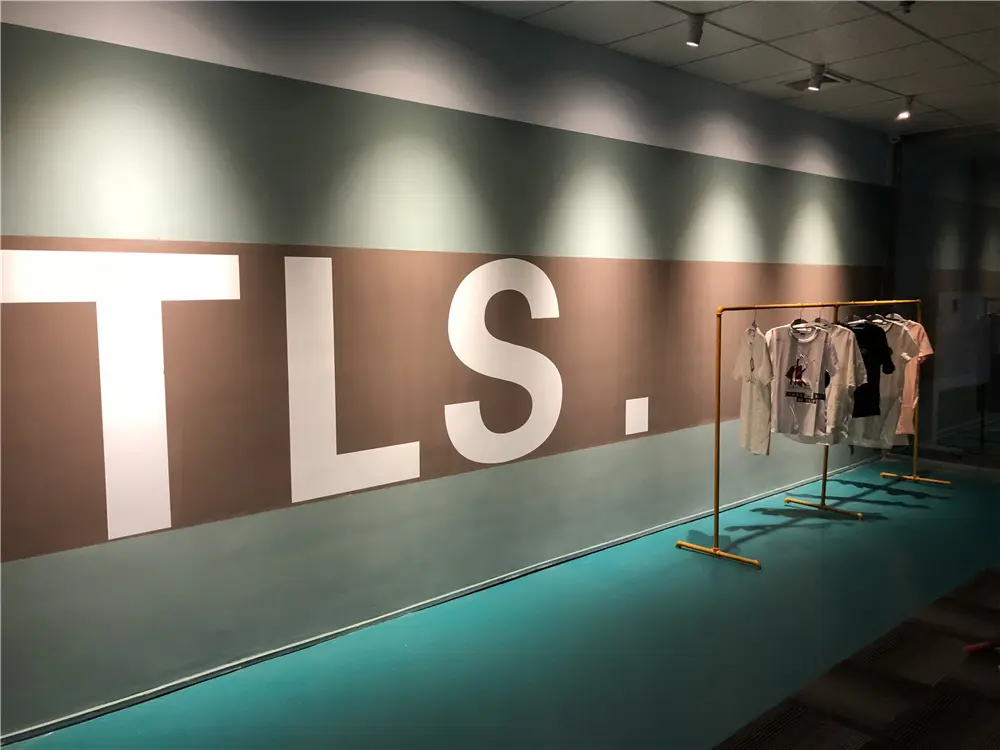
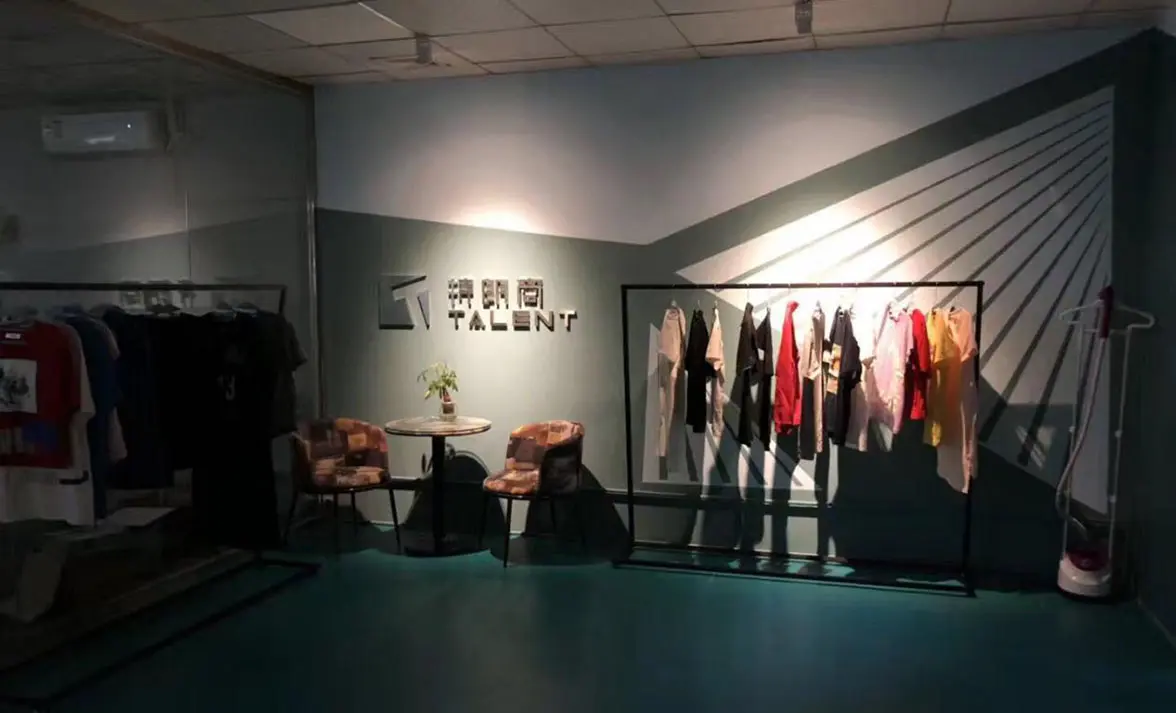
SZ Talent stands at the forefront of thermo-bonding and labeling technology, leveraging over a decade of production excellence to supply leading global apparel brands. Our operation integrates advanced material science, research and development, high-speed automated production, and customer support.
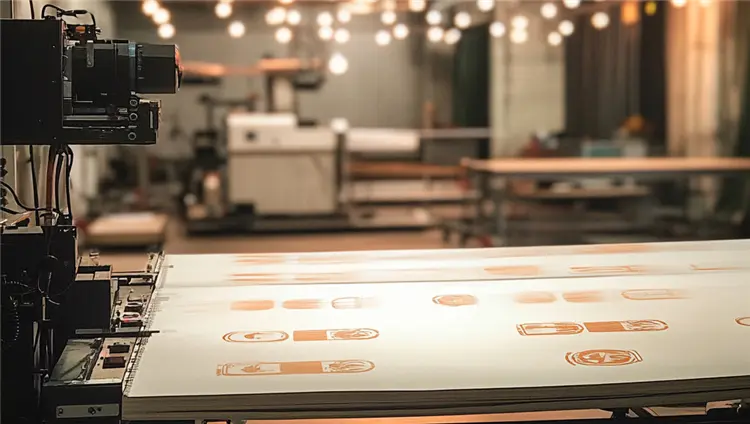
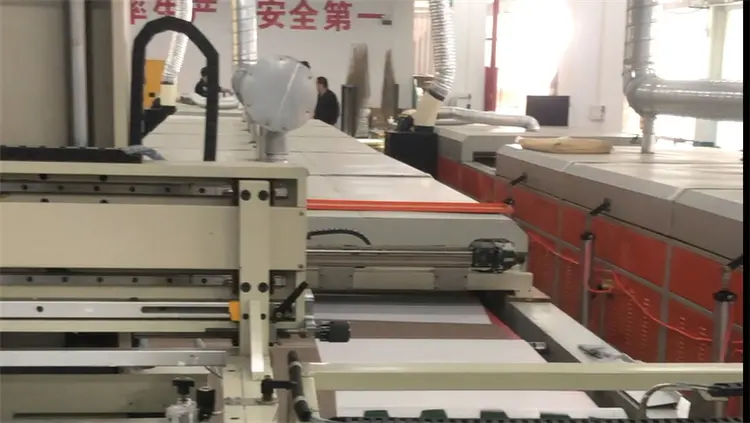
Based in China, our industrial facility features modern automated production lines, enabling precise control of screen-printing viscosity, layer thickness, and curing temperatures. By replacing manual processes with automated mechanical control, we guarantee color matching and part-to-part consistency across high-volume production runs.
Our core operating values guide every partnership: quality-oriented manufacturing, integrity-based transactions, mutual growth, and continuous product research to meet the changing performance demands of our clients.
Years R&D Expertise
Wash Cycles Certified
OEKO-TEX Certified Eco-Materials
Production Line Autopilots
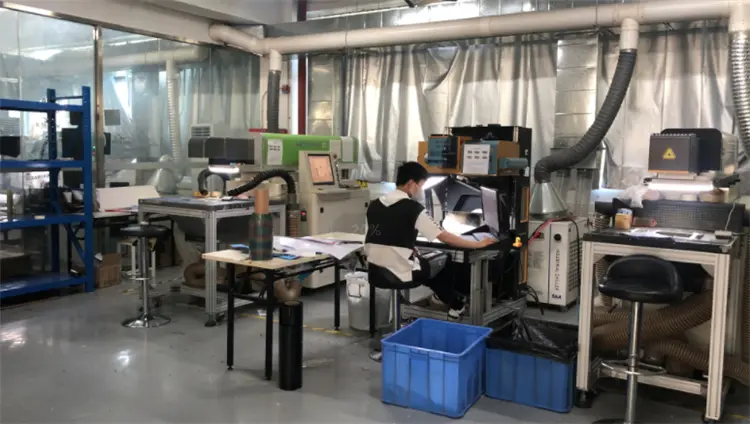
Our production facilities utilize modern technology to ensure high efficiency and product quality. Continuous investments in infrastructure support innovation, research and development, and custom testing protocols.
Composed of chemical engineers, printing specialists, and customer support representatives, our team is dedicated to maintaining high quality and service standards to deliver reliable solutions for our clients.
Through ongoing optimization and investment in technology, we have expanded our capacity to meet the growing needs of our global partners, ensuring timely delivery even for complex, high-volume orders.
A frequent issue in the apparel manufacturing industry is the adhesion failure of standard labels on technical textiles. Synthetic fibers are often treated with hydrophobic finishes, stain-release additives, or DWR coatings. Our engineering team has developed specific adhesion protocols for these challenging substrates:
High-elongation fabrics require high-elasticity polymers. Our silicone transfers for compression wear use a modified poly-elastomer adhesive layer that flexes along with the fabric fibers, preventing cracks and keeping the edges flat.
Hydrophobic technical shells resist bonding agents. We formulate cross-linking primers that break through surface tension, anchoring the transfer directly to the synthetic base threads without damaging the membrane.
Disperse dyes in polyester can migrate into logo transfers during heat application. We apply an active carbon-based blocking barrier under the silicone, keeping colors clean and preventing dye migration.
As environmental standards tighten worldwide, safety compliance has become critical. SZ Talent designs all thermal transfers in line with international environmental mandates. Liquid silicone is chemically inert, containing no plasticizers, heavy metals, or volatile organic compounds (VOCs). This makes it suitable for direct skin contact, which is essential for inner neck size labels and infant wear.
We continue to research and expand our thermal transfer technologies to bring new functionality and aesthetics to technical apparel:
Comprehensive technical and purchasing insights to guide your sourcing decisions.
Silicone heat transfers offer superior elasticity, thermal resistance, and eco-safety compared to TPU and PVC. While TPU can lose its shape and PVC contains regulated phthalates, liquid silicone rubber maintains its shape at high stretch levels (up to 400% elongation) and is completely safe for direct skin contact, meeting OEKO-TEX Standard 100 Class 1 requirements.
We use specialized carbon-black anti-migration blocking layers within the adhesive stack of our transfer design. This barrier blocks dye molecules from escaping technical polyester fabrics during high-temperature heat pressing, ensuring white and neon logos remain clean and bright over time.
Application parameters depend on the fabric base, but standard guidelines are: a hot-press temperature of 140°C to 160°C (284°F to 320°F), a dwell time of 12 to 15 seconds, and a pneumatic line pressure of 3.5 to 4.5 Bar. Allow the transfer to cool completely before peeling the PET release sheet.
Yes. Standard adhesives can struggle to bond with DWR-treated surfaces. To address this, we formulate technical hot-melt adhesives containing cross-linking promoters that establish a secure mechanical bond with hydrophobic fabrics, preventing lifting and peeling.
To construct the precise micro-molds and high-density printing screens, we require vector artwork files in Adobe Illustrator (.AI), vector PDF, or CorelDraw (.CDR) formats. All text within the files must be converted to outlines, and colors should specify Pantone Solid Coated references.
Physical sample proofing typically takes 5 to 7 working days. Once the sample is approved, bulk production is completed within 10 to 14 days, depending on the order volume. We offer express international shipping via DHL, FedEx, or air cargo, with delivery to major global destinations within 3 to 6 days.
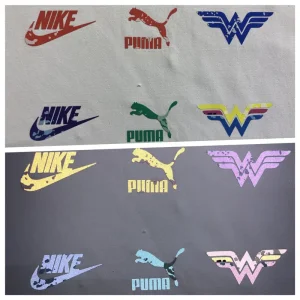
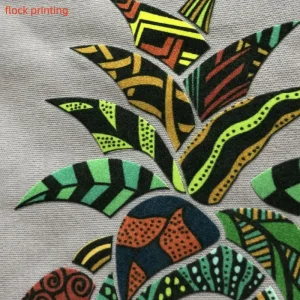
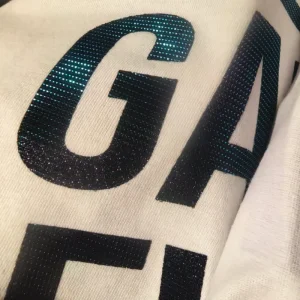
Advanced reflective, flocked, luminous, and structured heat transfer materials for technical apparel and design applications.
 TALENT Industrial