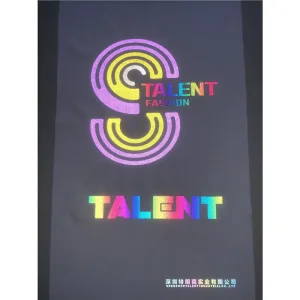
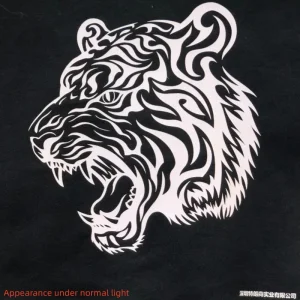


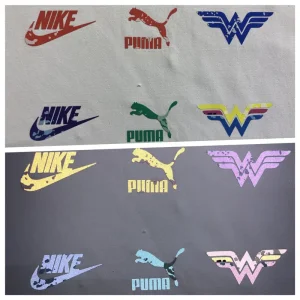
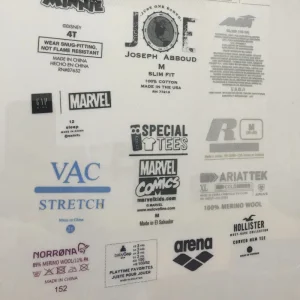
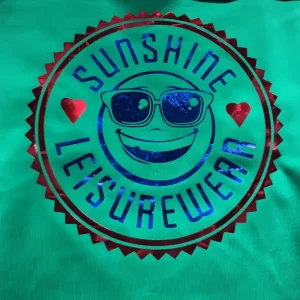
Reflective fabric labels are not merely branding elements; they are critical optical safety devices. The engineering behind high-visibility components centers around retroreflectivity—the ability of a surface to return light directly back to its source (such as vehicle headlights) with minimal scattering.
By embedding micro-glass beads (ranging from 30 to 100 microns in diameter) with a high refractive index ($n \ge 1.9$) onto a metallic vapor-coated polyester backing, we achieve reflectivity values ($R_A$) exceeding $400 \text{ cd/lx/m}^2$. Alternatively, microprismatic polymers utilize internal total reflection to achieve retroreflectivity at longer distances, suitable for heavy-duty industrial workwear.
At SZ Talent, our research focuses on bonding these optical layers to dynamic elastomeric heat-transfer resins. This ensures that when applied to high-stretch activewear (synthetic spandex, polyester, nylon blends), the micro-glass beads do not fracture or shear off, maintaining critical EN ISO 20471 safety compliance even after extreme wear.

Strict labor regulations (ANSI/ISEA 107, EN ISO 20471) mandate certified high-visibility labels. Crucial for construction, aviation, municipal service, and first-responder garments.
The expansion of outdoor running, night cycling, and urban exploration has transformed reflective markings into standard security and aesthetic features for mainstream sportswear brands.
Using advanced materials like color-shifting, holographic, and UV-reactive backings, streetwear manufacturers merge safety elements into high-end structural fashion designs.
Our team is comprised of experienced professionals who are passionate about delivering exceptional service. We have a talented workforce dedicated to driving the company's growth and success. Our team members are committed to maintaining the highest quality and service standards, ensuring our customers receive the best solutions.

Standard reflective films become brittle and crack in extreme cold. Our sub-zero formulated polyurethane (TPU) transfers are engineered to resist cracking down to -40°C, typical for heavy cold-storage operations and Nordic offshore wind workers.
High relative humidity accelerates TPU hydrolysis. We deploy specialized copolyester (PES) cross-linked structural adhesives with integrated biocide additives to prevent mold cultivation and adhesive degradation in equatorial climates.
Offshore operations expose garments to continuous sea spray. The protective acrylic overlay on our microprismatic maritime grade seals the silver vapor reflective layers, ensuring zero oxidation from continuous saltwater exposure.
*Note: The following matrix acts as a baseline commercial reference for custom reflective heat transfers and sewn fabric labels. Real project costs depend on specific design dimensions, film complexity, backing type, and shipping destination. Contact our sales engineers for accurate bulk quotes.
| Reflective Grade / Type | Reflectivity ($R_A$) | Base Chemistry | Wash Durability | Est. MOQ | Price Bracket (USD/Unit) |
|---|---|---|---|---|---|
| Standard Silver Reflective (Glass Bead) | > 380 cd/lx/m² | Standard TPU / PES | 25 Standard Cycles | 1,000 Pcs | $0.08 - $0.22 |
| High-Elasticity Silver Reflective | > 420 cd/lx/m² | High-stretch TPU | 50+ Cycles (60°C) | 1,000 Pcs | $0.12 - $0.35 |
| Rainbow / Color-Shift Reflective | > 250 cd/lx/m² | Acrylic/TPU Composite | 30 Cycles (40°C) | 3,000 Pcs | $0.25 - $0.65 |
| Flame-Retardant Reflective (NFPA 2112) | > 500 cd/lx/m² | FR-treated Cotton/Metaramid | 50 Industrial Cycles | 500 Meters | $1.50 - $3.80 / Meter |
| Holographic 3D Silicone + Reflective Base | > 300 cd/lx/m² | Molded Liquid Silicone | 50+ Cycles (60°C) | 500 Pcs | $0.45 - $1.20 |
Our unit cost is structured as: $\text{Unit Price} = (\text{Base Substrate Material Cost} \times \text{Surface Area}) + \text{Complexity Surcharges} + \text{Volume Tier Discount}$. High-volume contracts (> 50,000 units) benefit from automated nesting, which reduces scrap material rate to less than 3%, reducing unit prices by up to 25%.
Transitioning from traditional petroleum-based TPU film substrates to 100% plant-based organic polyurethane carriers to decrease corporate carbon footprints while retaining maximum stretch and rebound indices.
Integrating micro-etched RFID/NFC chips beneath the retroreflective protective shell to consolidate corporate branding, anti-counterfeiting tracking, and safety data inside a single tag.
Developing next-generation microbeads with selective reflectivity under specific infrared wavelengths for military identification, search and rescue, and automated drone safety guidance.
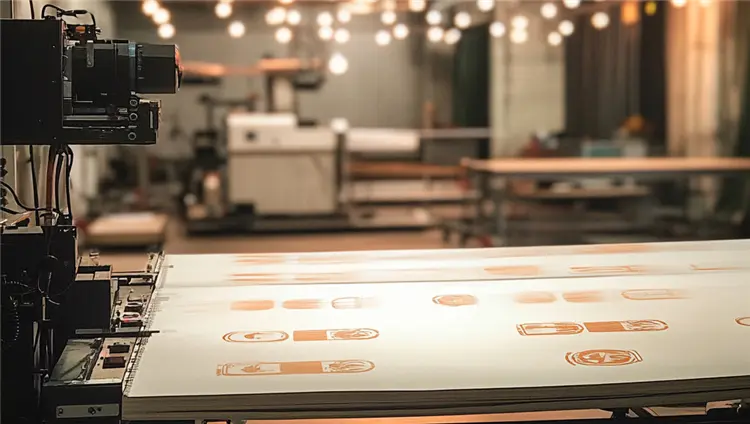
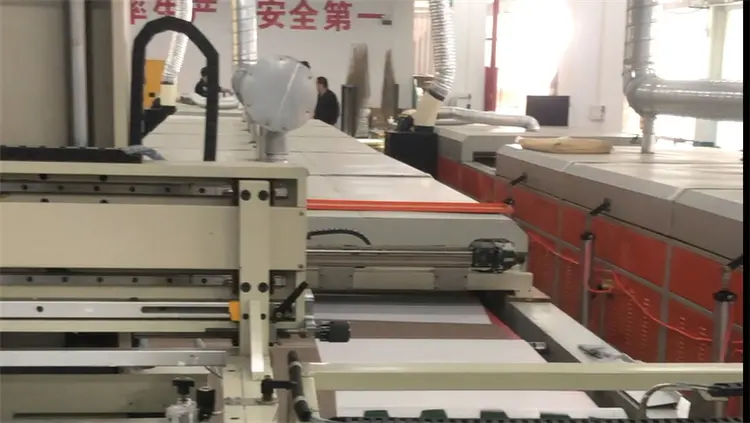
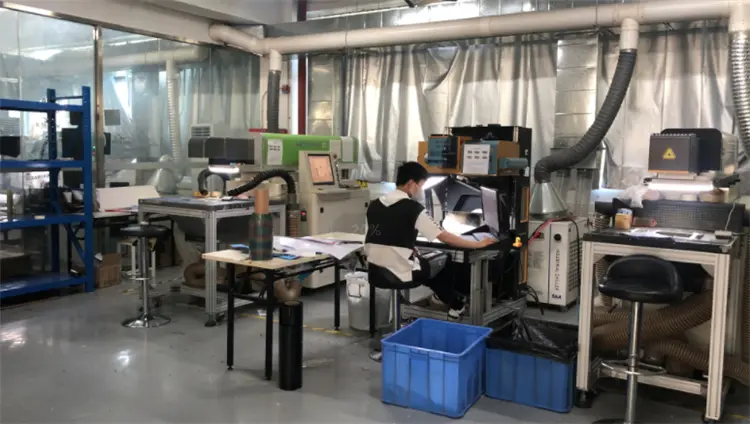
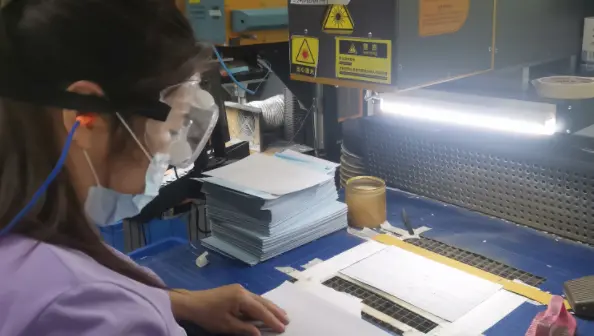
The production of reflective technical materials requires a highly integrated chemical, optical, and manufacturing ecosystem. Our factory, located in China's industrial center, achieves complete vertical integration: raw glass bead formulation, metal vaporization, adhesive coating, and precision digital screen printing are all managed within our local manufacturing hub.
This concentrated ecosystem minimizes transit delay for raw materials and insulates our international partners from global supply chain disruptions. With a daily capacity exceeding 500,000 heat transfer elements, we reduce product turnaround times down to 3-5 working days for rapid prototyping, and 10-12 days for full containers.





 TALENT Industrial