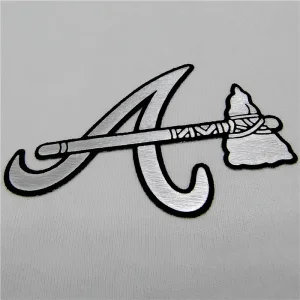
Custom Reflective Branding Labels Supplier & Products

High-Visibility Engineering, Eco-Friendly Formulations, and Precision Retroreflective Identity Solutions for Global Sportswear and Premium Brands

Industry Whitepaper: The Evolution of Reflective Branding Labels

Under the lens of modern Search Quality Evaluation Standards, we address user search intent regarding technical performance, compliance, and material science.

In the highly competitive sportswear, activewear, and protective industrial apparel sectors, branding labels have evolved beyond mere aesthetic tags. Today, reflective branding labels act as a bridge between high-fashion identity, functional safety, and material innovation. Utilizing advanced retroreflection technology—principally categorized into micro-glass beads and micro-prismatic systems—manufacturers can now achieve exceptional reflectivity indices (exceeding 380–500 cd/lx/m²) that guarantee safety under extreme low-light conditions while maintaining strict design limits for fashion brands.

The Physics of Retroreflectivity: A Technical Overview

Retroreflectivity is the key physical principle behind modern reflective labels. Unlike ordinary diffuse reflection (which scatters light in all directions) or specular reflection (which bounces light away at the same angle it arrived, like a mirror), retroreflection directs light back toward its original source, such as a car's headlights. In manufacturing, this is achieved through two key technologies:

  • Micro-Glass Bead Technology: Microscopic glass spheres are embedded in a carrier polymer layer and backed with a highly reflective metallic coating (usually aluminum). When light enters each bead, it is refracted, reflected off the back mirror surface, and sent back toward the observer. This method is highly flexible and perfect for heat transfers applied to stretchy fabrics.
  • Micro-Prismatic Technology: Tiny three-sided prisms are cast onto a transparent vinyl or polyurethane film. Because the prisms rely on internal reflection, they return a higher percentage of light and provide a bright, sharp reflection. This technology is widely used in heavy industrial workwear where compliance with high-visibility standards like ANSI/ISEA 107 and EN ISO 20471 is mandatory.
500+
Reflectivity (cd/lx/m²)
50+
Domestic Wash Cycles
100%
Eco-Polymer Backing
0%
Formaldehyde & heavy metals

Understanding Carrier Materials: PES vs. TPU Backing

A frequent challenge for global procurement departments is ensuring reflective labels do not delaminate, crack, or peel after washing. The secret to durability lies in the adhesive backing chemistry. Custom reflective heat transfers usually utilize one of two core hot-melt polymers:

  • Polyester (PES) Hot-Melt Adhesives: PES offers strong bonding properties on standard woven cotton, polyester-cotton blends, and rigid canvas fabrics. It provides high shear strength but offers limited stretchability.
  • Thermoplastic Polyurethane (TPU) Adhesives: TPU is highly flexible, making it ideal for elastane, spandex, and nylon blends found in active sportswear. TPU backings stretch and recover alongside the fabric, preventing the micro-glass bead layer from fracturing.
🔬
Reflective Glass Beads
High-refractive index micro-glass beads (1.9 to 2.2 Nd) ensure optimal light return, providing strong visibility even under angled illumination.
🛡️
Wash Durability (50+ Cycles)
Cross-linked polyurethane formulations resist washing at up to 60°C and commercial dry cleaning, maintaining reflectivity throughout the garment's lifecycle.
🌱
Oeko-Tex Certification
Produced using water-based inks and solvents that comply with OEKO-TEX Standard 100 Class I, safe for direct contact with skin and babywear.

Company Profile & Production Prowess

SZ Talent is a leading company with more than ten years of experience specializing in all kinds of heat transfer labels. Our comprehensive approach combines innovation, research and development, production, sales, processes, and service. We are proud of our industrial automated production lines, dedicated team of technical experts, and strong management system. Our focus remains on developing innovative, environmentally friendly, functional, and fashionable heat transfer products.

We adhere to the core values of quality-oriented, integrity-based, mutual benefit, promoting innovation and ensuring long-term development. Our efforts are always focused on meeting the needs of our customers. As a well-known name in the industry, SZ Talent is recognized for its commitment to quality, innovation, and customer satisfaction.

We attach great importance to research and development and continuously introduce cutting-edge products that meet the changing needs of the market. Our commitment to excellence makes us a trusted partner for businesses looking for high-quality thermal transfer labels.
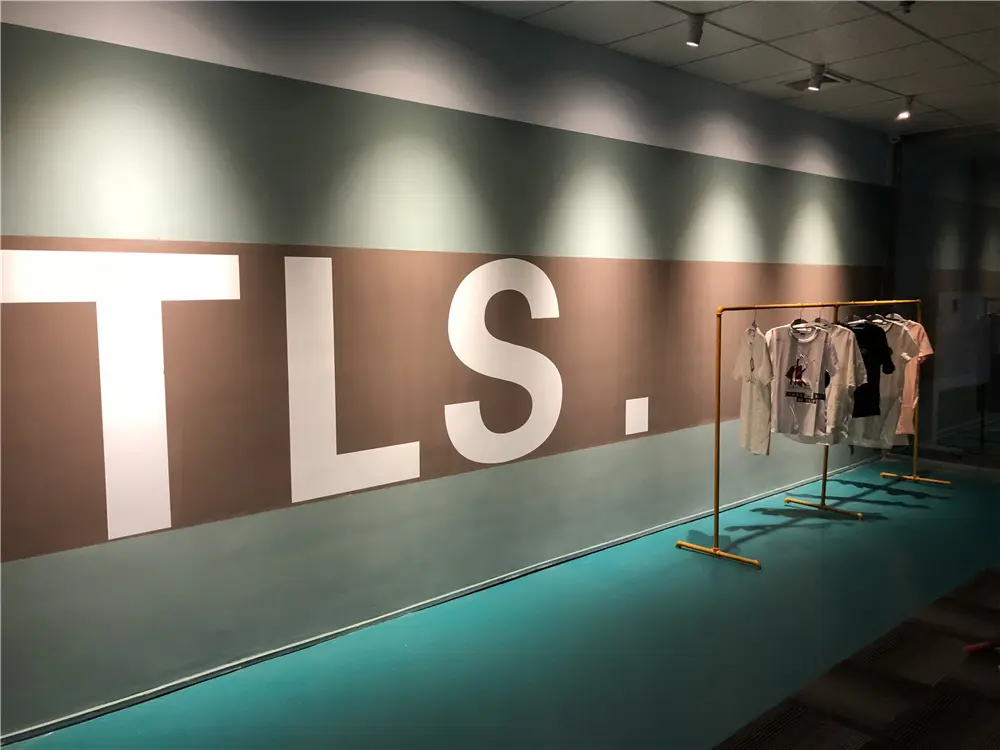
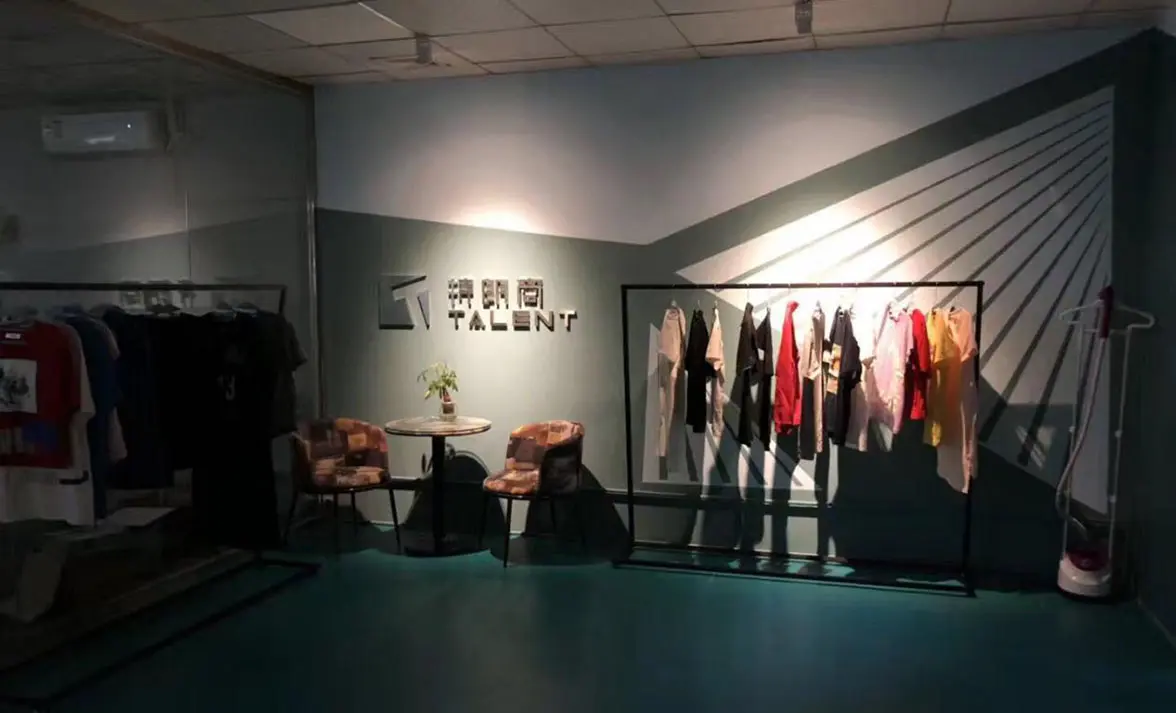
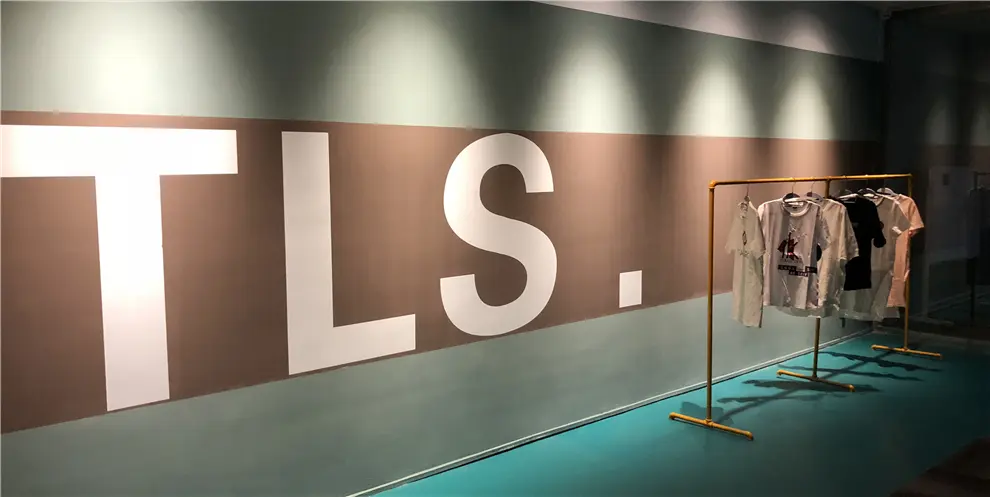
SZ Talent Corporate Facility and Office
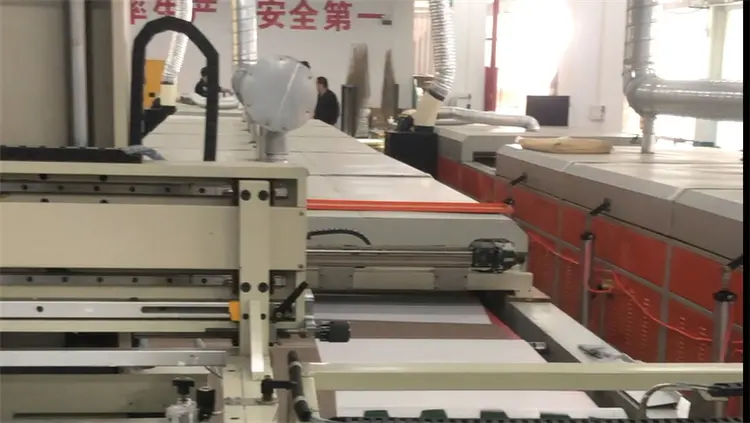
Automated Production line for Heat Transfer Manufacturing
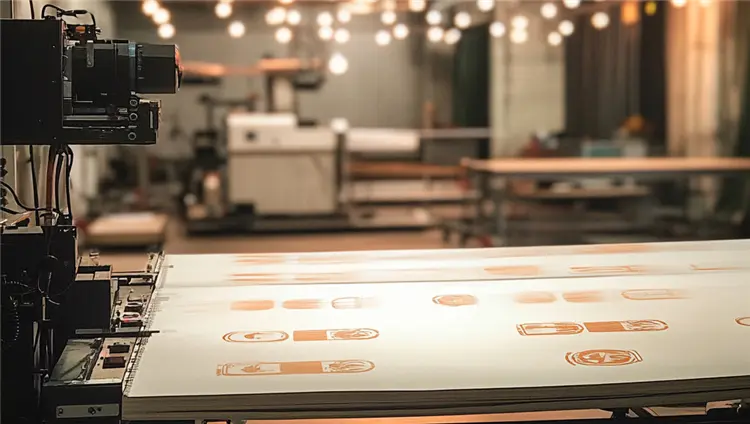
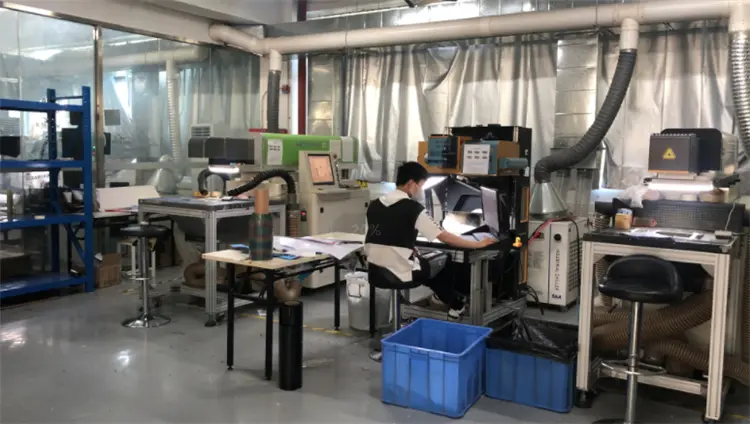
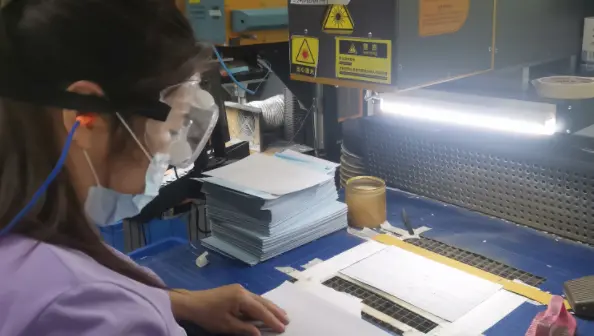
Precision laser cutting department Quality assurance inspecting reflective labels Advanced screen printing setup Warehouse inventory of reflective carrier films Reflective testing laboratory equipment

Our Team & Facilities

Our team is comprised of experienced professionals who are passionate about delivering exceptional service. We have a talented workforce dedicated to driving the company's growth and success. Our team members are committed to maintaining the highest quality and service standards, ensuring our customers receive the best solutions.

Business Growth

Over the years, we have experienced significant growth and expansion due to our unwavering commitment to excellence. We continuously invest in advanced technologies and processes to increase our production capabilities and meet our customers' growing needs. Our continued growth is a testament to our commitment to providing exceptional products and services.

State-of-the-Art Facility

Our state-of-the-art facilities are equipped with the latest technology to ensure efficient production and high-quality output. We have made significant investments in infrastructure to create an enabling environment for innovation, research, and development. Our facilities are designed to meet the highest industry standards and meet the diverse needs of our customers.

Strategic Advantages of Sourcing from Chinese Custom Factories

Why global brands concentrate their supply chains in specialized Chinese manufacturing hubs like Shenzhen and Guangdong.

Sourcing reflective and specialized branding labels from China provides global enterprises with clear cost and efficiency benefits. The deep concentration of chemical material suppliers, high-accuracy machinery manufacturers, and highly skilled operators in the Pearl River Delta enables unprecedented manufacturing agility.

1. Complete Supply Chain Integration

In China, raw material procurement, adhesive formulation, printing, curing, laser-cutting, and QC testing happen within close proximity. This localized network eliminates international material transit delays and allows factories to source carrier films, release papers, and custom polyurethane resins on demand. This translates into shorter lead times—often under 7 to 10 days for complex multi-process orders.

2. Advanced Automated Cutting & Printing Technologies

Chinese factories have transitioned from manual die-cutting to computerized CCD camera laser cutting and high-speed rotary screen-printing. CCD camera lasers dynamically scan printed patterns, correcting offset variations in real-time. This ensures that even intricate logos with fine details down to 0.5mm are cut cleanly without frayed edges or backing damage.

3. Cost Efficiencies and Scale

High-volume automated production lines dramatically reduce unit costs. Whether your project requires 10,000 or 1,000,000 units, automated systems maintain consistent thermal adhesive application thicknesses and consistent reflective glass bead distribution. This ensures that your branding labels deliver uniform performance across every production run.

Macro Solutions & Localized Application Scenarios

How distinct industries leverage custom reflective technologies to satisfy compliance, brand positioning, and safety needs.

🏃‍♂️
Performance Sportswear & Athleisure
High-stretch TPU-backed reflective labels integrated onto yoga pants, compression shirts, and running windbreakers. Designed to stretch up to 200% without cracking or losing adhesion.
👷
Industrial Workwear & Utility Apparel
Compliance-driven solutions that meet EN ISO 20471 standards. Resistant to harsh industrial laundering, petroleum-based oils, and heavy abrasion.
🎒
Premium Outdoor Gear & Accessories
Reflective patches applied to waterproof cordura backpacks, hiking boots, and tents. Built to endure long-term UV exposure and sub-zero temperatures.

Global Enterprise Procurement Criteria

When selecting a reflective label supplier, international procurement offices focus on several key quality metrics. A checklist is essential to verify that product specifications align with final product requirements:

  • Retroreflection Coefficient (R_A): Verify that the initial reflectivity value meets or exceeds the necessary standard (typically 250–500 cd/lx/m² for silver reflective labels).
  • Heat Pressing Specifications: Ensure the factory provides clear parameters for temperature (normally 140°C–160°C), time (10–15 seconds), and pressure (3–4 kg/cm²).
  • Eco-label Compliance: Request proof of compliance with REACH, RoHS, and OEKO-TEX regulations to prevent customs holds in European or North American markets.
  • Wash Resistance: Specify testing requirements, such as AATCC Home Laundering methods or ISO 6330 standards (e.g., 50 washes at 60°C).

Frequently Asked Questions (FAQ)

Technical answers to key questions about sourcing, application, and material performance.

What is the difference between silver reflective labels and rainbow/holographic reflective labels?
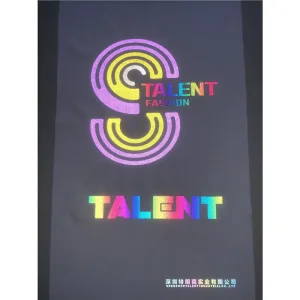
Silver reflective labels use micro-glass beads coated with aluminum on their back hemisphere, providing the highest retroreflectivity (up to 500 cd/lx/m²) and a clean white reflection. Rainbow or holographic reflective labels use a multi-layered thin-film interference coating. This diffracts light into distinct spectral colors, creating a vibrant shifting rainbow effect. However, their retroreflectivity index is lower (typically 10 to 80 cd/lx/m²), making them more suitable for fashion branding than safety-critical workwear.
How do you prevent heat transfer labels from peeling off waterproof fabrics?
Waterproof fabrics are often treated with Durable Water Repellent (DWR) coatings, such as silicones or fluorocarbons, which can prevent standard adhesives from bonding. To solve this, we use specialized cross-linked polyamide hot-melt adhesives engineered for DWR materials. We also recommend pre-pressing the fabric to remove moisture and gases before applying the transfer.
What causes reflective labels to crack after washing, and how is this prevented?
Cracking is usually caused by using a rigid carrier adhesive (like standard PVC or PES) on a high-stretch knit fabric. During washing, the mechanical agitation stretches the fabric, causing the adhesive to fracture. We prevent this by utilizing highly elastic TPU carriers and elastomeric binders for the glass beads, allowing the transfer to stretch and recover along with the garment.
What is the recommended application temperature and pressure for industrial application?
For most polyurethane-based reflective heat transfers, the optimal application window is 145°C to 155°C, with a medium pressure of 3 to 4 bar, for a duration of 12 to 15 seconds. For delicate fabrics, we offer low-temperature formulations that bond at 120°C to 130°C to avoid fabric scorching.
Can these labels be applied using a household iron?
While it is possible for small DIY applications, we do not recommend using a household iron for commercial production. Household irons do not provide the uniform heat distribution, consistent pressure, or precise timing required to properly activate industrial hot-melt adhesives, which can lead to peeling after washing.