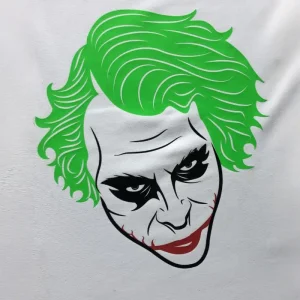
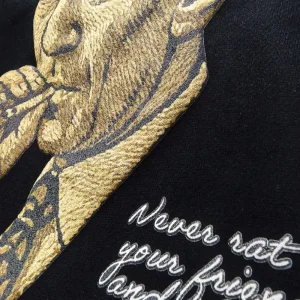
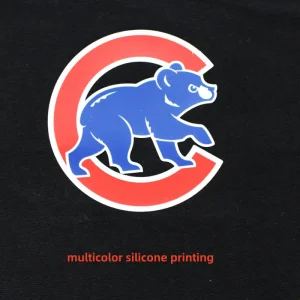
Engineered solutions for complex textile substrates, offering multi-dimensional aesthetics, high opacity, and reliable durability.
In high-end sports apparel, industrial workwear, and heavy-duty activewear, dye migration and low opacity are major challenges. When applying light-colored branding elements onto sublimated polyester, blended fabrics, or deep-dyed synthetic textiles, base pigments tend to bleed through the transfer. This chemical bleeding degrades brand assets and changes their color. Solving this issue requires advanced material engineering and structural design.
Modern opaque screen transfer labels rely on multi-layered chemistry. Instead of simply printing ink onto a carrier sheet, manufacturers use a structured barrier system. This structure consists of a clear protective release liner, premium high-solid opacity pigments (often Titanium Dioxide formulation modified for elasticity), a specialized anti-sublimation blockout barrier (frequently carbon-infused or composite polyurethane), and a high-performance hot-melt adhesive layer calibrated for low activation temperatures. This low-temperature activation is key to keeping the base fabric's dyes stable.
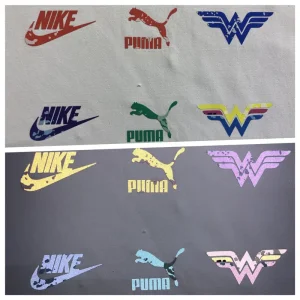
By keeping pressing temperatures between 120°C and 140°C, the sublimation process of polyester dyes remains inactive, preventing dye migration. The opaque screen transfer functions as a complete barrier, retaining rich whites, vibrant pastels, and metallic gradients without any discoloration, even after dozens of industrial wash cycles.
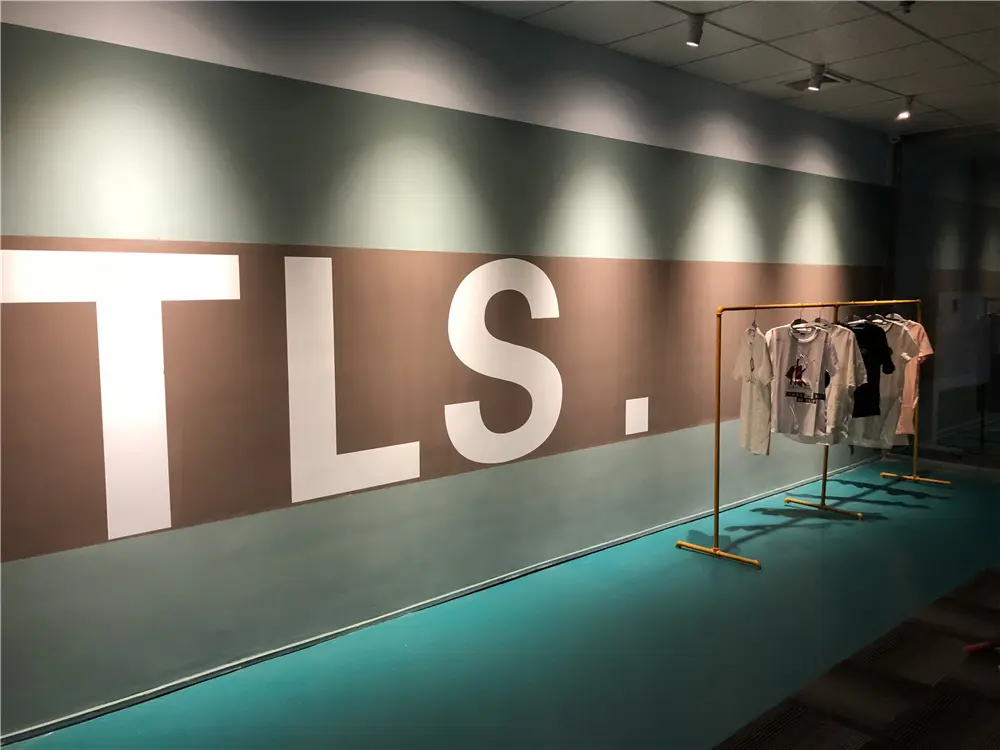
SZ Talent is a leading company with more than ten years of experience specializing in all kinds of heat transfer labels. Our comprehensive approach combines innovation, research and development, production, sales, processes, and service. We are proud of our industrial automated production lines, dedicated team of technical experts, and strong management system. Our focus remains on developing innovative, environmentally friendly, functional, and fashionable heat transfer products.
We adhere to the core values of quality-oriented, integrity-based, mutual benefit, promoting innovation, and ensuring long-term development. Our efforts are always focused on meeting the needs of our customers. Known for our commitment to quality, innovation, and customer satisfaction, we continuously introduce cutting-edge products that meet the changing needs of the market. Our commitment to excellence makes us a trusted partner for businesses looking for high-quality thermal transfer labels.
Over the years, we have experienced significant growth and expansion due to our unwavering commitment to excellence. We continuously invest in advanced technologies and processes to increase our production capabilities and meet our customers' growing needs. Our continued growth is a testament to our commitment to providing exceptional products and services. Our state-of-the-art facilities are equipped with the latest technology to ensure efficient production and high-quality output. We have made significant investments in infrastructure to create an enabling environment for innovation, research, and development. Our facilities are designed to meet the highest industry standards and meet the diverse needs of our customers.
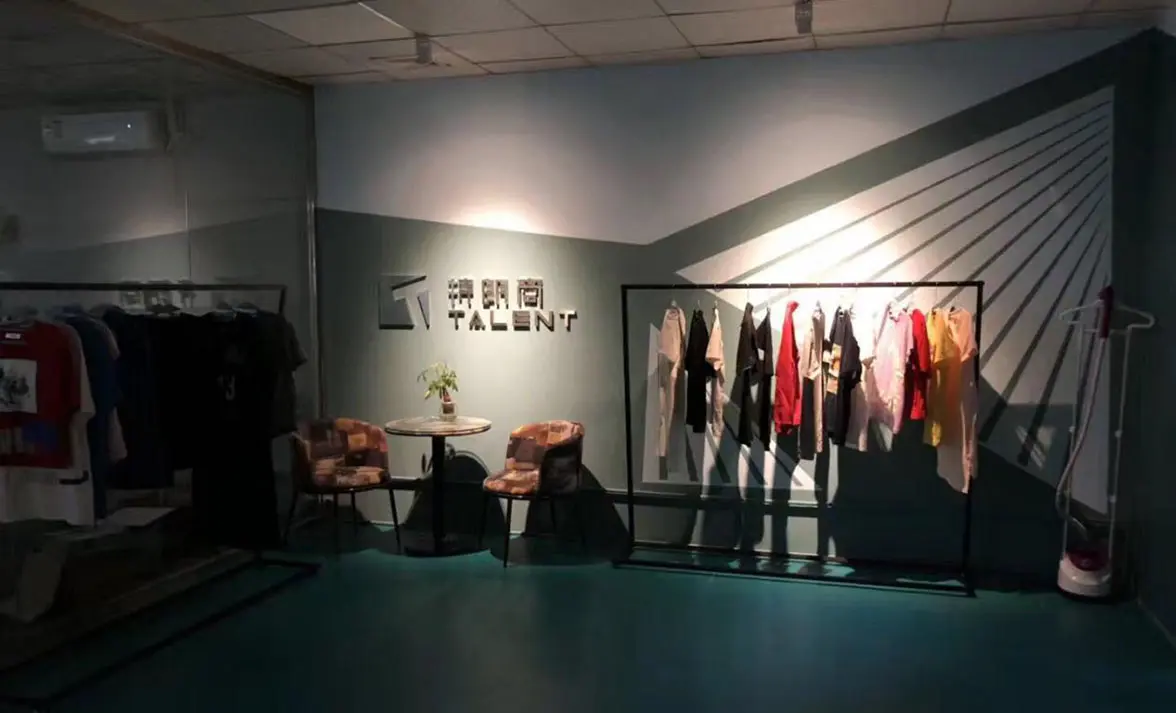
Procurement strategies in the international apparel sector are shifting toward high durability, simplified application processes, and strict chemical safety standards. Below are the key drivers shaping the industry today:
With polyester and dynamic synthetic blends dominating athleisure wear, buyers now require anti-sublimation properties as a standard feature rather than an upgrade. This helps preserve brand colors across various fabrics.
Global regulations, such as REACH and Oeko-Tex Standard 100 Class I, require the complete elimination of PVC, phthalates, and formaldehyde. Brands prioritize water-based inks for safer, skin-friendly products.
Global supply chains require labels that apply easily to varied materials—cotton, nylon, spandex, and treated water-resistant shell fabrics—while maintaining excellent adhesion and elasticity.
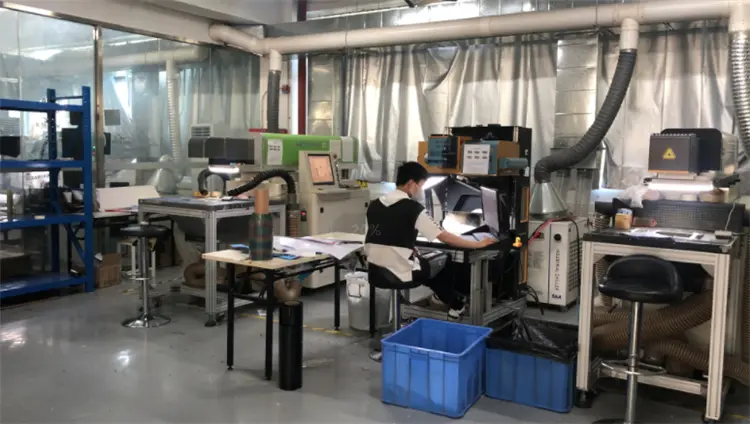
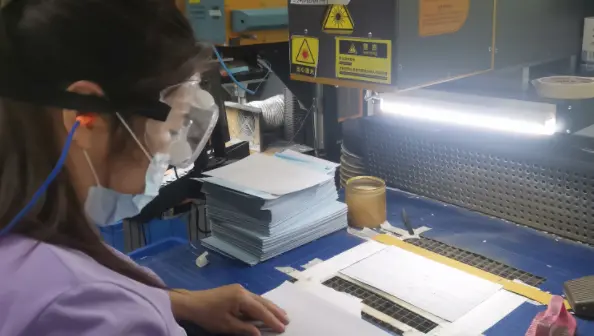
Meeting high-volume global demands requires modern technology. SZ Talent integrates Industry 4.0 automation to combine manufacturing efficiency with strict quality control.
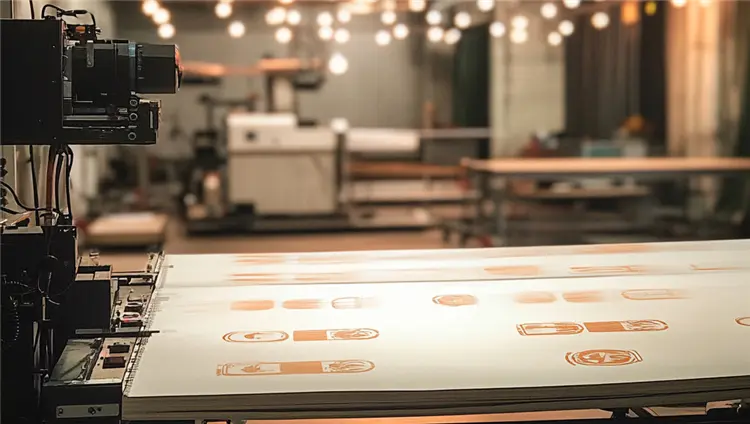
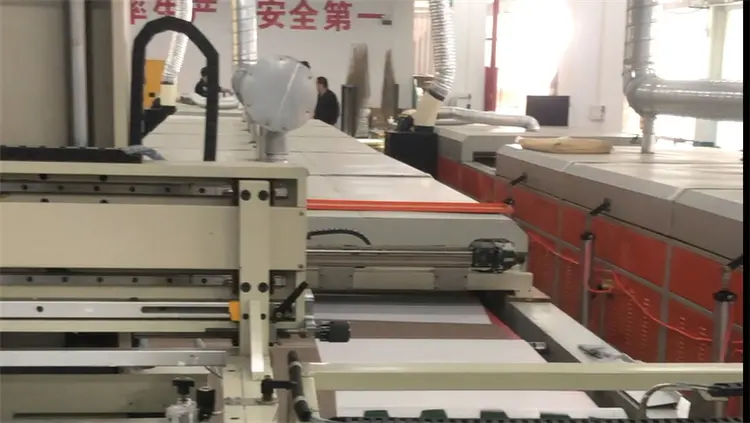
Traditional flatbed manual printing often struggles to maintain uniform ink thickness. Variations in deposit depth can create weak areas that are prone to cracking or color bleeding. At SZ Talent, we use automated roll-to-roll screen printing machinery.
These systems maintain precise squeegee pressure, angle, and stroke speed. This control ensures consistent ink thickness across large-volume runs, providing reliable opacity and excellent stretch performance.
Curing is a critical step in manufacturing heat transfers. Under-curing leaves ink layers structurally weak, while over-curing damages the hot-melt adhesive, leading to poor bonding. Our facility features closed-loop infrared drying tunnels. Sensors monitor temperature and airflow in real time, curing the ink layers evenly while keeping the adhesive backing ready for application.
To meet strict corporate brand guidelines, we use spectrophotometer-based color matching. This tool measures delta-E values to ensure consistent color matches across production lots, preventing variances on the factory floor.
Every production batch undergoes strict quality checks before shipping. Our in-house testing includes:
Custom opaque screen transfers are used in a variety of industries, each demanding specific technical performance:
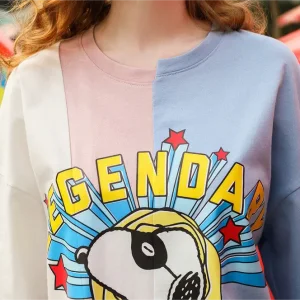
For garments made of high-spandex blends, transfers must stretch and recover repeatedly. Our elastic ink systems flex with the fabric, preventing cracks or peeling during workouts.
Industrial uniforms undergo harsh environments and repeated high-temperature washing. Our heavy-duty barriers withstand abrasion and chemical cleaners while keeping branding visible.
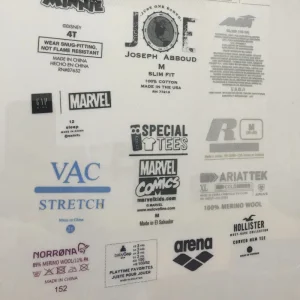
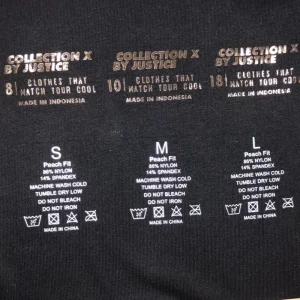
For modern garments where comfort is key, seamless size labels print directly onto the inner neck. This eliminates the itchiness of traditional woven labels, offering a smooth finish.
Clear technical answers to help apparel buyers, product designers, and factory managers optimize production.
Specialized solutions designed to prevent dye migration on technical fabrics, with durable, high-performance finishes.
 TALENT Industrial