E-E-A-T Certified Whitepaper

Custom Next-To-Skin Size Labels Manufacturers & Manufacturer

Precision Engineering, Zero-Feel Tactile Comfort, and Strict Compliance Solutions for the Global Performance & High-End Apparel Industry

Industry Whitepaper

Engineering the Ultimate Skin-Contact Label: Materials, Adhesion, & Quality Systems

In the contemporary apparel supply chain, consumer preferences have shifted decisively away from traditional sewn-in labels. The tactile sensation of woven or printed satin ribbons scratching against the neck or side seam is no longer tolerated in premium activewear, intimate apparel, babywear, or compression gear. Brands that prioritize "next-to-skin" comfort utilize advanced heat transfer labels to replace physical tags entirely. However, engineering an ultra-thin, wash-durable, elastomeric, and chemically compliant next-to-skin size label requires deep materials science expertise and highly controlled automated production processes.

The Core Challenge: Next-to-skin labels must maintain high elasticity to prevent cracking when the fabric stretches, block sublimation or dye-migration on synthetic polyester textiles, and pass rigorous human ecological safety tests (such as OEKO-TEX Standard 100 Class I for baby skin contact) while enduring dozens of high-temperature laundry cycles.

1. The Evolution & Global Market Trends of Next-to-Skin Labeling

Historically, size labels served a purely functional, regulatory purpose—conveying brand name, country of origin, material composition, and wash care instructions. However, with the explosion of the global athleisure market and sensory-conscious fashion, the label has transformed into a critical element of the brand experience. Global market drivers show high demand for seamless garments, where traditional sewing creates unwanted bulk and friction points.

As manufacturers, we have identified three major macro trends reshaping the industry:

  • Sustainable Circularity: Inks and adhesives must not interfere with the mechanical or chemical recycling processes of synthetic and natural textile fibers.
  • Smart Tactility: The ink profile must remain below 30 microns in thickness, offering a "zero-feel" profile that feels like part of the fabric itself rather than a plastic film.
  • Eco-Friendly Chemical Footprints: Transitioning entirely to water-based, solvent-free polyurethane inks that eliminate PVC, phthalates, and formaldehyde.

Cost Efficiency at Scale

Automated inline screen print machinery and roll-to-roll heat transfer production reduce labor application times by up to 40% compared to traditional sew-on methods, cutting overall manufacturing overhead.

Zero-Reject Durability

Our formulations prevent peeling, cracking, and color fading, surviving upwards of 50 industrial home laundering cycles at 60°C without loss of legibility.

Dye Migration Blockers

Specialized active carbon barrier layers block synthetic dyes from sublimating through the white or metallic heat transfer inks on deep dyed polyester fabrics.

2. Material Science: Polyurethane, Silicone, and Elastomeric Formulations

The molecular composition of the heat transfer ink determines its performance. At SZ Talent, we prioritize water-based thermoplastic polyurethanes (TPU) and high-density silicones. These materials provide superior mechanical elongation properties (up to 400% stretch recovery), ensuring that when a compression garment or yoga pants are donned, the size label stretches harmoniously with the elastane fibers without snapping or fracturing.

Furthermore, the hot-melt adhesives we employ are chemically calibrated to match specific fabric substrates. Polyamide-based hot melts bond flawlessly to nylon-spandex fabrics, while polyester-based hot melts ensure optimal polymer crosslinking on polyester-cotton blends. This precise thermal matching is what guarantees wash resistance and durability over the garment's lifetime.
10+
Years Industry Experience
100%
Eco-Friendly Water Inks
50+
Global Brands Served
24h
R&D Sample turnaround
About SZ Talent

Our Legacy in Advanced Thermal Printing

SZ Talent is a leading company with more than ten years of experience specializing in all kinds of heat transfer labels. Our comprehensive approach combines innovation, research and development, production, sales, processes and service. We are proud of our industrial automated production lines, dedicated team of technical experts and strong management system. Our focus remains on developing innovative, environmentally friendly, functional, and fashionable heat transfer products.

We adhere to the core values of quality-oriented, integrity-based, mutual benefit, promoting innovation and ensuring long-term development. Our efforts are always focused on meeting the needs of our customers. We continuously invest in advanced technologies and processes to increase our production capabilities and meet our customers' growing needs. Our continued growth is a testament to our commitment to providing exceptional products and services.

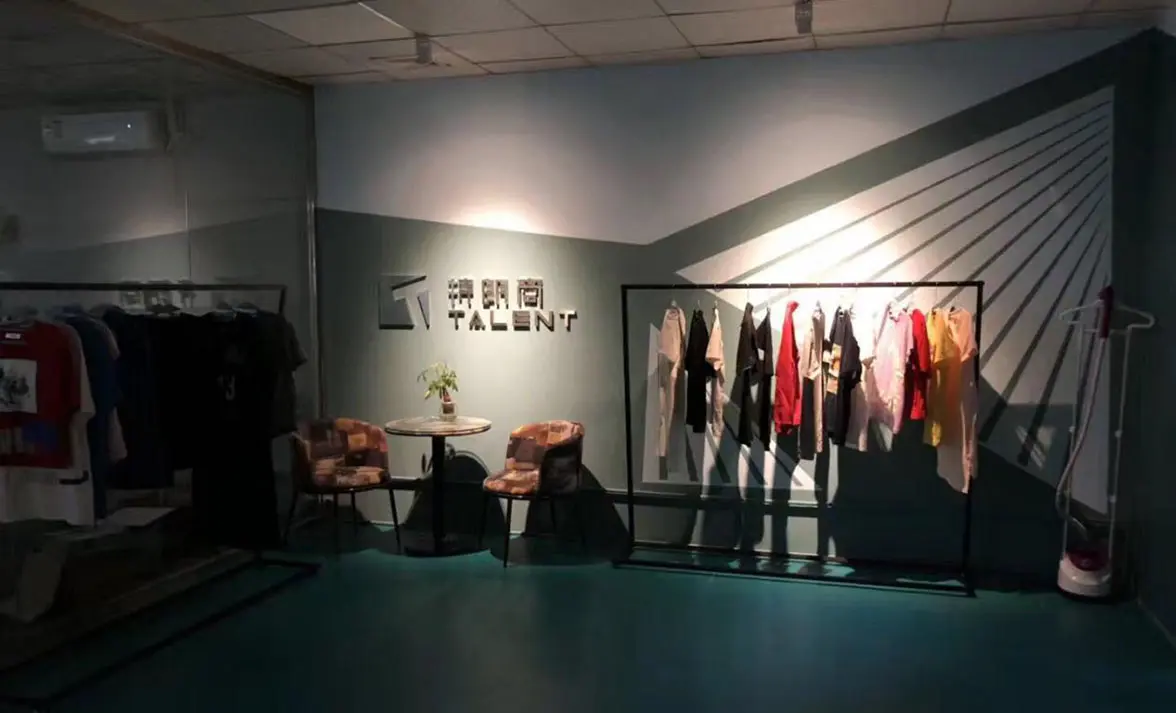
SZ Talent Production Facility
Manufacturing Infrastructure

State-of-the-Art Production & Machinery

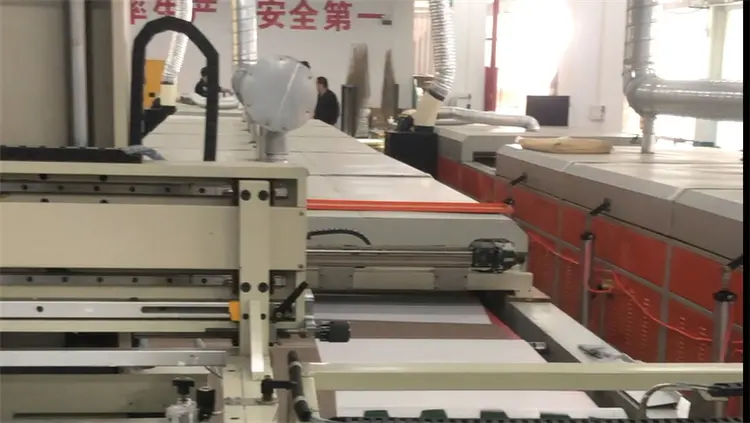
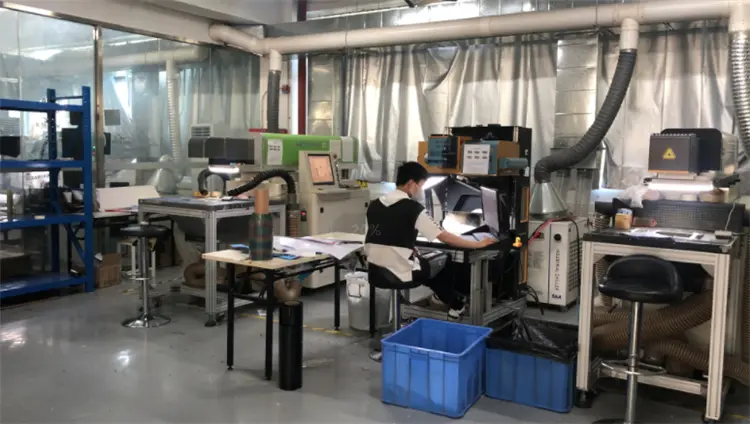
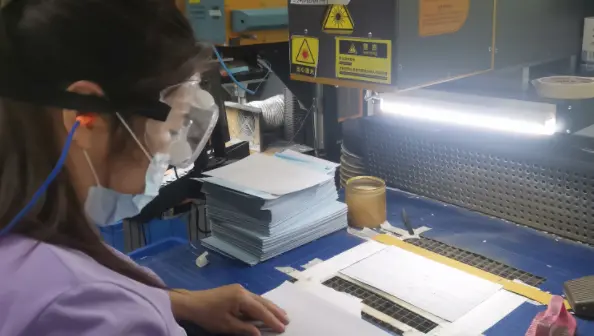
Our state-of-the-art facilities are equipped with the latest technology to ensure efficient production and high-quality output. We have made significant investments in infrastructure to create an enabling environment for innovation, research and development. Our facilities are designed to meet the highest industry standards and meet the diverse needs of our customers.

Facility & Capacity Highlights:

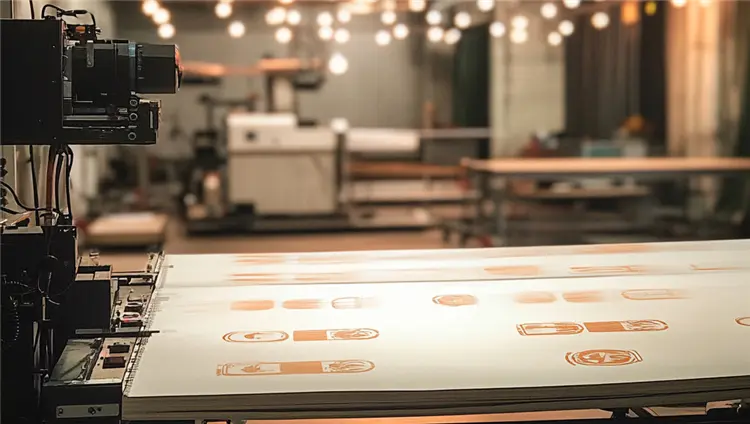
  • High-precision roll-to-roll screen printing lines for consistent high-volume delivery.
  • In-house analytical laboratory for wash testing, peel testing, and thermal colorfastness evaluation.
  • Automated QA vision system scanning every batch to prevent character defects.
  • Climate-controlled material storage rooms to preserve hot-melt adhesive shelf-life stability.

3. Global Procurement Requirements & Compliance Standards

Global brands operating in highly regulated jurisdictions (US, EU, Japan) face strict compliance hurdles when importing apparel with direct-skin contact components. Our manufacturing protocols conform strictly to local legislations and global testing standards:

OEKO-TEX® Standard 100 Class I

Certified safe for baby clothing and sensitive infant skin. Strictly limits formaldehyde, heavy metals, and chlorinated phenols.

REACH & CPSIA Compliance

Phthalate-free and lead-free ink compositions matching the Consumer Product Safety Improvement Act threshold requirements.

ZDHC (Zero Discharge of Hazardous Chemicals)

Our production facility implements closed-loop water filtration and adheres to MRSL guidelines to protect local ecosystems.

4. Macro Solutions: Customizing for Specific Fabric Architectures

Not all fabrics are created equal. An heat transfer recipe that works on a 100% organic cotton jersey will fail on a high-stretch nylon compression base layer. We provide engineered solutions tailored to specific fabric matrices:

Fabric Type Core Vulnerability Target Label Solution Applied Parameters
Nylon & Spandex (Activewear) High elastic stretch & low thermal threshold High-Elastomer Polyurethane + Low Temp Bonding 135°C, 3.5 Bar, 12s, Cold Peel
Polyester Fleece (Outdoor Gear) Sublimation/Dye migration at heat press temperatures Carbon-barrier migration-proof blocking layer 140°C - 150°C, 4 Bar, 10s
Organic Cotton (Babywear) Chemical sensitivity & soft-hand feel requirement Water-based absolute zero chemical footprint ink 155°C, 3 Bar, 8s, Hot Peel
Water-Resistant Fabrics (Outerwear) DWR coating repels standard water-based adhesives Cross-linked solvent-acrylic adhesive primers 160°C, 4 Bar, 15s

5. Future Roadmap: Smart Thermal Graphics & Biomimetic Adhesion

As part of our commitment to next-generation technology, SZ Talent's engineering division is piloting dynamic smart labeling options. This includes UV color-changing indicators and thermochromic heat transfers that shift hue in response to body temperature variations. Additionally, our R&D lab is working on biopolymers that mimic the natural adhesive properties of gecko feet, aiming to develop labels that can bond securely under thermal compression without requiring synthetic chemical hot melts.

Technical Support & Q&A

Frequently Asked Questions

Get professional insights from our leading material engineers regarding application, durability, and customization.

What causes heat transfer size labels to crack after washing, and how can we prevent it?
Cracking is caused by a mechanical mismatch between the fabric's elongation profile and the heat transfer label's elastic recovery limit. If the fabric stretches past the label's yield point, micro-fractures occur. We resolve this by formulating elastomer-rich TPU inks that stretch beyond 300% of their static state and recover without retaining permanent deformation.
How does SZ Talent ensure dye migration prevention on sublimated polyester sportswear?
We utilize a specialized migration-barrier ink formulated with active carbon molecules. This layer acts as a physical filter that absorbs and neutralizes sublimating gaseous dye molecules released from the polyester fibers during heat application, preventing the white text from turning yellow or pink.
What is the typical shelf life of custom heat transfer size labels before application?
When stored in a climate-controlled warehouse (temperature: 20°C - 25°C, relative humidity: 40% - 60%), our heat transfer sheets retain peak performance for up to 18 months. Storage in high heat or humidity risks premature cross-linking of the hot-melt adhesive powder, reducing final bond strength.
Are water-based PU labels fully compliant with OEKO-TEX Standard 100 regulations?
Yes, our water-based polyurethane formulas are completely solvent-free, containing no restricted plasticizers (such as DEHP, DBP, BBP), heavy metals, or toxic chemical binders. They meet Class I requirements, which is the strictest product category, certifying them safe for babies and infants.