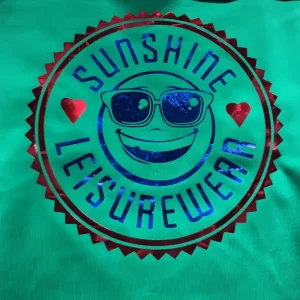
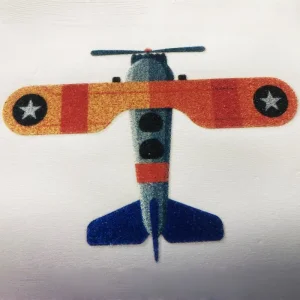
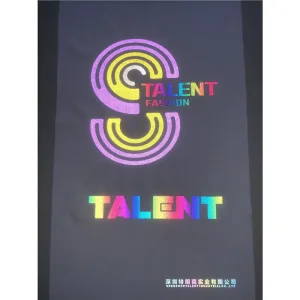
Explore our foundational range of durable silicone, multi-technique layering, and reflective transfers designed for rigorous industrial apparel factory standards.
In the rapidly changing global textile ecosystem, the demand for high-resiliency customization has led to the dominance of Flexible Heat Transfers. Modern apparel factories, performance wear designers, and safety equipment manufacturers are transitioning away from direct screen printing and heavy embroidery toward advanced substrate thermal transfers. As manufacturing shifts toward speed-to-market and hyper-customization, specialized factories have implemented sophisticated automated chemical deposition methods to yield transfers that boast structural durability, elasticity, and brilliant tactile profiles.
Modern fabrics, such as elastane and compression polyesters, require transfers that stretch up to 400% without micro-fracturing or peeling from the textile matrix. Specialized polymer blends solve this challenge seamlessly.
Global safety frameworks require toxic-free ingredients. Implementing certified water-based inks and thermoplastic polyurethane (TPU) backings ensures adherence to OEKO-TEX Standard 100 restrictions.
Chemical migration from sublimated fabrics represents a massive issue. Factories deploy specialized charcoal or silver barrier backings to completely arrest pigment bleeding at high temperatures.
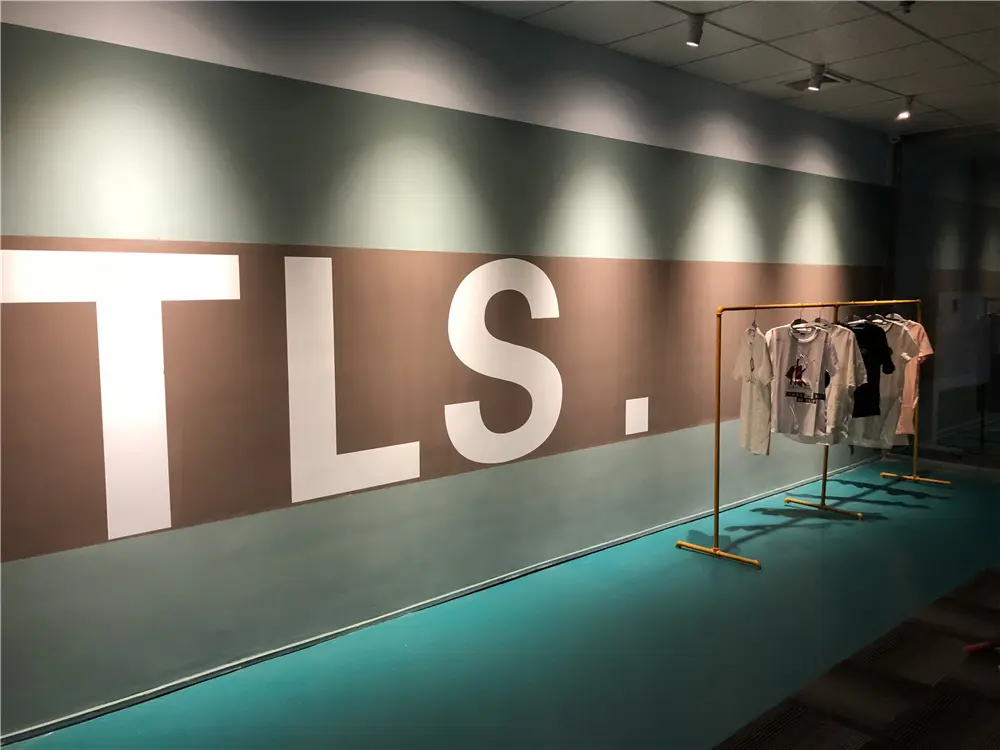
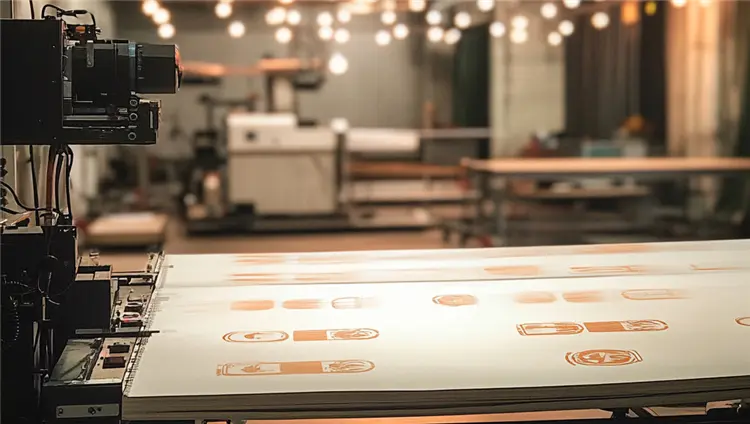
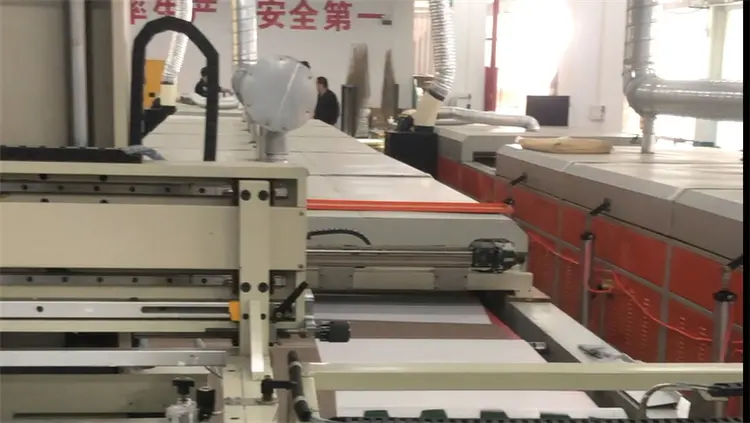
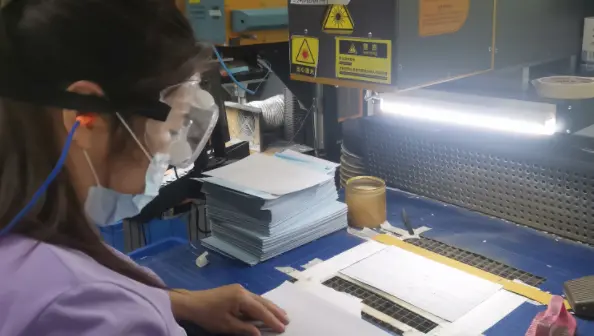
Figure 1: SZ Talent's state-of-the-art multi-station automated printing apparatus for consistent transfer chemistry deposition.
Every high-fidelity transfer produced by certified global factories is a composite chemical stack engineered to bind molecularly with synthetic, natural, or blended yarn structures. Selecting the proper substrate and heat transfer mechanism requires deep engineering understanding. Below is a comprehensive look at the material classes utilized within our custom factory ecosystem:
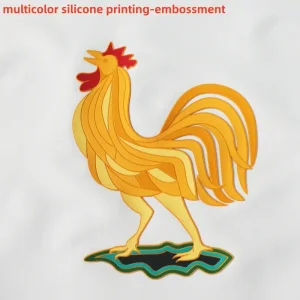
Engineered through high-pressure compression molds using liquid silicone rubber. This class provides a distinct raised dimension (up to 2mm thickness), a luxury matte feel, and is highly resilient against physical abrasion and thermal degradation.
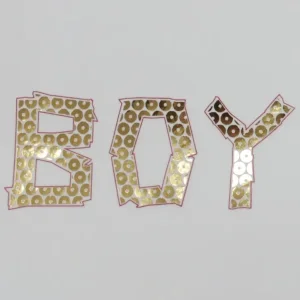
Utilizes micro-glass or polymer spheres mechanically embedded via hot-melt adhesive layers. Provides complex textures and refractive capabilities that imitate traditional bead-embroidery without manual hand-stitching overhead.
Features an advanced chemical compound core containing active carbon particles designed to intercept gasified sublimation disperse dyes. This configuration ensures that white transfers on dark polyester remain bright white forever.
As industry pioneers, SZ Talent invests heavily in research and development to align with emerging trends in garment production. The convergence of smart apparel, extreme environmental performance, and digital twin supply chains has dictated our technology roadmap:
Embedding ultra-thin, flexible near-field communication antennas within the elastomeric layers of a 3D molded patch. This enables brands to provide digital product passports directly to consumers, guaranteeing authenticity and detailing recycling instructions.
We are researching and deploying bio-synthesized hot-melt adhesives derived from agricultural byproducts. Our goal is to achieve 100% compostability for neck-label components within the next three fiscal years.
Combining high-speed digital inkjets with precision automated screen backing allows factories to print complex variable data alongside heavy-build textures. This setup eliminates traditional setup costs for micro-batch branding.
Flexible transfers must perform under varied environmental stressors. A label deployed in humid tropical regions faces different degradation pathways than safety patches destined for sub-zero outdoor workwear. Here is how factories localize chemical profiles:
Challenge: Hydrolysis-induced peeling from humidity and constant sweat exposure.
Solution: Formulations that incorporate specialized crosslinkers to block moisture molecules from degrading the backing adhesive over prolonged exposure.
Challenge: Low-temperature cracking of reflective patches.
Solution: Integrating specialized plasticizers into the elastomer compound to maintain flexibility down to -40°C.
Challenge: Retaining crisp detail on high-stretch fabrics without puckering.
Solution: Layering ultra-thin TPU barriers with soft-touch adhesives that cure at low temperatures (130°C) to prevent delicate silk or nylon scorching.
SZ Talent is a leading company with more than ten years of experience specializing in all kinds of heat transfer labels. Our comprehensive approach combines innovation, research and development, production, sales, processes, and service. We are proud of our industrial automated production lines, dedicated team of technical experts, and strong management system. Our focus remains on developing innovative, environmentally friendly, functional, and fashionable heat transfer products.
We adhere to the core values of quality-oriented, integrity-based, mutual benefit, promoting innovation and ensuring long-term development. Our efforts are always focused on meeting the needs of our customers. Our state-of-the-art facilities are equipped with the latest technology to ensure efficient production and high-quality output. We have made significant investments in infrastructure to create an enabling environment for innovation, research, and development.
Over the years, we have experienced significant growth and expansion due to our unwavering commitment to excellence. We continuously invest in advanced technologies and processes to increase our production capabilities and meet our customers' growing needs. Our continued growth is a testament to our commitment to providing exceptional products and services.
Our team is comprised of experienced professionals who are passionate about delivering exceptional service. We have a talented workforce dedicated to driving the company's growth and success. Our team members are committed to maintaining the highest quality and service standards, ensuring our customers receive the best solutions.

For high-output apparel manufacturers, integrating transfer decoration into an existing production layout can create operational bottlenecks if not managed systematically. Below are the macro solutions SZ Talent provides to major textile factories globally:
Context: Polyester fleece garments are highly susceptible to "dye bleeding" after heat press application. This degradation ruins entire shipments.
Implementation: We supply heat-transfers infused with an activated carbon barrier layer. This molecular shield traps dye molecules, allowing pristine white branding on dark fabrics.
Context: Factory labor costs escalate when heat transfer sheets take too long to peel or require multiple cooling steps.
Implementation: We develop instantaneous hot-peel polyurethane carriers that detach within 0.5 seconds post-heat application, boosting output by 35% compared to traditional cold-peel versions.
Technical answers to common issues faced by manufacturing plants, designers, and sourcing managers.
View our specialized thermal labels, featuring thermochromic, night-glow, and high-visibility options for industrial safety and fashion markets.
 TALENT Industrial