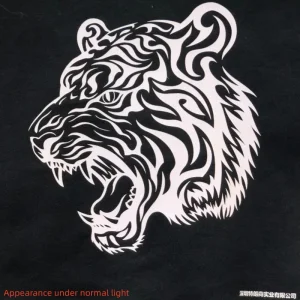
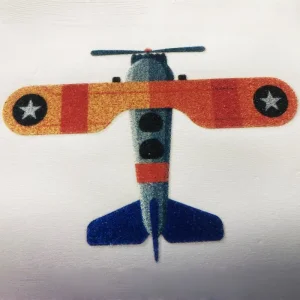
Explore our top-tier selection of industrial fabric transfer patches. Engineered for high wash durability, elastic recovery, and zero dye-migration on demanding synthetics.
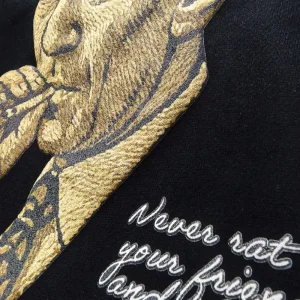
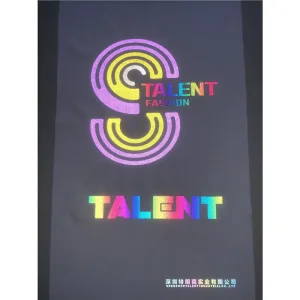
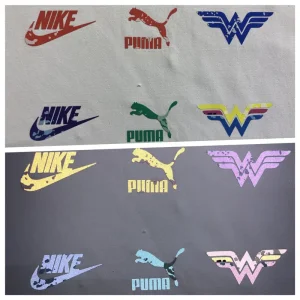
Coated fabric adhesive transfer labels represent a critical intersection of chemical engineering and textile science. Unlike traditional paper or thin film labels, coated fabrics require specialized thermoplastic adhesives capable of penetrating hydrophobic coatings (such as Polyurethane (PU), Polyvinyl Chloride (PVC), Silicone, or Fluoropolymer water-repellent layers) without degrading the base substrate. These labels are engineered to form a cross-linked mechanical bond that aligns with the elastic structure of modern synthetic fibers.
Using advanced multi-layer systems, these transfers feature a release carrier, decorative ink layers (such as reflective micro-beads or thermochromic pigments), a barrier film to prevent sublimation/dye migration, and a customized heat-activated adhesive layer. This complexity ensures that the finished graphic retains structural integrity, color accuracy, and flexibility even after undergoing standard industrial laundering processes.
How structural shifts in the global apparel, workwear, and outdoor gear industries are driving the demand for specialized polymer-based adhesive labels.
The global market for coated fabric transfer labels is experiencing double-digit growth, catalyzed by the transition away from sewn-in labels which cause skin irritation and increase labor costs. Modern consumer preference leans heavily toward "tagless" garments, which require transfer labels to act as a second skin. Simultaneously, the rise of smart textiles (wearable tech) and advanced protective apparel has pushed manufacturing demands towards highly specialized adhesive formulations.
In Europe and North America, stringent regulatory frameworks such as REACH and OEKO-TEX Standard 100 dictate that chemical inputs in adhesives must be free from harmful phthalates, alkylphenol ethoxylates (APEOs), and volatile organic compounds (VOCs). Consequently, global brands are prioritizing manufacturing partners who can guarantee compliance while meeting high-durability metrics.
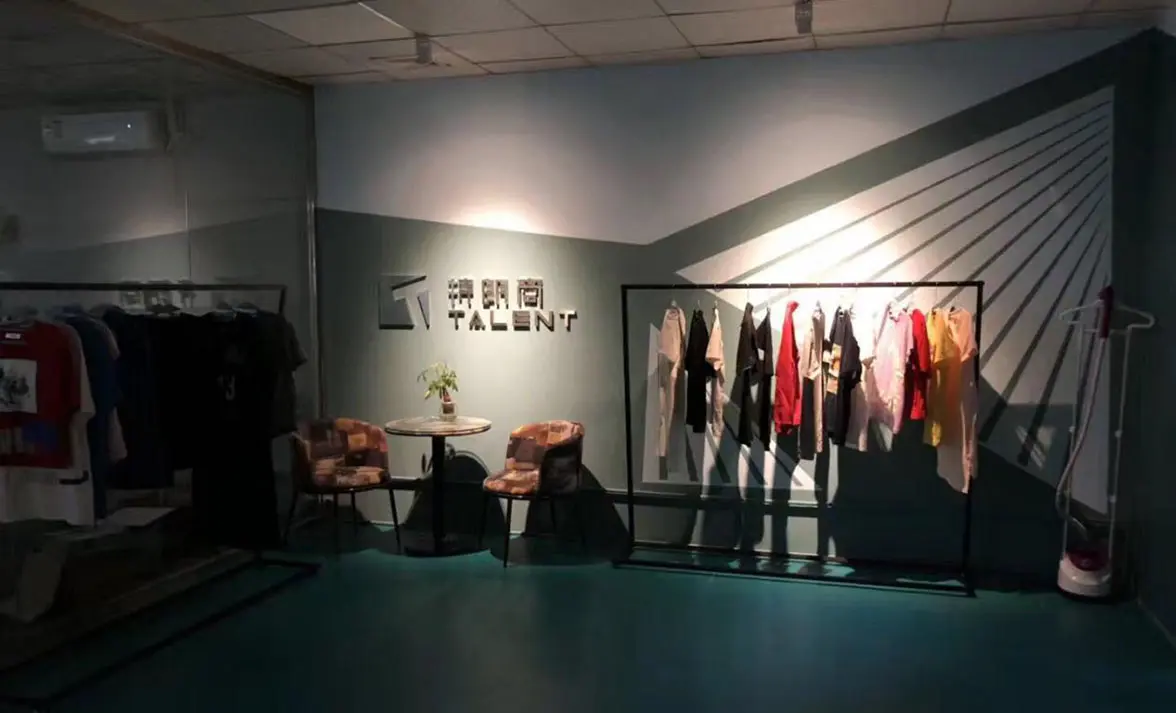
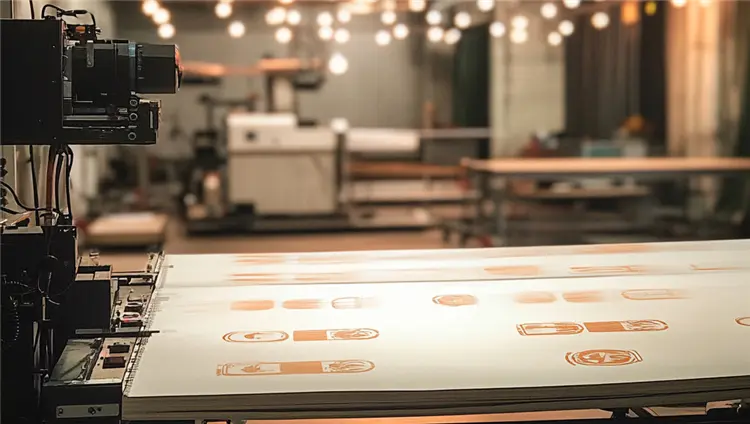
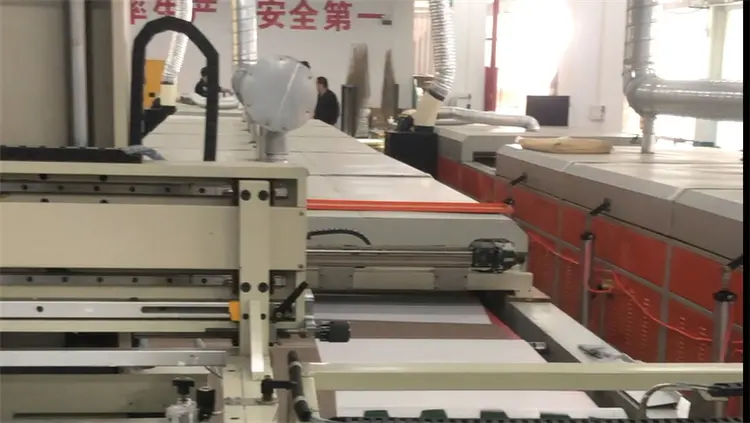
The competitive advantage of China's advanced manufacturing lies in the integration of supply chain systems, raw material accessibility, and process automation. At SZ Talent, our facility leverages high-speed automated screen-printing machines, computerized color-matching spectrophotometers, and laser precision die-cutting equipment. This automation significantly reduces mechanical variation, which is a major cause of defect rates in manual printing processes.
By producing our own TPU heat-seal films and proprietary anti-migration barrier inks domestically, we avoid the import delays and tariff dependencies that disrupt other suppliers. The resulting cost efficiency allows us to reinvest in continuous quality assurance, maintaining zero defect rates during high-volume production runs.
Discover how our customized coated fabric adhesive transfer labels perform in specific real-world industries and extreme environments.
Engineered for high-elastic fabrics such as Lycra, Spandex, and Nylon-elastane blends. Our transfer labels stretch up to 400% without cracking or losing adhesion, ensuring comfort during high-intensity athletic activities.
Applied to water-repellent canvas, TPU-coated Cordura, and heavy-duty Gore-Tex fabrics. These labels resist UV exposure, saltwater degradation, and extreme temperature variations from sub-zero to desert heat.
Flame-retardant (FR) and high-visibility reflective transfers applied to Nomex, Kevlar, and coated polyester fabrics. Capable of surviving over 50 industrial washing cycles at high temperatures (up to 75°C).
Innovations shaping the next generation of smart clothing, interactive packaging, and secure branding solutions.
Advanced charcoal-infused and synthetic polyurethane barrier layers that block sublimated polyester dyes from bleeding into white or light-colored transfers, ensuring long-term color stability.
Thermochromic (heat-sensitive) and photochromic (UV-sensitive) pigments integrated into the transfer formulation, turning labels into interactive, environmental indicators for the end-user.
Biodegradable water-based polyurethane adhesives that match the durability of traditional solvent-based chemistries while complying with ZDHC (Zero Discharge of Hazardous Chemicals) guidelines.
For global procurement managers, selecting a heat transfer supplier involves balancing raw material safety, lead-time flexibility, and technical support. When sourcing labels for coated fabrics, standard specification checklists should include:
Our factory conducts in-house verification tests on every production batch, including ISO 6330 wash testing (up to 50 cycles), AATCC crocking colorfastness, and tensile elongation stretch testing. This comprehensive quality control process ensures that bulk production orders perform identically to approved pilot prototypes.
SZ Talent is a leading company with more than ten years of experience specializing in all kinds of heat transfer labels. Our comprehensive approach combines innovation, research and development, production, sales, processes and service. We are proud of our industrial automated production lines, dedicated team of technical experts and strong management system. Our focus remains on developing innovative, environmentally friendly, functional, and fashionable heat transfer products.
We adhere to the core values of quality-oriented, integrity-based, mutual benefit, promoting innovation and ensuring long-term development. Our efforts are always focused on meeting the needs of our customers. SZ Talent is a well-known name in the industry, known for its commitment to quality, innovation and customer satisfaction. We attach great importance to research and development and continuously introduce cutting-edge products that meet the changing needs of the market. Our commitment to excellence makes us a trusted partner for businesses looking for high-quality thermal transfer labels.
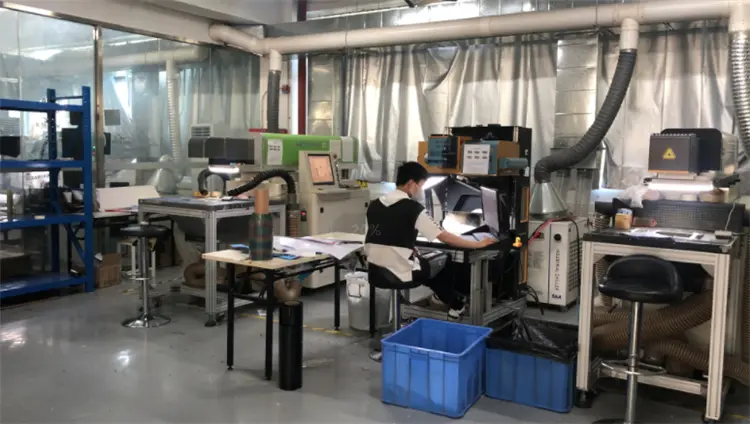
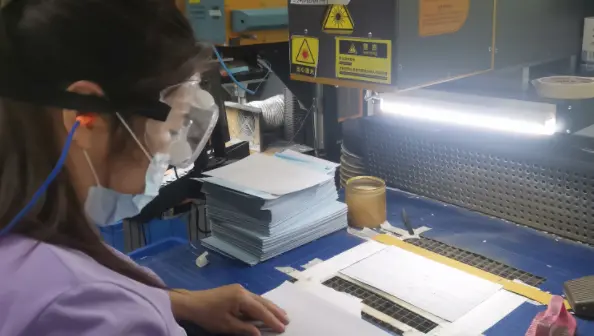
Our team is comprised of experienced professionals who are passionate about delivering exceptional service. We have a talented workforce dedicated to driving the company's growth and success. Our team members are committed to maintaining the highest quality and service standards, ensuring our customers receive the best solutions.
Over the years, we have experienced significant growth and expansion due to our unwavering commitment to excellence. We continuously invest in advanced technologies and processes to increase our production capabilities and meet our customers' growing needs. Our state-of-the-art facilities are equipped with the latest technology to ensure efficient production and high-quality output. We have made significant investments in infrastructure to create an enabling environment for innovation, research and development. Our facilities are designed to meet the highest industry standards and meet the diverse needs of our customers.
Broaden your design possibilities with our collection of interactive, tactile, and specialty metallic transfer solutions.

Detailed chemical and mechanical answers to the most common challenges in apparel branding and material adhesion.
Preventing dye migration requires using a specialized "anti-migration layer" (often charcoal or barrier-loaded polyurethanes). Lower application temperatures (130°C - 140°C) with shorter dwell times also reduce dye activation within the synthetic fibers.
Adhesive strength is evaluated using ASTM D903 peel tests or tensile testing equipment. We measure the force required to separate a 25mm wide strip of transfer film from the fabric. Ideal results show cohesive fabric failure rather than adhesive separation.
Yes. Modern cross-linking agents allow water-based polyurethane adhesives to match or exceed the durability of solvent-based alternatives. They achieve equivalent peel strength and wash resistance while meeting strict chemical regulations.
Durable Water Repellent (DWR) coatings lower the surface energy of fabrics, making chemical bonding difficult. To prevent edge lifting, we formulate our adhesives with polar functional groups that anchor to the fluorocarbon or silicone molecules of the treatment.
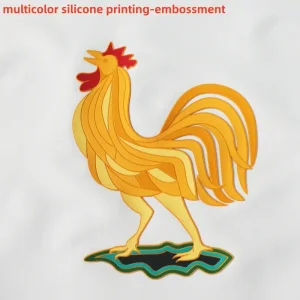
Yes, standard heat presses work, but we recommend utilizing dual-heated presses (heating plates on both top and bottom) to ensure deep thermal penetration through thick silicone structures without crushing the 3D relief detailing.
Under climate-controlled conditions (20°C - 25°C, 50% relative humidity, out of direct sunlight), our adhesive transfer labels remain fully stable and effective for 12 to 18 months without degrading the adhesive backing.
 TALENT Industrial