Discover high-performance thermal transfer solutions designed for high-tensile apparel, activewear, and anti-dye migration capabilities.
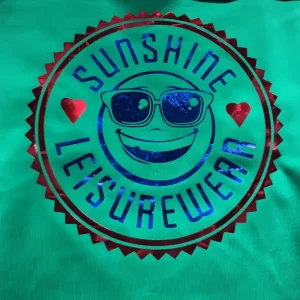




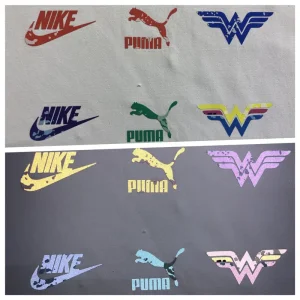
In the modern performance apparel and industrial safety garment markets, labels are no longer mere branding tools; they are functional components subject to intense physical and chemical stress. Wash-resistant reflective labels leverage high-index glass microsphere technology (refractive index $n_d \ge 1.93$) embedded in robust, heat-activated adhesive matrices. When light hits these micro-lenses, it is refracted, reflected off a metalized mirror backing, and sent back to the light source (retroreflection).
The critical performance challenge is preventing the degradation of this retroreflective coefficient ($R_A$) over repeated washing cycles. Lower-tier products suffer from glass bead loss, peeling edges, and thermal adhesive separation during high-temperature washing. Our advanced formulations employ cross-linked, thermoplastic polyurethanes (TPU) and high-density copolyester adhesives that form durable covalent bonds with fabric fibers, guaranteeing performance even under industrial laundry conditions (up to $60^\circ\text{C}$/ $140^\circ\text{F}$).
Through rigorous molecular design, these labels block dye sublimation—a common phenomenon where synthetic polyester dyes migrate into outer film layers—ensuring the reflective material retains high day/night contrast over the lifetime of the garment.
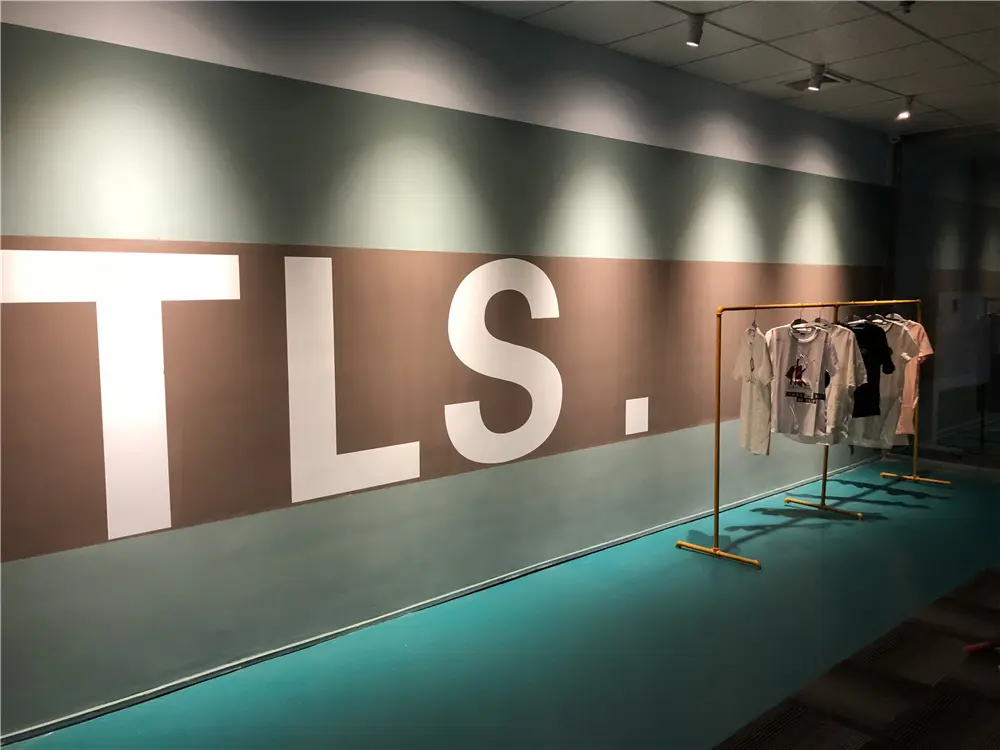
Why global brands and high-volume apparel procurement officers partner with Chinese manufacturing hubs like SZ Talent for high-performance safety materials.
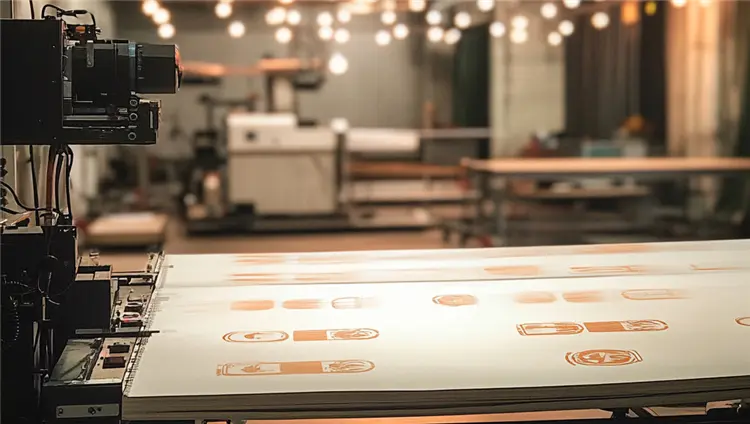
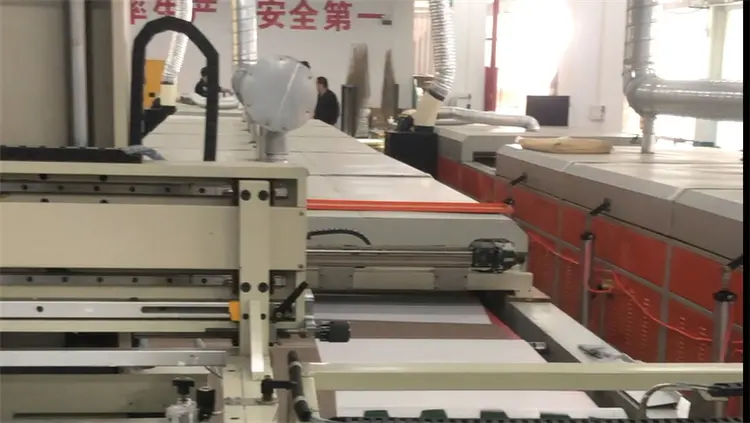
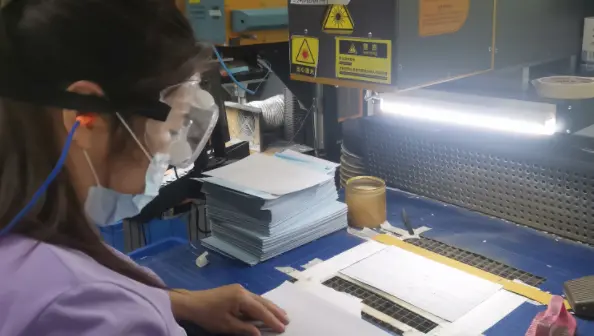
Chinese facilities leverage continuous, high-speed automated roll coating and precision laser plotting. This system minimizes human error, controls dry thickness to a tolerance of ±2μm, and ensures uniform heat transfer application across millions of units.
By positioning manufacturing within proximity to major petrochemical and synthetic textile hubs, factories secure direct access to proprietary TPU resins and glass bead suppliers. This reduces logistics costs and shortens prototyping cycles from weeks to days.
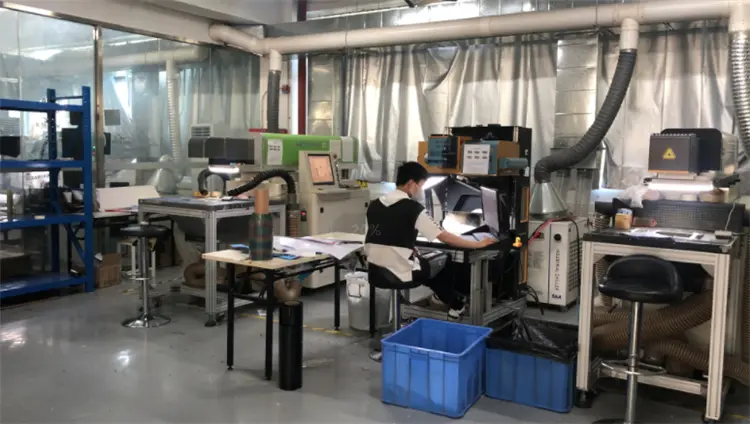
Leading Chinese exporters maintain in-house environmental chambers, tensile strength testers, and optical darkrooms. This hardware tests batches against ISO 6330 (domestic washing) and ISO 15797 (industrial laundering) protocols prior to customs export clearance.
The shift toward eco-compliance, smart wearables, and advanced adhesives in international supply chains.
As brands align with ESG targets, the demand for water-based, solvent-free hot-melt films is rising. Modern reflective transfers feature eco-friendly backings that align with OEKO-TEX Standard 100 Class I for infant apparel.
Modern dye sublimation can compromise visual layouts. New labels integrate a barrier layer that stops dye migration on elastic performance fabrics, maintaining clarity even under high transfer temperatures.
Next-generation microprismatic transfers adjust reflectiveness to varying angles of illumination, keeping the wearer visible during complex motions in low-light environments.
Optimized safety labels tailored to meet the demanding requirements of various end-user applications.
Athletic wear demands labels that stretch and recover without cracking. Utilizing highly elastic TPU adhesive bases allows our labels to expand alongside spandex blends, providing reliable reflectiveness for night runners and cyclists.
Industrial workwear requires flame retardancy, chemical resistance, and high reflectivity. Engineered to meet safety standards like EN ISO 20471 and ANSI/ISEA 107, our labels keep operators visible on high-risk job sites.
Gig-economy couriers and logistics workers require durable, high-visibility clothing. Our wash-resistant reflective films are optimized to withstand heavy abrasion and varying weather conditions, protecting staff through long delivery shifts.
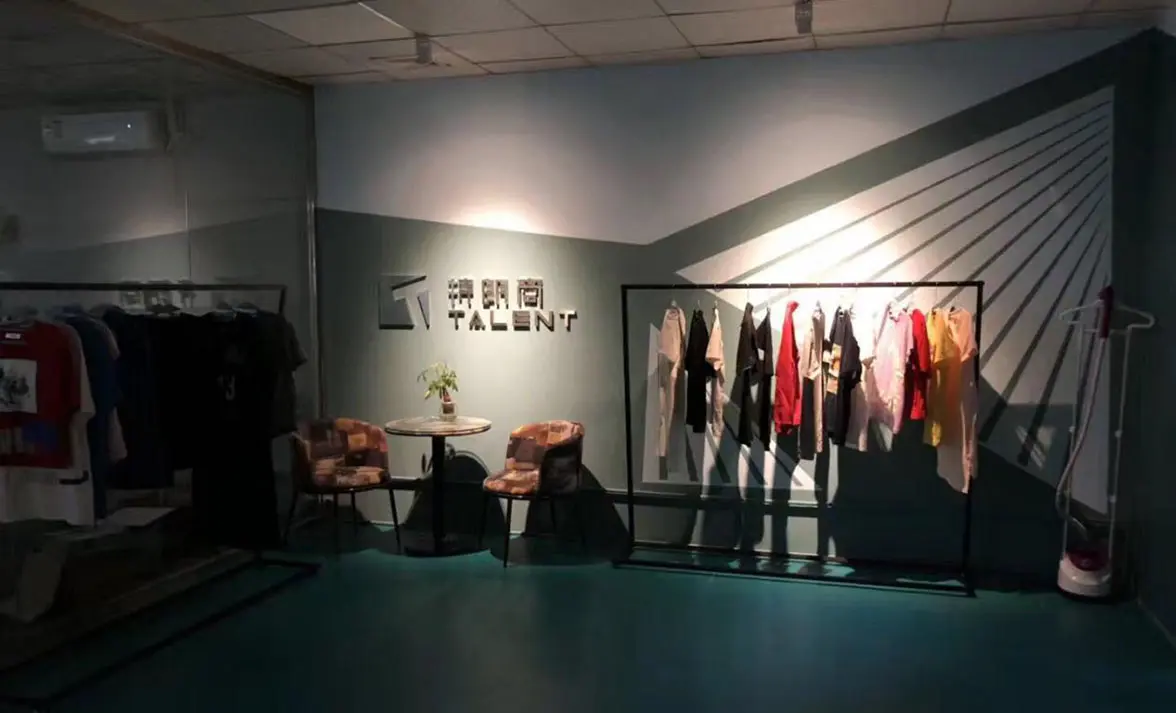
SZ Talent is a leading company with more than ten years of experience specializing in all kinds of heat transfer labels. Our comprehensive approach combines innovation, research and development, production, sales, processes and service. We are proud of our industrial automated production lines, dedicated team of technical experts and strong management system. Our focus remains on developing innovative, environmentally friendly, functional, and fashionable heat transfer products.
We adhere to the core values of quality-oriented, integrity-based, mutual benefit, promoting innovation and ensuring long-term development. Our efforts are always focused on meeting the needs of our customers. SZ Talent is a well-known name in the industry, known for its commitment to quality, innovation and customer satisfaction. We attach great importance to research and development and continuously introduce cutting-edge products that meet the changing needs of the market.
Our team is comprised of experienced professionals who are passionate about delivering exceptional service. We have a talented workforce dedicated to driving the company's growth and success. Our team members are committed to maintaining the highest quality and service standards, ensuring our customers receive the best solutions.
Over the years, we have experienced significant growth and expansion due to our unwavering commitment to excellence. We continuously invest in advanced technologies and processes to increase our production capabilities and meet our customers' growing needs. Our continued growth is a testament to our commitment to providing exceptional products and services.
Our state-of-the-art facilities are equipped with the latest technology to ensure efficient production and high-quality output. We have made significant investments in infrastructure to create an enabling environment for innovation, research and development. Our facilities are designed to meet the highest industry standards and meet the diverse needs of our customers.
Answers to common industry questions regarding application parameters, wash metrics, and global logistics.
Explore our wider range of high-visibility, glitter, and multi-process embellishments for high-volume manufacturing.


 TALENT Industrial