Explore our industrial-grade textured surface transfers engineered for exceptional durability, washing resistance, and high tactile definition.
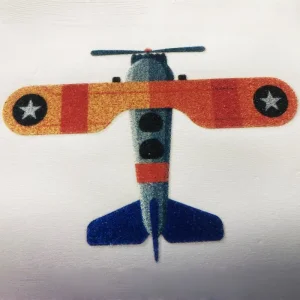

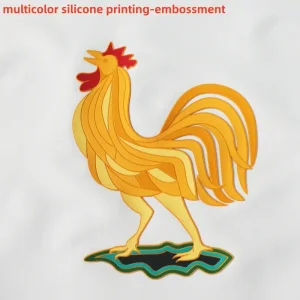
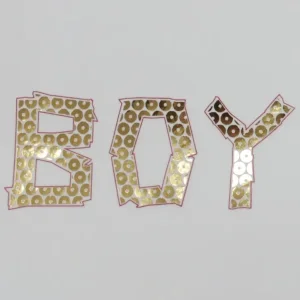
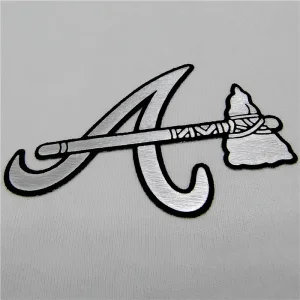
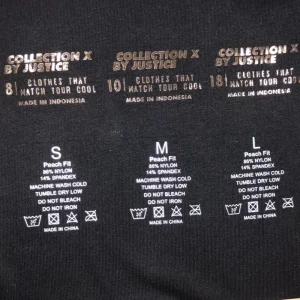
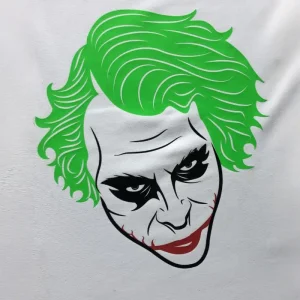
In modern branding, flat 2D screen prints are rapidly being replaced by premium 3D dimensional embellishments. Textured Surface Transfers represent the peak of apparel branding, blending tactile aesthetics with extreme physical durability. Major global segments, including high-performance sportswear, luxury streetwear, automotive interiors, and protective industrial gear, leverage these dimensional labels to establish authentic, premium touchpoints.
By incorporating technologies such as micro-glass caviar beads, high-density cured silicone, micro-optical lenticular layers, and laser-precise puff polyurethane, manufacturers are delivering sensory visual-tactile experiences. These transfers are not only aesthetically superior but are engineered to meet stringent ecological certifications like OEKO-TEX Standard 100, alongside rigorous retail wash cycle audits (typically exceeding 50 cycles at 40°C).
A trusted leader in premium heat transfer technologies, integrating research, automated manufacturing, and global logistics.
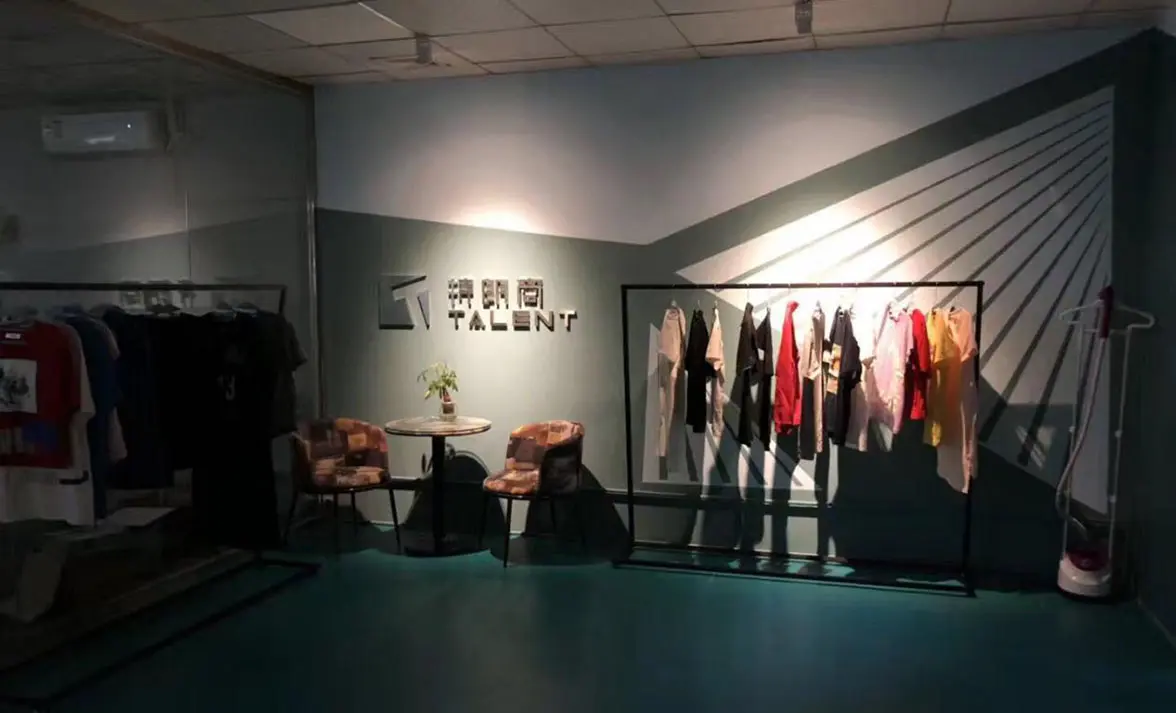
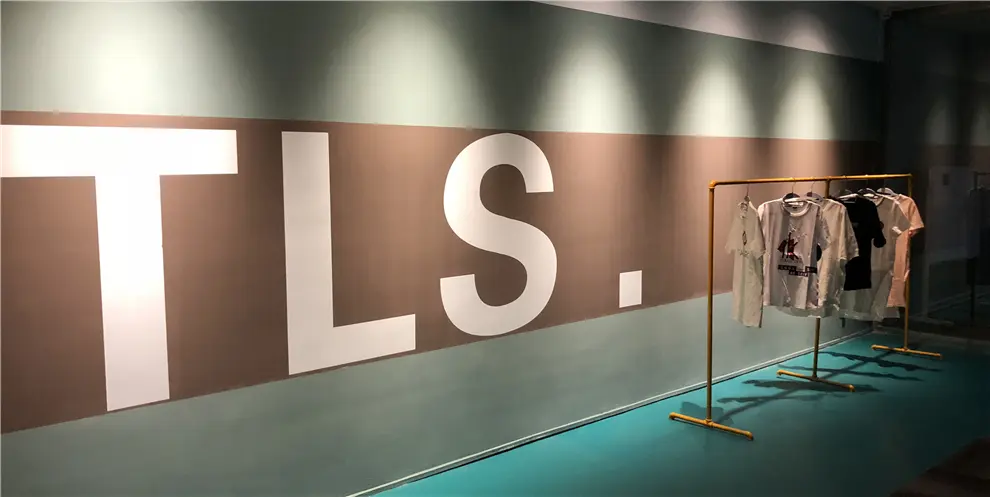
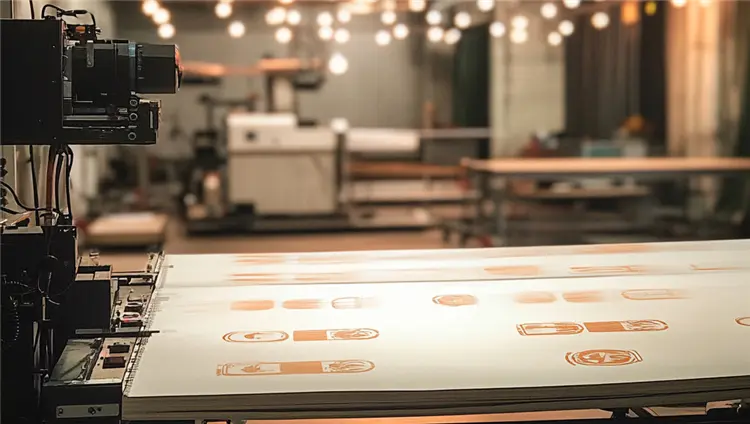
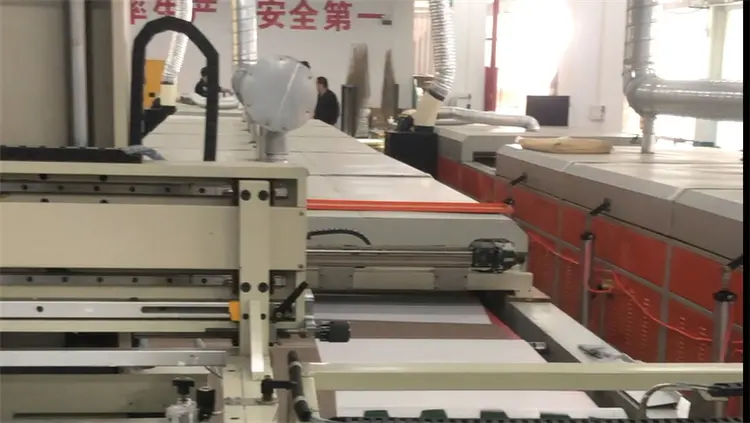
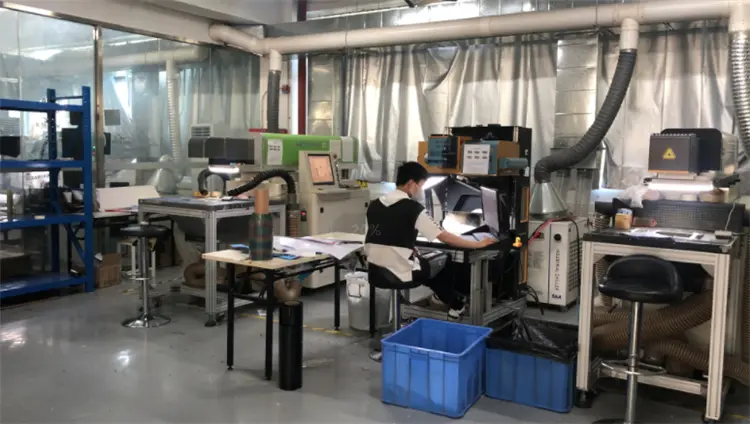
SZ Talent is a leading company with more than ten years of experience specializing in all kinds of heat transfer labels. Our comprehensive approach combines innovation, research and development, production, sales, processes and service. We are proud of our industrial automated production lines, dedicated team of technical experts and strong management system. Our focus remains on developing innovative, environmentally friendly, functional, and fashionable heat transfer products.
We adhere to the core values of quality-oriented, integrity-based, mutual benefit, promoting innovation and ensuring long-term development. Our efforts are always focused on meeting the needs of our customers. Our state-of-the-art facilities are equipped with the latest technology to ensure efficient production and high-quality output. We have made significant investments in infrastructure to create an enabling environment for innovation, research and development. Our facilities are designed to meet the highest industry standards and meet the diverse needs of our customers.
Our team is comprised of experienced professionals who are passionate about delivering exceptional service. We have a talented workforce dedicated to driving the company's growth and success. Our team members are committed to maintaining the highest quality and service standards, ensuring our customers receive the best solutions.
Over the years, we have experienced significant growth and expansion due to our unwavering commitment to excellence. We continuously invest in advanced technologies and processes to increase our production capabilities and meet our customers' growing needs. Our continued growth is a testament to our commitment to providing exceptional products and services.
Analyzing the strategic and logistical frameworks that make China suppliers the premier choice for large-scale global apparel brands.
Our facility is situated at the heart of South China's specialized chemical and textile clusters. This provides rapid, raw material sourcing access to high-grade silicones, micro-glass beads, backing adhesives, and technical inks, reducing pre-production lead times to just 3–5 days.
Transitioning from manual screen setups to computerized roll-to-roll silkscreen machinery and automatic micro-injection vulcanizers allows us to run continuous shifts. This ensures uniform thickness, precise 3D edge definitions, and consistent batch runs.
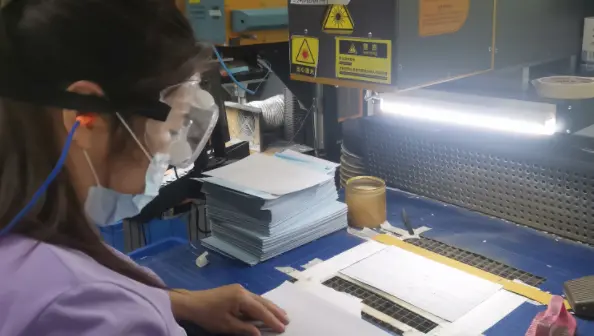
Every production batch undergoes strict evaluation. Automated visual sorting tables scan for minor bead defects, bubble inclusions, or alignment variations. Physical stress testing includes continuous heat press simulations and standard washing chamber cycles.
Understanding which textured transfer technologies suit your target fabrics, wash standards, and graphic requirements.
| Transfer Class | Key Raw Materials | Tactile Profile | Ideal Fabric Pairings | Typical Applications |
|---|---|---|---|---|
| Caviar Bead Transfers | 0.6-0.8mm Micro-Glass Beads, Heat-Activated PU Adhesives | Granular, sparkling, rough-textured premium feel | Cotton blends, heavy fleece, denim, polyester knits | High-end lifestyle apparel logos, chest designs, retail accessories |
| 3D Molded Silicone | Liquid Cured Organosilicon Polymers, TPU Backing | Rubbery, elastic, raised 3D profiles (0.5mm to 2mm) | Polyester-spandex, nylon, compression wear, softshell jackets | Sportswear branding, performance activewear, sleeve badges |
| Lenticular Silicone Patches | Micro-prism optics, semi-rigid translucent silicone base | Ribbed lens feel, dynamic 2-image animation or depth effect | Technical canvas, outerwear fabrics, structured knitwear | Interactive branding, gaming merchandise, collector streetwear |
| Puff Foam (Laser-Cut) | Polyurethane foaming inks, heat-sensitive blowing agents | Soft, sponge-like matte 3D structure, clean laser-cut perimeter | Cotton jersey, organic blends, classic hoodies | Retro lifestyle aesthetics, children's wear, casual loungewear |
| Multi-Technique Layered | Integrated silicone, metallic foil overlay, flocking fibers | Multi-textured surface variation, complex tactile transitions | Structured twills, performance outerwear, tech vests | Complex brand shields, limited edition labels, military-style patches |
Securing an indestructible bond between the textured transfer and your target substrate requires precise calibration. Unlike standard flat prints, 3D structures like silicone or glass beads act as heat buffers. For optimal results, production managers should refer to the following parameters during application:
For global procurement managers, purchasing textured transfers is a balancing act of unit cost, tooling expenses, and performance metrics. When negotiating quotes with China factories, providing clear technical specifications ensures accurate pricing and eliminates sample revision cycles.
Always specify the exact vector artwork dimensions, preferred height of the 3D relief (e.g., 0.8mm silicone profile), backing type (heat press or pressure-sensitive adhesive), and the target substrate properties (e.g., 100% polyester with DWR water-repellent coating). For outdoor gear, requesting silicone patches with sub-layer block-out film is key to preventing dye migration from synthetic fabrics.
The industry is shifting toward sustainability and interactive styling. We are actively developing recycled PET backing films and eco-friendly silicones derived from bio-based feedstocks. Additionally, smart color-shifting heat transfers (UV and thermochromic reactive polymers) are seeing growing adoption in streetwear and outdoor gear, offering a dynamic visual shift when exposed to sunlight or heat.
Ensure lines are clean and the minimum stroke weight is at least 0.5mm. This allows silicone or caviar beads to fill the mold channels properly.
Different fabrics require tailored adhesive backings. Standard fabrics use PU adhesives, whereas waterproof coatings require specialty co-polyester formulations.
Align on testing expectations prior to production: target wash temperatures, colorfastness grades, and chemical restriction lists (RSL).
Detailed technical advice addressing the most common design, application, and quality questions from global procurement specialists.
Further selections showcasing multi-layered appliques, reflective elements, glow-in-the-dark structures, and technical size labeling.
 TALENT Industrial