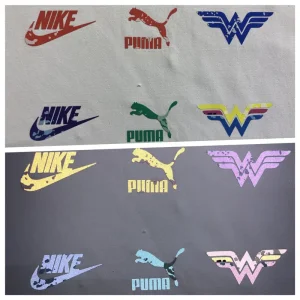
Explore our premium grade reflective transfers, customized optics, and technical patches engineered for modern apparel brands.
In modern technical apparel manufacturing, reflective transfers have transitioned from simple regulatory safety highlights to key pillars of functional brand identity. The combination of Liquid Silicone Rubber (LSR) with micro-glass bead technology has created a class of products that offer exceptional durability, high luminosity, and elasticity. Globally, performance brands require heat transfers that resist rigorous industrial washing tests while conforming to the soft drape of synthetic, high-stretch activewear.
Historically, PU (Polyurethane) and TPU based reflective films suffered from localized cracking, premature oxidation, and poor thermal performance when heat pressed onto synthetic blends. Silicone reflective transfers solve these limitations. Because silicone possesses an inorganic backbone of alternating silicon and oxygen atoms (Si-O-Si), it exhibits high thermal resistance, weatherability, and chemical inertness. When combined with retroreflective micro-beads, this yields a transfer with high nighttime visibility (>400 cd/lx/m²) that remains intact through repeated stretch cycles and high-temperature cleaning.
Utilizes precision-engineered glass micro-spheres with a refractive index of ≥1.93. The beads are embedded in a colored silicone matrix to maximize retroreflection, ensuring return-light efficiency even under acute viewing angles.
Unlike PU/PVC transfers, silicone boasts an elongation threshold of over 300%. The thermal-elastic memory ensures the design returns to its original dimensions without micro-tearing or structural delamination.
Silicone is a naturally inert compound that does not require plasticizers or toxic cross-linkers. Compliant with OEKO-TEX Standard 100 Class I (safe for infants) and REACH requirements.
Sourcing premium raw materials requires balancing performance requirements with cost-efficiency. In the silicone heat transfer market, purchasing managers face challenges related to chemical compatibility (such as dye migration on polyester fabrics) and balancing bulk-order lead times. Understanding the key factors in supplier quoting is essential to avoiding delays and ensuring product performance.
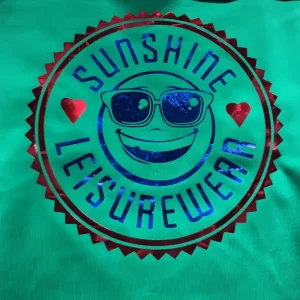
When requesting quotes for custom 3D silicone patches, thermochromic graphic panels, or color-shift reflective decals, the final pricing depends on several core variables:
To ensure accurate quotes and avoid production issues, sourcing teams should provide suppliers with:
SZ Talent is a leading company with more than ten years of experience specializing in all kinds of heat transfer labels. Our comprehensive approach combines innovation, research and development, production, sales, processes, and service. We are proud of our industrial automated production lines, dedicated team of technical experts, and strong management system. Our focus remains on developing innovative, environmentally friendly, functional, and fashionable heat transfer products. We adhere to the core values of quality-oriented, integrity-based, mutual benefit, promoting innovation, and ensuring long-term development. Our efforts are always focused on meeting the needs of our customers.
SZ Talent is a well-known name in the industry, known for its commitment to quality, innovation, and customer satisfaction. We attach great importance to research and development and continuously introduce cutting-edge products that meet the changing needs of the market. Our commitment to excellence makes us a trusted partner for businesses looking for high-quality thermal transfer labels.
By investing in advanced automation, our screen-printing, molding, and high-frequency embossing systems maintain tight dimensional tolerances, allowing us to supply large-scale production orders while maintaining consistent product quality.
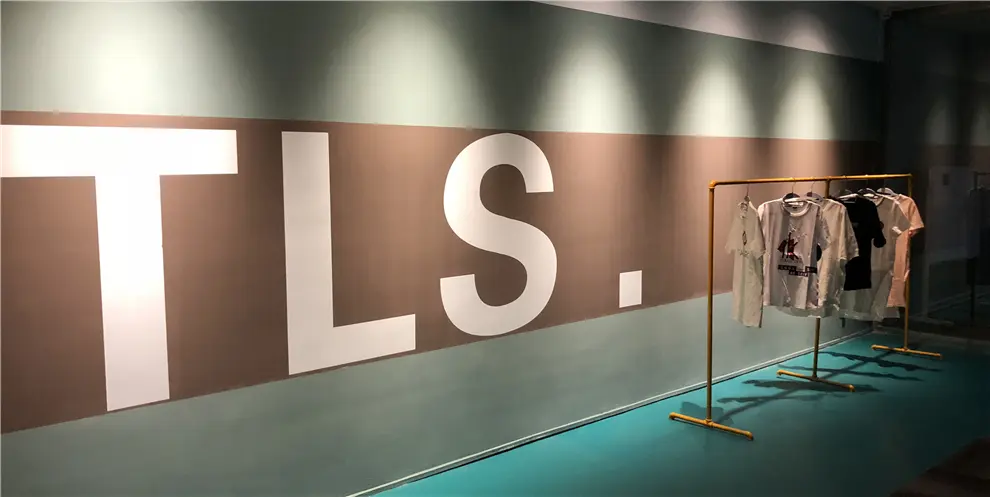
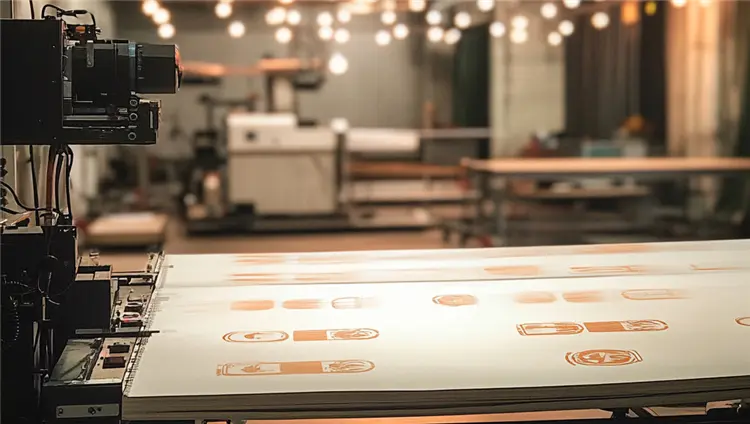
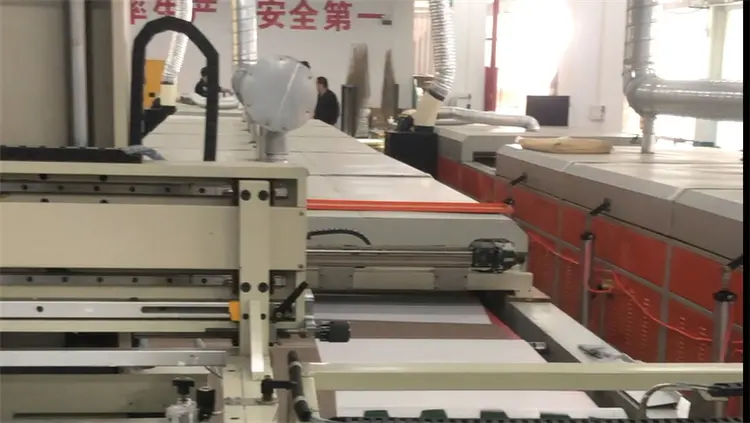
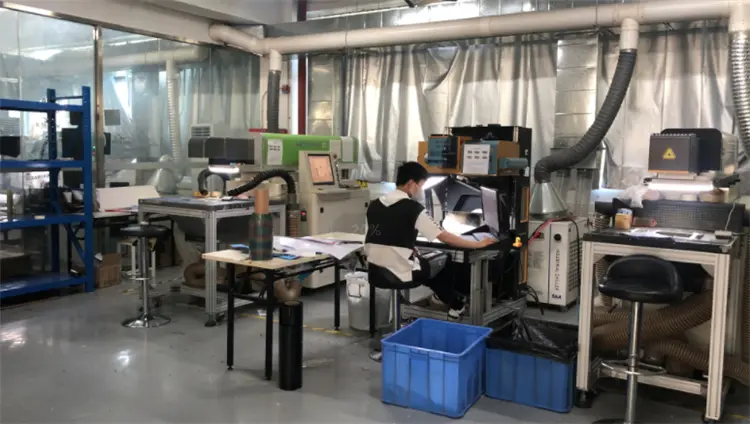
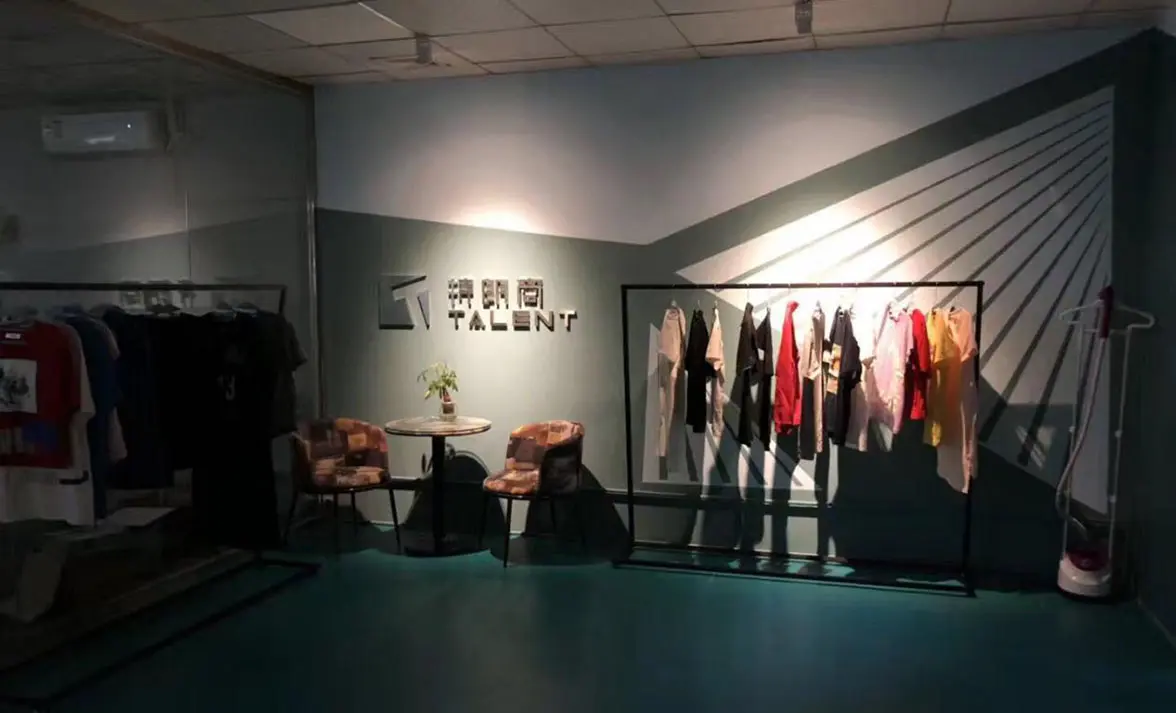
Our team is comprised of experienced professionals who are passionate about delivering exceptional service. We have a talented workforce dedicated to driving the company's growth and success. Our team members are committed to maintaining the highest quality and service standards, ensuring our customers receive the best solutions.
Over the years, we have experienced significant growth and expansion due to our unwavering commitment to excellence. We continuously invest in advanced technologies and processes to increase our production capabilities and meet our customers' growing needs. Our continued growth is a testament to our commitment to providing exceptional products and services.
Our state-of-the-art facilities are equipped with the latest technology to ensure efficient production and high-quality output. We have made significant investments in infrastructure to create an enabling environment for innovation, research and development. Our facilities are designed to meet the highest industry standards and meet the diverse needs of our customers.
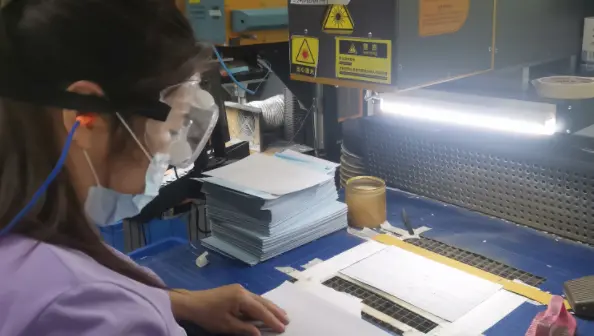
The modern apparel industry demands more than static visual elements. Reflective transfers are now integrated with other physical effects, creating multi-dimensional graphics that respond to environmental changes.
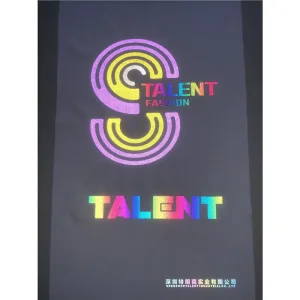
By integrating micro-prismatic optical layers, color-shift transfers change color based on the viewing angle and light conditions. This technology is commonly used in running gear, high-end lifestyle apparel, and premium logos where both daytime aesthetics and nighttime safety are required.
Lenticular optics combined with molded silicone provide interactive, moving graphics. These multi-phase designs display different messages or logos when viewed from different angles, creating a unique visual experience without added bulk.
Sublimation dyestuffs on polyester and blended fabrics often bleed into heat transfers during thermal application or storage. Our migration-proof transfers utilize a composite barrier layer containing activated charcoal compounds. This layer traps migrating gaseous dyes, protecting the brightness of white and reflective graphics.
Luminous patches utilize long-afterglow strontium aluminate crystals embedded within the silicone formulation. These phosphorescent pigments store light energy and release it as a sustained green or blue glow in low-light environments.
As environmental regulations tighten globally, compliance is essential for international brands. Key safety standards include:
"The migration from heavy metals and phthalates toward biocompatible alternatives is no longer just a trend—it is a critical requirement for global market entry."
Certified safe for prolonged direct skin contact, including infant and toddler apparel. Our raw silicone bases are thoroughly tested to confirm they are free from formaldehyde, heavy metals, and chlorinated phenols.
Evaluated to survive more than 50 standard home laundering cycles at 60°C. Reflective properties are maintained above 330 cd/lx/m² even after multiple wash cycles, meeting safety standards for protective workwear.
Our formulations are free from Substances of Very High Concern (SVHC) as outlined by the European Chemicals Agency, including alkylphenol ethoxylates (APEO) and phthalate plasticizers.
We are continually researching new materials and production methods. The future of silicone heat transfers involves integrating smart elements and bio-based carriers:
Developing reflective surfaces that dynamically adjust their light return properties in response to humidity, ambient temperature, or electrical currents.
Transitioning to compostable plant-derived carrier liners to reduce plastic waste on high-volume production lines.
Formulating eco-friendly, water-reducible silicone inks that cure at lower temperatures to protect delicate, heat-sensitive fabrics.
Find answers to common technical, shipping, and application questions below:
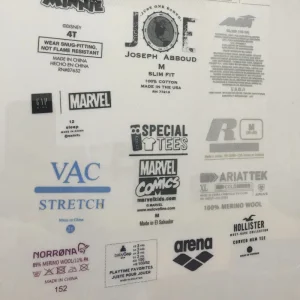
Browse our selection of hot-melt transfer labels, appliques, and temperature-sensitive solutions for high-volume apparel manufacturing.
 TALENT Industrial