Whitepaper & Industrial Catalog

Buy Reflective Surface Effects Products & Service

High-Visibility retroreflective materials, 3D molded silicone interfaces, and advanced photoluminescent technology engineered for global apparel and technical equipment manufacturing.

TECHNICAL WHITEPAPER

Physics, Optics, & Chemistry of Reflective Surface Effects

An in-depth analysis of retroreflection mechanics, polymer compatibility, and durability criteria in high-performance branding applications.

Retroreflective Mechanics

Unlike diffuse or specular reflection, modern reflective surfaces utilize high-refractive-index glass micro-beads (refractive index ≥ 1.93) or micro-prismatic structures. When light strikes these structures, it is refracted, reflected off the back surface of the bead, and refracted again back toward the original light source, providing unparalleled safety and visual prominence.

TPU Thermoplastic Adhesion

Our reflective heat transfers are engineered using advanced Thermoplastic Polyurethane (TPU) adhesive layers. During the heat pressing cycle, these adhesives liquify to penetrate deep into fabric fibers. Upon cooling, they recrystallize to form a high-shear molecular bond, preventing edge lifting, peeling, or cracking under mechanical stress.

Lenticular & Holographic Integration

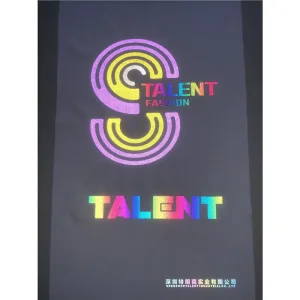
For high-end branding demands, we integrate micro-lenticular optical grids with 3D silicone molding. By altering the viewing angle, the light path changes, producing a dynamic 3-dimensional animation or multi-colored holographic shift. This acts as both a visual signature for premium brands and an anti-counterfeiting measure.

GLOBAL INDUSTRY DEMAND

Enterprise Sourcing & Procurement Optimization

For international apparel companies, workwear contractors, and outdoor equipment OEM brands, sourcing reflective embellishments requires strict adherence to technical parameters. Quality control managers focus heavily on wash durability (ISO 6330), retroreflection values (RA in cd/lx/m²), and environmental certifications like OEKO-TEX Standard 100.

SZ Talent provides a fully integrated ecosystem designed to mitigate procurement risks:
  • Automated Production Scaling: Capacity to generate over 500,000 components per week with uniform density and precision color output.
  • Raw Material Traceability: Every batch of TPU, high-index glass beads, and organic color pigments comes with validated safety data sheets (SDS) and REACH compliance declarations.
  • Custom Tooling Services: CNC-machined brass mold tooling for 3D silicone structures, ensuring razor-sharp definition down to 0.1mm micro-lines.
Reflective Surface Effects Quality Inspections

SZ Talent Manufacturing Credentials & Key Metrics

A statistical overview of our operational capabilities and quality standards established over a decade of industry leadership.

10+
Years Industry Experience
>500cd
Reflection Intensity (RA)
50+
Standard Domestic Washes (60°C)
100%
OEKO-TEX Certified Ingredients

Company Profile & Technical Capabilities

SZ Talent is a well-known name in the industry, recognized for its commitment to quality, innovation, and global customer satisfaction.
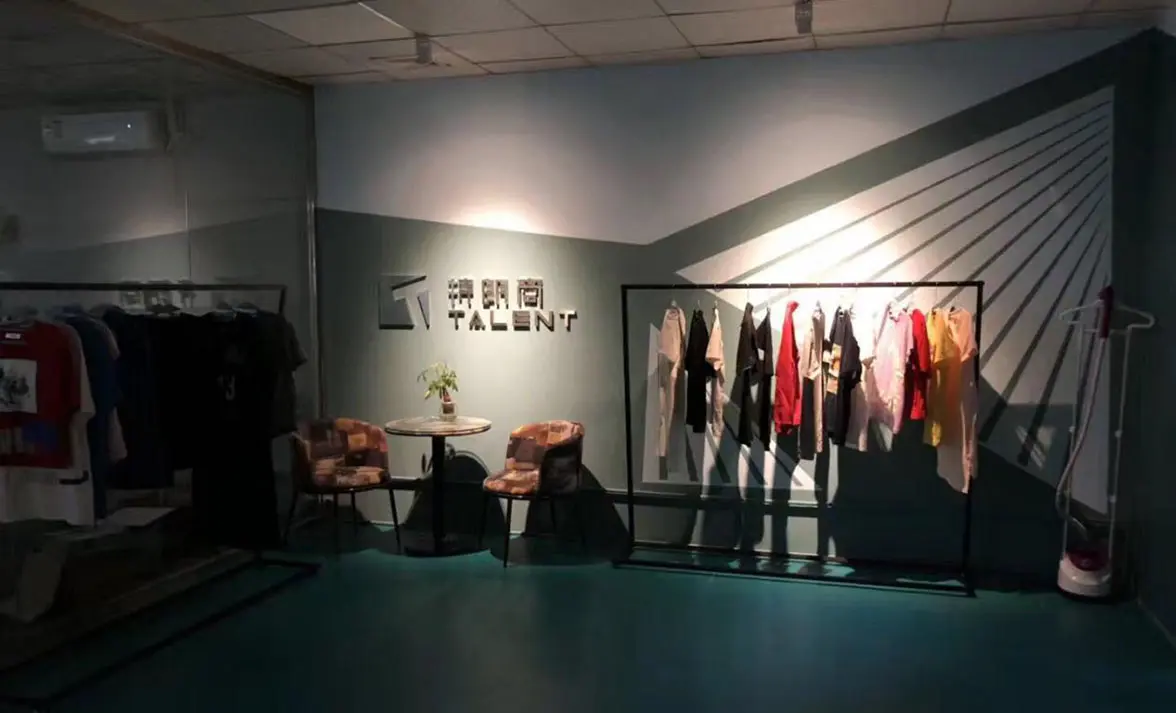
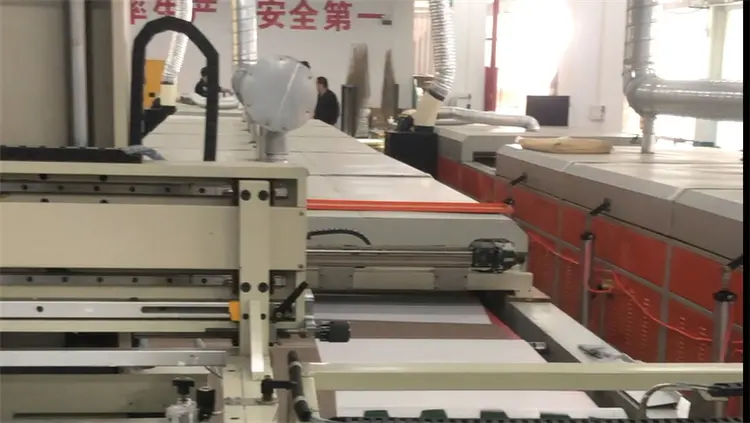
Automated screen printing and heat transfer manufacturing lines

Our Strategic Vision

Our comprehensive approach combines innovation, research and development, production, sales, processes, and post-sales technical service. We are proud of our industrial automated production lines, dedicated team of technical experts, and strong management systems.

We adhere to the core values of quality-oriented, integrity-based, mutual benefit, promoting innovation, and ensuring long-term development. Our efforts are always focused on meeting the technical and functional needs of our customers.

By investing heavily in advanced spectrophotometers and tensile strength testers, we ensure our thermal transfers survive the lifetime of the substrate garment.

State-of-the-Art Facilities & Production Scale

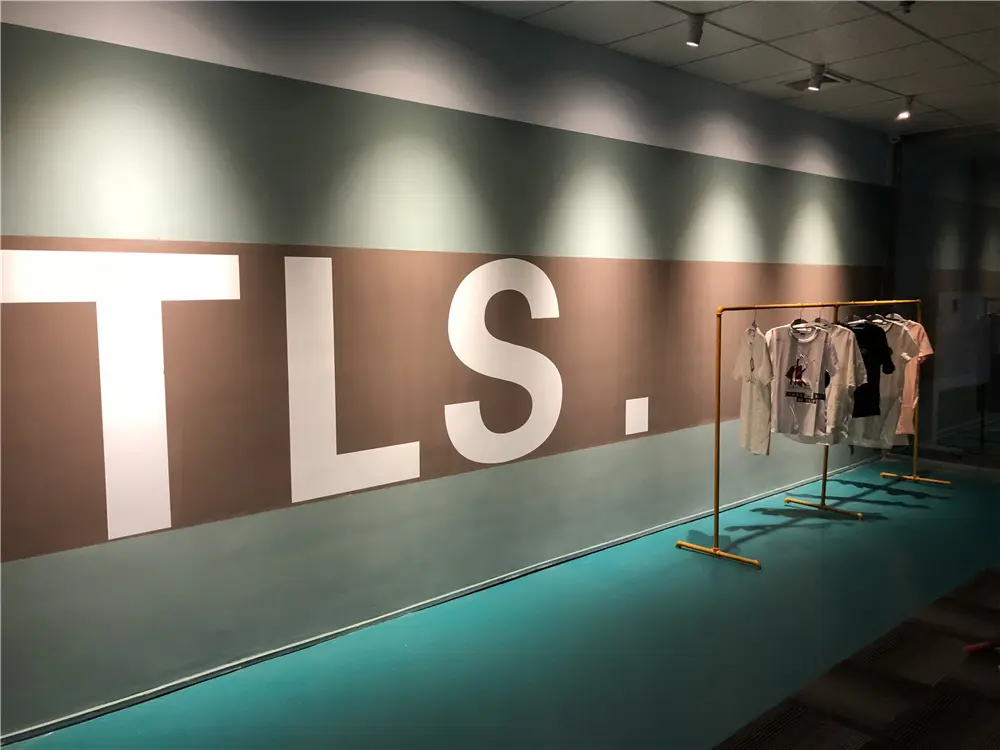
Our manufacturing complex is equipped with state-of-the-art facilities that run automated roll-to-roll screen printing machinery, digital hybrid offset printing units, and high-frequency silicone injection molds. This advanced infrastructure enables us to achieve high-precision tolerances and continuous output quality.

We have made significant investments in infrastructure to create an enabling environment for innovation, research, and development. Our facilities are designed to meet the highest industry standards, catering to the diverse and complex technical requirements of our global customers.

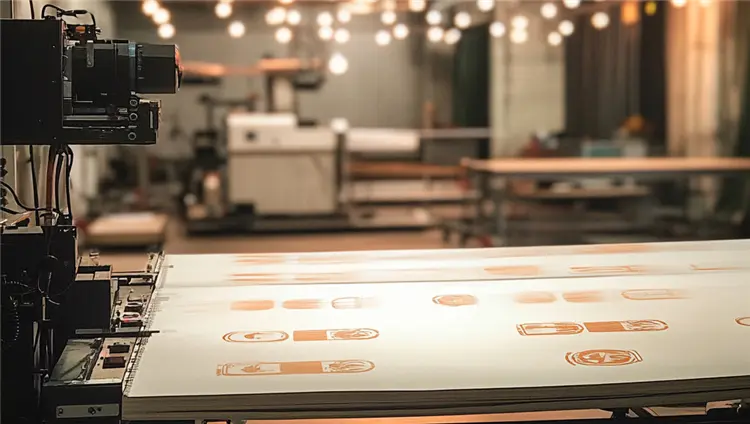
SZ Talent Production Facility Equipment

Industrial Facility Gallery

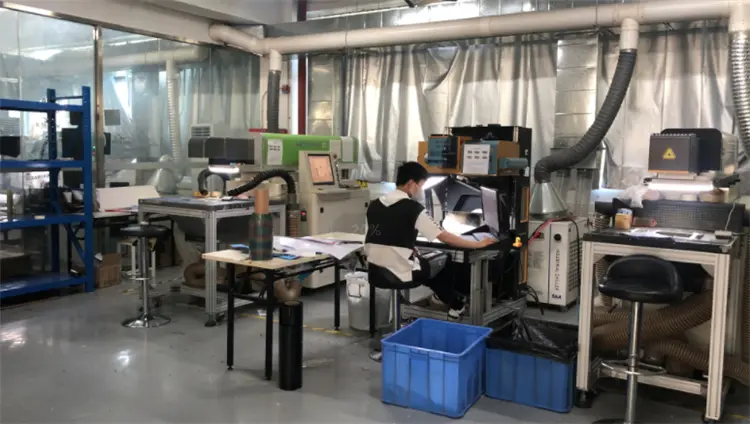
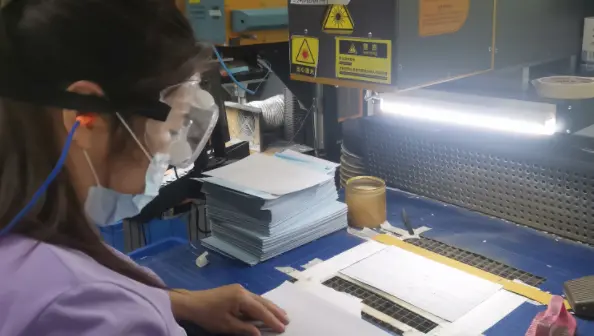
Quality Inspection Department
Automated Processing Equipment
Raw Material Storage and Mixing
Final Packaging and Quality Control

Reflective Technology & Material Science Roadmap

A forward-looking projection detailing our upcoming innovations in sustainable raw materials, active optical effects, and smart textiles integration.

Phase I
Water-Based Eco Coatings
Phasing out organic solvents completely by transitioning to high-solid water-based polyurethane carrier matrices, offering identical durability but 90% fewer VOC emissions.
Phase II
Dynamic UV Photochromics
Commercialization of dual-response prints that change background hue under sunlight (UV exposure) while maintaining retroreflective values for evening use.
Phase III
Biodegradable Adhesives
Developing bio-synthesized hot-melt powder layers that dissolve at end-of-life under industrial composting environments, supporting global apparel circularity goals.
Phase IV
Smart Wearable Sensors
Embedding microscopic RFID chips and conductive inks inside multi-layer silicone patches to merge brand identification, anti-counterfeit protocols, and active electronics.

Global Standards & Compliance Guide

We build our reflective and tactile transfer components to meet the requirements of international consumer safety and visibility regulations.

High-Visibility Safety

Our reflective transfers meet EN ISO 20471 (Class 1, 2, and 3 high-visibility clothing standards) and ANSI/ISEA 107. They are tested for minimum retroreflective coefficients under multiple rain and low-temperature cycles.

Chemical Ecology

Certified to OEKO-TEX Standard 100, Class I (safe for infant garments). Free from restricted phthalates, lead, heavy metals, organotin compounds, and formaldehyde, ensuring full compliance with REACH and US CPSIA regulations.

Adhesive Durability

Evaluated under standard industrial testing matrices: peel adhesion at 180 degrees (ASTM D903), dry cleaning cycles up to 25 cycles (ISO 3175), and flex resistance at temperatures down to -15°C.

Expert Procurement & Engineering Q&A

Addressing the technical, logistics, and production questions raised by factory managers and purchasing directors.

What parameters govern the lifetime retroreflection coefficients (RA) of heat-transferred patches?
The longevity of retroreflection is primary determined by two variables: glass bead anchoring and surface abrasion. During laundry cycles, chemical detergents can degrade the polymer backing that secures the glass micro-beads. We solve this by implementing cross-linked polyurethane backing resins that trap the micro-beads over 50 washing cycles. Normal retroreflection levels stay above 350 cd/(lx·m²), well exceeding safety minimums.
How do you resolve design peeling issues on technical water-repellent fabrics?
Fabrics treated with Durable Water Repellent (DWR) silicone or fluorocarbon coatings reject standard polyurethane hot-melt films. For these technical fabrics, we formulate special hydrophobic-barrier adhesives (like our Coating-Grip Heat Transfer Patch) which bond directly beneath DWR coatings without requiring pre-washing or chemical stripping of the fabric base.
What are the exact heat press parameters recommended for production line workers?
For standard 3D silicone and reflective film products: Heat press temperature should sit at 140°C - 150°C (284°F - 302°F), with line pressure set between 3.0 to 4.0 kg/cm² (40-60 psi), and dwell time for 12 to 15 seconds. For complex structures, we suggest bottom-platen heating or using protective PTFE sheets to prevent distortion of the dimensional relief.
What is the minimum order quantity (MOQ) for custom color-matched reflective heat transfers?
Our standard factory MOQ starts at 1,000 pieces per design for custom physical sizes. For special color-matching request utilizing the Pantone Matching System (PMS) on reflective film backdrops, we maintain a baseline run of 2,000 pieces to ensure print consistency and setup control.
Are holographic and lenticular silicone patches resistant to extreme industrial laundry processes?
Our lenticular and holographic 3D silicone components are tested for commercial dry cleaning and laundry cycles up to 60°C. Due to the precision optical properties of lenticular ridges, we recommend line dry settings rather than high-temperature commercial tumble drying to extend optical alignment and depth fidelity.
How does the UV color-changing heat transfer function dynamically?
These labels contain micro-encapsulated organic photochromic dyes. In indoor environments, these dyes remain transparent or display a faint baseline color. When exposed to ultraviolet radiation (specifically daylight UVA wavelengths), the chemical molecular shape undergoes an active transformation, shifting color structure dynamically within 3-5 seconds. The effect reverts when moved away from sunlight.
What steps are taken to prevent dye sublimation migration from polyester fabrics?
Polyester dyes are highly prone to sublimation, migrating into white or pale transfers when subjected to high heating cycles. To solve this, we add a solid black activated carbon block-out layer between the TPU adhesive and the color face. This migration barrier stops the gaseous dye molecules from traveling upwards, maintaining raw colors permanently.
What lead times should international enterprise buyers expect for custom mold runs?
Standard design mock-up validation takes 3 to 5 working days. Once digital files are approved, physical brass mold engraving and master sampling takes 5 to 7 days. Mass industrial production requires 10 to 14 working days, depending on overall volume requirements.